Negamycin: Nature’s Forgotten Antibiotic
Grant A. Boyle, Gregory S. Basarab

TL;DR
Negamycin is a forgotten antibiotic with potential against Gram-negative bacteria, offering a new approach due to its unique mechanism and lack of cross-resistance.
Contribution
This review highlights recent advancements in understanding negamycin's mechanism and analog development for improved antibacterial activity.
Findings
Negamycin binds to the A-site of the 30S ribosome, inhibiting bacterial protein synthesis.
Novel analogs of negamycin have been developed with greater potency than the original compound.
Understanding negamycin's transport mechanism to the bacterial cytoplasm has advanced.
Abstract
Negamycin is a natural product antibiotic discovered in 1970 and shown to have a Gram-negative spectrum of activity. It has served as the starting point in drug discovery efforts due in large part to its structural simplicity and novel mode of inhibition of the bacterial ribosome. It follows that negamycin does not show cross-resistance with other antibacterial agents that operate on the ribosome, whether this would be due to target modification, drug efflux, or drug metabolism. Because of the deficiencies of current drug regimens for the treatment of infections caused by Gram-negative pathogens, having a new agent brought to the infectious disease formulary represents a critical medical need, as has been promoted by the World Health Organization and other entities. Negamycin has been the subject of over 20 total syntheses, often highlighting stereoselective chemistry toward installing…
Genes, proteins, chemicals, diseases, species, mutations and cell lines named across the full text — each resolved to its canonical identifier and authoritative record.
Click any figure to enlarge with its caption.
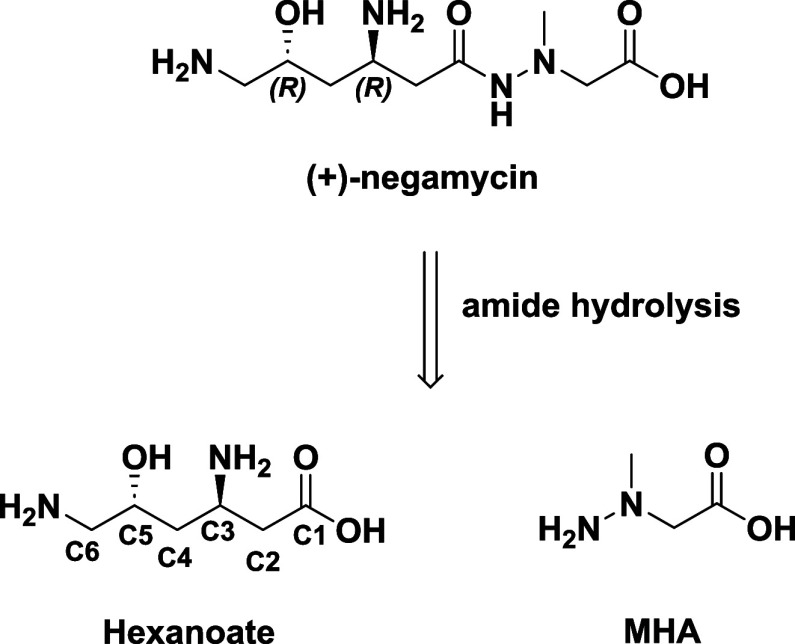 Figure 1
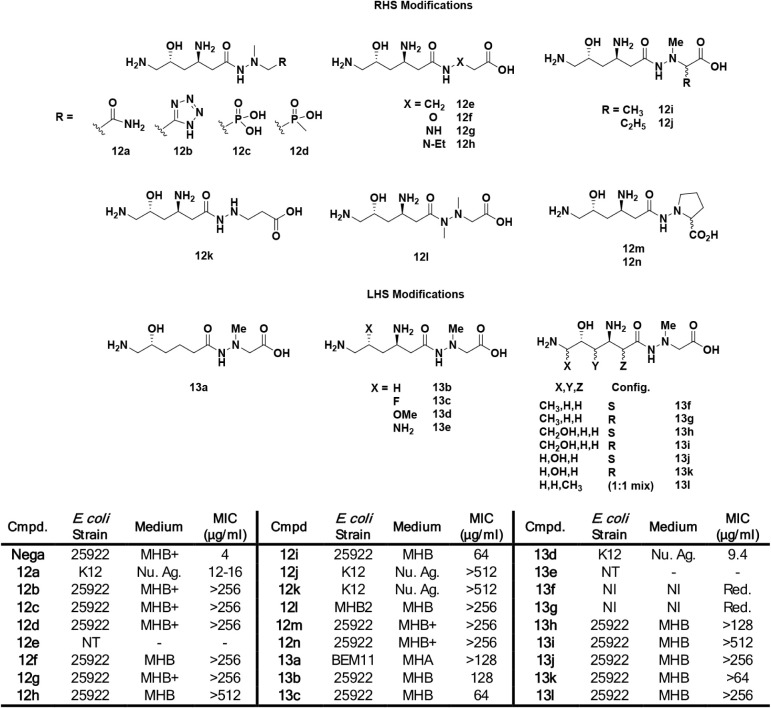 Figure 2
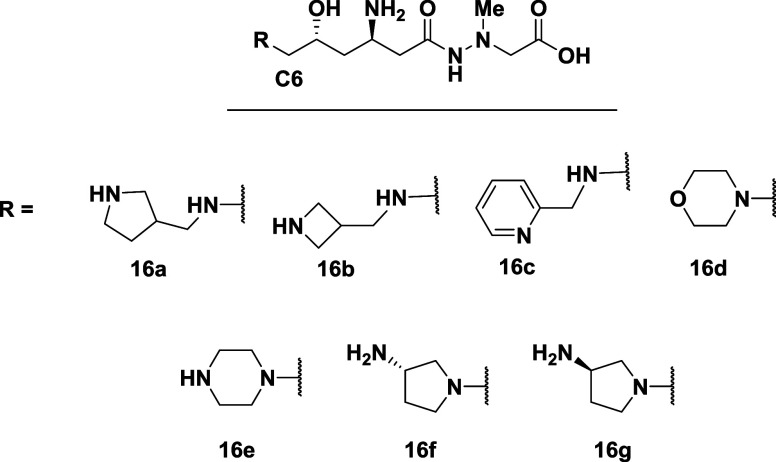 Figure 3
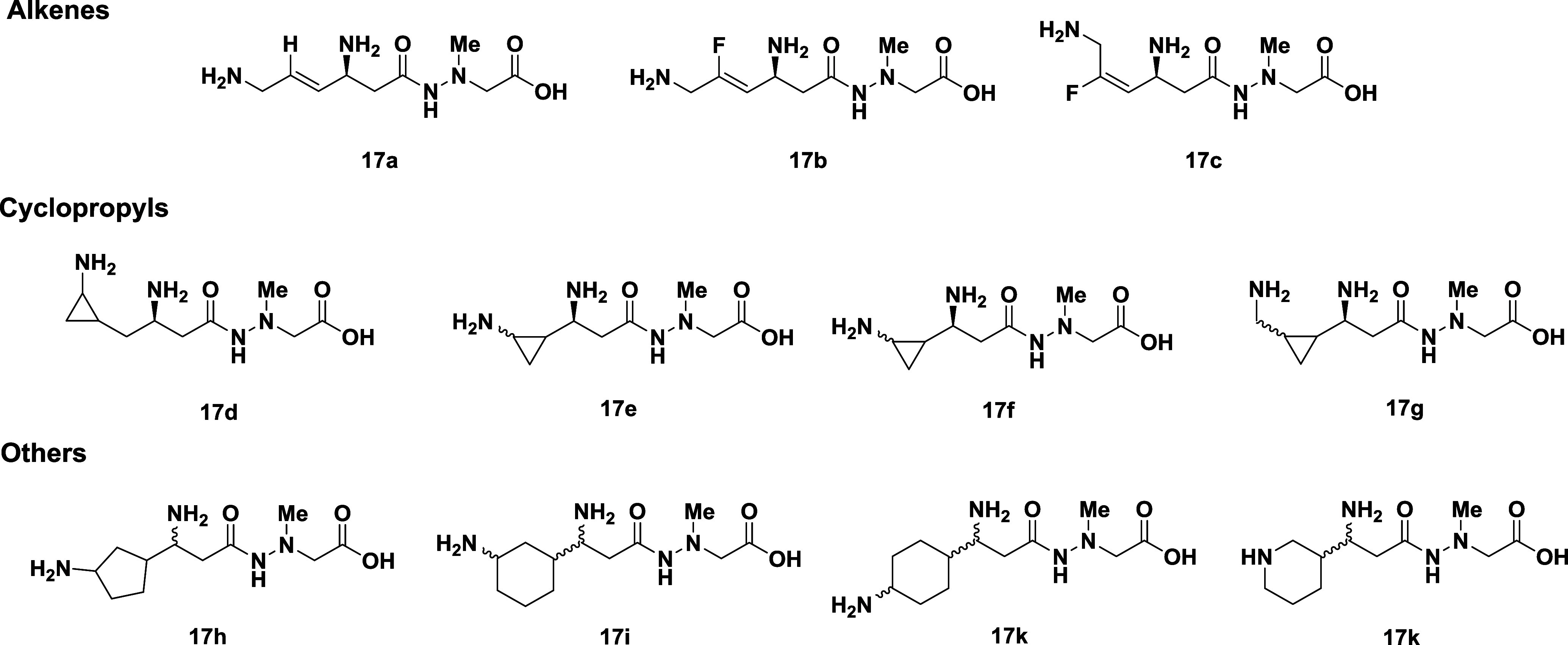 Figure 4
 Figure 5
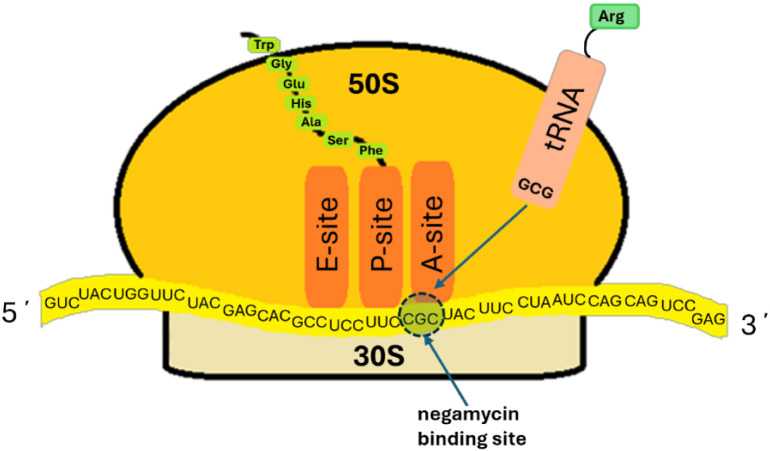 Figure 6
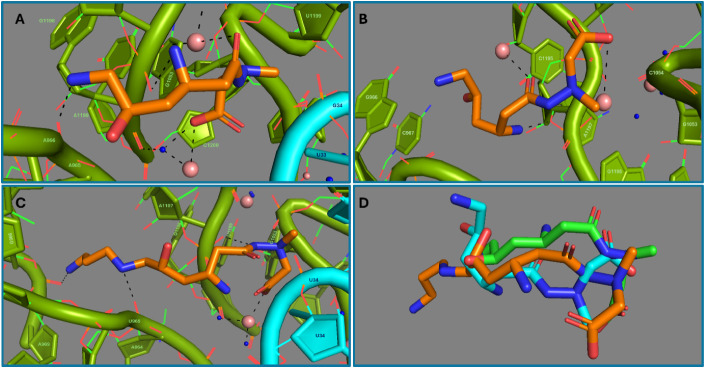 Figure 7
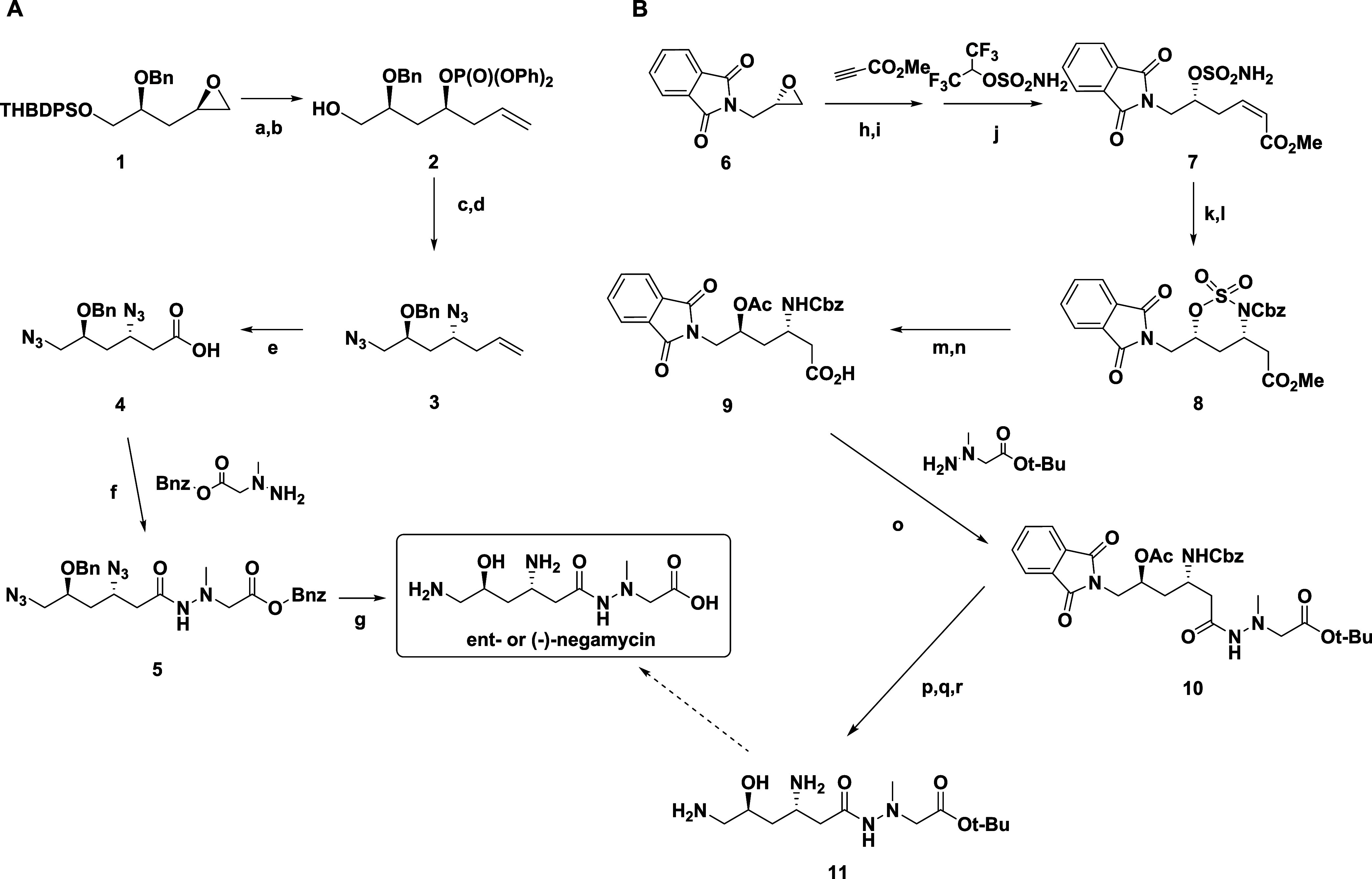 Figure 8
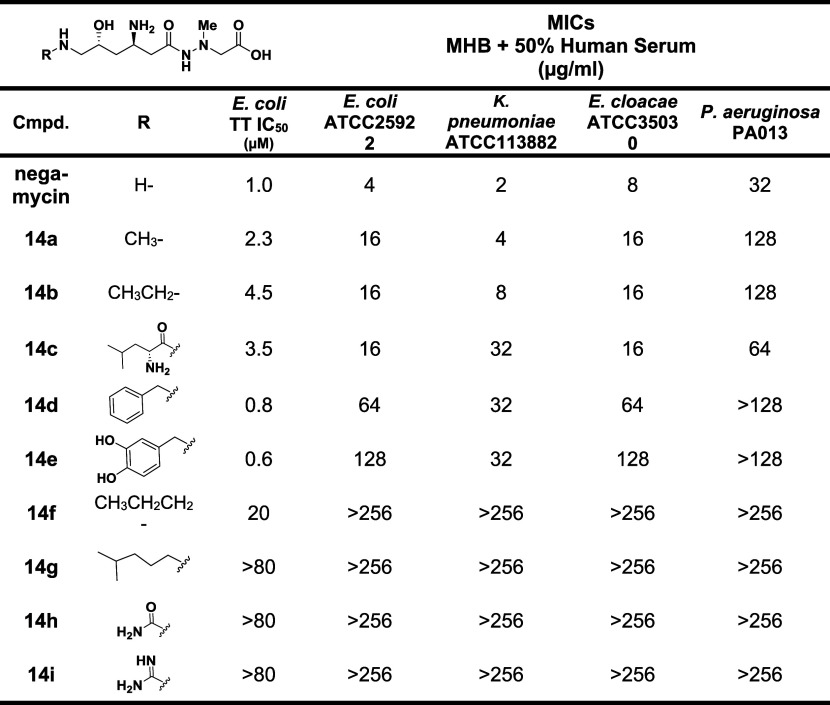 Figure 9
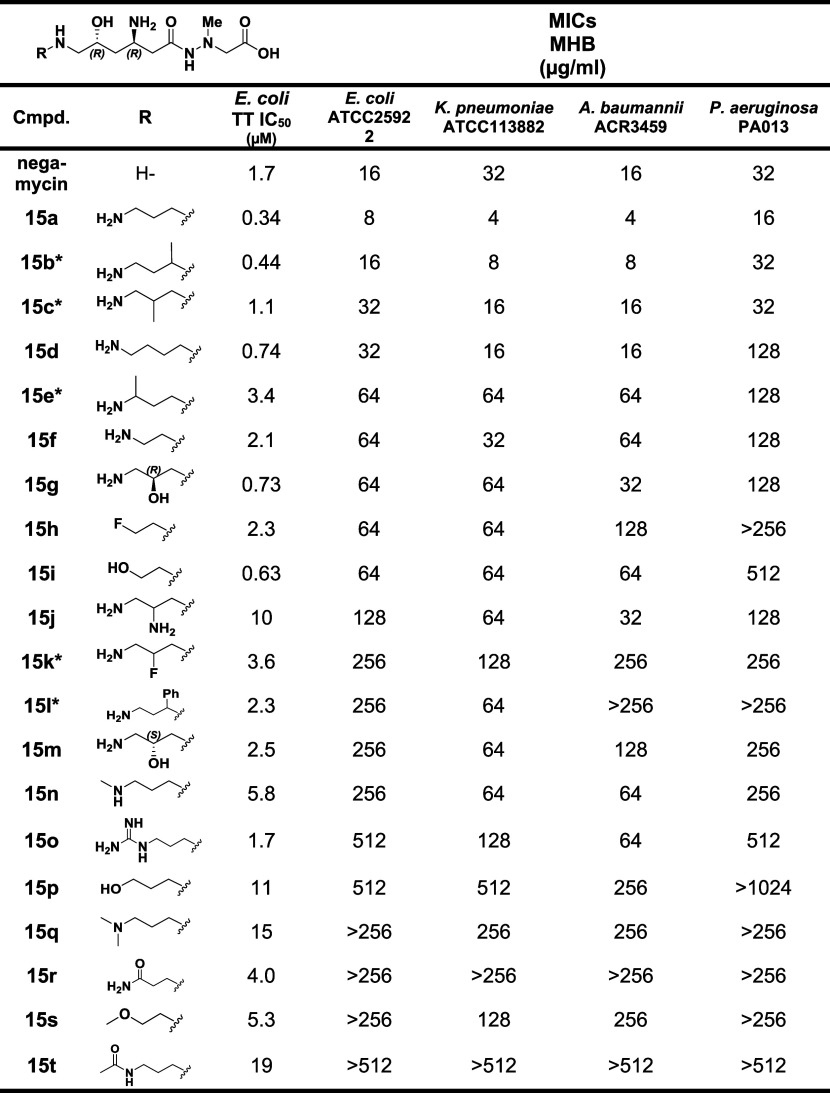 Figure 10
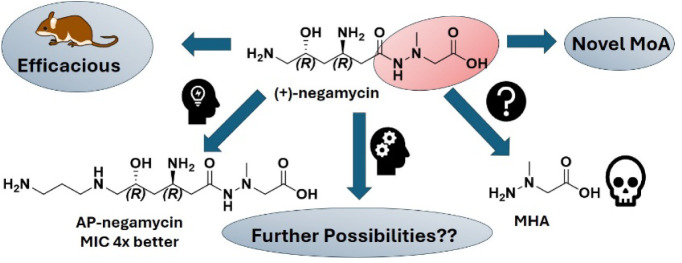 Figure 11
 Figure 12
Peer Reviews
No public reviews on file for this paper yet. If you reviewed it on a platform where reviews are public (OpenReview, ICLR, NeurIPS, ICML), you can paste yours below so the community can read it here.
Videos
No videos yet. Explain this paper in a talk, walkthrough, or lecture? Add one.
Taxonomy
TopicsRNA and protein synthesis mechanisms · Microbial Natural Products and Biosynthesis · Cyclopropane Reaction Mechanisms