Identification of Polysialic Acid and Chondroitin-like Polysaccharides of Moraxella bovis Strains Associated with Infectious Bovine Keratoconjunctivitis
Justine Vionnet, Dwight C. Peterson, John Dustin Loy, Emily Wynn, Marcos Daniel Battistel, Matthew Hille, Michael L. Clawson, Willie Vann

TL;DR
This study identifies polysaccharides in Moraxella bovis, a bacteria causing bovine pink eye, which could help develop better vaccines and treatments.
Contribution
The study reveals that M. bovis strains produce either polysialic acid or chondroitin-like polysaccharides, offering new insights for disease control.
Findings
M. bovis strains possess gene clusters for producing capsular polysaccharides like polysialic acid or chondroitin.
A polysaccharide isolated from M. bovis Epp63 is structurally identical to human pathogen polysialic acid.
Polysaccharides from genotypes 1 and 2 match nonsulfated chondroitin in structure.
Abstract
Moraxella bovis is a major etiologic agent for infectious bovine keratoconjunctivitis (IBK), commonly known as bovine pink eye. IBK has been a major economic burden to the cattle and dairy industries due to its economic and welfare impacts on affected cattle herds. Antimicrobial treatment of acute IBK infections is often challenging. Vaccine formulations widely used in industry have poor efficacy for the prevention of IBK. Capsular polysaccharides of some bacterial pathogens are important epidemiological markers and are successfully used in vaccines for humans. Currently, there are limited data demonstrating the presence of capsular polysaccharides in M. bovis. In this study, we show by genomic analysis that a broad selection of M. bovis strains obtained from the eyes of cattle harbor a gene cluster for expressing capsular polysaccharides. The isolates potentially express either a…
Genes, proteins, chemicals, diseases, species, mutations and cell lines named across the full text — each resolved to its canonical identifier and authoritative record.
Click any figure to enlarge with its caption.
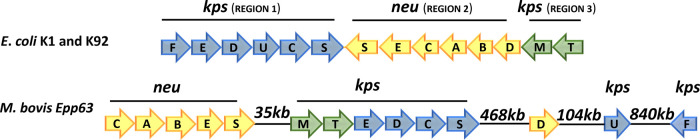 Figure 1
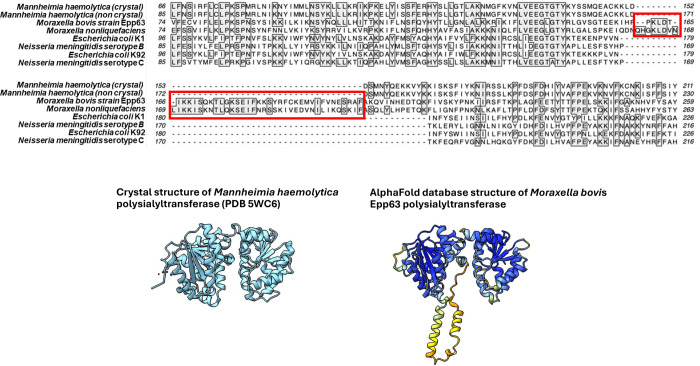 Figure 2
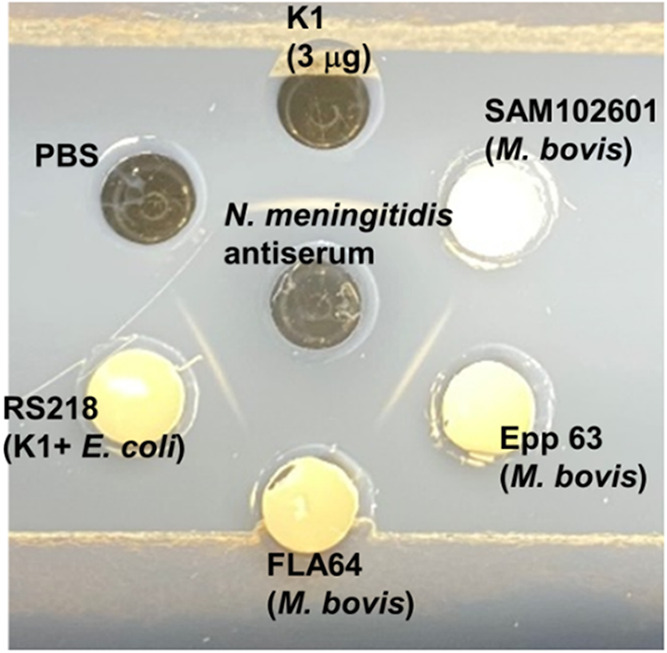 Figure 3
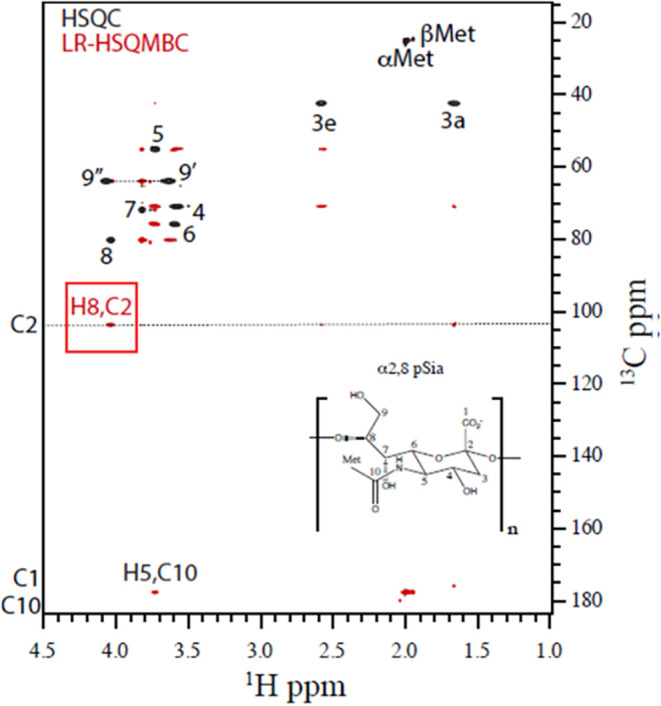 Figure 4
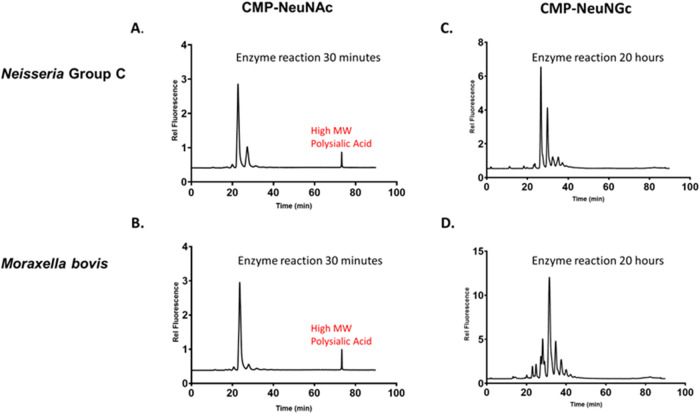 Figure 5
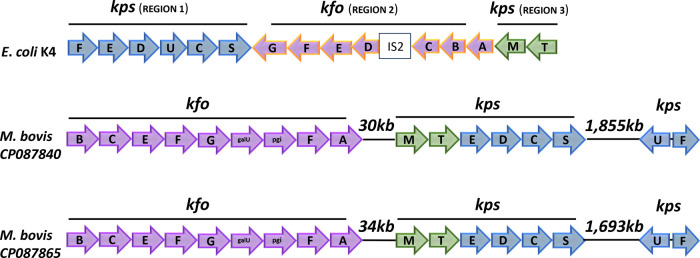 Figure 6
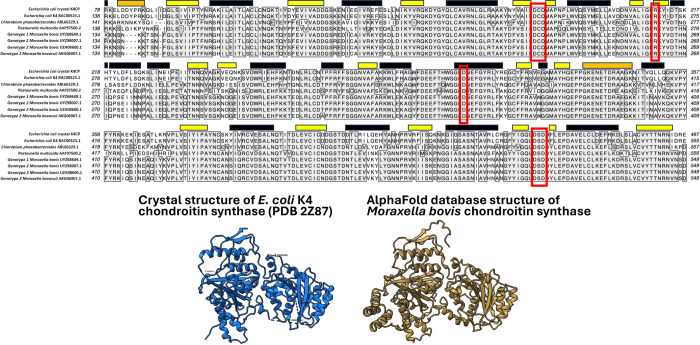 Figure 7
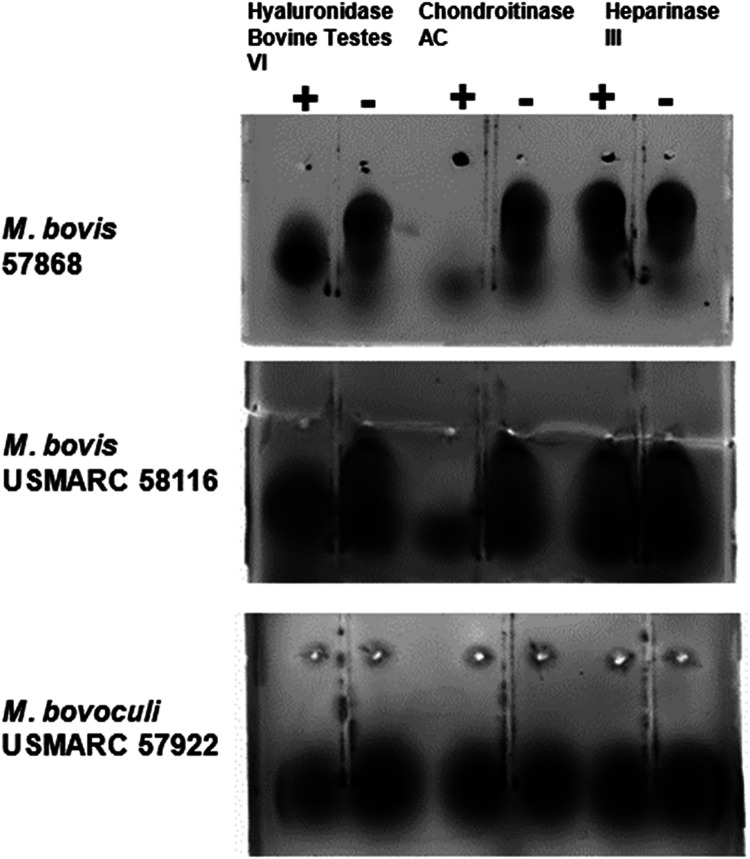 Figure 8
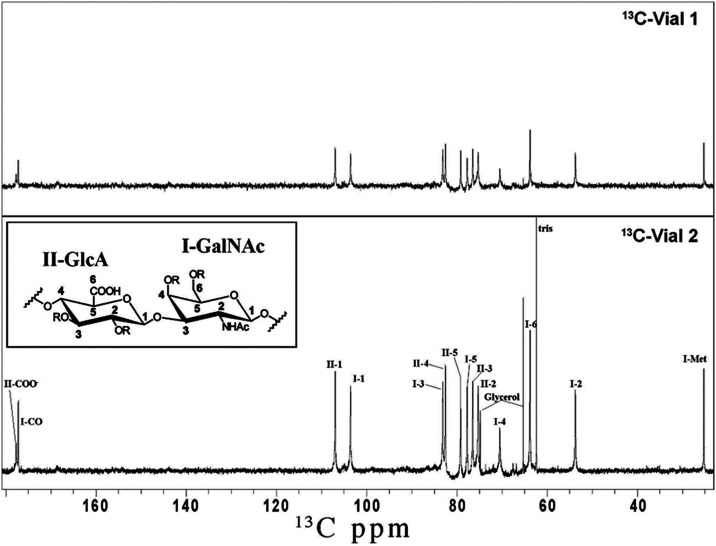 Figure 9
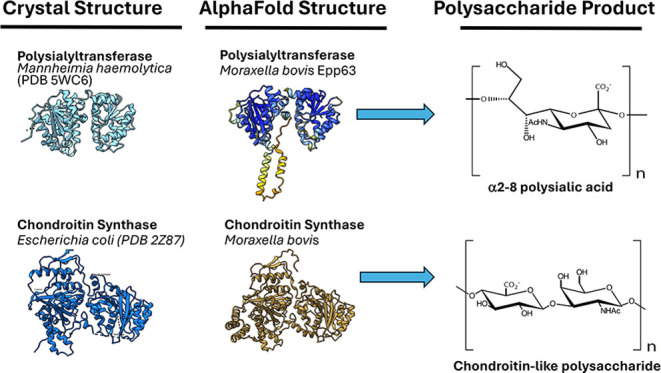 Figure 10
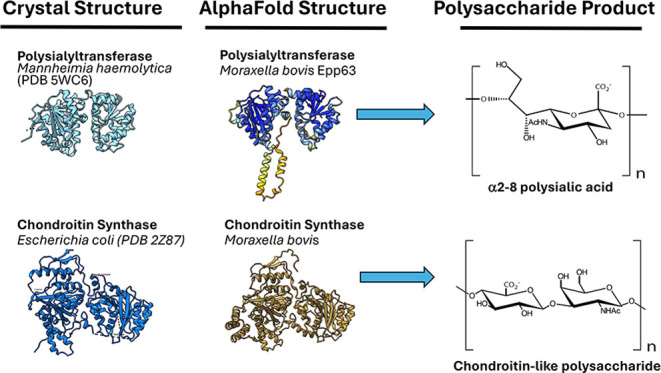 Figure 11
Peer Reviews
No public reviews on file for this paper yet. If you reviewed it on a platform where reviews are public (OpenReview, ICLR, NeurIPS, ICML), you can paste yours below so the community can read it here.
Videos
No videos yet. Explain this paper in a talk, walkthrough, or lecture? Add one.
Taxonomy
TopicsMicrobial infections and disease research · Proteoglycans and glycosaminoglycans research · Ocular Infections and Treatments