Membranes Based on Metal–Organic Framework Nanostructures for Recovering Nickel, Cobalt, and Manganese Ions from Spent Lithium-Ion Batteries
Waseem Iqbal, Amira Nour, Rosaria Bruno, Pietro Magarò, Carmine Maletta, Rosangela Elliani, Antonio Tagarelli, Teresa F. Mastropietro, Jesús Ferrando-Soria, Emilio Pardo, Donatella Armentano

TL;DR
This paper introduces a new membrane technology using metal-organic frameworks to efficiently recover nickel, cobalt, and manganese from spent lithium-ion batteries.
Contribution
The study introduces mixed matrix membranes with amino-functionalized MOFs for simultaneous recovery of multiple metal ions from spent batteries.
Findings
ZIF-8-PES membranes achieved over 90% removal efficiency for Ni(II), Co(II), and Mn(II) simultaneously.
Amino-functionalized MOFs showed enhanced adsorption performance compared to non-functionalized analogs.
The membranes demonstrated excellent reusability for at least three cycles.
Abstract
Lithium-ion batteries (LIBs) are central to sustainable energy technologies, and while lithium (Li) is the most recognized component, its rapid growth has also intensified demand for other critical metals, particularly manganese (Mn(II)), nickel (Ni(II)), and cobalt (Co(II)). Recovering these valuable metal cations from spent LIBs and associated wastewater is essential to reduce production costs, conserve resources, and mitigate environmental risks. Here, we present mixed matrix membranes (MOF-PES MMMs) as versatile adsorbents for the simultaneous recovery of Ni(II), Co(II), and Mn(II) from multicomponent solutions. Five metal–organic frameworks (MOFs)ZIF-8, MIL-53(Al), UiO-66, and their amino-functionalized analogues (NH2-MIL-53(Al) and NH2–UiO-66)were synthesized and incorporated into poly(ether sulfone) (PES) membranes. The choice of MOF filler significantly influenced…
Genes, proteins, chemicals, diseases, species, mutations and cell lines named across the full text — each resolved to its canonical identifier and authoritative record.
Click any figure to enlarge with its caption.
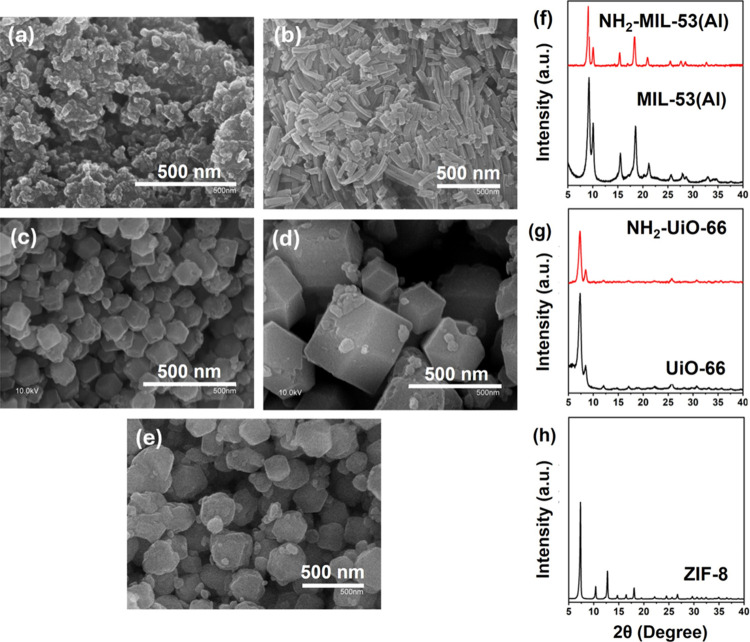 Figure 1
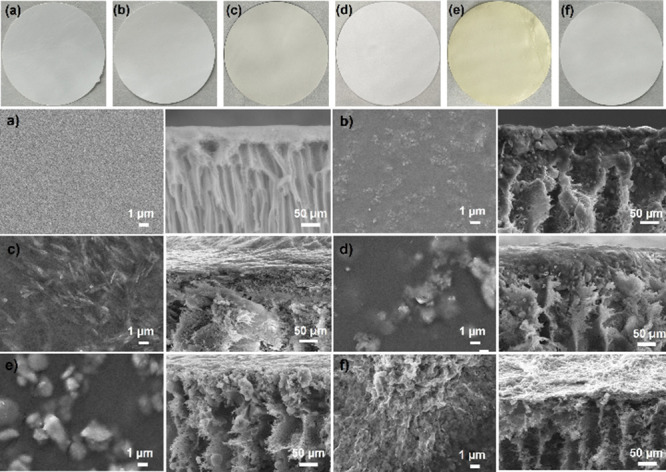 Figure 2
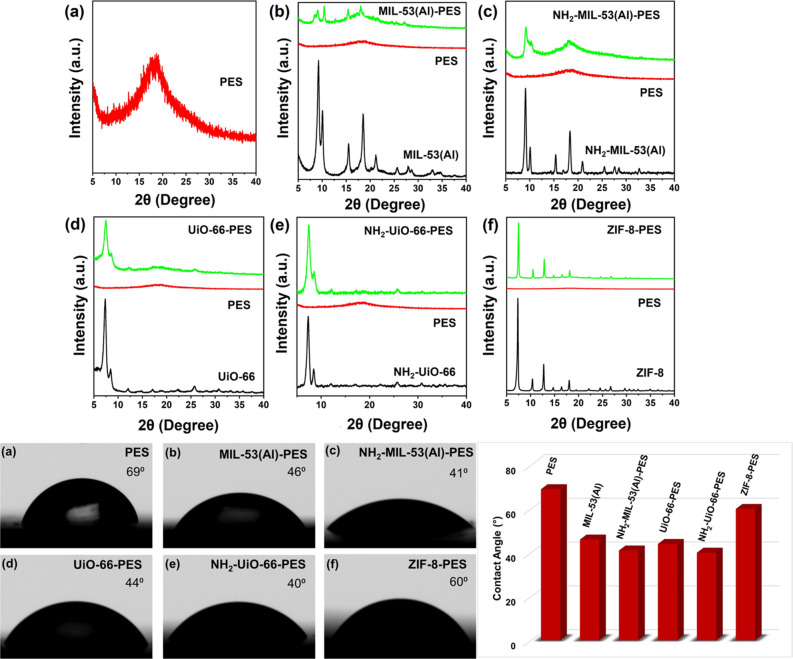 Figure 3
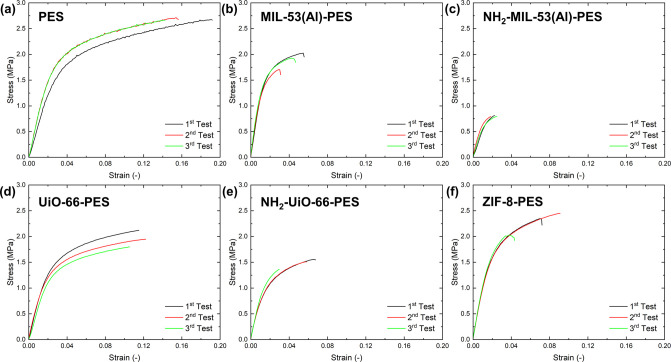 Figure 4
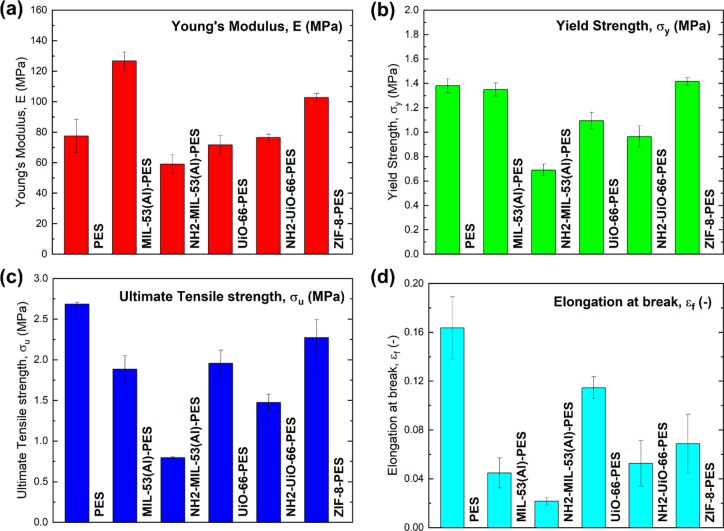 Figure 5
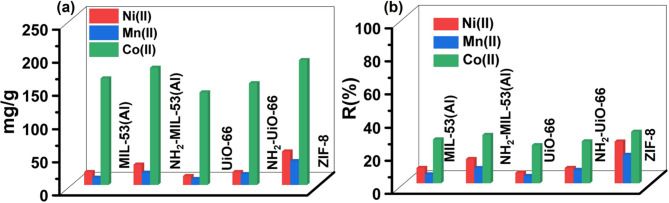 Figure 6
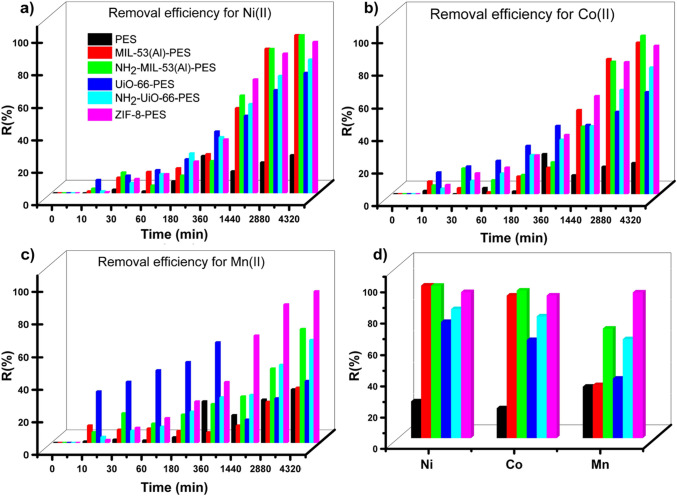 Figure 7
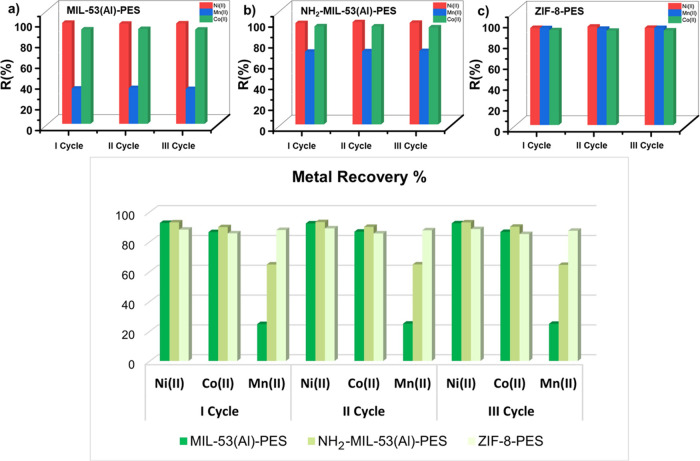 Figure 8
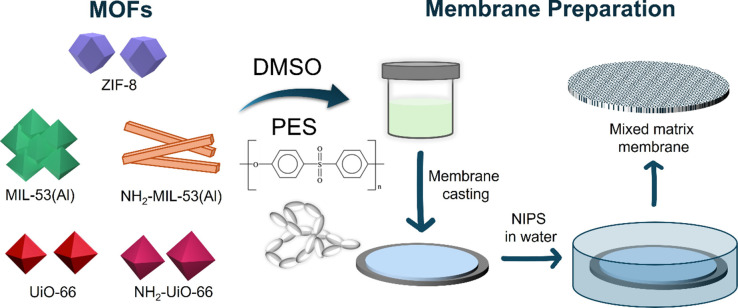 Figure 9
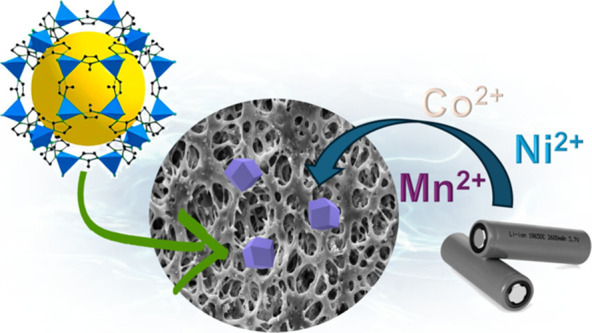 Figure 10
 Figure 11
 Figure 12
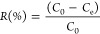 Figure 13
 Figure 14
Peer Reviews
No public reviews on file for this paper yet. If you reviewed it on a platform where reviews are public (OpenReview, ICLR, NeurIPS, ICML), you can paste yours below so the community can read it here.
Videos
No videos yet. Explain this paper in a talk, walkthrough, or lecture? Add one.
Taxonomy
TopicsExtraction and Separation Processes · Membrane Separation Technologies · Adsorption and biosorption for pollutant removal