Chemoselectivity in the cationic Phospha-Wittig reaction: accessing phosphorus heterocycles, phosphaalkenes, and their annulated [4 + 2] dimers
Philipp Royla, Kai Schwedtmann, Rosa M. Gomila, Antonio Frontera, Jan J. Weigand

TL;DR
This paper introduces a new chemical reaction that creates phosphorus-based compounds with unique structures using a cationic Phospha-Wittig reaction.
Contribution
The first cationic Phospha-Wittig reaction is introduced, enabling the formation of cationic phosphaalkenes with novel cycloaddition reactivity.
Findings
Triflate salts of phosphito-phosphanides were synthesized and used as reagents in the cationic Phospha-Wittig reaction.
An unprecedented annulative [4 + 2] dimerisation pathway was discovered for cationic C-aryl phosphaalkenes.
Computational studies revealed a Phospha-Diels–Alder mechanism followed by proton transfer as the most energetically favorable pathway.
Abstract
Triflate salts of phosphito-phosphanides [LCP–P(OR)3]+ (1[OTf], R = alkyl, LC = N-heterocyclic carbene) were obtained via nucleophilic fragmentation of the tetraphosphetane [(LC)4P4][OTf]4 (3[OTf]4) with organophosphites P(OR)3. The salts 1[OTf] act as versatile reagents in the cationic Phospha-Wittig reaction, converting aldehydes into imidazoliumyl-substituted phosphaalkenes 2[OTf] and, via a competing pathway, into diphosphiranes 4[OTf]2. The product distribution is governed by the aldehyde substituent, enabling selective access to isolable derivatives of both compound classes. The resulting phosphaalkenes 2[OTf] serve as precursors to diverse phosphorus heterocycles, undergoing expected [2 + 2] dimerisation to 1,3-diphosphetanes syn/anti-(2)2[OTf]2 and trapping reactions with 1,3-dienes to yield the tetrahydrophosphinine 8[OTf] and bicyclic derivative 9[OTf]. Most notably, an…
Genes, proteins, chemicals, diseases, species, mutations and cell lines named across the full text — each resolved to its canonical identifier and authoritative record.
Click any figure to enlarge with its caption.
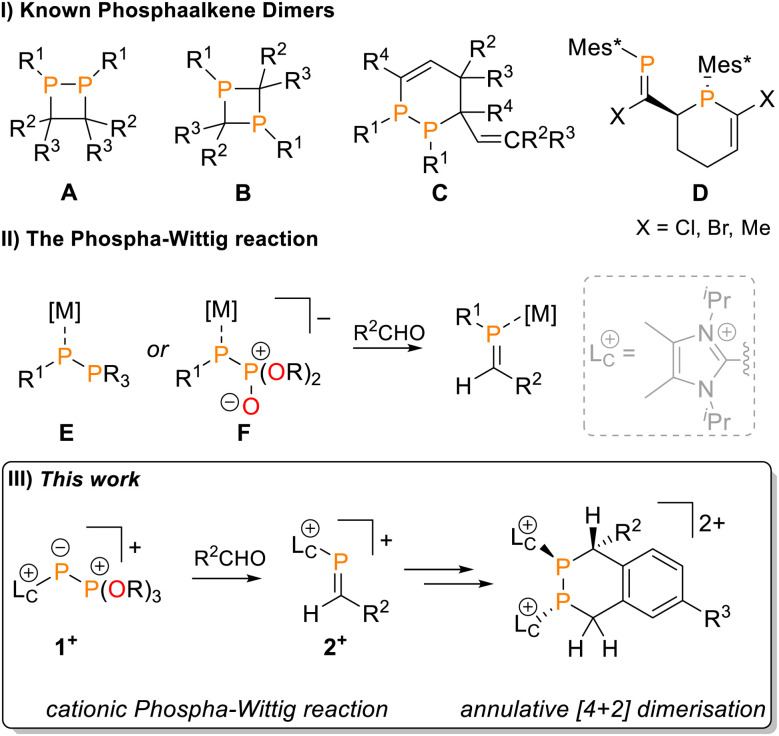 Figure 1
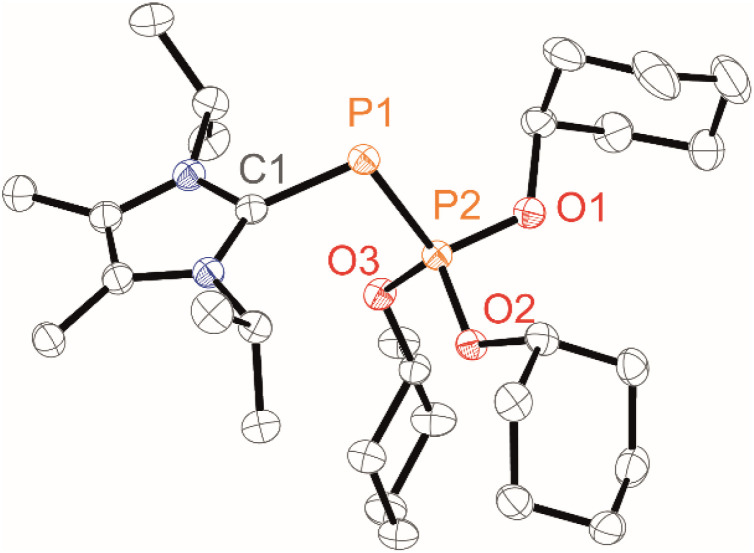 Figure 2
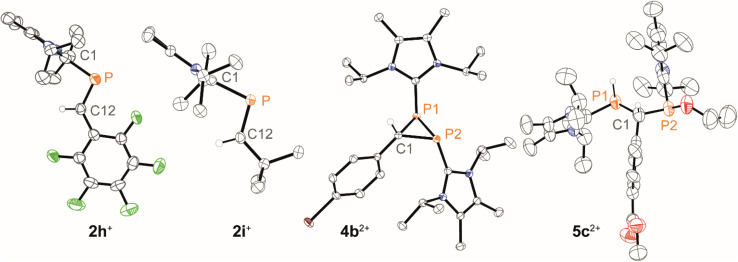 Figure 3
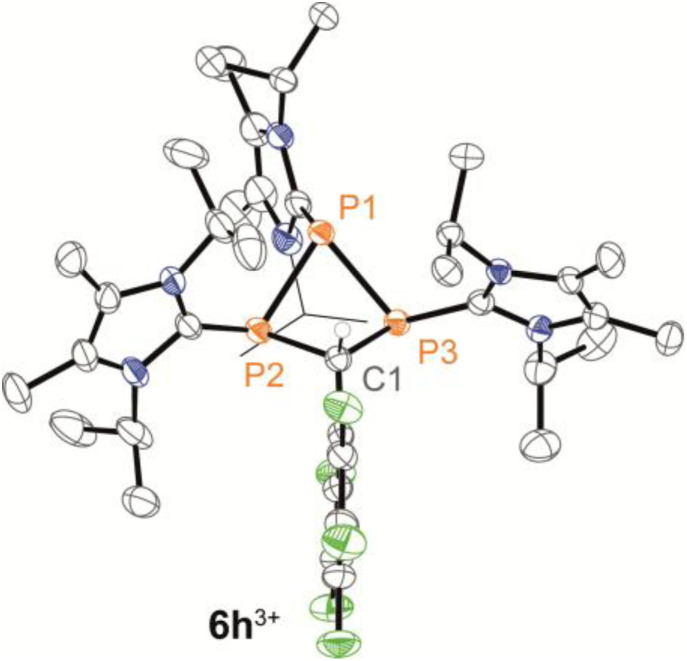 Figure 4
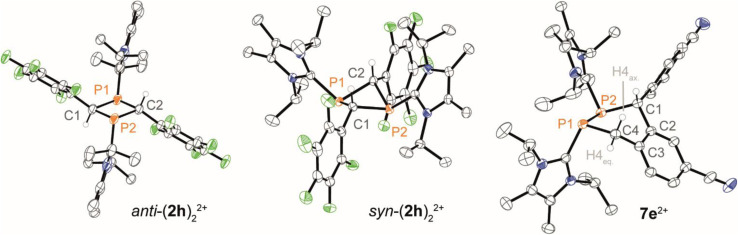 Figure 5
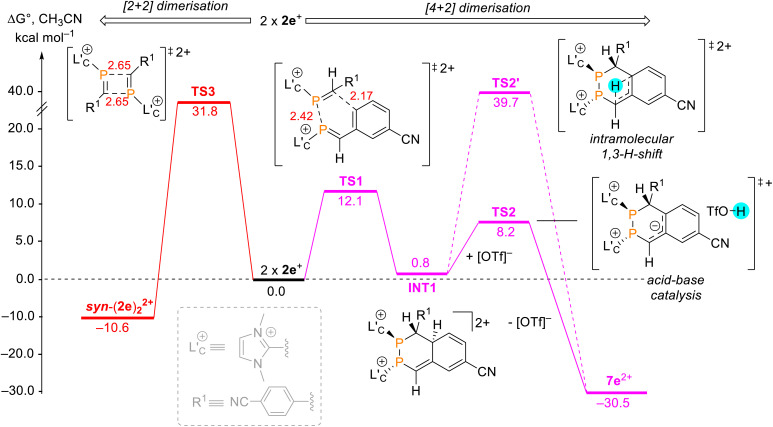 Figure 6
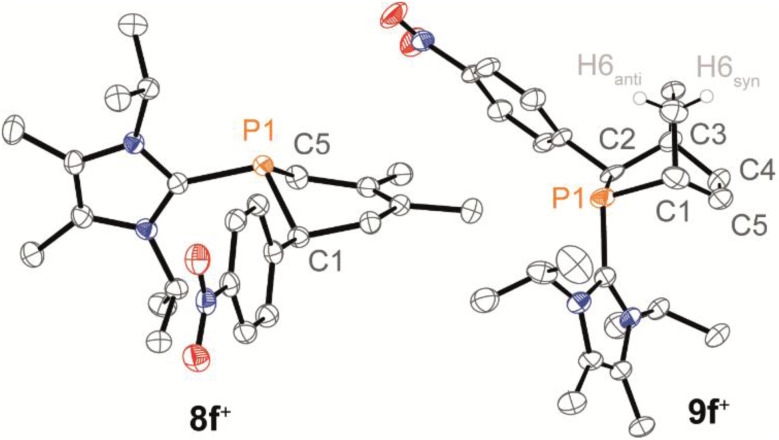 Figure 7
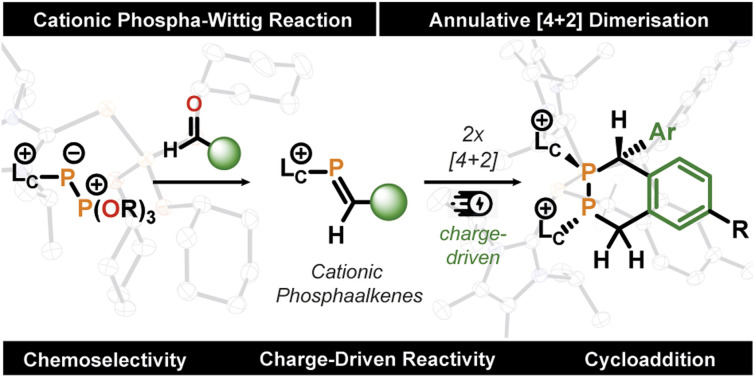 Figure 8
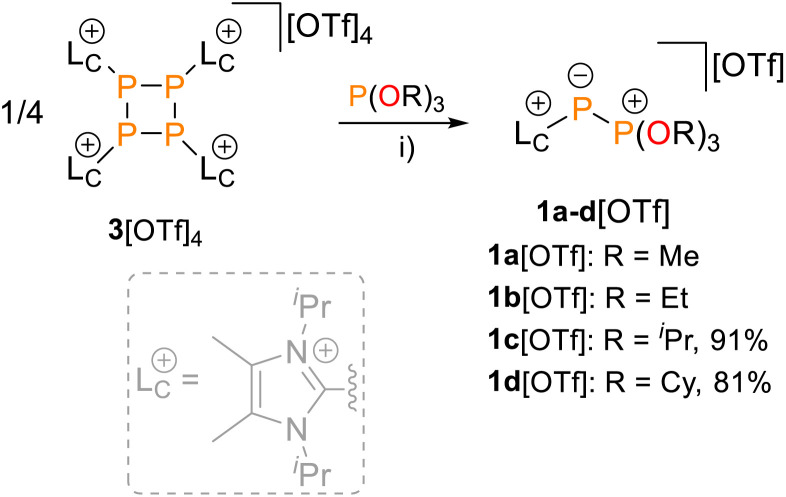 Figure 9
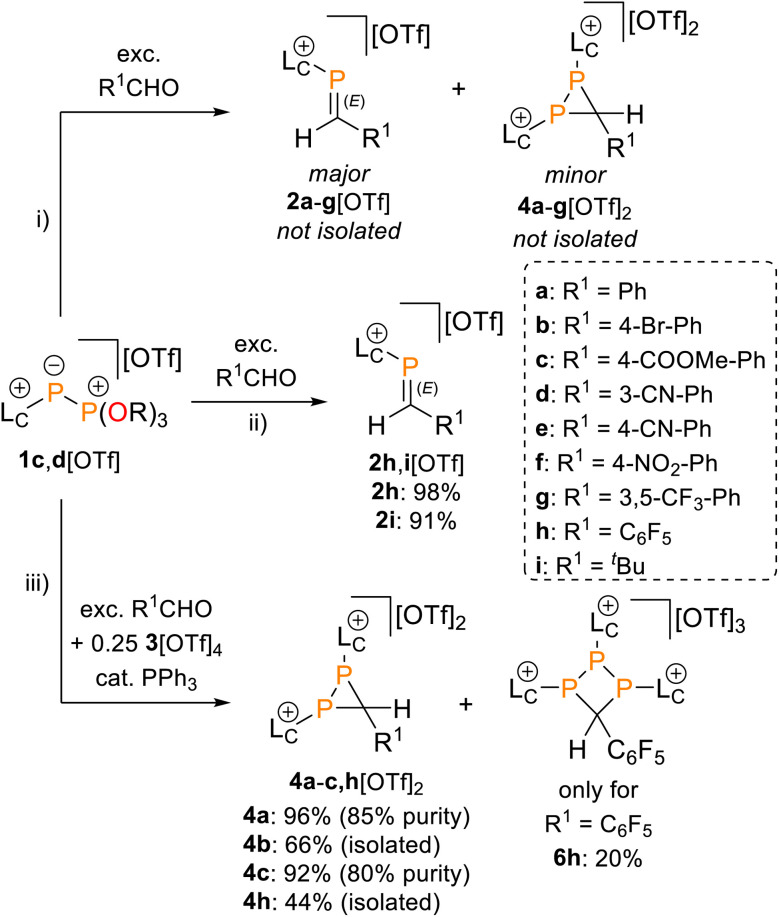 Figure 10
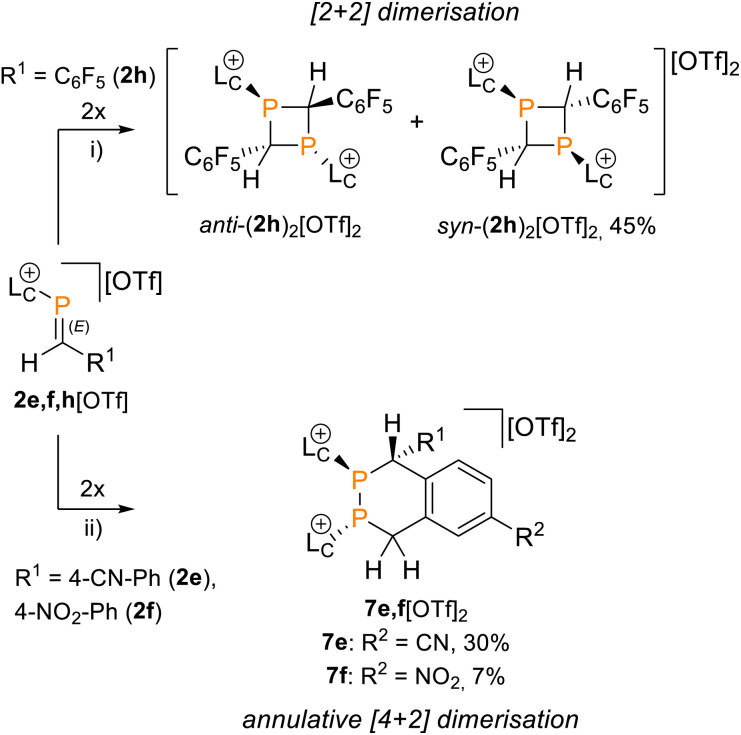 Figure 11
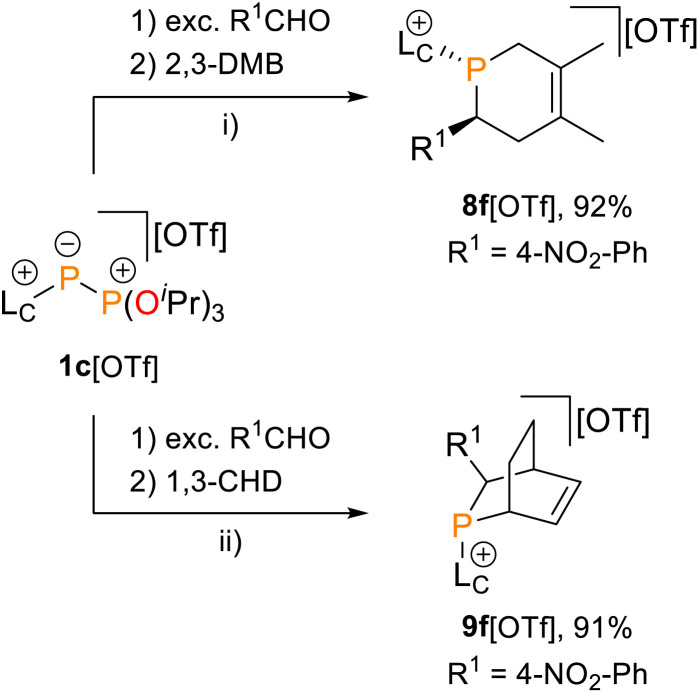 Figure 12
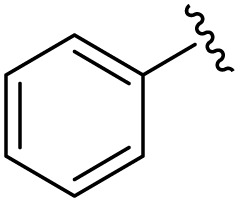 Figure 13
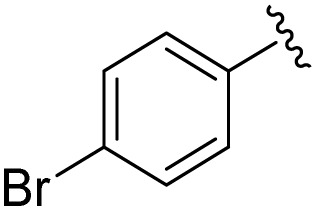 Figure 14
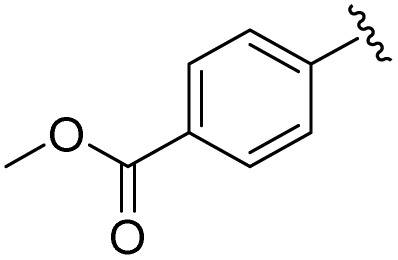 Figure 15
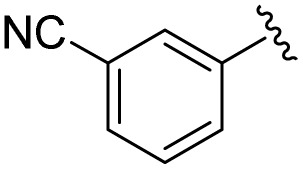 Figure 16
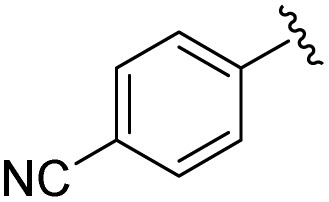 Figure 17
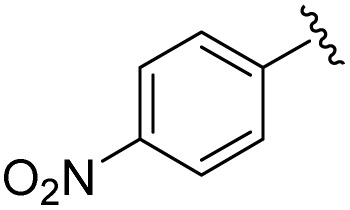 Figure 18
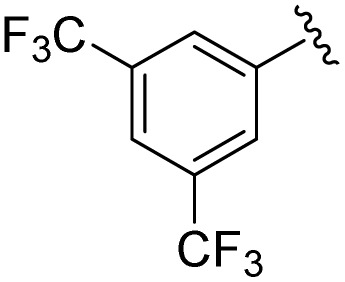 Figure 19
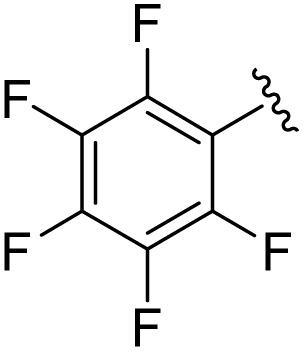 Figure 20
 Figure 21
Peer Reviews
No public reviews on file for this paper yet. If you reviewed it on a platform where reviews are public (OpenReview, ICLR, NeurIPS, ICML), you can paste yours below so the community can read it here.
Videos
No videos yet. Explain this paper in a talk, walkthrough, or lecture? Add one.
Taxonomy
TopicsSynthesis and characterization of novel inorganic/organometallic compounds · Phosphorus compounds and reactions · Organophosphorus compounds synthesis