Chromatographic‐Based Binding and Thermodynamic Studies of Antibiotic Micropollutants with Humic Acid Using Affinity Microcolumns
Sadia Sharmeen, Isaac Kyei, Saumen Poddar, Sazia Iftekhar, BK Sajeeb, Lillian M. Graham, Daniel D. Snow, David S. Hage

TL;DR
This study uses chromatography to explore how antibiotics bind to humic acid, revealing insights into their environmental behavior.
Contribution
The novel use of affinity microcolumns enables rapid analysis of antibiotic-humic acid interactions with minimal material.
Findings
Sulfadiazine and sulfamethoxazole showed moderate binding to humic acid at pH 7.0 and 25°C.
Lincomycin and clarithromycin exhibited stronger binding with higher equilibrium constants.
Binding strength decreased with increasing ionic strength and was influenced by pH changes.
Abstract
High‐performance affinity microcolumns with entrapped humic acid were utilized to investigate interactions between this natural carrier agent and several classes of antibiotics that are common emerging environmental contaminants, or micropollutants. Aldrich humic acid was used as a general model for this type of binding agent. Chromatographic studies under various temperature and mobile phase conditions were used to characterize interactions of the humic acid with the antibiotics sulfadiazine and sulfamethoxazole (sulfonamides), clarithromycin (a macrolide), and lincomycin (a lincosamide). It was determined by this approach that sulfadiazine and sulfamethoxazole had moderate affinities for the humic acid at pH 7.0 and 25°C, with distribution equilibrium constants (KD ) of ∼2–3 × 101 L/kg and global affinities (nK’a ) of ∼0.8–1.0 × 10³ M−1. Lincomycin and clarithromycin had stronger…
Genes, proteins, chemicals, diseases, species, mutations and cell lines named across the full text — each resolved to its canonical identifier and authoritative record.
Click any figure to enlarge with its caption.
 Figure 1
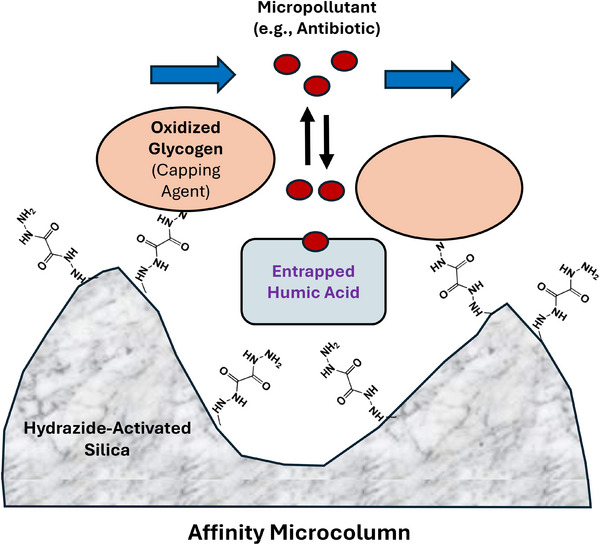 Figure 2
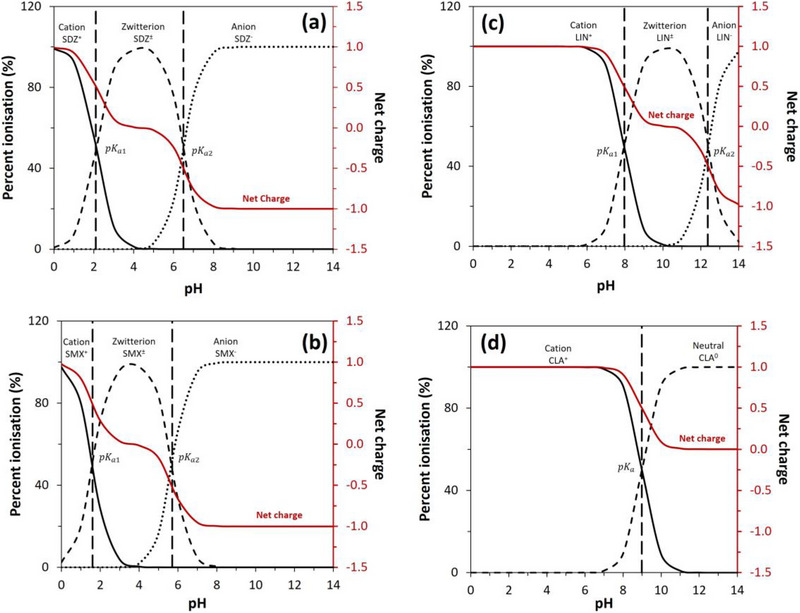 Figure 3
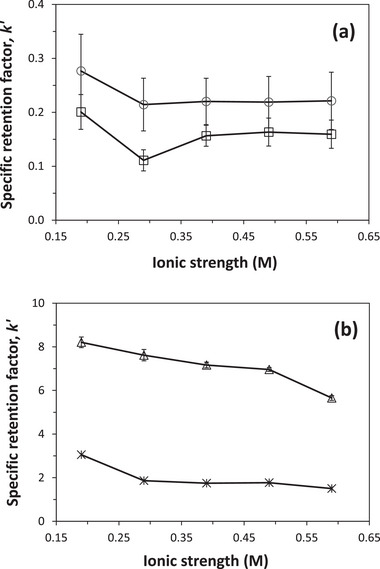 Figure 4
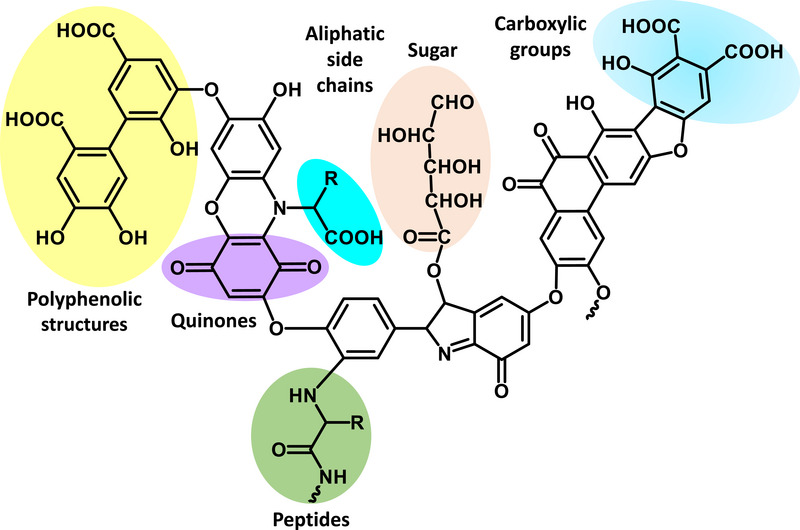 Figure 5
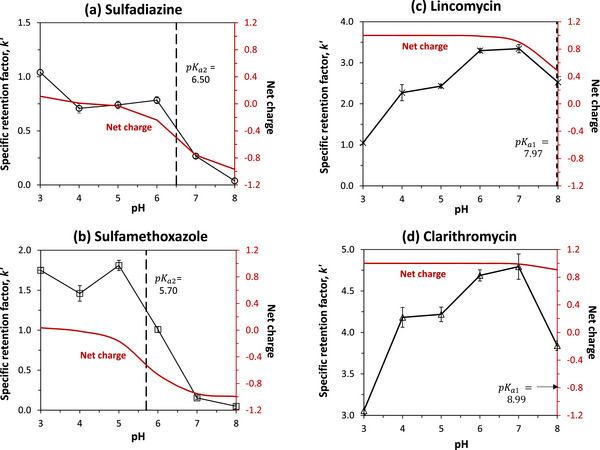 Figure 6
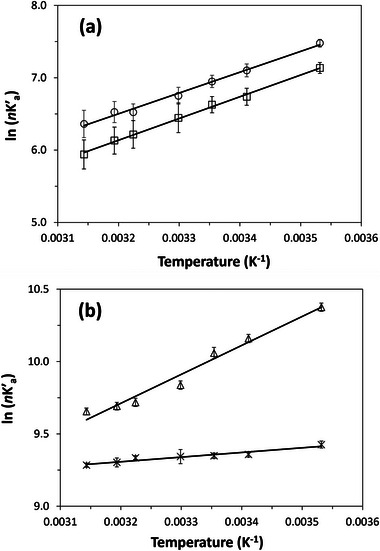 Figure 7
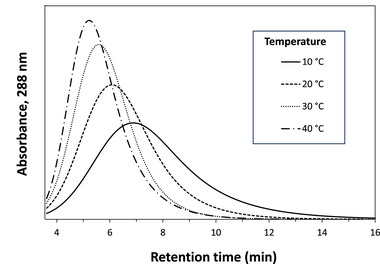 Figure 8
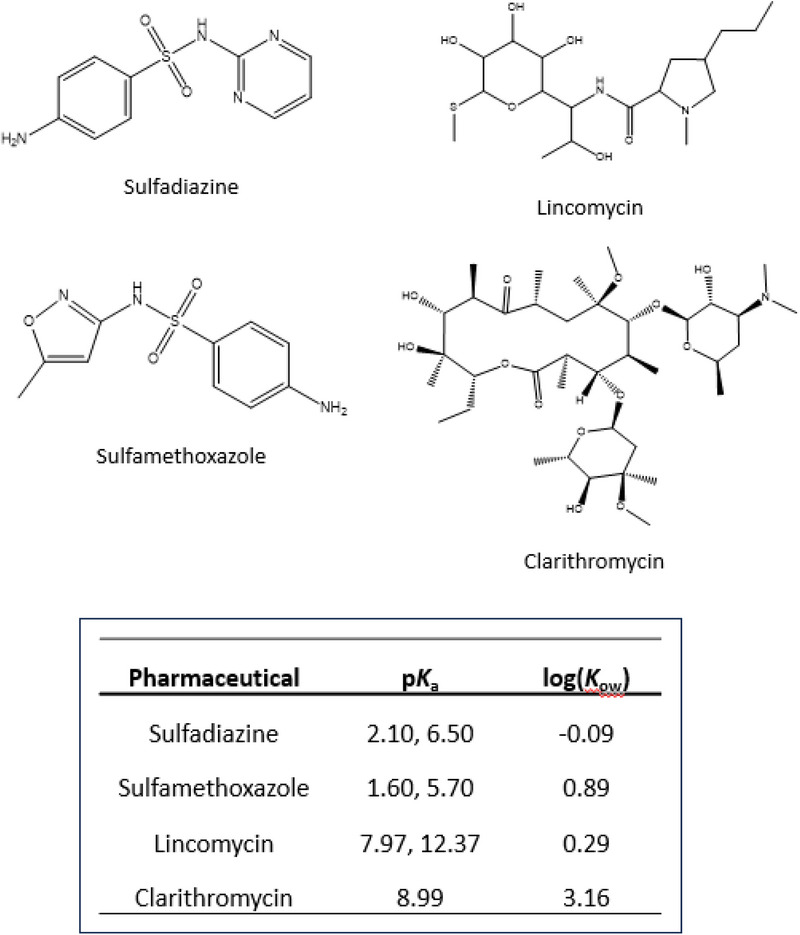 Figure 9
Peer Reviews
No public reviews on file for this paper yet. If you reviewed it on a platform where reviews are public (OpenReview, ICLR, NeurIPS, ICML), you can paste yours below so the community can read it here.
Videos
No videos yet. Explain this paper in a talk, walkthrough, or lecture? Add one.
Taxonomy
TopicsPharmaceutical and Antibiotic Environmental Impacts · Protein purification and stability · Analytical Chemistry and Chromatography