Estimation of Mortality via the Neighborhood Atlas and Reproducible Area Deprivation Indices
Nicole Gladish, Robert L. Phillips, David H. Rehkopf

TL;DR
This study shows that the corrected ReADI index better estimates area deprivation and mortality than the flawed NA-ADI, making it a more reliable tool for health policy.
Contribution
The study introduces the Reproducible ADI (ReADI), a corrected and transparent version of the NA-ADI, improving accuracy in health equity research.
Findings
ReADI aligns more closely with other deprivation indices than NA-ADI (R2 range 0.609 to 0.932 vs. 0.331 to 0.710).
ReADI better reflects component weights with higher R2 and lower RMSE compared to NA-ADI.
ReADI explains more variance in life expectancy, especially in underresourced urban areas (R2 difference of 0.064).
Abstract
How do calculation errors, such as failing to standardize variables, in the Neighborhood Atlas Area Deprivation Index (NA-ADI) lead to differences relative to the corrected Reproducible ADI (ReADI), and to what extent are these errors associated with mortality? In this cross-sectional study, the ReADI provided a corrected, multidimensional, and reliable measure of area deprivation, aligning better with other indices and improving estimates of association with mortality compared with the NA-ADI. These findings suggest that the ReADI is an accurate, transparent, and policy-relevant measure that is more suitable than the NA-ADI for guiding health equity research and resource allocation. This cross-sectional study evaluates the Reproducible Area Deprivation Index (ReADI) in comparison with the Neighborhood Atlas ADI other established deprivation indices for estimating mortality. The…
Genes, proteins, chemicals, diseases, species, mutations and cell lines named across the full text — each resolved to its canonical identifier and authoritative record.
Click any figure to enlarge with its caption.
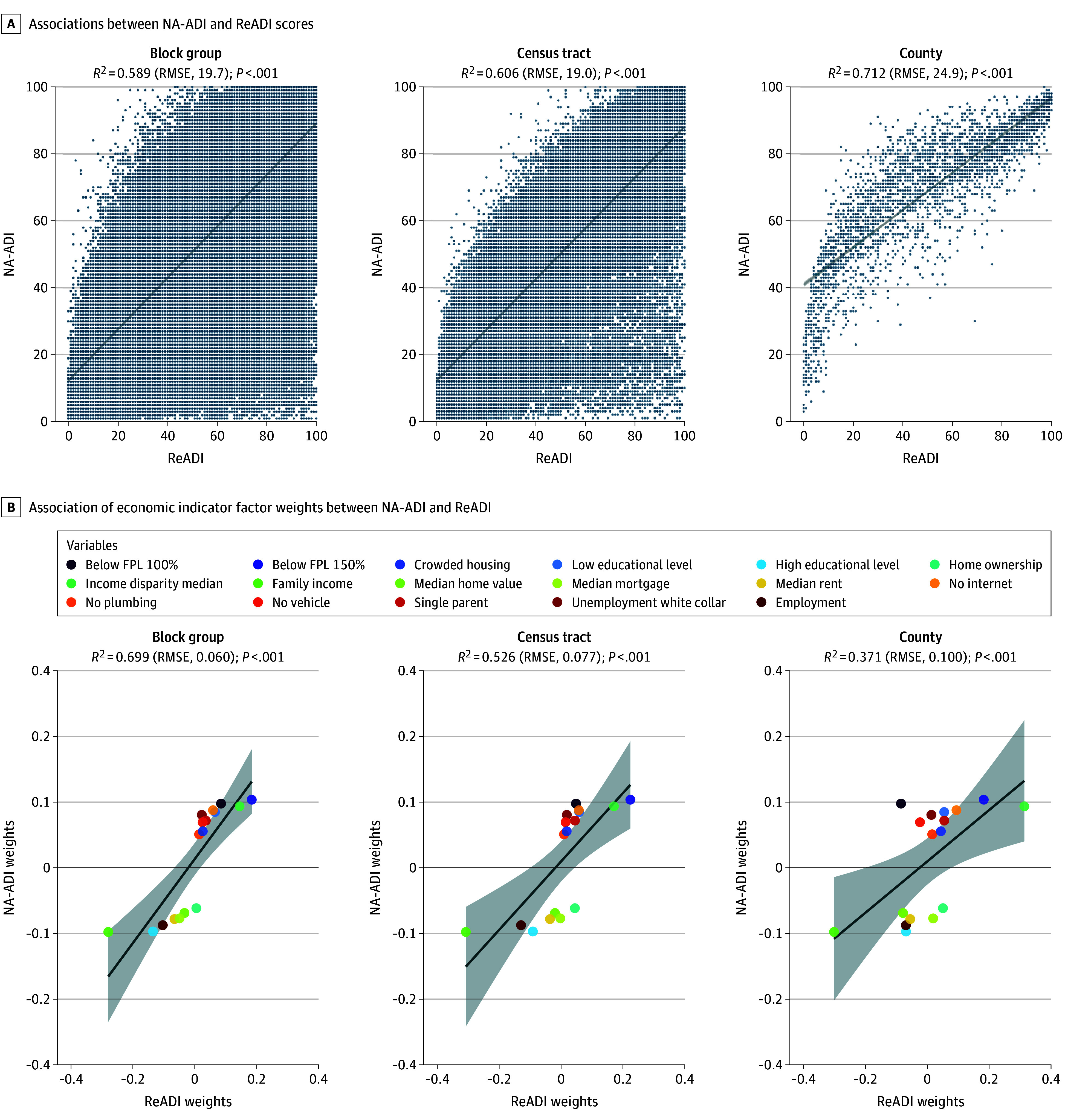 Figure 1
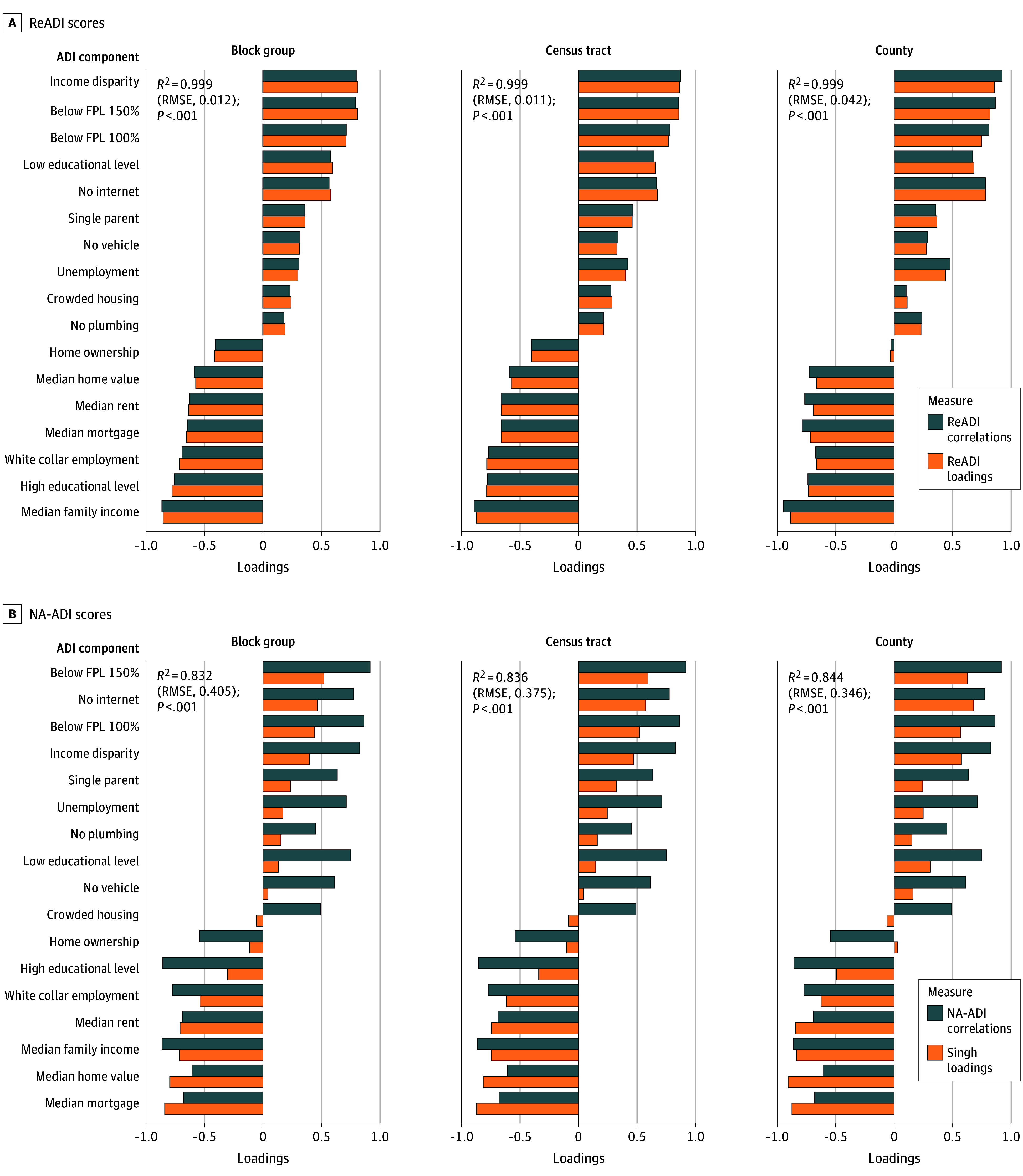 Figure 2
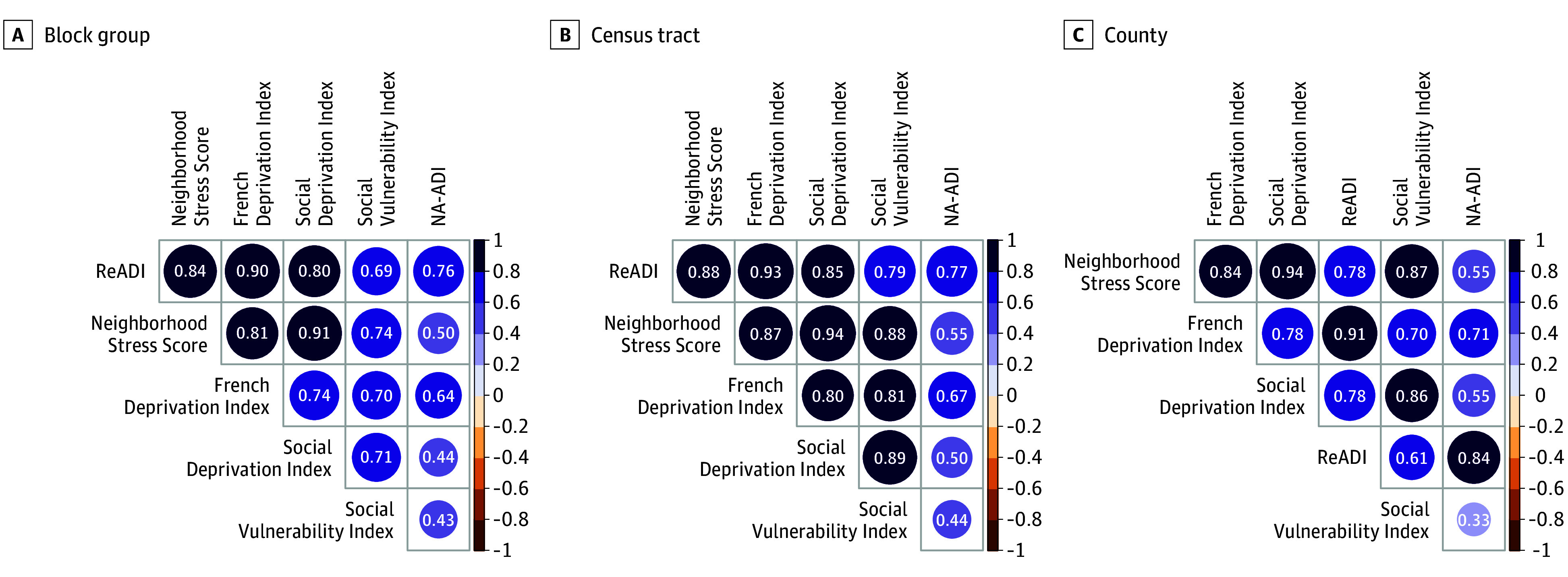 Figure 3
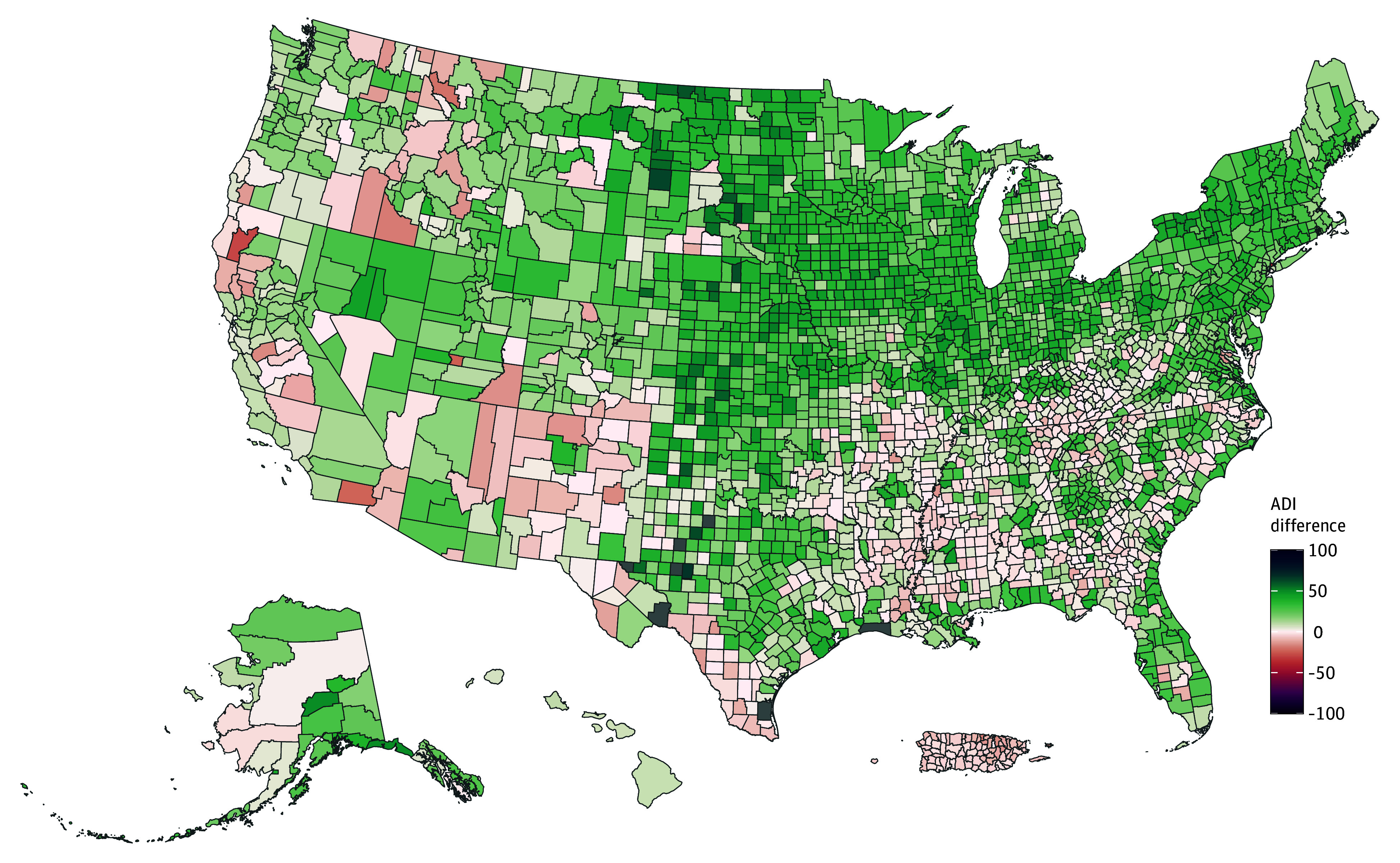 Figure 4
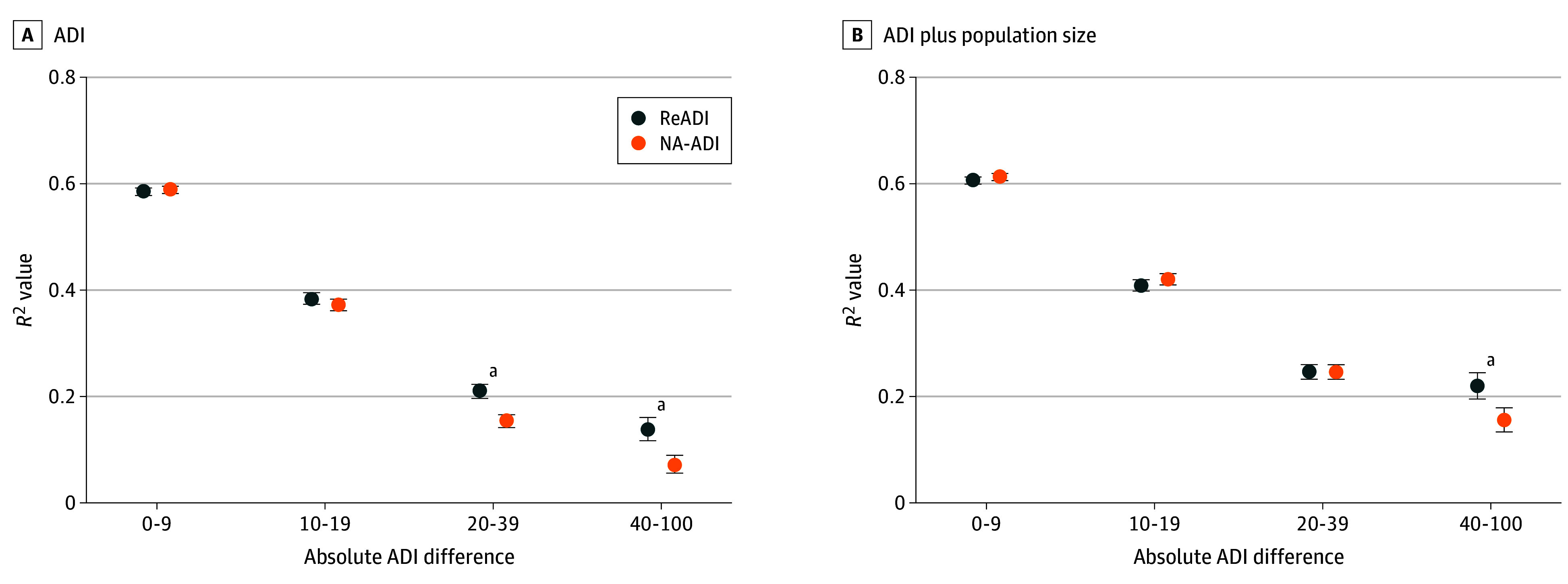 Figure 5
Peer Reviews
No public reviews on file for this paper yet. If you reviewed it on a platform where reviews are public (OpenReview, ICLR, NeurIPS, ICML), you can paste yours below so the community can read it here.
Videos
No videos yet. Explain this paper in a talk, walkthrough, or lecture? Add one.
Taxonomy
TopicsHealth disparities and outcomes · Data-Driven Disease Surveillance · Food Security and Health in Diverse Populations