Universal Transcutaneous Bilirubin Screening in a Midwifery-Led Home Care Setting
Lauren E. H. Westenberg, Marten J. Poley, Helene A. Bouma, Daan Nieboer, Berthe A. M. van der Geest, Andrei Tintu, Jolande Y. Vis, Henk Groen, Erwin Ista, Peter H. Dijk, Eric A. P. Steegers, Irwin K. M. Reiss, Christian V. Hulzebos, Jasper V. Been

TL;DR
Universal transcutaneous bilirubin screening in home care for newborns detects more cases of jaundice than visual inspection but requires more heel pricks and is cost-effective.
Contribution
The study introduces a cost-effective strategy for neonatal jaundice screening at home using universal transcutaneous bilirubin measurements.
Findings
Universal TCB screening identified 21 additional hyperbilirubinemia cases compared to visual inspection.
Universal TCB screening saved €15 per neonate but required 102 extra heel pricks.
Selective TCB screening reduced heel pricks without losing diagnostic accuracy.
Abstract
Does universal transcutaneous bilirubin (TCB) screening identify more neonates who require phototherapy compared with visual inspection, and is this strategy cost-effective? In this decision analytical model study of 2314 (near) full-term neonates cared for at home, universal TCB screening identified 21 additional cases of hyperbilirubinemia compared with visual inspection, saving €15 per neonate but requiring 102 extra heel pricks. Selective TCB screening for neonates with visual jaundice reduced additional heel pricks without compromising diagnostic accuracy. These findings support the use of TCB screening for neonates at home. This decision analytical model compares the outcomes and costs associated with universal transcutaneous bilirubin screening vs visual inspection for identifying neonates being cared for at home in the Netherlands who require phototherapy. Visual inspection…
Genes, proteins, chemicals, diseases, species, mutations and cell lines named across the full text — each resolved to its canonical identifier and authoritative record.
Click any figure to enlarge with its caption.
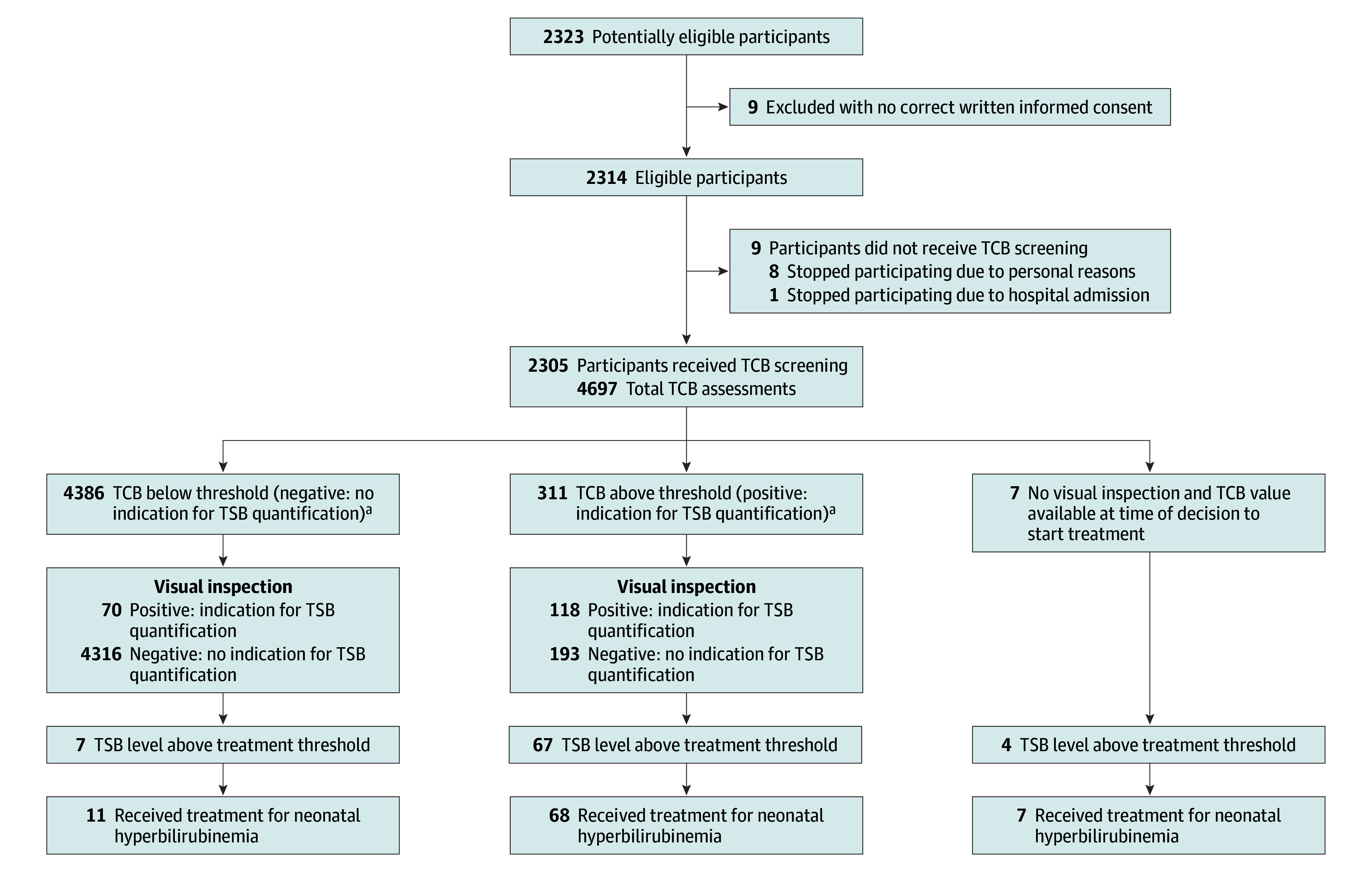 Figure 1
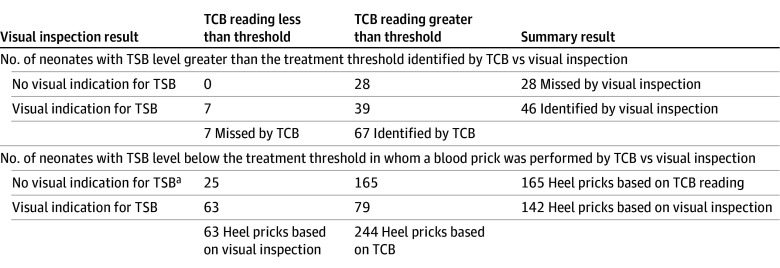 Figure 2
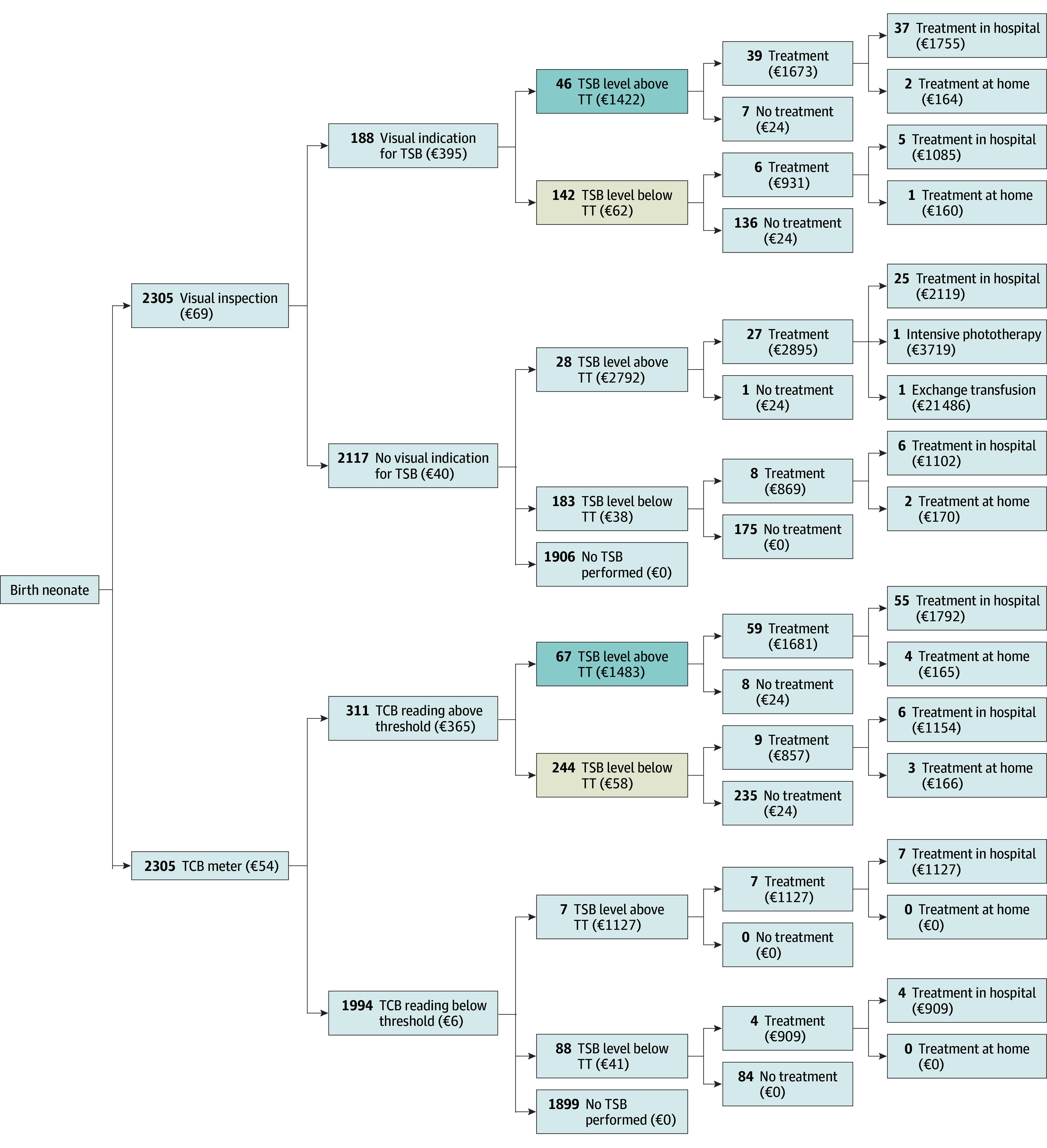 Figure 3
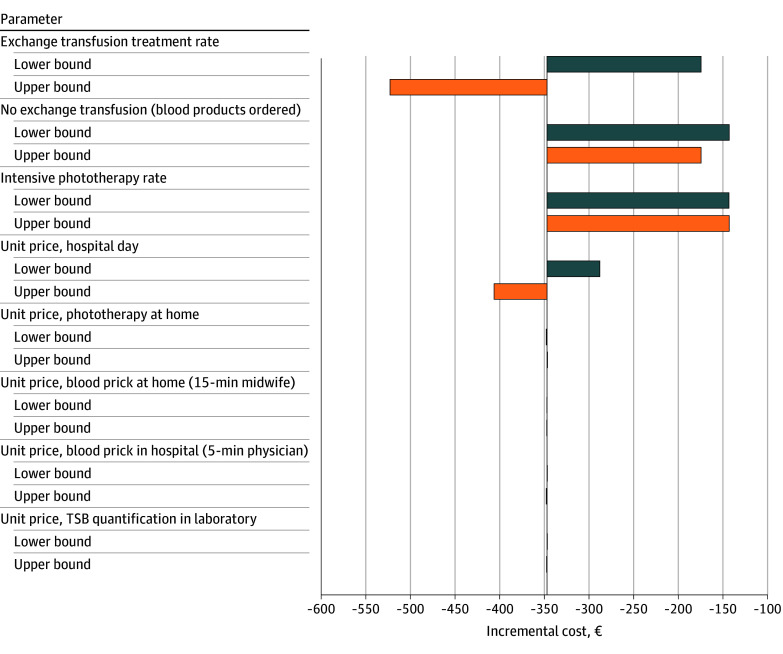 Figure 4
Peer Reviews
No public reviews on file for this paper yet. If you reviewed it on a platform where reviews are public (OpenReview, ICLR, NeurIPS, ICML), you can paste yours below so the community can read it here.
Videos
No videos yet. Explain this paper in a talk, walkthrough, or lecture? Add one.
Taxonomy
TopicsNeonatal Health and Biochemistry · Pediatric Hepatobiliary Diseases and Treatments · Heme Oxygenase-1 and Carbon Monoxide