Chromatin folding by the Polycomb group proteins and its elusive role in epigenetic repression
Ludvig Lizana, Yuri B. Schwartz

TL;DR
This paper reviews how Polycomb proteins repress genes through chromatin folding and discusses how this process might contribute to epigenetic repression.
Contribution
The paper provides a review of chromatin folding mechanisms by Polycomb proteins and questions traditional models of gene repression.
Findings
Genes repressed by the Polycomb system show increased chromatin folding compared to inactive genes.
Chromatin compaction driven by PRC1-H3K27me3 interactions is modest and dynamic.
The role of chromatin folding in epigenetic repression remains an open question.
Abstract
The Polycomb system epigenetically represses selected developmental genes to enforce gene expression programs of differentiated cells. The system requires the coordinated action of dozens of structurally unrelated proteins assembled in two evolutionarily conserved polycomb repressive complexes, PRC1 and PRC2. Genes repressed by the Polycomb system are enriched in histone H3 trimethylated at lysine 27 (H3K27me3), an epigenetic mark that propagates the repressed state after DNA replication. Despite the impressive progress in dissecting molecular functions of the Polycomb group proteins, the fundamental questions of how the Polycomb system represses transcription or how the H3K27me3 mark is translated to benefit the repression are still open. Multiple observations indicate that the binding of PRC1, PRC2, and elevated H3K27me3 correlate with changes in the chromatin structure of target…
Genes, proteins, chemicals, diseases, species, mutations and cell lines named across the full text — each resolved to its canonical identifier and authoritative record.
Click any figure to enlarge with its caption.
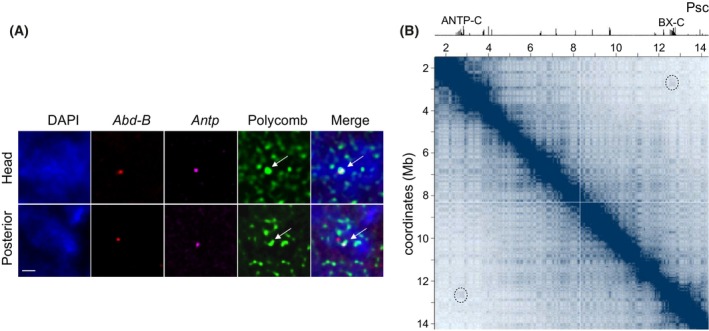 Figure 1
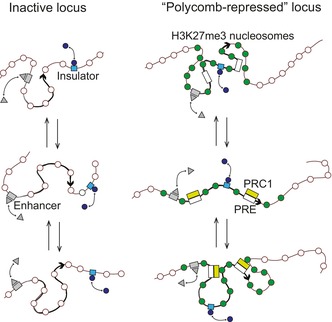 Figure 2
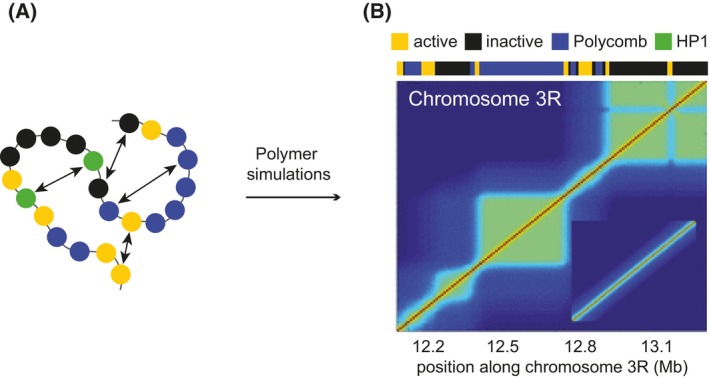 Figure 3
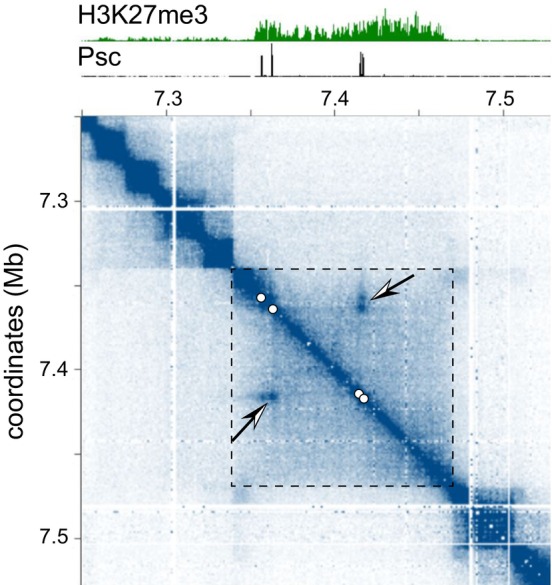 Figure 4
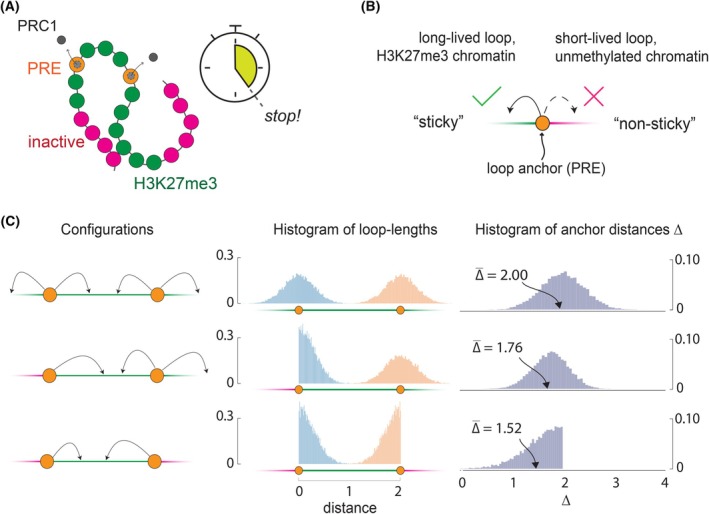 Figure 5
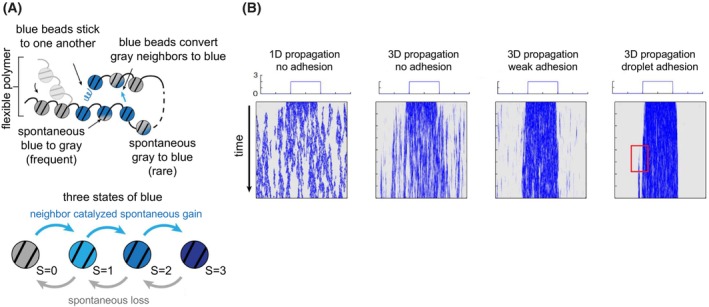 Figure 6
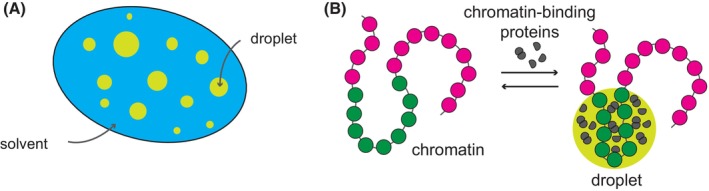 Figure 7
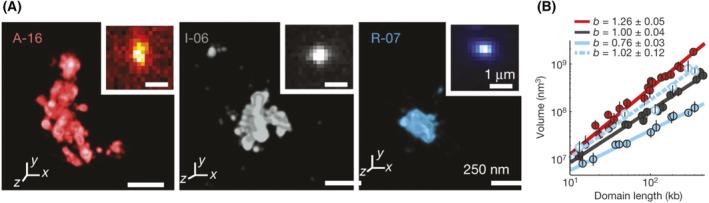 Figure 8
Peer Reviews
No public reviews on file for this paper yet. If you reviewed it on a platform where reviews are public (OpenReview, ICLR, NeurIPS, ICML), you can paste yours below so the community can read it here.
Videos
No videos yet. Explain this paper in a talk, walkthrough, or lecture? Add one.
Taxonomy
TopicsEpigenetics and DNA Methylation · Genomics and Chromatin Dynamics · RNA modifications and cancer