Propionibacterium acnes evades microbicidal phagocytosis by inhibiting the mitochondrial biogenesis of nucleus pulposus cells
Lemeng Ren, Changwei Li, Juntao Sun, Yuehuan Zheng, Yucheng Jiao, Jiancheng Zheng, Fangke Zhang, Yazhou Lin, Wenjian Wu, Peng Cao

TL;DR
This study reveals how Propionibacterium acnes evades destruction by nucleus pulposus cells, leading to chronic intervertebral disc degeneration.
Contribution
The study identifies a novel mechanism by which P. acnes inhibits mitochondrial biogenesis in nucleus pulposus cells to avoid elimination.
Findings
P. acnes inhibits mitochondrial biogenesis in nucleus pulposus cells via the AMPK/SIRT-1/PGC-1α pathway.
Impaired mitochondria fail to produce enough ATP and reactive oxygen species to kill P. acnes.
This evasion mechanism leads to persistent colonization and chronic intervertebral disc degeneration.
Abstract
Although an increasing number of investigators confirm the latent infection of Propionibacterium acnes in degenerated nucleus pulposus tissue, the molecular mechanism by which P. acnes evades being eliminated and establishes persistent colonization in the nucleus pulposus (NP) tissue remains unknown. In this study, we ascertained that despite the resistance by nucleus pulposus cells (NPCs) to the invasion of P. acnes through microbicidal phagocytosis, P. acnes is able to nevertheless promote its long‐term colonization by inhibiting the sustained bactericidal capability of NPCs. This allows P. acnes to reside in intervertebral discs for an extended period, ultimately inducing chronic infectious intervertebral disc degeneration (IVDD). Mechanistically, P. acnes impairs the mitochondrial biogenesis of NPCs through the AMPK/SIRT‐1/PGC‐1α signaling pathway. This results in impaired…
Genes, proteins, chemicals, diseases, species, mutations and cell lines named across the full text — each resolved to its canonical identifier and authoritative record.
Click any figure to enlarge with its caption.
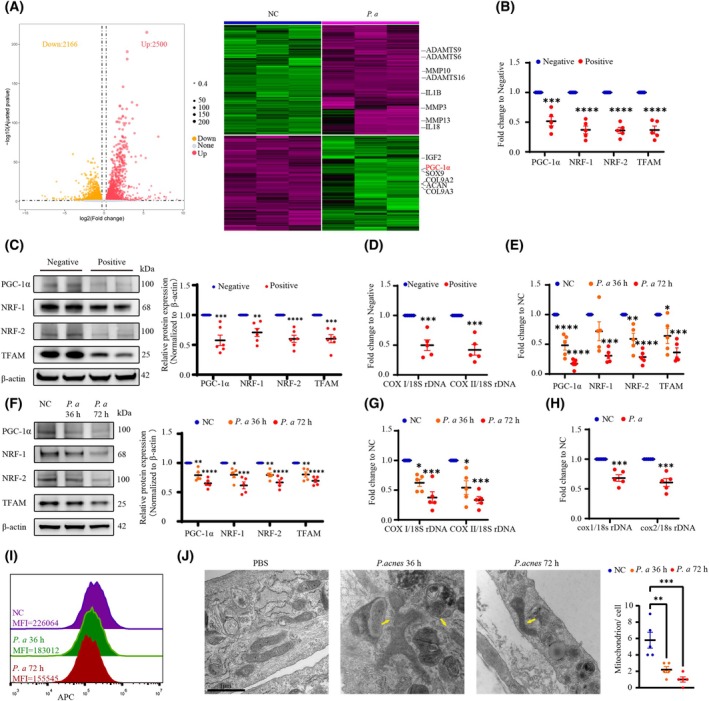 Figure 1
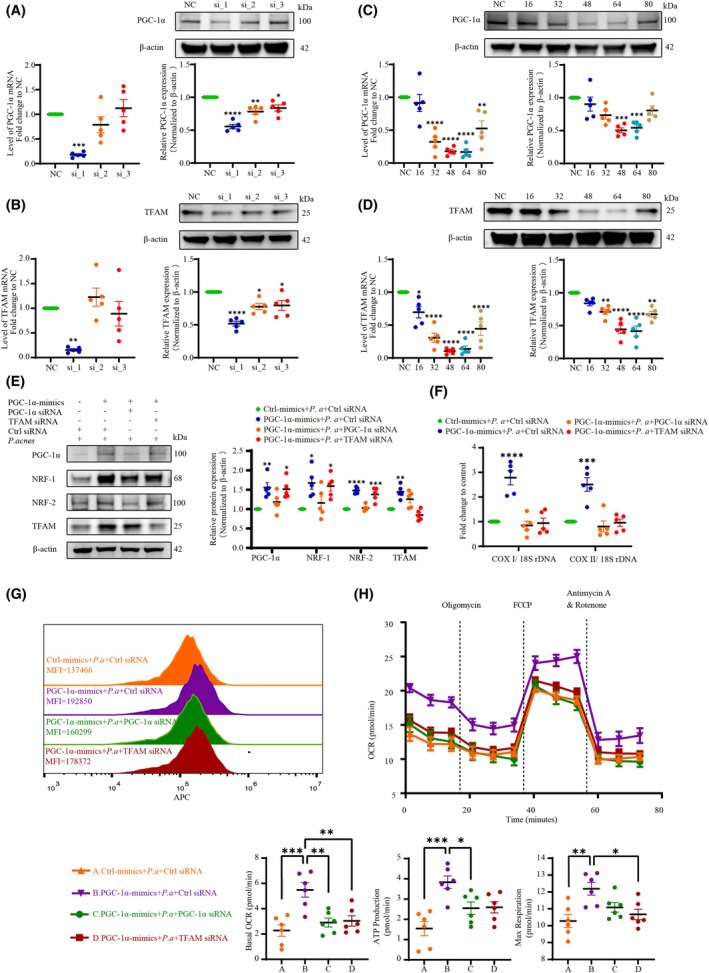 Figure 2
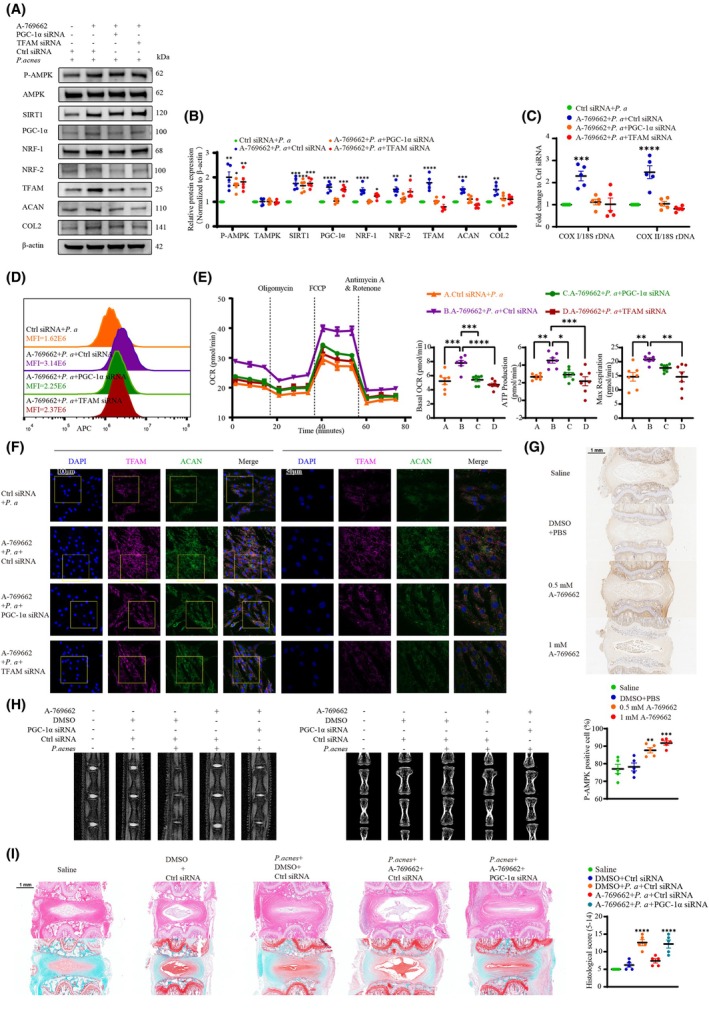 Figure 3
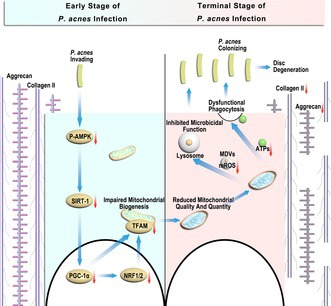 Figure 4
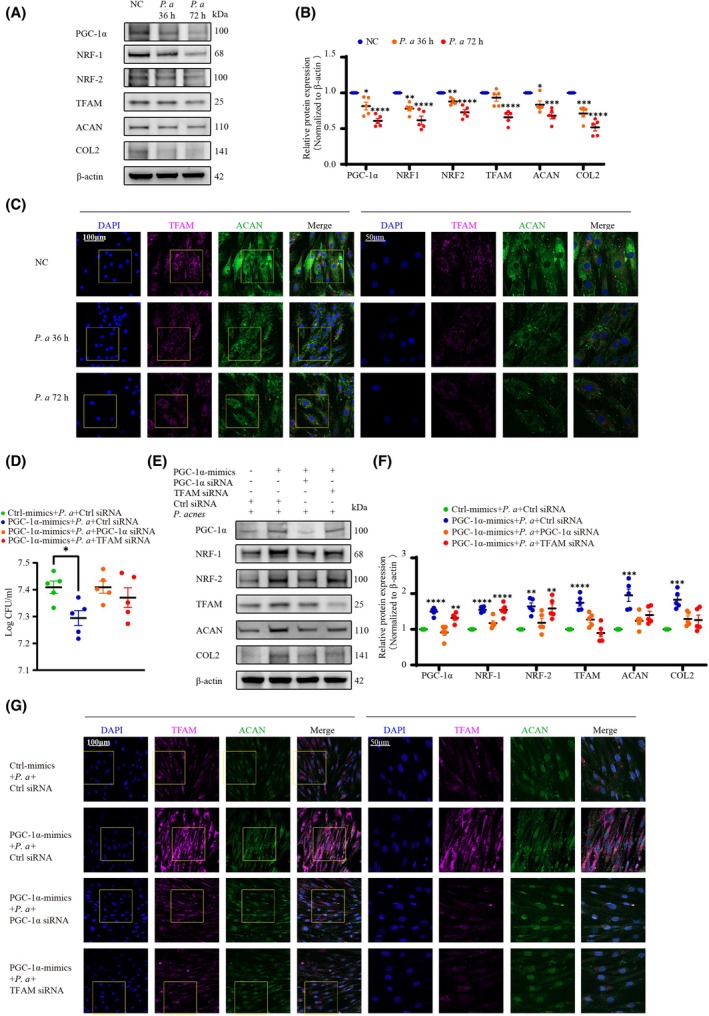 Figure 5
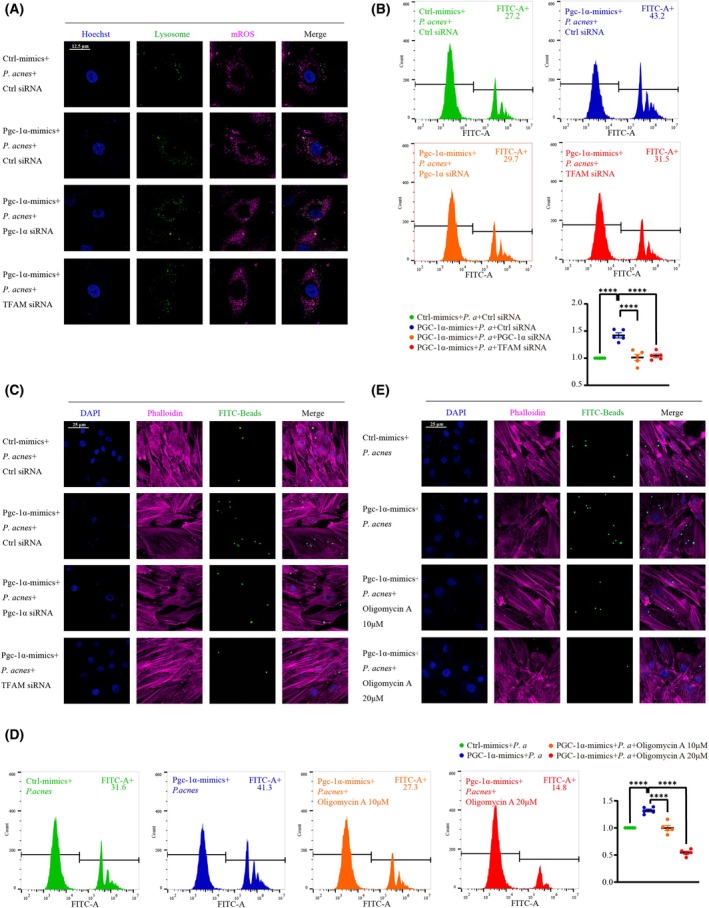 Figure 6
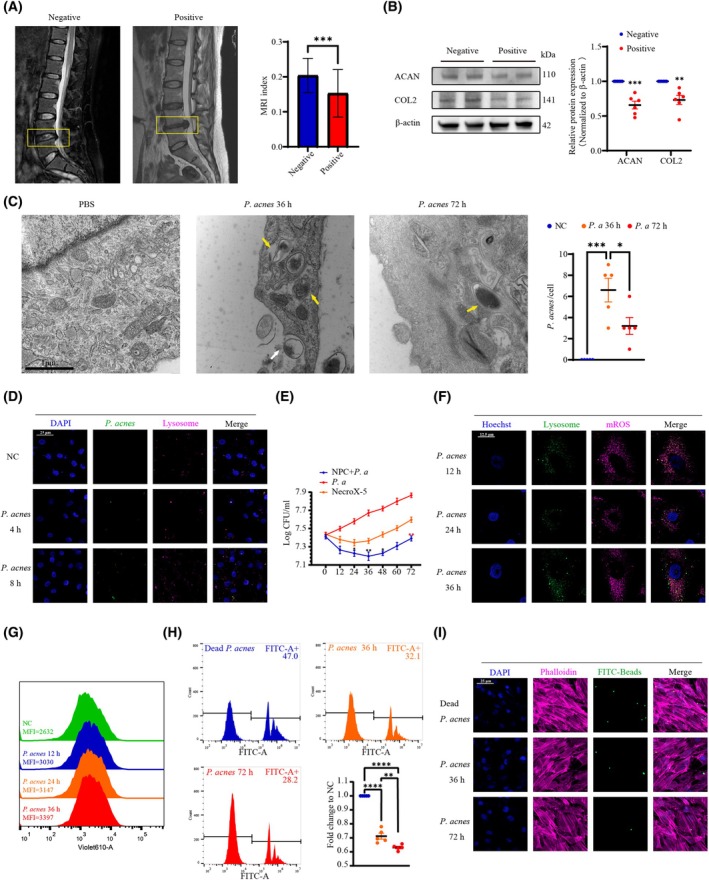 Figure 7
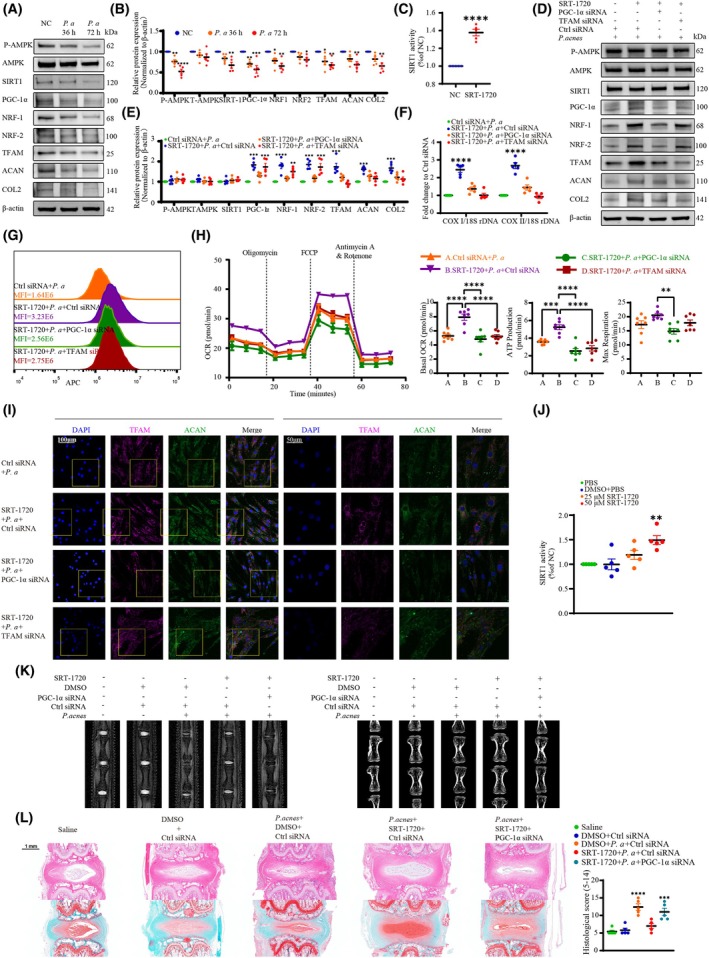 Figure 8
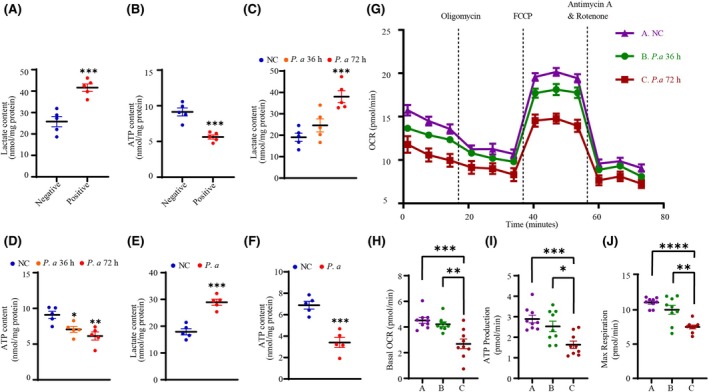 Figure 9
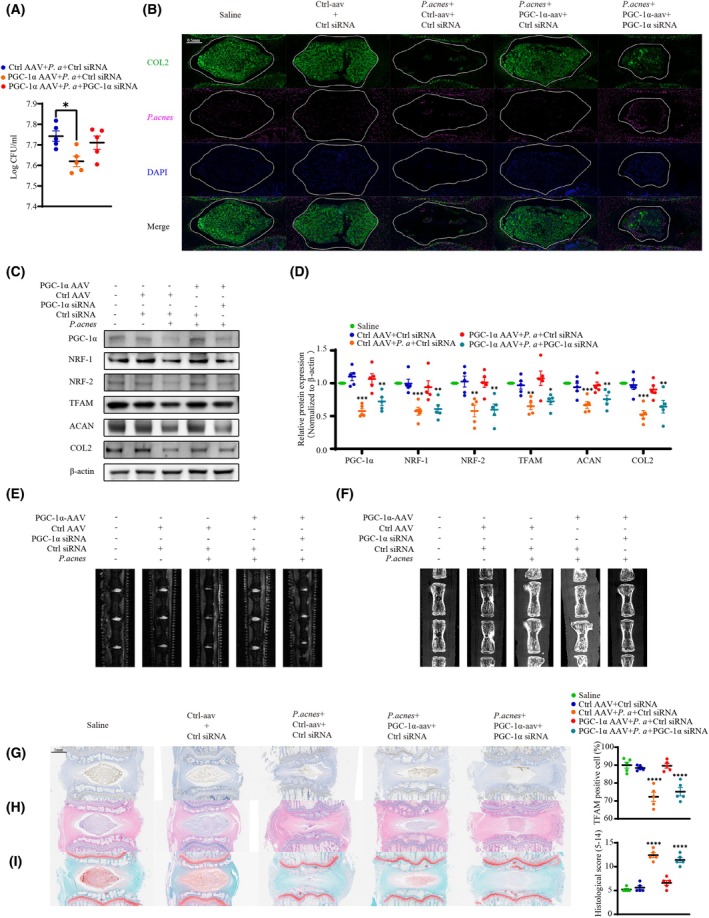 Figure 10
Peer Reviews
No public reviews on file for this paper yet. If you reviewed it on a platform where reviews are public (OpenReview, ICLR, NeurIPS, ICML), you can paste yours below so the community can read it here.
Videos
No videos yet. Explain this paper in a talk, walkthrough, or lecture? Add one.
Taxonomy
TopicsPharmacological Effects of Natural Compounds · Botulinum Toxin and Related Neurological Disorders · Plant Toxicity and Pharmacological Properties