Comparison of Two Posterior Minimally Invasive Approaches for Odontoid Fractures: Midline Nuchal Ligament Approach vs. Paramedian Muscle‐Splitting Approach
Youcai Qiu, Liang Wang, Yijin Wang, Yang Li, Xuhua Lu

TL;DR
This study compares two minimally invasive surgical approaches for odontoid fractures and finds that one offers similar results with fewer complications.
Contribution
The study provides comparative anatomical and clinical data on two posterior minimally invasive approaches for odontoid fractures.
Findings
The midline nuchal ligament approach (MNLA) had shorter operation times and less blood loss compared to the paramedian muscle-splitting approach (PMSA).
The MNLA caused less edema in cervical posterior muscles and reduced iatrogenic damage to the greater occipital nerve.
Both approaches achieved successful fracture healing and similar patient satisfaction and functional outcomes.
Abstract
The posterior minimally invasive approaches for odontoid fractures include the midline nuchal ligament approach (MNLA) and the paramedian muscle‐splitting approach (PMSA). However comparative data on their anatomical characteristics and clinical efficacy remain scarce to date. The objective of this study is to determine the differences in anatomy and clinical outcomes between the MNLA and the PMSA for reduction and temporary internal fixation of odontoid fractures. This retrospective analysis focused on 31 patients with odontoid fractures from February 2021 to December 2023. Among them,16 patients underwent PMSA and 15 patients underwent MNLA. Various parameters were compared between the two groups, including operation time, intraoperative blood loss, postoperative complications, edema rates of cervical posterior muscles, the range of motion in rotation of C1–C2, patient satisfaction,…
Genes, proteins, chemicals, diseases, species, mutations and cell lines named across the full text — each resolved to its canonical identifier and authoritative record.
Click any figure to enlarge with its caption.
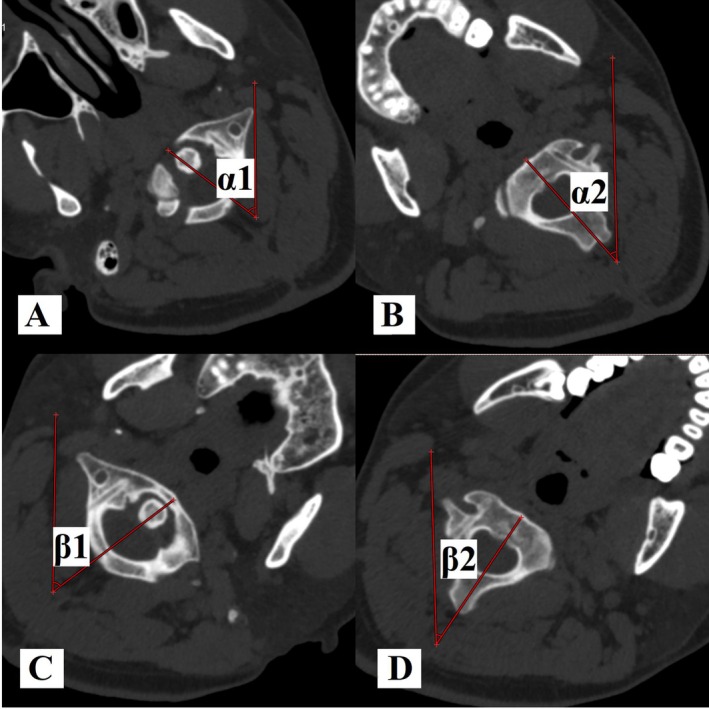 Figure 1
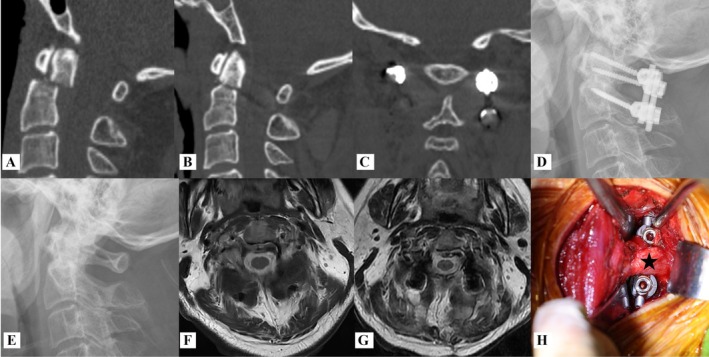 Figure 2
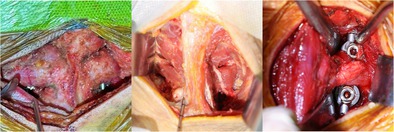 Figure 3
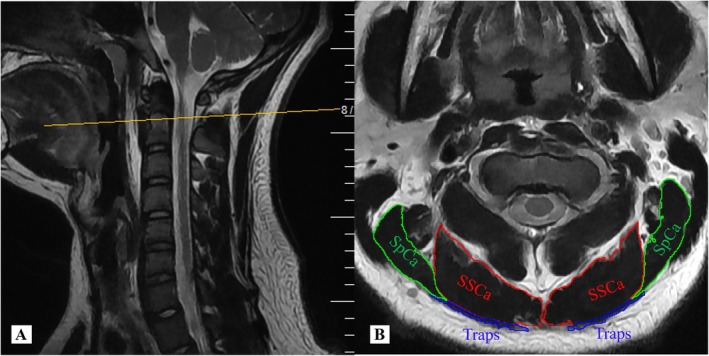 Figure 4
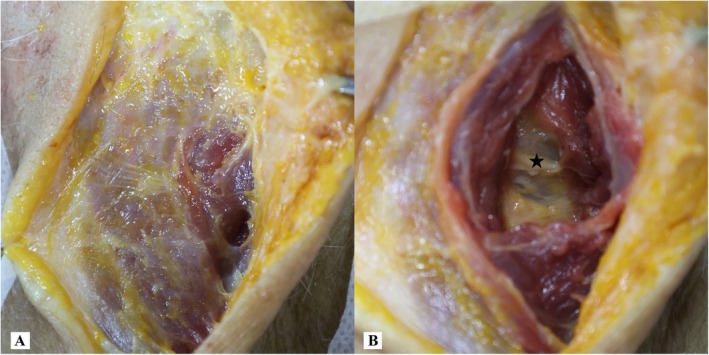 Figure 5
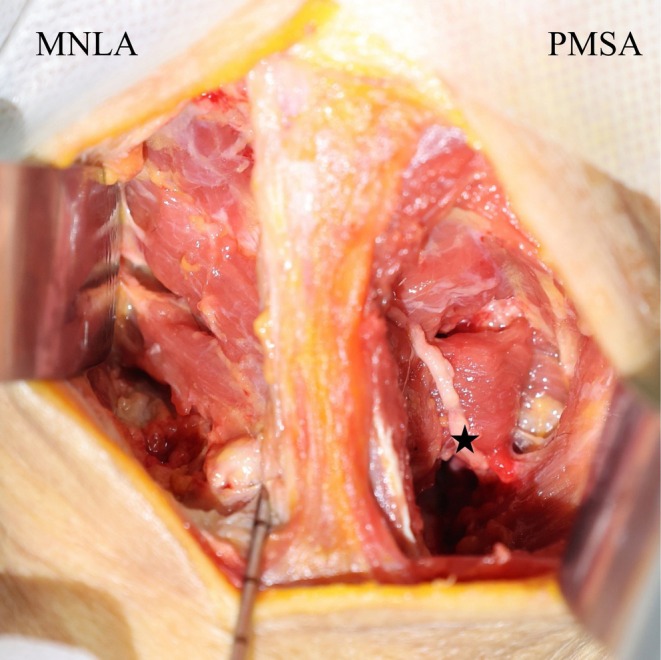 Figure 6
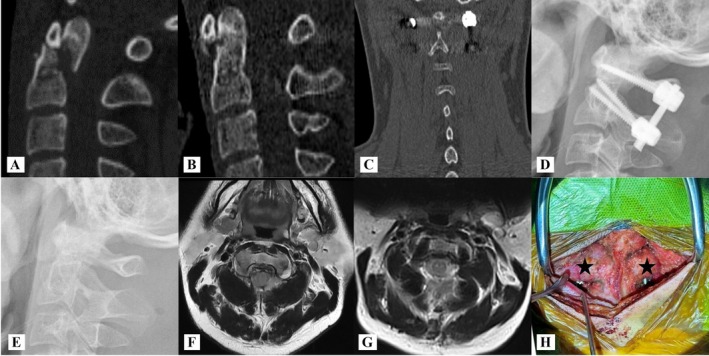 Figure 7
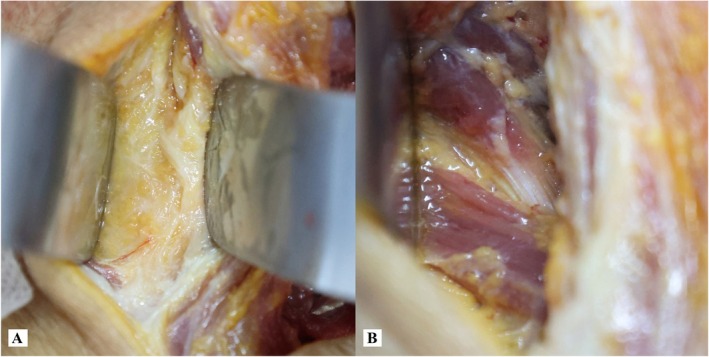 Figure 8
Peer Reviews
No public reviews on file for this paper yet. If you reviewed it on a platform where reviews are public (OpenReview, ICLR, NeurIPS, ICML), you can paste yours below so the community can read it here.
Videos
No videos yet. Explain this paper in a talk, walkthrough, or lecture? Add one.
Taxonomy
TopicsSpinal Fractures and Fixation Techniques · Cervical and Thoracic Myelopathy · Facial Trauma and Fracture Management