The role of cytosine modification symmetry in mammalian epigenome regulation
Zeyneb Vildan Cakil, Lena Engelhard, Daniel Summerer

TL;DR
This paper explores how different combinations of cytosine modifications in DNA affect genome regulation and chromatin interactions.
Contribution
The paper reviews recent advances in understanding the functional roles of symmetric and asymmetric cytosine modifications in CpG dyads.
Findings
Cytosine modifications in CpG dyads create unique DNA signatures influencing chromatin regulation.
Technical progress allows better sequencing and mapping of individual CpG dyad states.
Understanding these modifications could improve insights into development and disease mechanisms.
Abstract
5-Methylcytosine (mC) is a key regulatory element of mammalian genomes, and plays important roles in development and disease. mC is predominantly written onto CpG dyads by DNA methyltransferases, and can be further oxidized by ten-eleven translocation dioxygenases (TETs) to 5-hydroxymethyl-, 5-formyl-, and 5-carboxylcytosine. This process results in different symmetric and asymmetric combinations of cytosine forms across the two strands of CpGs, each of which represents a unique physicochemical signature in the major groove of DNA. A comprehensive understanding of the individual functions of oxidized mC modifications can therefore only be achieved by considering both strands of CpG dyads. Here, we provide a brief overview of the current state of knowledge on the sequencing and mapping of individual CpG dyad states, their influence on the intrinsic properties of DNA, and their…
Genes, proteins, chemicals, diseases, species, mutations and cell lines named across the full text — each resolved to its canonical identifier and authoritative record.
Click any figure to enlarge with its caption.
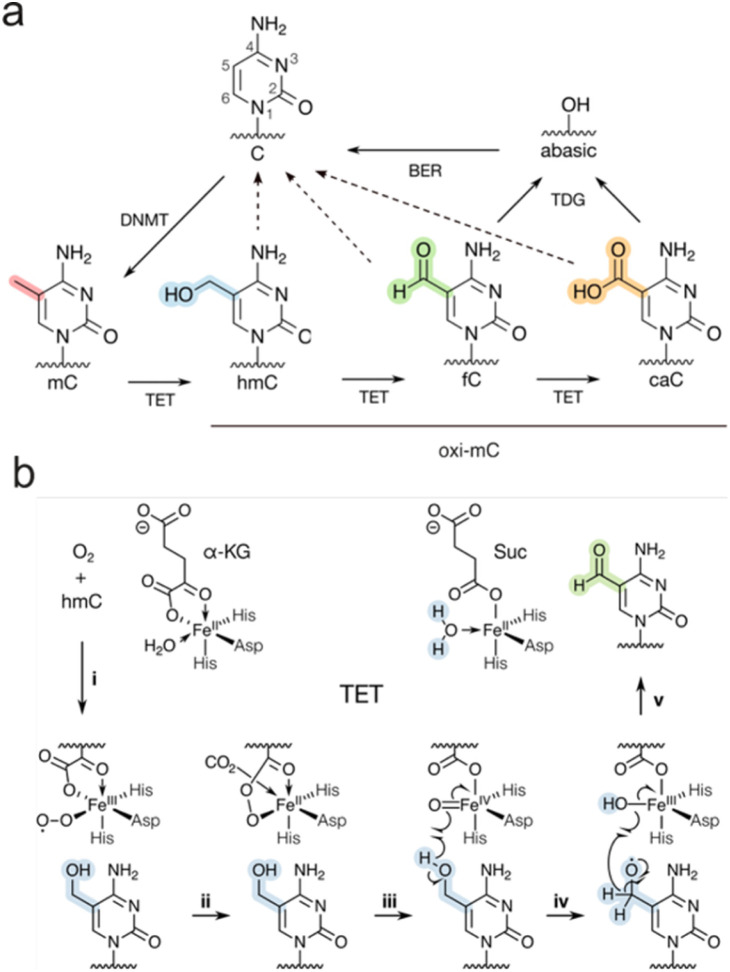 Figure 1
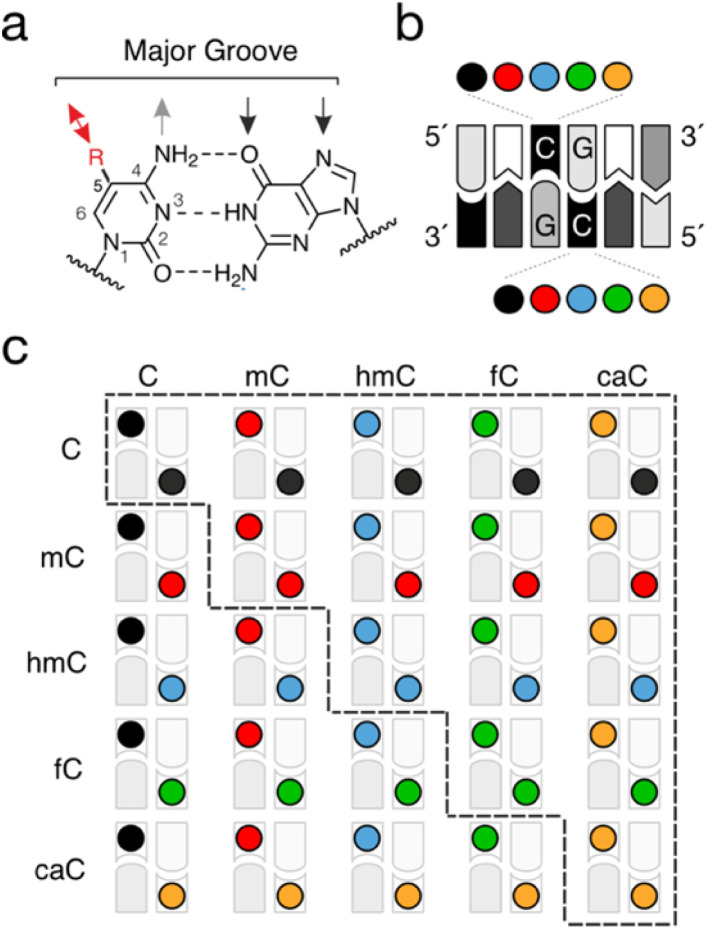 Figure 2
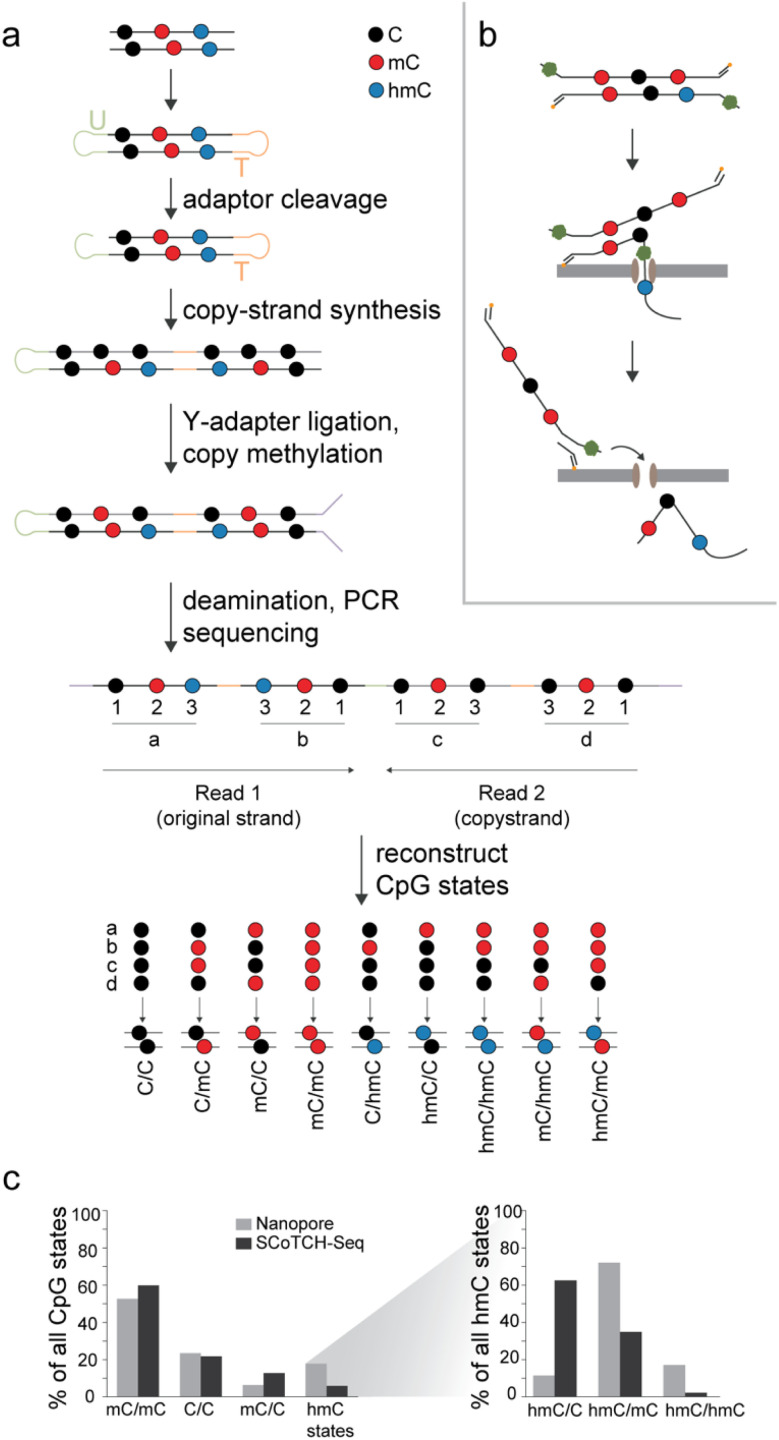 Figure 3
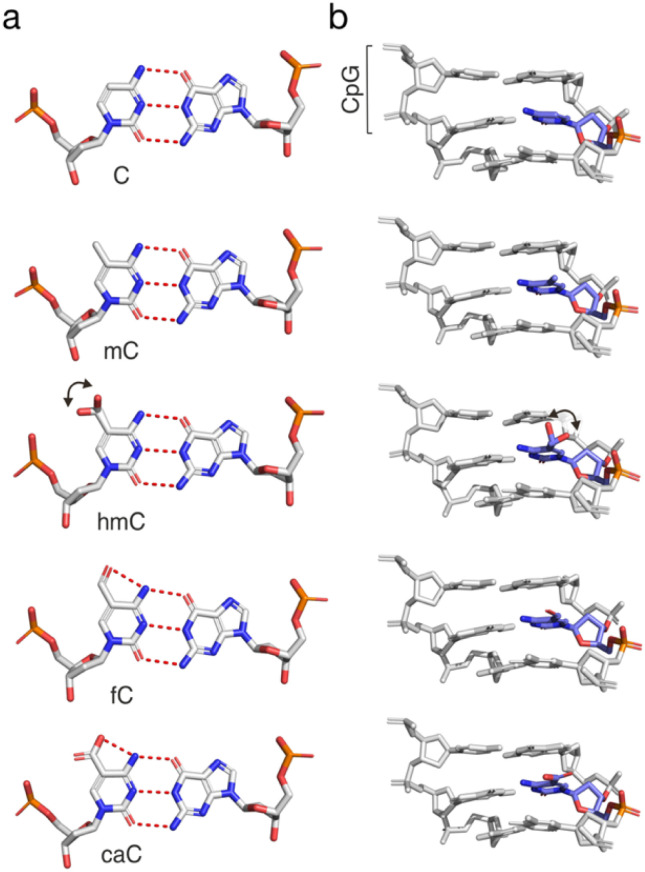 Figure 4
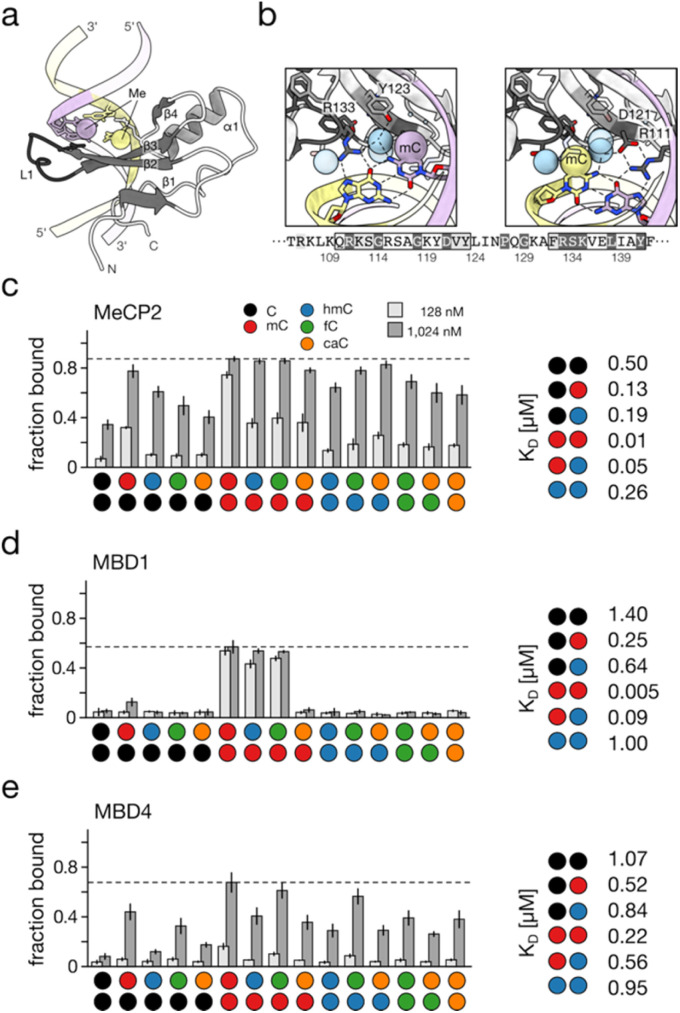 Figure 5
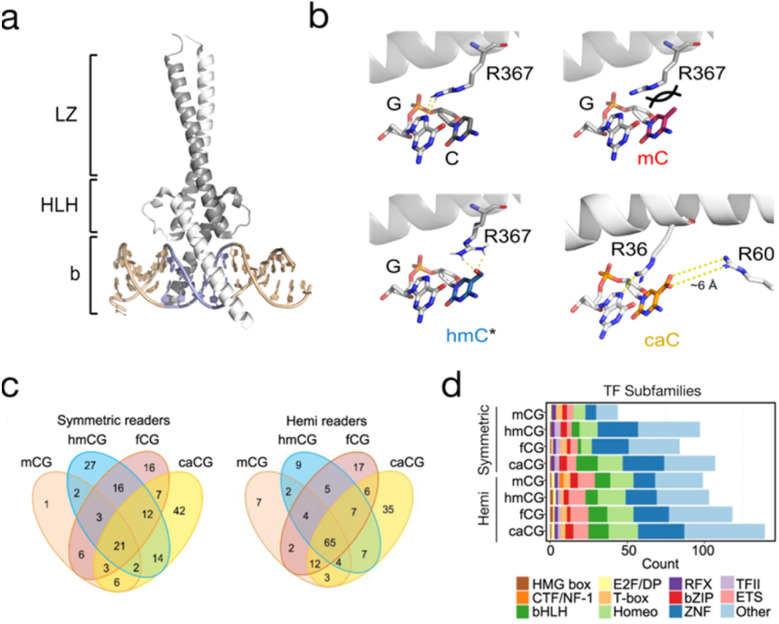 Figure 6
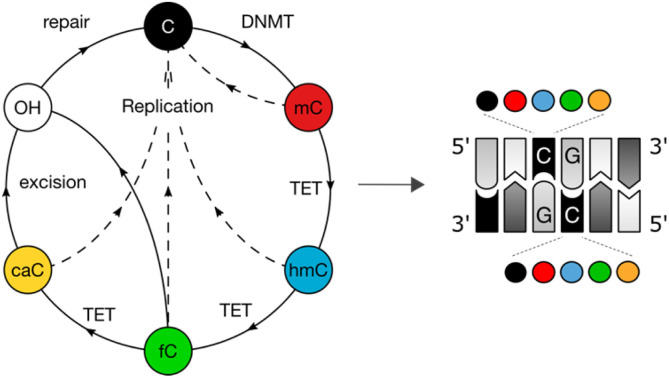 Figure 7
 Figure 8
 Figure 9
 Figure 10
Peer Reviews
No public reviews on file for this paper yet. If you reviewed it on a platform where reviews are public (OpenReview, ICLR, NeurIPS, ICML), you can paste yours below so the community can read it here.
Videos
No videos yet. Explain this paper in a talk, walkthrough, or lecture? Add one.
Taxonomy
TopicsEpigenetics and DNA Methylation · Cancer-related gene regulation · Genomics and Chromatin Dynamics