A Case Report of Severe Bromadiolone Poisoning: Blood Toxicology Levels and Correlation to Clinical Toxicity
Man Ching Patrick Kong, Elizabeth Ming Jing Tan, R Ponampalam, Yi Ju Yao

TL;DR
A family in Singapore experienced severe poisoning from bromadiolone, a rodenticide, leading to life-threatening bleeding and requiring intensive treatment.
Contribution
This case report provides insights into bromadiolone poisoning diagnosis and treatment in a low-incidence region.
Findings
Bromadiolone levels in blood (up to 450 ng/mL) correlated with severe coagulopathy and clinical toxicity.
Early recognition and vitamin K therapy were critical for recovery in this poisoning cluster.
Blood testing is more effective than urine testing for bromadiolone due to its lipophilic nature and long half-life.
Abstract
Bromadiolone is a long-acting anticoagulant rodenticide (“superwarfarin”) that can cause severe, prolonged coagulopathy. Its occurrence in Singapore is rare, with limited reported cases. We report a toxic cluster involving three household members with confirmed bromadiolone poisoning. The index patient, a 49-year-old woman, presented with abdominal pain, hematuria, and hemoperitoneum secondary to a ruptured corpus luteal cyst. Laboratory tests revealed profound coagulopathy (prothrombin time (PT) >180 s, international normalized ratio (INR) unmeasurable) with warfarin-like factor deficiencies. Serum bromadiolone level was 150 ng/mL; the other two household members had levels of 250 ng/mL and 450 ng/mL, respectively. The patient underwent surgical intervention, received intravenous vitamin K every six hours, blood product transfusions, and supportive therapy. She recovered fully after 10…
Genes, proteins, chemicals, diseases, species, mutations and cell lines named across the full text — each resolved to its canonical identifier and authoritative record.
Click any figure to enlarge with its caption.
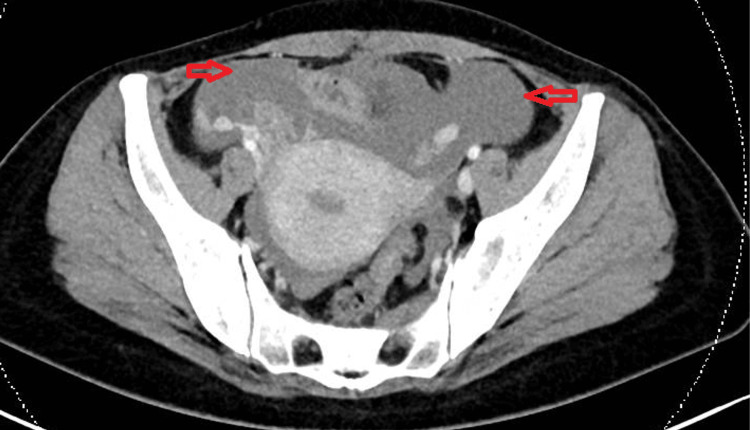 Figure 1
| Test | Result | Reference range |
| Hemoglobin (g/dL) | 6.6 | 12.0-16.0 |
| Hematocrit (%) | 20.4 | 36.0-46.0 |
| White blood cell count (x 109/L) | 8.22 | 4.00-10.00 |
| Albumin, serum (g/L) | 39 | 35-50 |
| Total bilirubin, serum (µmol/L) | 7 | 3-21 |
| Alkaline phosphatase, serum (U/L) | 63 | 35-104 |
| Alanine transaminase, serum (U/L) | 18 | <=35 |
| Aspartate transaminase, serum (U/L) | 18 | <=35 |
| Platelet count (x 109/L) | 224 | 140-400 |
| Prothrombin time (s) | >180 | 9.6-11.9 |
| Activated partial thromboplastin time (s) | 88 | 24.4-35.2 |
| Prothrombin assay (%) | 22 | 80-160 |
| Factor V assay (%) | 133 | 70-170 |
| Factor VII assay (%) | 13 | 40-180 |
| Factor VIII assay (%) | 398 | 5-200 |
| Factor IX assay (%) | 10 | 40-200 |
| Factor X assay (%) | 21 | 60-160 |
| Factor XI assay (%) | 116 | 70-200 |
| Factor XII assay (%) | 73 | 30-200 |
| Case | Bromadiolone level (ng/mL) |
| Case 1 | 150 |
| Case 2 | 250 |
| case 3 | 450 |
Peer Reviews
No public reviews on file for this paper yet. If you reviewed it on a platform where reviews are public (OpenReview, ICLR, NeurIPS, ICML), you can paste yours below so the community can read it here.
Videos
No videos yet. Explain this paper in a talk, walkthrough, or lecture? Add one.
Taxonomy
TopicsAnimal Ecology and Behavior Studies · Poisoning and overdose treatments · Vitamin K Research Studies
Introduction
Bromadiolone is regarded as one of the superwarfarins that can lead to life-threatening coagulopathy. Superwarfarins are long-acting, vitamin K antagonist anticoagulant rodenticides that are very potent to induce coagulopathy and have very long half-lives [1]. Superwarfarin poisoning is relatively uncommon in Singapore locally, and we present a case of bromadiolone poisoning that presented to our emergency department (ED) with coagulopathy and intra-abdominal bleeding. Two other teenage household members were presented to another Children’s ED with bleeding diatheses and subsequently confirmed to have bromadiolone poisoning, forming a toxic cluster [2]. We present the serum bromadiolone levels for this cluster and review the literature on its clinical correlation. This cluster could raise physicians’ awareness to consider toxicology cause in patients with similar presentations. The bromadiolone levels in this cluster could help predict the clinical course and prognosis and guide management in future cases.
The case has been presented as an abstract poster in the 22nd Scientific Congress of The Asia Pacific Association of Toxicology (APAMT 2024) .
Case presentation
A 49-year-old Chinese woman presented to the EDs with a four-day history of constant abdominal pain, associated with non-bloody vomiting and diarrhea, and persistent gross hematuria. The patient had no past medical history and no past records suggestive of any bleeding diathesis. On examination, she was afebrile, with a heart rate of 103 beats per minute, borderline blood pressure of 88/57 mmHg, a respiratory rate of 23 breaths per minute, and saturation of 100% on room air. She had pallor, with abdominal tenderness over her right iliac fossa region, without guarding or rebound. Point-of-care ultrasound of the abdomen showed free fluid. Her blood investigations showed anemia with a normal platelet count, but with profound coagulopathy (Table 1). Urinalysis showed RBC >2250/uL, WBC 2160/uL, epithelial cells 180/uL, and nitrite negative. Subsequent factor assays revealed warfarin-like deficiency with markedly reduced levels of factor II, VII, IX, and X. Computed tomography of the abdomen and pelvis (CTAP) was done in the ED and showed large-volume hemoperitoneum, with the likely source being a ruptured right corpus luteal cyst (Figure 1).
CT abdomen and pelvis of the patient showing large amount of hemoperitoneum (red arrows). The CT scan was performed at around two hours after the initial presentation.
Due to the largely abnormal coagulation profile and the bleeding source from a gynecological origin, the patient was transferred to a tertiary hospital with hematology and gynecology support. Prior to transfer, the patient received one unit of red blood cells and one unit of fresh frozen plasma.
After the hospital transfer, further history revealed that two other household members also presented to another local hospital for abnormal bleeding [2]. Case 2 was a 19-year-old female with worsening abdominal pain for four days and one day of gross hematuria, with hemodynamic instability (heart rate of 135 beats/minute, blood pressure of 81/56 mmHg), with a deranged coagulation profile of hemoglobin 4.7 g/dL, platelet count 200 x 10^9^/L, activated partial thromboplastin time (APTT) 109.4 seconds, and prothrombin time (PT) >120 seconds. Computed tomography showed a ruptured left ovarian cyst with extensive hemoperitoneum. Case 3 was a 9-year-old boy who presented with a four-day history of frequent epistaxis, with stable hemodynamics. His blood investigations showed hemoglobin 9.8 g/dL, platelets 275 x 10^9^/L, APTT 75.2 seconds, and PT >120 seconds. As the cases were all related and suffered similar coagulopathic issues, a common source of poisoning was suspected. Blood toxicology confirmed all three patients had bromadiolone poisoning (Table 2). Cases were reported to the local Health Sciences Authority (HSA).
Our patient underwent diagnostic laparoscopy, right cystectomy, and peritoneal washout around 20 hours after admission. Prior to the surgery, the patient received fresh frozen plasma 15 ml/kg, cryoprecipitate 10 units, and intravenous (IV) vitamin K 10 mg before coagulopathy was deemed sufficiently corrected for the procedure. During the course of her hospital stay, she received ongoing supportive treatment with blood product transfusions, IV vitamin K, and B12/folate and iron replacement. Postoperatively, the patient was first continued with IV vitamin K 15 mg every six hours. As international normalized ratio (INR) monitoring was persistently less than 1.4 for five days, vitamin K was administered orally 20 mg two times a day on postoperative day 6 and tapered down to oral vitamin K 10 mg two times a day for three weeks upon discharge. The patient was admitted to the hospital for a total of 10 days and was discharged well. After discharge, she was on an ongoing tapering dose of oral vitamin K, with 10 mg two times a day for three weeks, then 10 mg per day for two weeks, and then 5 mg per day for two weeks. Cases 2 (19-year-old female) and 3 (9-year-old boy) were also discharged well with oral vitamin K after hospital stays of 13 days and eight days, respectively (detailed management for Cases 2 and 3 was described by Tan et al. [2]).
Follow-up laboratory tests of case 1 two weeks after discharge showed a normal coagulation profile with a platelet count of 199 x 10^9^/L, INR 1.01, and PT 10.6 seconds. The latest laboratory test results before the patient was lost to follow-up, which were around two months after initial presentation, showed a platelet count of 242 x 10^9^/L, PT 10.5 seconds, and INR 1.0.
Discussion
This case series illustrates the challenges in diagnosis and management of superwarfarin poisoning without a clear exposure history [1,3,4,5], which could potentially lead to delayed diagnosis and suboptimal treatment. Superwarfarin poisoning is uncommon in Singapore, with the only reported case locally being the two patients in this cluster [2].
A systematic approach to investigate coagulopathic patients with considerations to exclude potential toxins should be utilized. This was readily achieved, and the blood specimens were sent to the toxicology laboratory with confirmation of bromadiolone. This allows for treatment planning, anticipating the course of the poisoning with an appropriate regimen using vitamin K and blood products, and regular monitoring of INR. Surgical interventions were planned strategically to reduce the risks of ongoing bleeding and postoperative bleeding complications.
Specific toxicology screening request for superwarfarins revealed bromadiolone. Further quantitation by liquid chromatography with Orbitrap mass spectrometry gave bromadiolone levels of 150 ng/ml; the other two related cases had bromadiolone levels of 250 ng/ml and 450 ng/ml, respectively. Similar or higher levels (239-750 ng/ml) were reported in the blood/serum samples of a number of bromadiolone-exposed patients who all survived after treatment [6-9]. Literature review has shown that consumption of 0.17 mg/kg of bromadiolone could cause toxicity [10]. In addition, serum bromadiolone levels as low as 117 ng/mL could cause toxicity [11]. There is no documented lethal dose for humans, while the LD50 for rodents and non-rodents was found to be 1-3 mg/kg [12]. Serum bromadiolone level less than 10 ng/mL was found to have a normal coagulation profile [10]. However, there were cases reported to be symptomatic and have deranged coagulation profiles (INR 1.55 to unclotted) with much lower serum bromadiolone level (3.9 to 74.5 ng/mL) in the condition of accidental recurrent consumption [13]. Rat baits with 0.005% bromadiolone are available in Singapore for rodent control, and the possibility of accidental or intentional poisoning cannot be ruled out. In the event of suspected bromadiolone poisoning, blood is the preferred specimen over urine for toxicology screening due to its high lipophilicity and long elimination half-life (three to six days in the early phase and 10-24 days in the later phase). Animal studies showed that bromadiolone is excreted in urine only in very small amounts [14].
The most important clinical features of superwarfarin poisoning are hemorrhages and a bleeding tendency [1]. Symptoms and signs include bleeding from the mucosa, gastrointestinal tract, genitourinary tract, hemoptysis, menorrhagia, and non-bleeding symptoms such as headache, abdominal pain, joint pain, and flank pain [1,3,15,16]. Interestingly, co-existing thrombosis and bleeding have been reported [17,18]. Central nervous system effects have also been reported [7,19]. PT and INR are the investigations of choice to identify the coagulopathy caused by superwarfarin [20]; to confirm superwarfarin poisoning, quantitative analysis of superwarfarins is the test of choice [1,10]. In the case we presented, albeit rare in the local context, there was suspicion of superwarfarin poisoning due to the similar presentation of bleeding diatheses for all patients who lived in the same household. With the largely deranged PT and INR, the patients were supported with red blood cells and fresh frozen plasma transfusions before the tertiary hospital transfer. For rapid correction of severe coagulopathy from vitamin K antagonism, both FFP and four-factor prothrombin complex concentrate (4-factor PCC) have been suggested [1,15]. There were no studies with direct comparison of both blood products’ effectiveness, but in a randomized trial, Goldstein et al. found that, combined with vitamin K1, rapid INR reduction was achieved in 55% of patients in the four-factor PCC group, compared to 10% of patients in the FFP plus vitamin K1 group [21].
The treatment of superwarfarin poisoning includes vitamin K1 therapy and rapid correction of coagulopathy [1,15,22]. GI decontamination and multi-dose activated charcoal were found to be unsuccessful [14,23,24]. The optimal frequency of vitamin K1 administration was suggested to be every six to hours [25]. Our patient received IV vitamin K every 6 hours, with adjuncts of blood product, folate/B12, and iron replacement. Surgical intervention was also employed very early (within 24 hours) for bleeding control.
On discharge, our patients were put on a tapering dose of vitamin K therapy with regular hematology clinic follow-up with PT/INR monitoring. Currently, there are no established guidelines for the stopping of vitamin K therapy after known superwarfarin poisoning. It is noted that termination of vitamin K therapy based on normal PT/INR while the patient is still on vitamin K can be dangerous, with a study showing that patients who received vitamin K therapy could have normalized PT/INR but raised plasma long-acting anticoagulant rocenticide level upon hospital discharge [26-27]. While no established guidelines, many centers employ an approach of stopping vitamin K therapy followed by measurement of coagulation parameters at 48-72 hours for normalization [3].
Conclusions
Superwarfarin poisoning can be difficult to diagnose, especially in countries with low incidence. A high index of suspicion of poisoning should be considered in patients with abnormal bleeding and severely deranged coagulation profiles. Prompt confirmation with relevant toxicology testing aids risk assessment and strategic planning of therapeutic interventions. Situational awareness and early recognition of such poisoning clusters should trigger an immediate public health response, searching for potential sources of contamination by activation of the relevant authorities to investigate and mitigate a possible public health hazard.
The reference list from the paper itself. Each links out to its DOI / PubMed record.
- 1Rodenticide poisoning in a family of three in Singapore Singapore Med J Tan DJ Wong EC Yahaya Z Yim CF 2024 https://pmc.ncbi.nlm.nih.gov/articles/PMC 6892705/10.4103/singaporemedj.SMJ-2024-09239498524 · doi ↗ · pubmed ↗
- 2Superwarfarin (long-acting anticoagulant rodenticides) poisoning: from pathophysiology to laboratory-guided clinical management Clin Biochem Rev Chong YK Mak TW 175185402019 https://journals.lww.com/smj/fulltext/9900/rodenticide_poisoning_in_a_family_of_three_in.165.aspx 3185773910.33176/AACB-19-00029 PMC 6892705 · doi ↗ · pubmed ↗
- 3Superwarfarin intoxication: hematuria is a major clinical manifestation Int J Hematol Wu YF Chang CS Chung CY Lin HY Wang CC Shen MC 1701739020091958821810.1007/s 12185-009-0374-6 · doi ↗ · pubmed ↗
- 4Retrospective study of the characteristics of anticoagulant-type rodenticide poisoning in Hong Kong J Med Toxicol Ng WY Ching CK Chong YK Ng SW Cheung WL Mak TW 2182281420182968722010.1007/s 13181-018-0660-x PMC 6097974 · doi ↗ · pubmed ↗
- 5Superwarfarin intoxication of unknown etiology accompanying hemoperitoneum in a patient on fluconazole therapy Ann Clin Lab Sci Kim SY Cho SY Lee HJ 300303402010 https://pubmed.ncbi.nlm.nih.gov/20689146/20689146 · pubmed ↗
- 6Acute bromadiolone intoxication J Anal Toxicol Grobosch T Angelow B Schönberg L Lampe D 2812863020061680366910.1093/jat/30.4.281 · doi ↗ · pubmed ↗
- 7Effects of bromadiolone poisoning on the central nervous system Neuropsychiatr Dis Treat Wang M Yang Y Hou Y Ma W Jia R Chen J 229723001320172891976110.2147/NDT.S 142375 PMC 5587214 · doi ↗ · pubmed ↗
- 8Lipid therapy for severe bromadiolone toxicity Clin Tox Bardsley CH Petzel R Kahn S Mc Mullin M 648482010