Improving Anticancer Activity of Doxorubicin by 4′-epi-Dehydroxyamination
Anna A. Griadunova, Nicholas L. Petrone, Madeleine S. Maker, Brian Pallares, Trevor Leung, Allison N. Shim, Ömer H. Yilmaz, Jacob M. Goldberg, Jonathan Braverman, Fang Wang

TL;DR
Scientists modified doxorubicin to create a new compound that is more effective against drug-resistant cancer cells.
Contribution
A novel synthetic modification of doxorubicin improves its anticancer activity by avoiding efflux pump resistance.
Findings
Doxorubamine shows improved activity against both drug-sensitive and resistant cancer cells.
Doxorubamine is a poor substrate of P-glycoprotein, making it effective against multidrug-resistant cancer.
The modification offers a new strategy to bypass efflux pump resistance in cancer treatment.
Abstract
Efflux pump-mediated multidrug resistance is a common mechanism by which cancer cells reduce the efficacy of a broad range of small-molecule therapeutics. We discovered that substituting the 4′-hydroxy group of doxorubicina known efflux pump substratewith an epi-amino group results in a new compound, doxorubamine, which exhibits substantially improved activity against drug-sensitive and -resistant cancer cells and organoids. Mechanistic studies reveal that doxorubamine is a poor substrate of P-glycoprotein, and it thus retains high potency against multidrug-resistant cancer. This synthetic modification provides a promising strategy for circumventing multidrug resistance beyond conventional approaches that rely on efflux pump inhibition.
Genes, proteins, chemicals, diseases, species, mutations and cell lines named across the full text — each resolved to its canonical identifier and authoritative record.
Click any figure to enlarge with its caption.
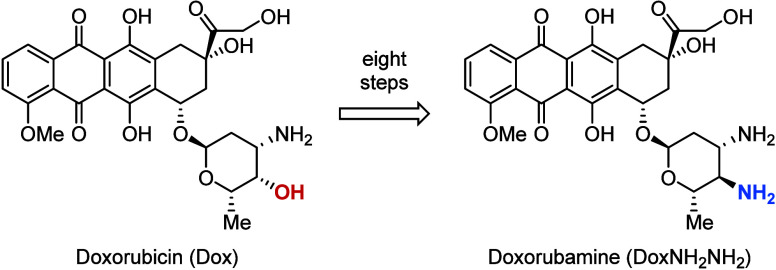 Figure 1
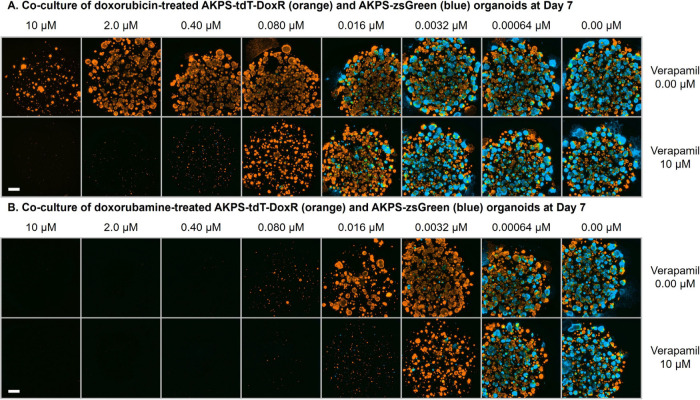 Figure 2
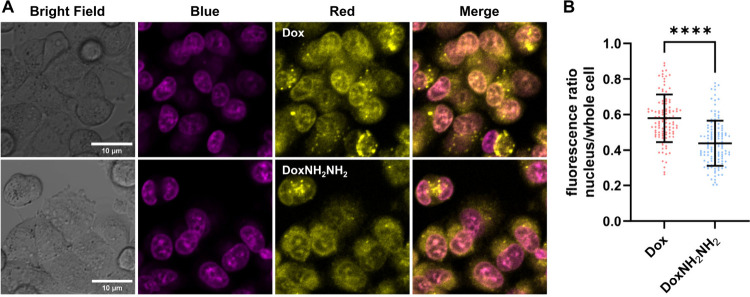 Figure 3
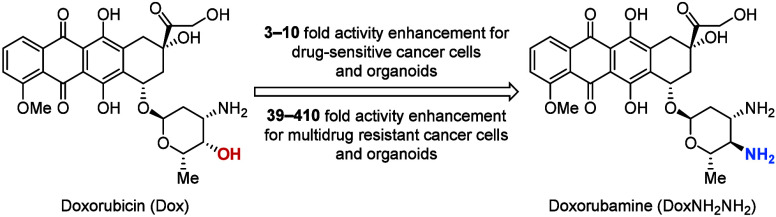 Figure 4
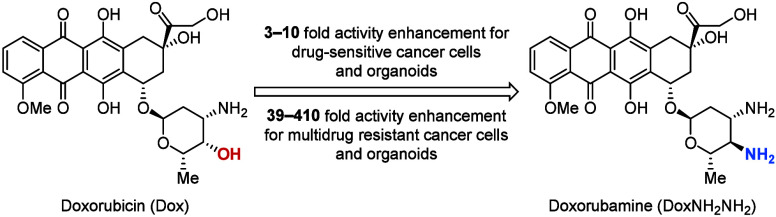 Figure 5
- —National Institute of General Medical Sciences10.13039/100000057
- —Rhode Island Life Science HubNA
Peer Reviews
No public reviews on file for this paper yet. If you reviewed it on a platform where reviews are public (OpenReview, ICLR, NeurIPS, ICML), you can paste yours below so the community can read it here.
Videos
No videos yet. Explain this paper in a talk, walkthrough, or lecture? Add one.
Taxonomy
TopicsDrug Transport and Resistance Mechanisms · Nanoparticle-Based Drug Delivery · ATP Synthase and ATPases Research
Drug resistance is a formidable barrier to effective cancer treatment. Among various mechanisms, multidrug resistance (MDR) is widely observed in vitro and is associated with the poor prognoses of different cancers. ?−? ? ? ? ? ? ? ? ? Extensive studies have shown that typical MDR is enabled by several ATP-binding cassette (ABC) transporters, including P-glycoprotein (P-gp), multidrug resistance-associated protein 1 (MRP1), and ATP-binding cassette superfamily G member 2 (ABCG2). ?,?,?,?,? The overexpression of these proteins, either as an intrinsic or acquired phenotype, leads to the undesired removal of a broad range of structurally unrelated small-molecule therapeutics from cancer cells, which reduces the efficacy of treatment. Conventional strategies for overcoming MDR primarily rely on inhibiting ABC transporters, thereby enhancing the retention of anticancer drugs by blocking efflux activity. This approach has led to the development of several generations of P-gp inhibitors with high in vitro activity. These inhibitors, however, confer limited clinical benefit or induce severe side effects. ?,?,?,? One problem arises from the need for inhibitors and anticancer drugs to act simultaneously in a particular tumor, thus requiring each agent to have similar pharmacokinetic profiles. Because nonmalignant tissues also express ABC transporters to clear endogenous and exogenous toxins, nonselective inhibition often causes adverse effects. Additional complications stem from the possible coexpression of multiple types of ABC transporters, which may require the use of several different inhibitors. These challenges underscore the need for new strategies to overcome MDR.
While studying transition metal-based agents for treating multidrug-resistant cancers,? we synthesized doxorubamine (DoxNH_2_NH_2_), the 4′-epi-dehydroxyaminated derivative of doxorubicin (Dox), which is a classic efflux pump substrate (Figure). ?,? We serendipitously discovered that doxorubamine efficiently killed drug-sensitive human ovarian cancer A2780 cells and the corresponding multidrug-resistant A2780ADR cell line.? Surprisingly, compared to various strategies to enhance the activity of anthracycline drugs, ?−? ? ? ? ? ? ? ? this relatively minor structural modification not only introduces a 10-fold increase in potency against A2780 cells but also enables doxorubamine to retain activity in efflux-high A2780ADR cells, which exhibit 410-fold resistance toward doxorubicin (Table, Entries 1 and 2, and Figure S5).
Prompted by these observations, we evaluated the anticancer activity of doxorubamine with additional drug-sensitive and -resistant cell line pairs. As shown in Table, compared to Dox, DoxNH_2_NH_2_ was six times more potent against drug-sensitive human uterine sarcoma MES-SA cells. More importantly, although multidrug-resistant MES-SA/Dx5 cells ?,? exhibited 15-fold resistance toward doxorubicin, DoxNH_2_NH_2_ completely abrogated drug resistance (Table, Entries 5 and 6, and Figure S5). Given the broad clinical use of anthracyclines in lymphoma treatment, we generated a drug-resistant lymphoma cell line, EL4-DoxR, by exposing the parental mouse T-cell lymphoma cell line, EL4, to increasing concentrations of doxorubicin, resulting in 115-fold resistance. In contrast, although DoxNH_2_NH_2_ displayed some cross-resistance toward EL4-DoxR, DoxNH_2_NH_2_ maintained high activity, with 3.3- and 39-fold higher potency than Dox against EL4 and EL4-DoxR lines, respectively (Table, Entries 9 and 10, and Figure S5). Overall, these results suggest that the 4′-epi-dehydroxyamination of doxorubicin enhances both the anticancer capacity and the ability to circumvent efflux-pump-mediated chemoresistance.
We investigated whether DoxNH_2_NH_2_ kills MDR cancer cells independently of efflux pump activity. We first treated drug-sensitive A2780 cells with a combination of anticancer agents and verapamil (10 μM), a widely used P-gp inhibitor. ?,?,? As expected, verapamil did not affect the cytotoxicity of either doxorubicin or doxorubamine (Table, entries 1 vs 3 and 2 vs 4, and Figure S5). In contrast, in drug-resistant A2780ADR cells, verapamil sensitized doxorubicin by 23-fold but showed little effect on the potency of doxorubamine, suggesting that doxorubamine is a poor P-gp substrate. Similar results were observed with the MES-SA and MES-SA/Dx5 cell line pairs – although efflux inhibition by verapamil substantially reversed resistance to doxorubicin, it exhibited negligible effects on the activity of doxorubamine. Subsequent tests on EL4 and EL4-DoxR cells revealed that verapamil alone reduced the viability of these cells, presumably because of off-target interactions, including inhibition of calcium transport (Figure S6).? We tested a more specific P-gp inhibitor, tariquidar (100 nM), in cotreatment studies. ?,? Under these conditions, a strong sensitization of approximately 80-fold was observed in EL4-DoxR cells treated with doxorubicin. Still, the resistance toward doxorubamine was reversed by only 14-fold, revealing the inefficient removal of doxorubamine by P-gp (Table, Entries 11 and 12, and Figure S5). Collectively, these findings indicate that DoxNH_2_NH_2_ overcomes MDR primarily because it is intrinsically a poor P-gp substrate.
Next, we assessed the activity of doxorubamine with genetically engineered mouse colorectal cancer organoids. Compared to conventional cell lines, these three-dimensional in vitro models are more physiologically relevant as they mimic the structure and function of in vivo tumors.? We specifically generated a model harboring mutations commonly found in colon cancer, including APC ^ –/– ^; KRAS ^ G12D ^; p53 ^ –/– ^; SMAD4 ^ –/– ^ (AKPS) organoids. These organoids were also engineered to express either tdTomato (tdT) or zsGreen (zsG) to facilitate fluorescence microscopy-based in vitro coculture studies. We derived the doxorubicin-resistant variants of these organoids, AKPS-tdT-DoxR, by repeatedly exposing them to increasing concentrations of doxorubicin. In coculture experiments, although AKPS-zsGreen organoids were effectively killed by doxorubicin, the AKPS-tdT-DoxR variant exhibited more than 1000-fold resistance to doxorubicin (FigureA, Table, Entry 1, and Figures S7–S11). In the presence of verapamil, the activity of doxorubicin against AKPS-tdT-DoxR was enhanced by 44-fold, suggesting that P-gp overexpression is the primary contributor to the observed drug resistance. In contrast, compared to doxorubicin, doxorubamine effectively killed both drug-sensitive and -resistant organoids, showing a 5-fold and more than 200-fold enhancement in potency, respectively (FigureB, Table, Entry 2, and Figures S7–S11). Moreover, DoxNH_2_NH_2_ circumvented MDR in resistant organoids through a mechanism largely independent of P-gp activity, as indicated by the insignificant effect of verapamil cotreatment on efficacy (FigureB, Table, Entry 4, and Figures S7–S11). These results recapitulate the observation with human cell line pairs: the high cellular retention of doxorubamine across multiple model systems appears to be a general feature of this compound.
Finally, because both doxorubicin and doxorubamine are intrinsically fluorescent, we were able to compare the subcellular distribution of these two compounds in MES-SA cells using fluorescence microscopy (Figures S12–S18). As shown in Figure, both Dox and DoxNH_2_NH_2_ were distributed throughout the cytoplasm and nucleus. Fluorescence intensity quantification revealed that Dox-treated cells exhibited strong nuclear fluorescence. In contrast, DoxNH_2_NH_2_ showed more fluorescence in the cytoplasm. As anthracycline compounds commonly undergo fluorescence quenching upon DNA intercalation, ?−? ? ? these studies suggest that both Dox and DoxNH_2_NH_2_ primarily accumulate in the nucleus. Moreover, the logarithm of the partition coefficient (log P) values of Dox and DoxNH_2_NH_2_ in n-octanol–pH 7.4 phosphate buffer were −0.44 ± 0.02 and 0.12 ± 0.08, respectively, indicating that DoxNH_2_NH_2_ is only slightly more lipophilic or hydrophobic than Dox (Figure S19). Therefore, the substantially enhanced anticancer activity of doxorubamine may be attributable to factors other than alterations in subcellular distribution, cell permeability, lipophilicity, or hydrophobicity.
In conclusion, converting the 4′-hydroxy group of doxorubicin into an epi-amino moiety substantially enhanced the anticancer activity of the resulting compound, doxorubamine, in both drug-sensitive and -resistant cancer models. Co-treatment experiments with P-gp inhibitors indicate that this structural modification renders doxorubamine a poor P-gp substrate, which allows doxorubamine to overcome efflux pump-mediated MDR. Fluorescence imaging studies reveal a similar subcellular distribution pattern for doxorubamine and the parent compound, doxorubicin, suggesting that the drastically varied bioactivity of doxorubamine may not be solely attributable to the difference in physical properties. Further investigations of the mode of action of doxorubamine and its mechanism of overcoming drug resistance are currently underway.
Safety
Caution! Doxorubicin is probably carcinogenic to humans and must be handled with extreme care.
Supplementary Material
The reference list from the paper itself. Each links out to its DOI / PubMed record.
- 1Szakács G.Paterson J. K.Ludwig J. A.Booth-Genthe C.Gottesman M. M.Targeting Multidrug Resistance in Cancer Nat. Rev. Drug Discovery 2006521923410.1038/nrd 198416518375 · doi ↗ · pubmed ↗
- 2Shaffer B. C.Gillet J.-P.Patel C.Baer M. R.Bates S. E.Gottesman M. M.Drug resistance: Still a daunting challenge to the successful treatment of AML Drug Resist. Updates 201215626910.1016/j.drup.2012.02.001 · doi ↗
- 3Holohan C.Van Schaeybroeck S.Longley D. B.Johnston P. G.Cancer Drug Resistance: An Evolving Paradigm Nat. Rev. Cancer 20131371472610.1038/nrc 359924060863 · doi ↗ · pubmed ↗
- 4Szakács G.Hall M. D.Gottesman M. M.Boumendjel A.Kachadourian R.Day B. J.Baubichon-Cortay H.Di Pietro A.Targeting the Achilles Heel of Multidrug-Resistant Cancer by Exploiting the Fitness Cost of Resistance Chem. Rev.20141145753577410.1021/cr 400623624758331 PMC 4059772 · doi ↗ · pubmed ↗
- 5Gottesman M. M.Lavi O.Hall M. D.Gillet J.-P.Toward a Better Understanding of the Complexity of Cancer Drug Resistance Annu. Rev. Pharmacol. Toxicol.2016568510210.1146/annurev-pharmtox-010715-10311126514196 · doi ↗ · pubmed ↗
- 6Wijdeven R. H.Pang B.Assaraf Y. G.Neefjes J.Old drugs, novel ways out: Drug resistance toward cytotoxic chemotherapeutics Drug Resist. Updates 201628658110.1016/j.drup.2016.07.001 · doi ↗
- 7Seluanov A.Gladyshev V. N.Vijg J.Gorbunova V.Mechanisms of cancer resistance in long-lived mammals Nat. Rev. Cancer 20181843344110.1038/s 41568-018-0004-929622806 PMC 6015544 · doi ↗ · pubmed ↗
- 8Ward R. A.Fawell S.Floc’h N.Flemington V.Mc Kerrecher D.Smith P. D.Challenges and Opportunities in Cancer Drug Resistance Chem. Rev.20211213297335110.1021/acs.chemrev.0c 0038332692162 · doi ↗ · pubmed ↗