P-2000. Fast-Tracking Encephalitis Diagnosis: A Molecular Approach to Streptococcus pneumoniae and AMR Gene Detection in CSF Samples
Shahreen Rahman, Mohammad Enayet Hossain, Jenifar Quaiyum Ami, Akash Saha, Subyeta Binte Sarwar, Dewan Rahman, Md Zakiul Hassan, Sharmin Sultana, Peter Horby, Piero Olliaro, Sayera Banu, Tahmina Shirin, Joel M Montgomery, Syed Moinuddin Satter, Mohammed Ziaur Rahman

TL;DR
The paper introduces a molecular diagnostic method to detect Streptococcus pneumoniae and antimicrobial resistance genes in cerebrospinal fluid samples, aiming to improve encephalitis diagnosis in low-resource settings like Bangladesh.
Contribution
A real-time qPCR-based diagnostic approach for rapid detection of S. pneumoniae and AMR genes in CSF samples is developed and validated.
Findings
35 out of 520 CSF samples tested positive for S. pneumoniae using lytA gene detection.
22 serotypes of S. pneumoniae were identified, along with 33 AMR genes linked to multiple antibiotic classes.
The method supports rapid, non-culture-based diagnostics, improving therapeutic decision-making in encephalitis cases.
Abstract
Encephalitis is a significant global cause of morbidity and often causes permanent neurological deficits. It can stem from diverse viral and bacterial infections, with the mortality rate varying by region due to differences in prevalent pathogens. In Bangladesh, the Nipah virus, an endemic zoonotic pathogen in the region, has an alarming case fatality rate exceeding 75% and causes recurrent encephalitis outbreaks. Many encephalitis cases associated with a history of consuming raw date palm sap remain undiagnosed, suggesting that pathogens other than Nipah virus - including Streptococcus pneumoniae - may also play important roles. Conventional diagnostic methods for S. pneumoniae are time-consuming and costly, and handling samples that may contain potentially high-risk pathogens such as Nipah virus remains challenging in low-resource settings. The recent expansion of molecular biology…
Genes, proteins, chemicals, diseases, species, mutations and cell lines named across the full text — each resolved to its canonical identifier and authoritative record.
Click any figure to enlarge with its caption.
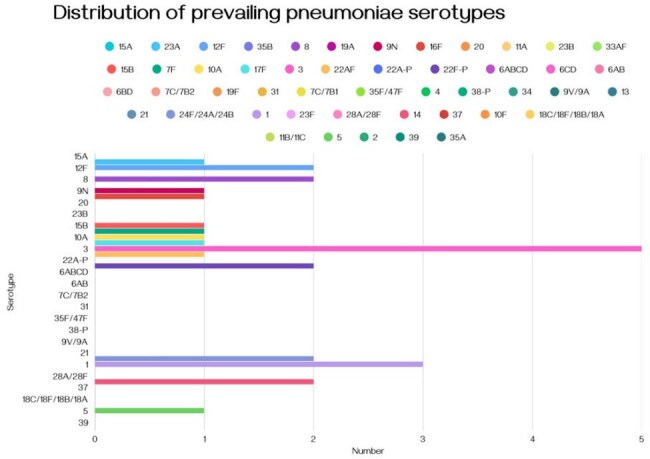 Figure 1
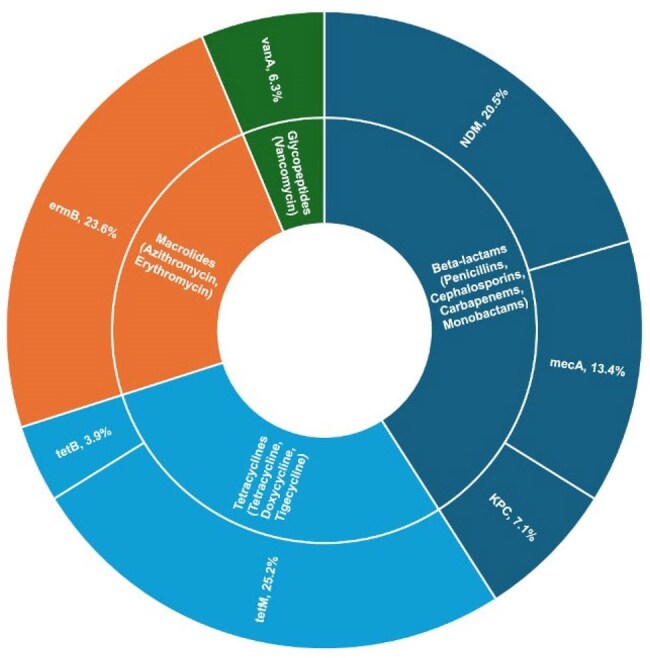 Figure 2
Peer Reviews
No public reviews on file for this paper yet. If you reviewed it on a platform where reviews are public (OpenReview, ICLR, NeurIPS, ICML), you can paste yours below so the community can read it here.
Videos
No videos yet. Explain this paper in a talk, walkthrough, or lecture? Add one.
Taxonomy
TopicsMosquito-borne diseases and control · Virology and Viral Diseases · vaccines and immunoinformatics approaches