P-564. Ten-year Retrospective Review of Medical Records at Five Hospitals in the United States Highlights the Potential for Under-detection of Invasive Meningococcal Disease
Julio A Ramirez, Stephen Furmanek, Thomas R Chandler, Josue Prado, Frederick Angulo, Lisa Harper, Steven Shen, Jessica Presa, Mohammad Ali, Raffaela Iantomasi, Jamie Findlow, Jennifer Moisi

TL;DR
A 10-year review of hospital records in the U.S. suggests that invasive meningococcal disease may be under-detected due to inconsistent specimen collection and testing practices.
Contribution
The study reveals gaps in standard laboratory practices for diagnosing invasive meningococcal disease in hospitalized patients.
Findings
Only 76% of patients had cerebrospinal fluid collected, and 45% had blood collected for testing.
Blood specimens were rarely tested with PCR for N. meningitidis.
Many specimens were collected after IV antibiotic administration, reducing diagnostic accuracy.
Abstract
Invasive meningococcal disease (IMD) burden estimates are based upon public health surveillance which relies on reporting of laboratory confirmed cases to public health authorities. IMD is confirmed by identification of Neisseria meningitidis in a specimen from a normally sterile site by bacterial culture or a polymerase chain reaction (PCR) test. Guidelines advise that blood and cerebrospinal fluid (CSF) be collected from patients with meningitis and tested by culture and PCR for N. meningitidis. Administration of intravenous (IV) antibiotics prior to specimen collection will reduce the sensitivity of bacterial culture. To assess IMD laboratory confirmation methods, we reviewed the records of patients hospitalized with signs and symptoms of meningitis. Table Figure 1 Medical records were reviewed of patients hospitalized at the five Norton hospitals in Louisville, Kentucky in…
Genes, proteins, chemicals, diseases, species, mutations and cell lines named across the full text — each resolved to its canonical identifier and authoritative record.
Click any figure to enlarge with its caption.
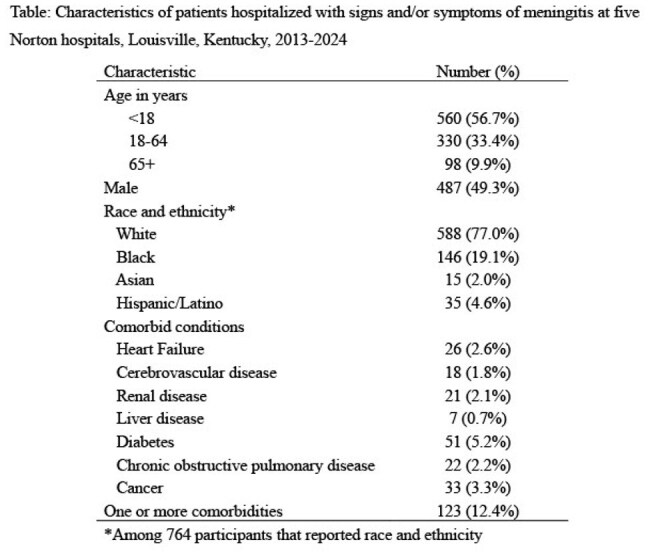 Figure 1
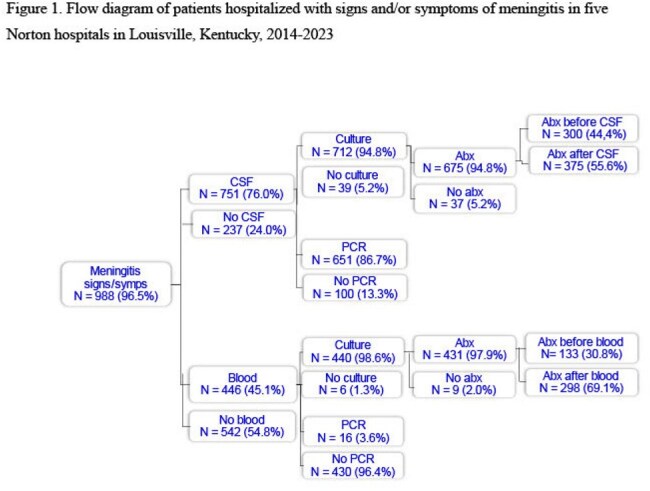 Figure 2
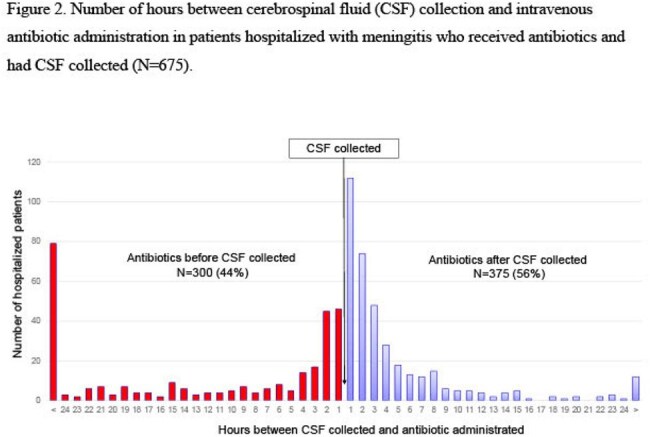 Figure 3
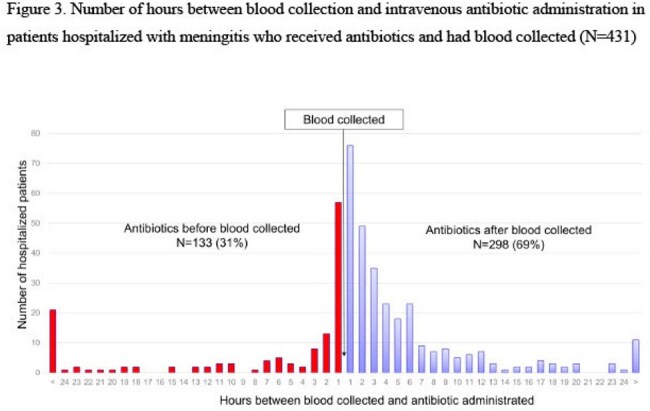 Figure 4
Peer Reviews
No public reviews on file for this paper yet. If you reviewed it on a platform where reviews are public (OpenReview, ICLR, NeurIPS, ICML), you can paste yours below so the community can read it here.
Videos
No videos yet. Explain this paper in a talk, walkthrough, or lecture? Add one.
Taxonomy
TopicsBacterial Infections and Vaccines · Diphtheria, Corynebacterium, and Tetanus · Virology and Viral Diseases