116. Negative Predictive Value of Surveillance Swabs for Third-Generation Cephalosporin-Resistant Enterobacterales in the Intensive Care Unit
Sima L Sharara, Eili Klein, Kate Dzintars, Pranita Tamma, Sara E Cosgrove

TL;DR
This study shows that a negative rectal swab test for certain antibiotic-resistant bacteria in ICU patients reliably predicts they won't develop a resistant infection during their stay.
Contribution
The study provides the first large-scale evidence of the high negative predictive value of 3GCRE surveillance swabs for resistant Gram-negative infections in ICU patients.
Findings
A negative 3GCRE swab had a 99.2% negative predictive value for cefepime-resistant clinical isolates.
Only 0.8% of patients with negative swabs developed resistant infections, including 0.4% with cefepime-intermediate or -resistant organisms.
Common resistant pathogens included Pseudomonas aeruginosa, Escherichia coli, and Klebsiella pneumoniae.
Abstract
While methicillin-resistant S. aureus nasal screening is common in U.S. intensive care units (ICUs) and guides empiric antibiotics, rectal surveillance for resistant Gram-negative organisms (GNO) is less common. Rectal swabs that detect third-generation cephalosporin-resistant Enterobacterales (3GCRE) may serve as a phenotypic proxy for resistant GNO, including extended-spectrum β-lactamase-producing Enterobacterales (ESBL-E). However, the extent to which a negative 3GCRE swab reliably predicts the absence of subsequent resistant GNO infection remains unclear.Table 1.Demographic and Clinical Characteristics of ICU Patients with Negative 3GCRE Surveillance Swabs, Stratified by Presence of a Resistant Clinical Culture During the Same ICU EncounterAbbreviations: LTCF/SNF = long-term care facility/skilled nursing facility; ED = emergency department; ICU = intensive care unit; ESBL =…
Genes, proteins, chemicals, diseases, species, mutations and cell lines named across the full text — each resolved to its canonical identifier and authoritative record.
Click any figure to enlarge with its caption.
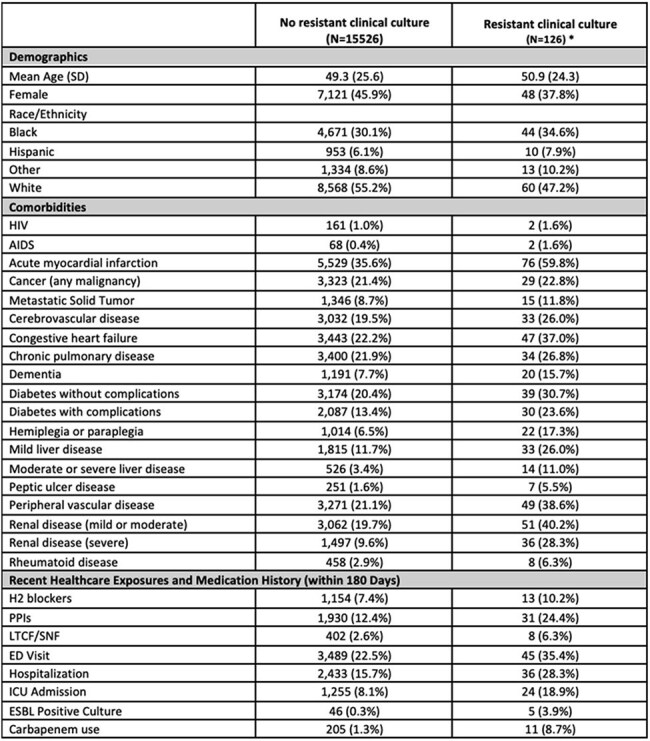 Figure 1
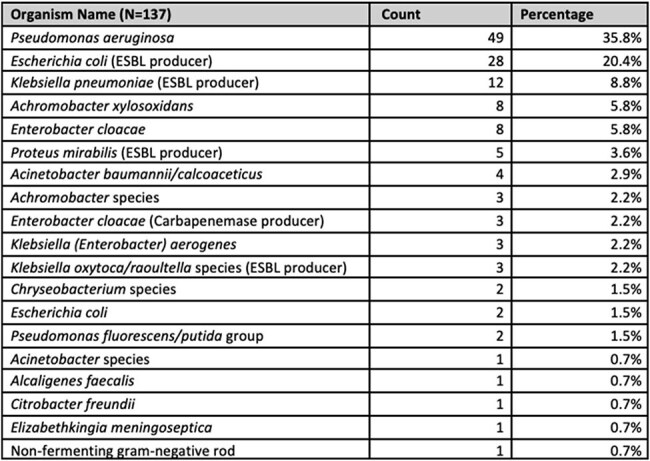 Figure 2
Peer Reviews
No public reviews on file for this paper yet. If you reviewed it on a platform where reviews are public (OpenReview, ICLR, NeurIPS, ICML), you can paste yours below so the community can read it here.
Videos
No videos yet. Explain this paper in a talk, walkthrough, or lecture? Add one.
Taxonomy
TopicsAntibiotic Resistance in Bacteria · Nosocomial Infections in ICU · Antibiotic Use and Resistance