P-1321. Optimizing Survival: A Global Analysis of Antibiotic Regimens in Capnocytophaga canimorsus Infections
Hiyam Ghneim, Hashem Hajo Ebrahimi

TL;DR
This study analyzes 64 cases of Capnocytophaga canimorsus infections to identify antibiotic regimens associated with the best survival outcomes, emphasizing the importance of early treatment with specific drugs.
Contribution
The study identifies effective antibiotic regimens for Capnocytophaga canimorsus infections and highlights the risks of certain combinations, offering guidance for clinical practice.
Findings
Ceftriaxone ± amoxicillin and amoxicillin-clavulanate were most frequently used and associated with the highest recovery rates.
Piperacillin-tazobactam plus gentamicin was linked to mortality.
Doxycycline and hydroxychloroquine showed favorable outcomes in beta-lactam-intolerant patients.
Abstract
Capnocytophaga canimorsus (CC) is a rare multi-drug resistant but rapidly fatal zoonotic infection associated with dog exposure, particularly affecting immunocompromised, asplenic, or elderly individuals. There are no FDA-approved drugs for CC infections. Empirical antibiotic therapy is diverse, with outcomes varying depending on the host’s baseline immune status and timing of intervention. This study investigates 64 CC cases to evaluate treatment patterns, demographic trends, and identify antibiotic regimens linked with optimal recovery.Table 1Antibiotic Regimens and Clinical Outcomes of Capnocytophaga canimorsusFigure 1Geographic Distribution of Capnocytophaga canimorsus CasesThis table summarizes the antibiotic therapies administered across 64 documented cases of Capnocytophaga canimorsus infection, alongside corresponding patient outcomes categorized as full recovery, complications,…
Genes, proteins, chemicals, diseases, species, mutations and cell lines named across the full text — each resolved to its canonical identifier and authoritative record.
Click any figure to enlarge with its caption.
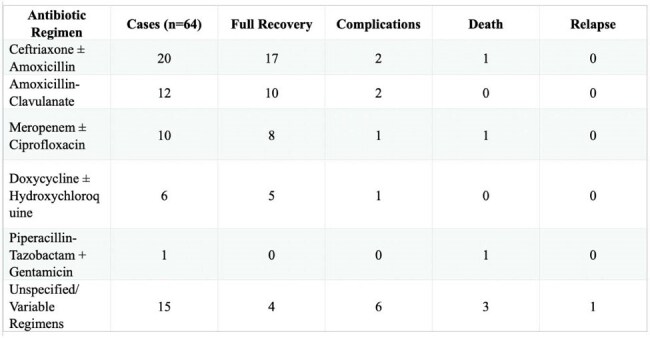 Figure 1
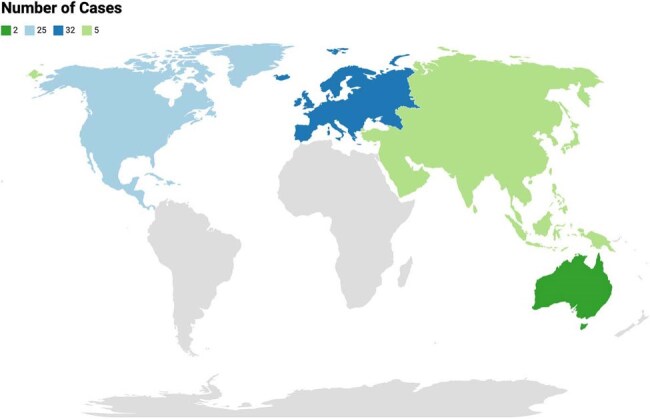 Figure 2
 Figure 3
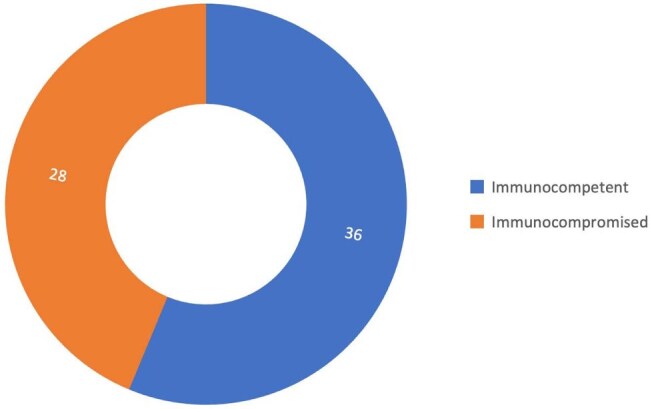 Figure 4
Peer Reviews
No public reviews on file for this paper yet. If you reviewed it on a platform where reviews are public (OpenReview, ICLR, NeurIPS, ICML), you can paste yours below so the community can read it here.
Videos
No videos yet. Explain this paper in a talk, walkthrough, or lecture? Add one.
Taxonomy
TopicsRabies epidemiology and control · Virology and Viral Diseases · Human-Animal Interaction Studies