Only One Percent of Important Shark and Ray Areas in the Western Indian Ocean Are Fully Protected From Fishing Pressure
Jesse E. M. Cochran, Ryan Charles, Andrew J. Temple, Peter M. Kyne, Emiliano García‐Rodríguez, Adriana Gonzalez‐Pestana, Amanda Batlle‐Morera, Théophile L. Mouton, Asia O. Armstrong, Christoph A. Rohner, Darren J. Coker, Royale S. Hardenstine, Alexander Kattan, Ashlie J. McIvor

TL;DR
Most critical shark and ray habitats in the Western Indian Ocean are not fully protected from fishing, despite efforts to identify and expand these areas using diverse research methods.
Contribution
The study enhanced ISRA delineation by incorporating unpublished data, revealing significant gaps in marine protection for chondrichthyans.
Findings
125 ISRAs covering over 2.8 million km² were identified in the WIO, home to 104 chondrichthyan species.
Only 1.2% of ISRAs are in fully protected no-take marine areas, with the highest coverage in the Seychelles and Chagos Archipelago.
Unpublished data expanded ISRA coverage but still favored large-bodied and shallow-dwelling species.
Abstract
The Western Indian Ocean (WIO) is known for its high diversity of chondrichthyans (sharks, rays, and chimaeras). However, intense fishing pressure has led to severe population declines and local extinctions of several species. The Important Shark and Ray Area (ISRA) process is a collaborative, evidence‐based approach used to identify critical habitat for chondrichthyans. We analysed ISRAs across the WIO to quantify the diversity of research methods used to identify them, evaluate spatial overlap with designated marine protected areas (MPAs), model the influence of several species‐ and jurisdiction‐specific variables on ISRA delineation, and explore the importance of incorporating unpublished data into the delineation process. In total, 125 ISRAs (covering > 2.8 million km2; ~10% of total regional surface area) were identified within the WIO from surface waters to ~2000 m depth. These…
Genes, proteins, chemicals, diseases, species, mutations and cell lines named across the full text — each resolved to its canonical identifier and authoritative record.
Click any figure to enlarge with its caption.
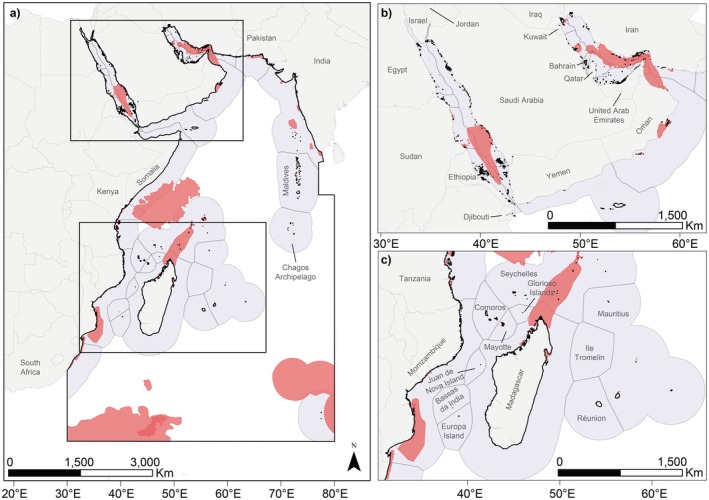 Figure 1
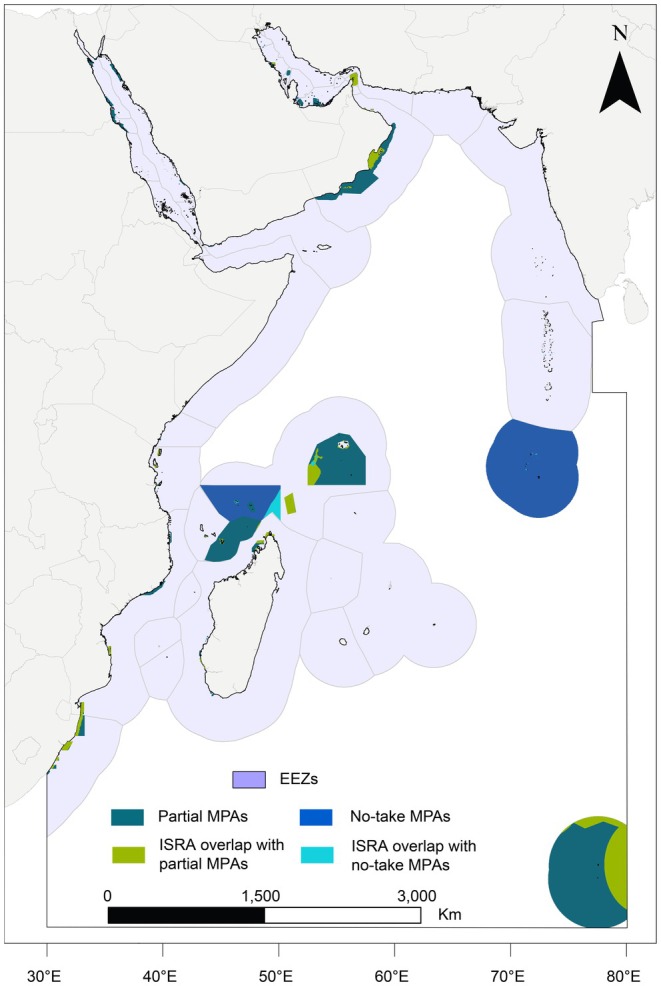 Figure 2
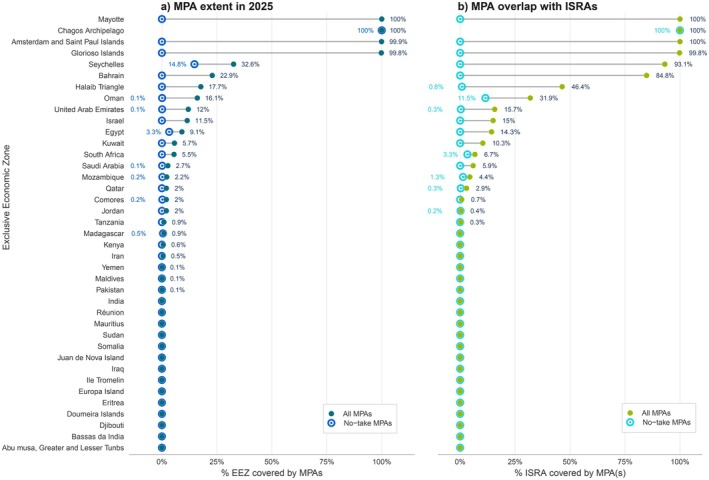 Figure 3
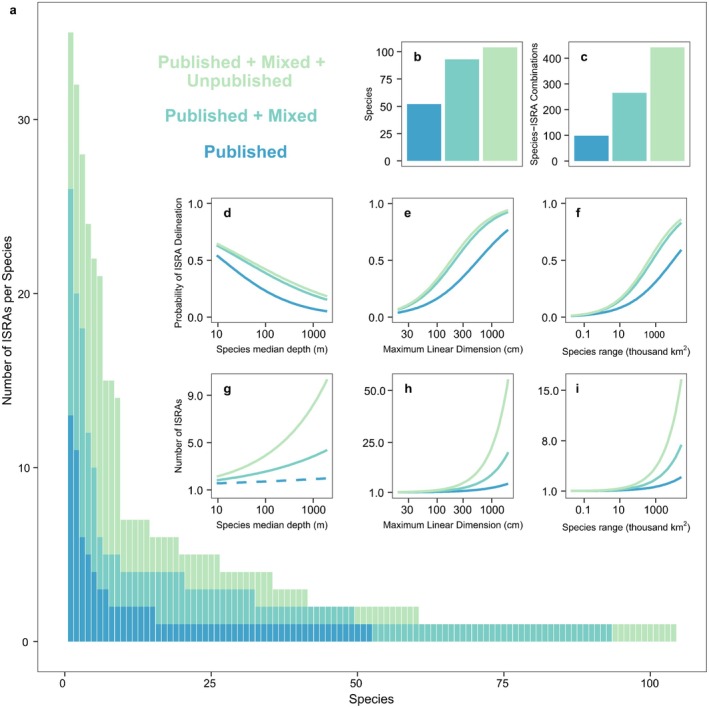 Figure 4
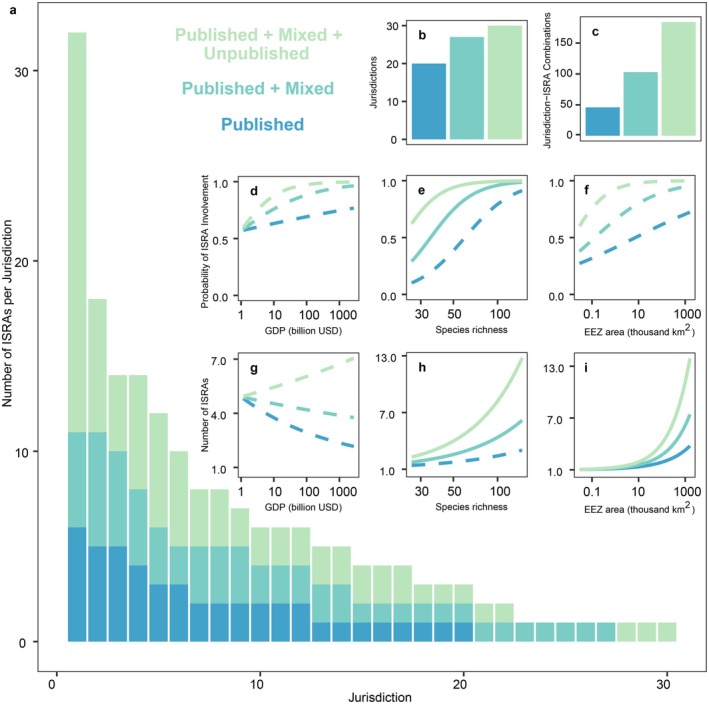 Figure 5
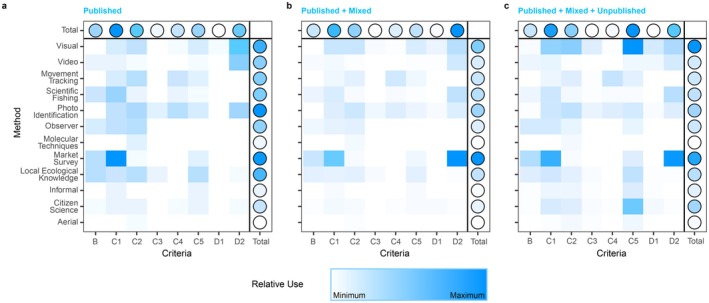 Figure 6
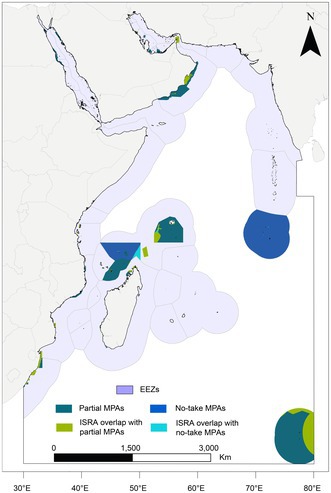 Figure 7
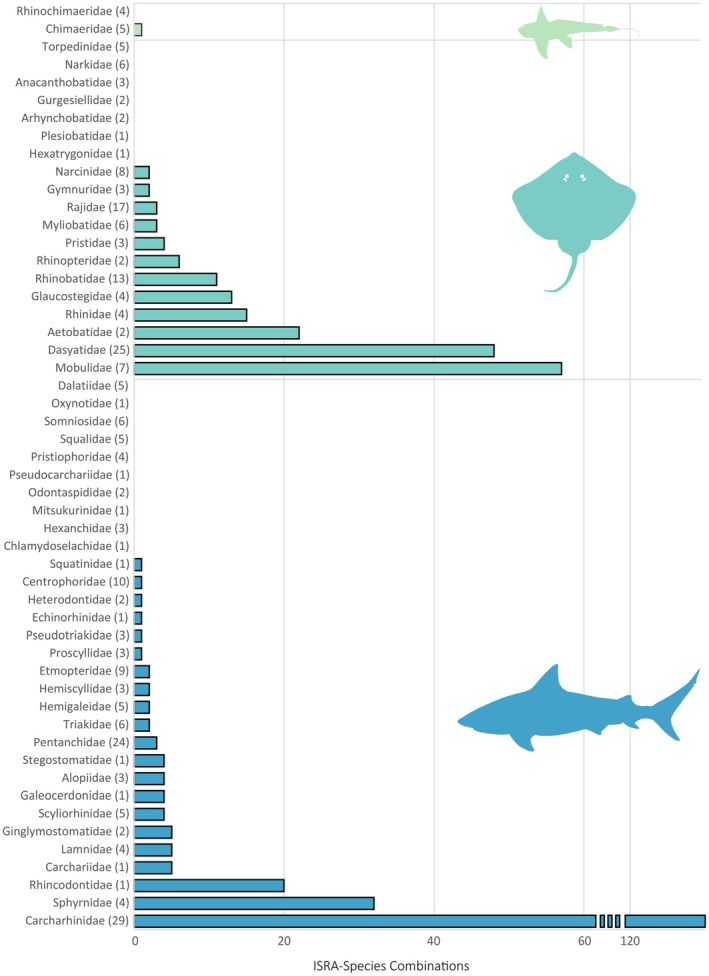 Figure 8
Peer Reviews
No public reviews on file for this paper yet. If you reviewed it on a platform where reviews are public (OpenReview, ICLR, NeurIPS, ICML), you can paste yours below so the community can read it here.
Videos
No videos yet. Explain this paper in a talk, walkthrough, or lecture? Add one.
Taxonomy
TopicsIchthyology and Marine Biology · Paleontology and Evolutionary Biology · Identification and Quantification in Food