Decreased PTGES2 Farnesylation in Granulosa Cells Compromises PGE2‐Dependent Cumulus Expansion and Oocyte Maturation During Ovarian Aging
Sainan Zhang, Jiahui Qi, Chuanming Liu, Huidan Zhang, Bichun Guo, Die Wu, Yicen Liu, Xin Zhen, Yang Zhang, Nannan Kang, Jidong Zhou, Guijun Yan, Chaojun Li, Lijun Ding, Haixiang Sun

TL;DR
This study shows that reduced farnesylation of PTGES2 in aging granulosa cells impairs oocyte maturation and cumulus expansion, offering a potential treatment to improve fertility in older women.
Contribution
The study identifies PTGES2 farnesylation as a novel mechanism linking ovarian aging to oocyte quality decline.
Findings
Aged granulosa cells show reduced protein farnesylation, impairing cumulus expansion and oocyte maturation.
Farnesol supplementation restores farnesylation and improves oocyte quality in aged mice.
PTGES2 farnesylation is essential for its ER localization and PGE2 production in granulosa cells.
Abstract
With the increasing trend of delayed childbearing, the decline in oocyte quality associated with advanced maternal age has emerged as a pressing concern. However, the mechanism remains unclear, and effective strategies for improvement are currently lacking. Previously, we reported that the downregulation of the mevalonate pathway in aged granulosa cells (GCs) contributed to meiotic defects in oocytes, which may implicate farnesyl pyrophosphate‐mediated protein farnesylation. Nevertheless, the role of farnesylation in ovarian aging and its impact on oocytes requires further investigation. In this study, using cumulus‐oocyte complexes (COCs) from young and aged female mice, we observed impaired cumulus expansion and concurrent meiotic defects during aged oocyte maturation, accompanied by significantly reduced protein farnesylation in aged GCs. Furthermore, inhibiting farnesylation with…
Genes, proteins, chemicals, diseases, species, mutations and cell lines named across the full text — each resolved to its canonical identifier and authoritative record.
Click any figure to enlarge with its caption.
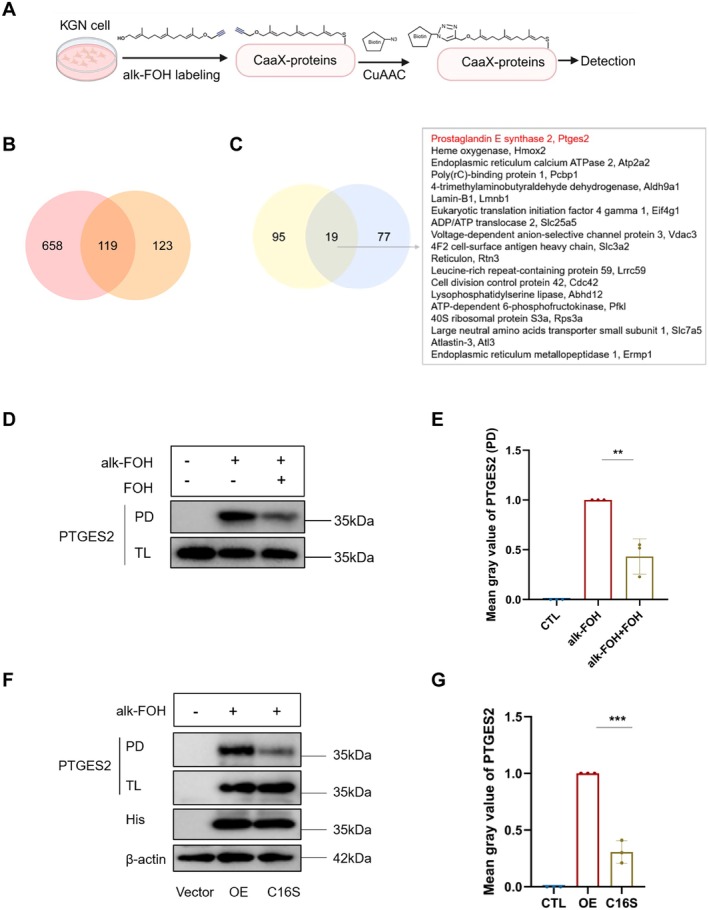 Figure 1
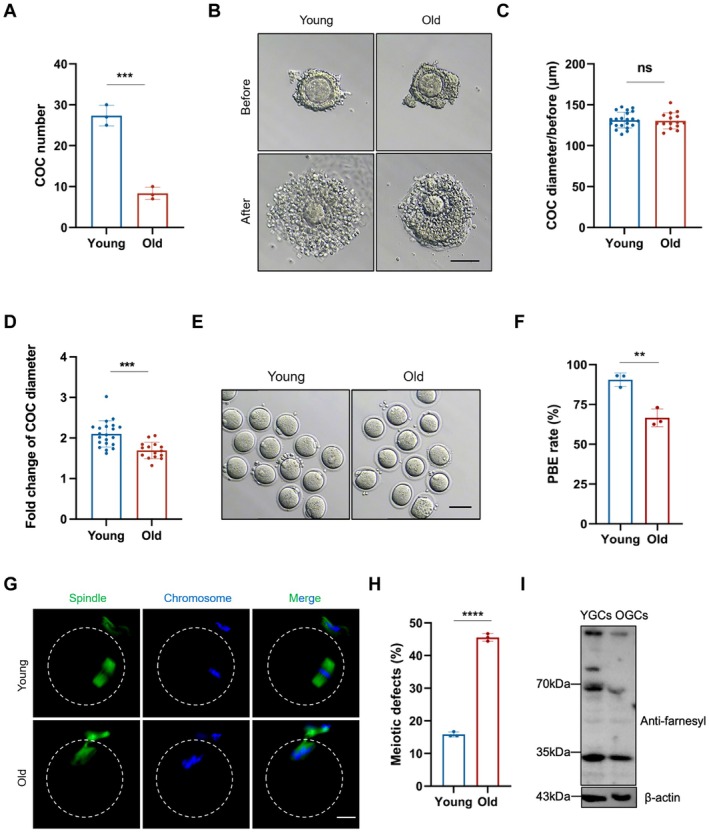 Figure 2
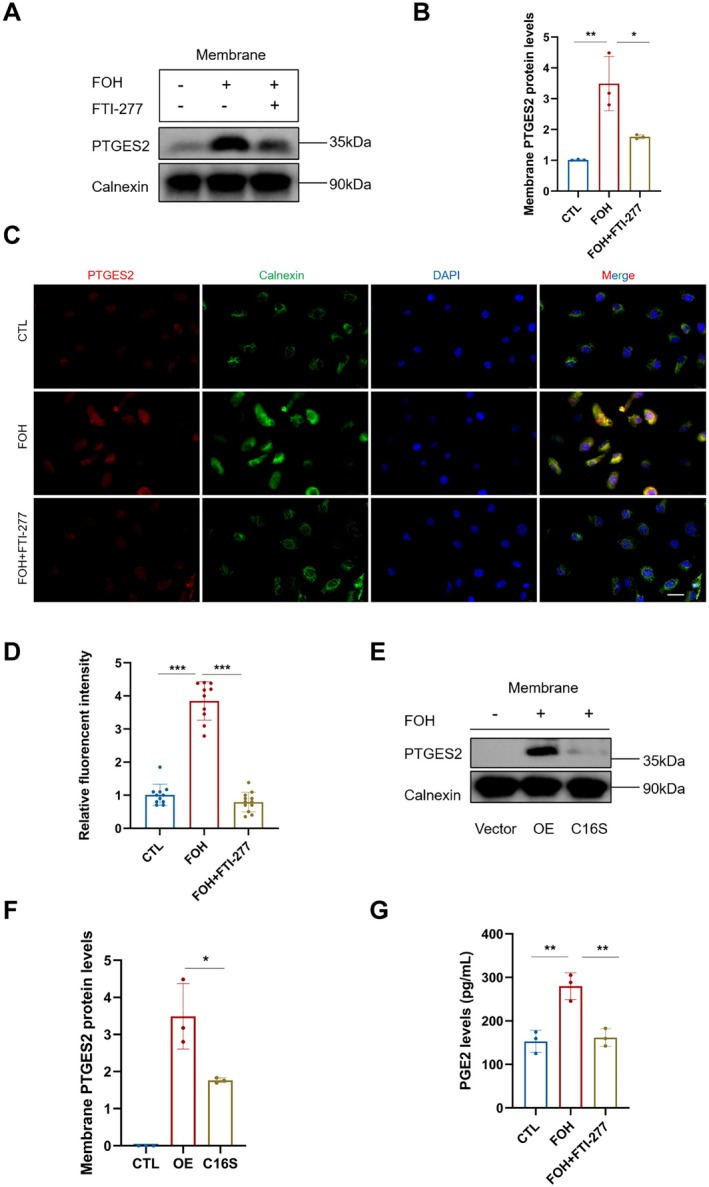 Figure 3
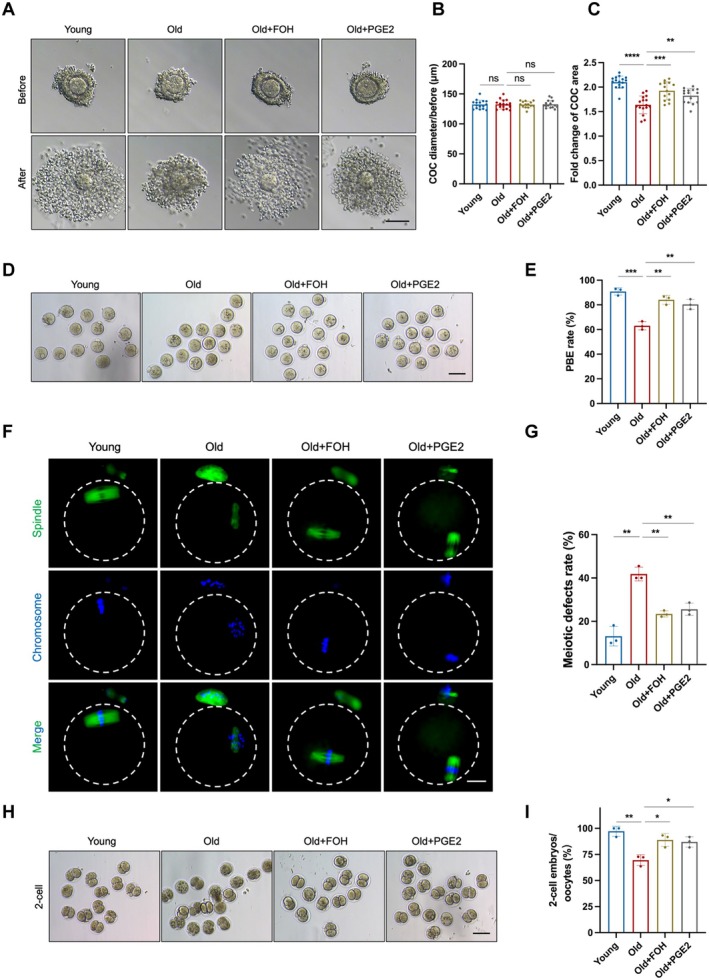 Figure 4
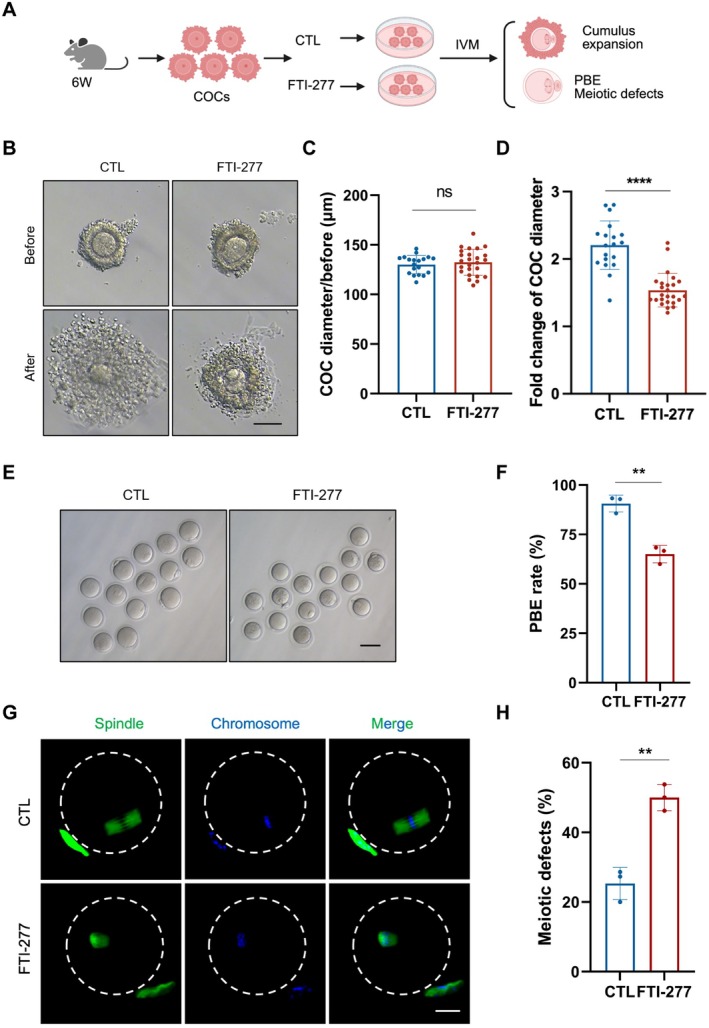 Figure 5
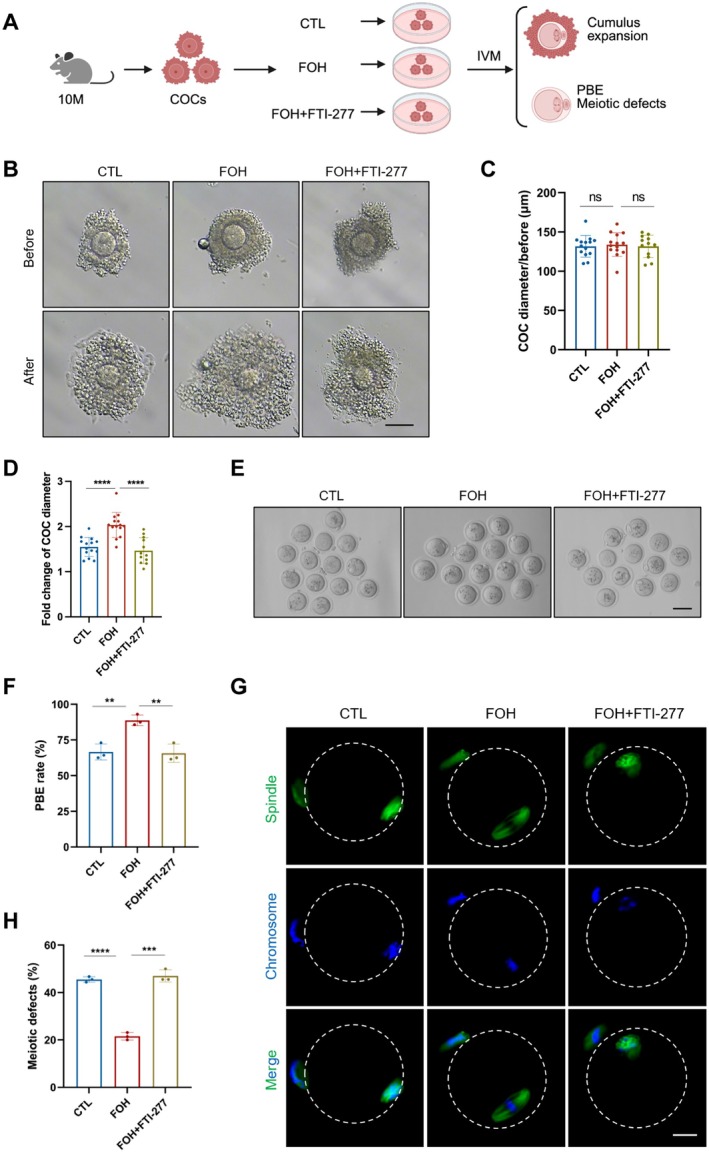 Figure 6
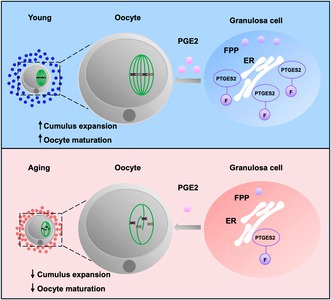 Figure 7
Peer Reviews
No public reviews on file for this paper yet. If you reviewed it on a platform where reviews are public (OpenReview, ICLR, NeurIPS, ICML), you can paste yours below so the community can read it here.
Videos
No videos yet. Explain this paper in a talk, walkthrough, or lecture? Add one.
Taxonomy
TopicsReproductive Biology and Fertility · Endoplasmic Reticulum Stress and Disease · Cancer, Lipids, and Metabolism