P-869. Acute Kidney Injury Related to Trimethoprim-Sulfamethoxazole Treatment of Pneumocystis jirovecii Pneumonia: A Retrospective Cohort Analysis
Aditya Mantha, Reed Van Hook, Sarah Rhoads, James M Jurica, Rachel Johnson, Bruce McCollister, James Maloney, Andrés F Henao Martínez

TL;DR
High-dose trimethoprim-sulfamethoxazole treatment for Pneumocystis pneumonia causes frequent kidney injury and electrolyte issues, leading to high readmission rates.
Contribution
This study provides new evidence on the high risk of acute kidney injury and electrolyte disturbances from high-dose TMP/SMX in non-HIV patients.
Findings
24 out of 91 patients were readmitted for AKI or electrolyte disorders during TMP/SMX therapy.
Hyperkalemia occurred in 50% of readmitted patients, and hyponatremia in 100%.
A number needed to harm of 4 indicates significant risk with current treatment protocols.
Abstract
High-dose oral trimethoprim-sulfamethoxazole (TMP/SMX) for 21 days is the standard dose to treat Pneumocystis jirovecii pneumonia (PJP). There has been scant data assessing morbidity due to adverse renal events from TMP/SMX after hospital discharge, despite known adverse effects of TMP on renal function. We evaluated renal function outcomes and health care utilization in a cohort of non-bone marrow transplant, non-HIV (NTNH) patients with PJP. Electrolyte (Na, K, CO3) values for patients on discharge from initial hospitalizations, readmission, and day 3 of readmission We conducted a retrospective chart review of NTNH patients diagnosed with PJP at the University of Colorado Hospital (UCH) system over 2016-25 who were admitted for PJP and discharged on high-dose oral TMP/SMX ( >10 mg/kg/day of TMP). We assessed readmission rates due to acute kidney injury (AKI), hyperkalemia, or…
Genes, proteins, chemicals, diseases, species, mutations and cell lines named across the full text — each resolved to its canonical identifier and authoritative record.
Click any figure to enlarge with its caption.
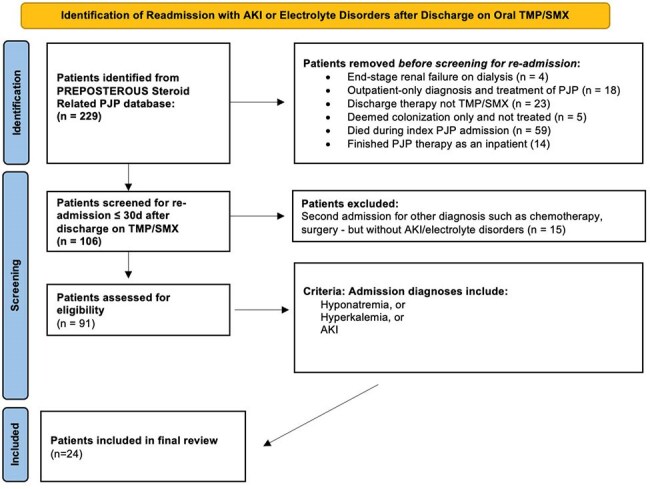 Figure 1
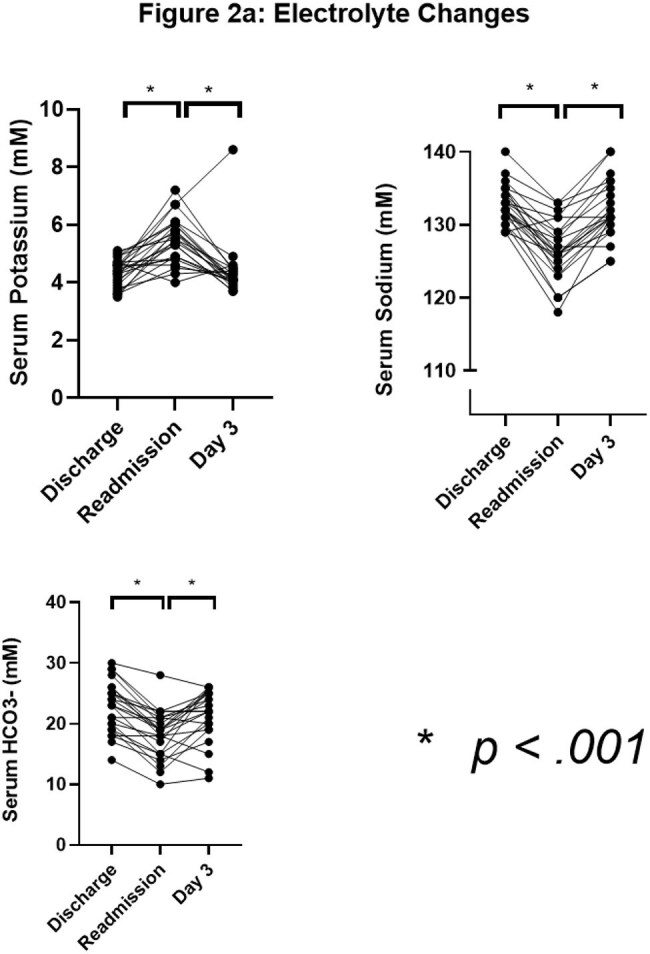 Figure 2
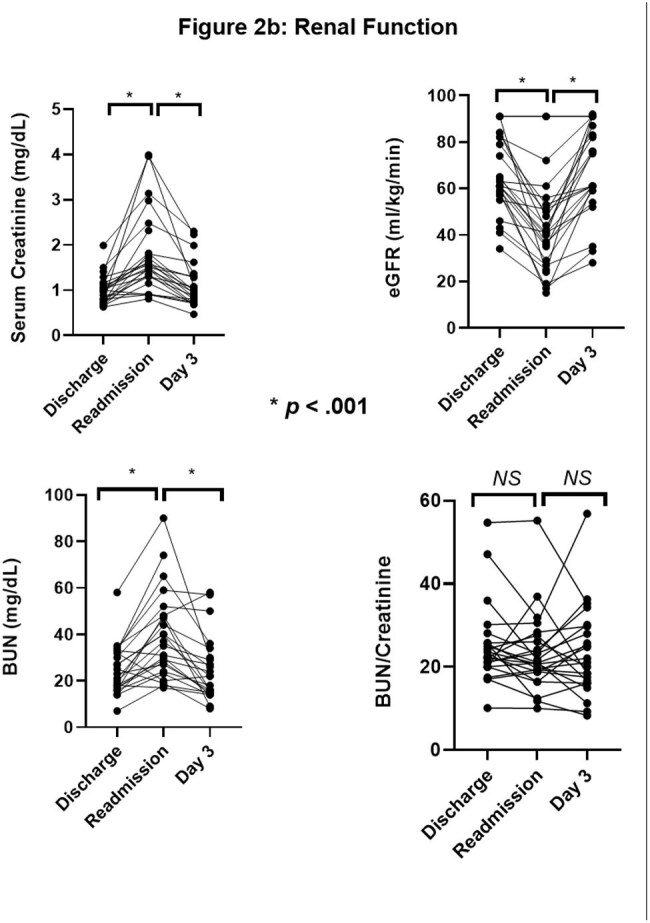 Figure 3
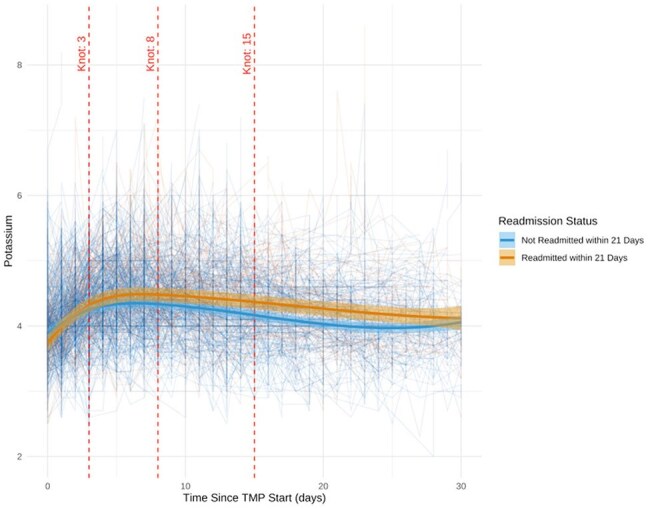 Figure 4
Peer Reviews
No public reviews on file for this paper yet. If you reviewed it on a platform where reviews are public (OpenReview, ICLR, NeurIPS, ICML), you can paste yours below so the community can read it here.
Videos
No videos yet. Explain this paper in a talk, walkthrough, or lecture? Add one.
Taxonomy
TopicsPneumocystis jirovecii pneumonia detection and treatment · HIV/AIDS drug development and treatment · Drug-Induced Adverse Reactions