P-751. Clinical Features, Microbiological Epidemiology, and Recurrence Risk of Cellulitis in Breast Cancer-Related Lymphedema
Benjamin D Wagner, Jonathan Rubin, roshni Culas, Anna Kaltsas, Maryam Abul, Jilmil Raina, I Hsin Lin, Bracha Pollack, Arielle Roberts, Andrea Barrio, Babak Mehrara

TL;DR
This study examines the causes and recurrence of cellulitis in breast cancer patients with lymphedema, identifying risk factors and treatment effectiveness.
Contribution
The study identifies specific risk factors and treatment outcomes for recurrent cellulitis in breast cancer-related lymphedema patients.
Findings
Streptococcus agalactiae was the most common bacteria isolated from positive blood cultures in cellulitis episodes.
Radiation, node dissection, and time from lymphedema diagnosis to first cellulitis episode are independently associated with recurrence risk.
Antibiotic prophylaxis was effective in 58.6% of patients in preventing recurrent infections.
Abstract
Cellulitis is a complication for patients with breast cancer-related lymphedema (BCRL). This study evaluates the prevalence, clinical presentation, bacterial epidemiology, and treatment outcomes of cellulitis in BCRL, with a goal of identifying factors associated with recurrence.Microbiological Epidemiology of Cellulitis in BCRLBlood cultures were obtained in 61% (255/418) of episodes,12.9% (33/255) returned positiveStreptococcus agalactiae (8/33) was the most common bacteria isolated from positive culturesTreatment Overview and Antibiotic Effectiveness in BCRL CellulitisEffectiveness of Initial Antibiotic Regimen: 87.6%Effectiveness of Antibiotic Prophylaxis (n 29): 58.6% Microbiological Epidemiology of Cellulitis in BCRL Blood cultures were obtained in 61% (255/418) of episodes, 12.9% (33/255) returned positive Streptococcus agalactiae (8/33) was the most common bacteria…
Genes, proteins, chemicals, diseases, species, mutations and cell lines named across the full text — each resolved to its canonical identifier and authoritative record.
Click any figure to enlarge with its caption.
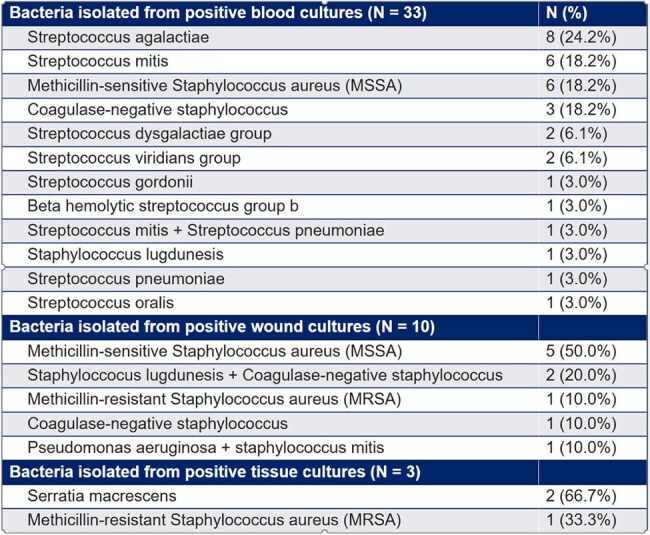 Figure 1
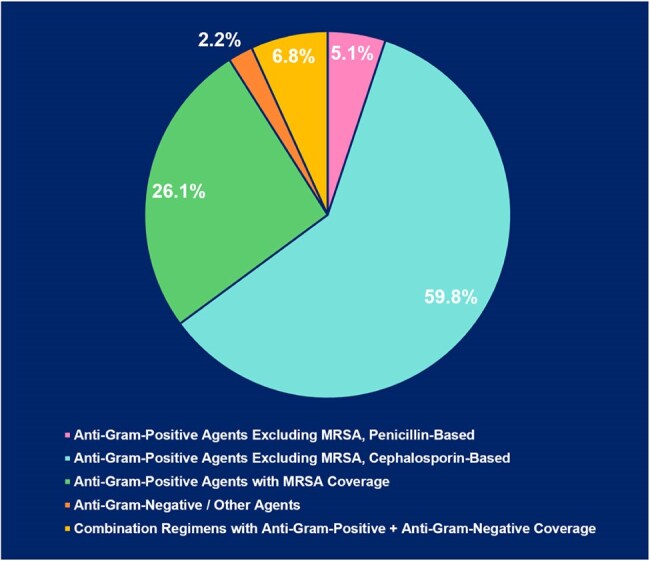 Figure 2
 Figure 3
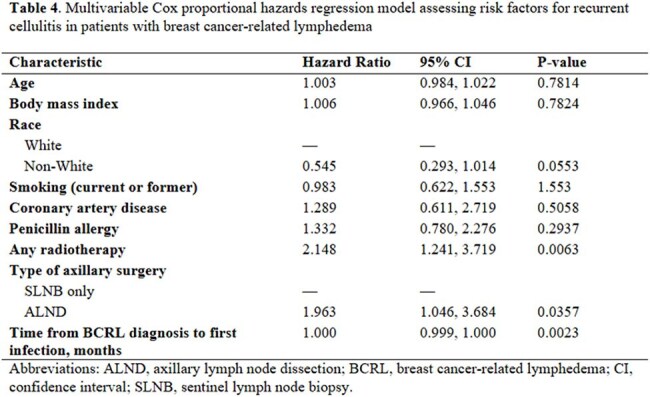 Figure 4
Peer Reviews
No public reviews on file for this paper yet. If you reviewed it on a platform where reviews are public (OpenReview, ICLR, NeurIPS, ICML), you can paste yours below so the community can read it here.
Videos
No videos yet. Explain this paper in a talk, walkthrough, or lecture? Add one.
Taxonomy
TopicsLymphatic System and Diseases · Peripheral Artery Disease Management · Chemotherapy-related skin toxicity