P-232. Prognostic Value of Routine CSF Markers in Cryptococcal Meningitis Among PLHIV: A Subanalysis from a Philippine Cohort
Ma Jean Capulong Linsao, Rontgene Solante

TL;DR
Higher cerebrospinal fluid protein and white blood cell counts in HIV patients with cryptococcal meningitis are linked to better survival outcomes.
Contribution
This study identifies CSF protein and WBC as potential prognostic markers in HIV-associated cryptococcal meningitis.
Findings
Survivors had significantly higher CSF protein levels than non-survivors (p = 0.0195).
Median CSF white cell count was significantly higher among survivors (p = 0.0333).
Abstract
Cryptococcal meningitis (CM) is a life-threatening opportunistic infection among people living with HIV (PLHIV), particularly in low- and middle-income countries. While diagnostic tools like India ink and cryptococcal antigen (CrAg) are widely used, the prognostic significance of routine cerebrospinal fluid (CSF) biomarkers remains unclear. This study evaluated associations between CSF parameters and in-hospital mortality in PLHIV with CM. This is a subanalysis of a previously presented five-year cohort on central nervous system infections in HIV from a national referral center in the Philippines.CSF Protein Levels by Outcome CSF Protein Levels by Outcome Survivors had significantly higher CSF protein levels than non-survivors (p = 0.0195), suggesting preserved inflammatory response may be protective.CSF WBC Count by Outcome CSF WBC Count by Outcome Median CSF white cell count was…
Genes, proteins, chemicals, diseases, species, mutations and cell lines named across the full text — each resolved to its canonical identifier and authoritative record.
Click any figure to enlarge with its caption.
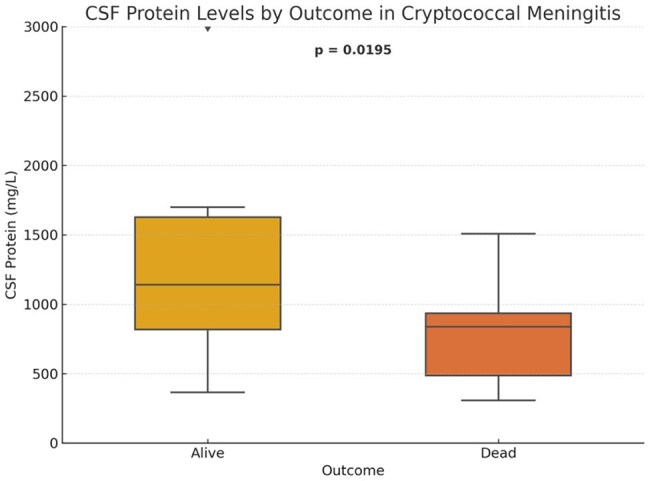 Figure 1
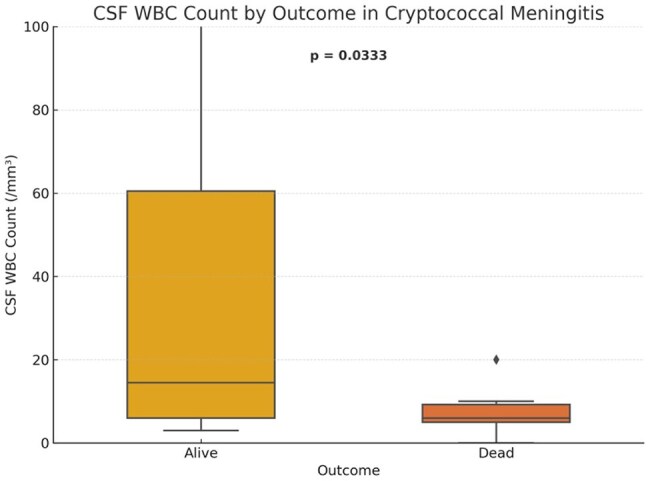 Figure 2
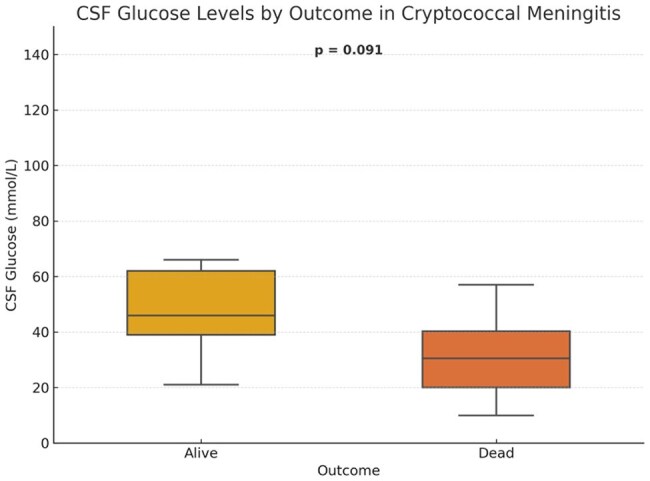 Figure 3
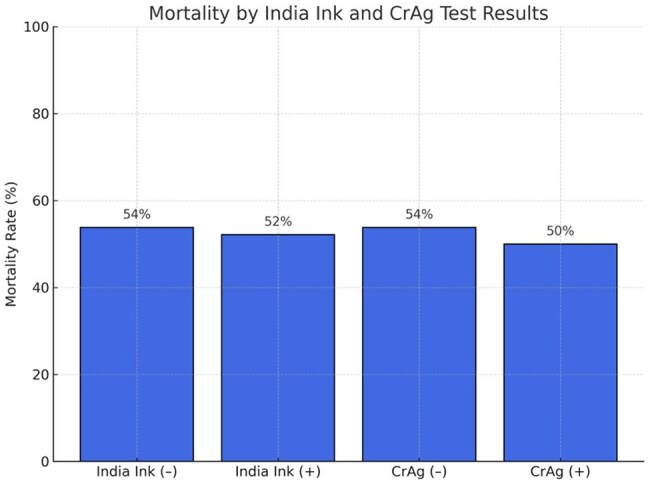 Figure 4
Peer Reviews
No public reviews on file for this paper yet. If you reviewed it on a platform where reviews are public (OpenReview, ICLR, NeurIPS, ICML), you can paste yours below so the community can read it here.
Videos
No videos yet. Explain this paper in a talk, walkthrough, or lecture? Add one.
Taxonomy
TopicsFungal Infections and Studies · Infectious Diseases and Tuberculosis · Insects and Parasite Interactions