P-600. Lyme Surveillance and Prevention at a Community Health Center in Northeastern Pennsylvania
Xingzuo Wang, Amninder Singh, Elmkdad Mohammed, Mohamed Khorshid, Nathan Cardona, Mary Louise Decker, Yuexiu Wu

TL;DR
This study tracks Lyme disease trends in a Pennsylvania community health center, finding increased cases over time and a peak in July and among people aged 50-60.
Contribution
The study provides localized insights into Lyme disease trends, prevention strategies, and demographic patterns specific to a community health center in an endemic region.
Findings
Lyme disease incidence nearly doubled from 2016 to 2023 in the studied clinics.
Peak incidence occurs in July and among individuals aged 50-60, differing from CDC bimodal age distribution.
A modified CDC prevention poster with a QR code was implemented for patient education.
Abstract
Lyme disease is a tick borne disease transmitted through the bite of infected blacklegged ticks. It can cause a Bull's-eye rash at the site of the bite, fever, headache, fatigue, muscle and joint pain. If left untreated, Lyme disease can lead to severe complications such as arthritis, atrioventricular block, neurological problems, and chronic fatigue. Lyme disease is most common in the northeastern, mid-Atlantic, and upper Midwest regions of the United States. Northeastern Pennsylvania is an endemic area for Lyme diseases.Figure 1peak incidence of Lyme disease is observed in July.Lyme disease occurs throughout the year. The incidence begins to rise in the spring, peaks in July and then decreases in the fall.Figure 2Increased trend of Lyme disease over the yearsWe observed increased trend of Lyme disease in The Wright Center Community Health Clinics from 2016 to 2023. peak incidence of…
Genes, proteins, chemicals, diseases, species, mutations and cell lines named across the full text — each resolved to its canonical identifier and authoritative record.
Click any figure to enlarge with its caption.
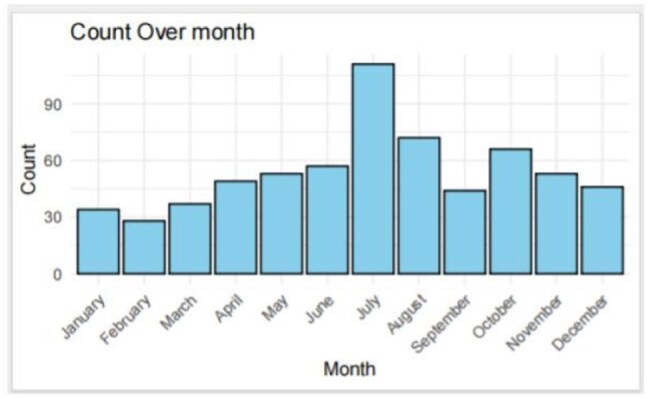 Figure 1
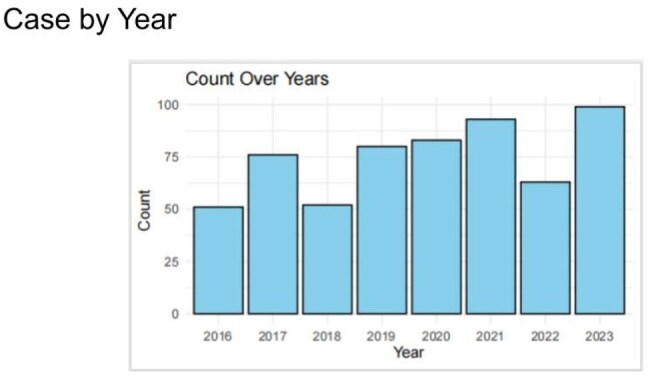 Figure 2
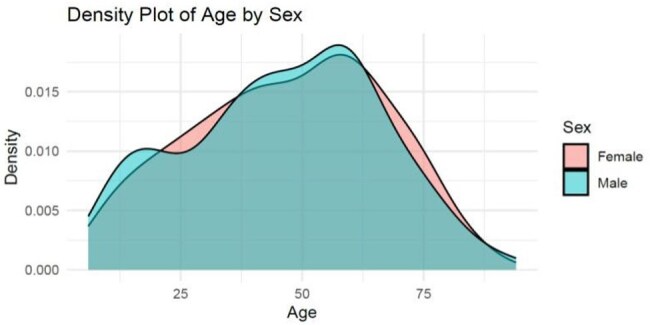 Figure 3
Peer Reviews
No public reviews on file for this paper yet. If you reviewed it on a platform where reviews are public (OpenReview, ICLR, NeurIPS, ICML), you can paste yours below so the community can read it here.
Videos
No videos yet. Explain this paper in a talk, walkthrough, or lecture? Add one.
Taxonomy
TopicsVector-borne infectious diseases · Zoonotic diseases and public health · Insects and Parasite Interactions