P-734. Heterosexual Syphilis in RI - Rising by Identity of Partner not Patient
Maya Tsao-Wu, Joshua Tanzer, Alexi Almonte, Phillip Chan

TL;DR
Heterosexual syphilis is rising faster than in gay men, especially among women, and is linked to congenital syphilis, which can be prevented with better screening.
Contribution
The study identifies androphilia (sexual attraction to males) as a key risk factor for syphilis in heterosexual populations, challenging traditional screening criteria.
Findings
Syphilis rates in heterosexual men and women rose significantly faster than in MSM populations from 2012 to 2021.
Congenital syphilis cases increased 755% from 2012 to 2021, with severe preventable outcomes for infants.
High syphilis risk was associated with androphilia, not traditional factors like drug use or race, in the study population.
Abstract
Heterosexual syphilis is on the rise. While MSM persons still compose the majority of total cases in developed countries, their rate of growth is now dwarfed by non-MSM populations. In 2017-2021 syphilis rates increased 147% in MSW but only 8% in MSM, and in 2012-2021 syphilis in women 15 to 44 years of age rose 676%. The heterosexual epidemic is worrisome because it brings congenital syphilis (755% rise 2012-2021). Fetal outcomes for untreated congenital syphilis are approximately ⅓ ante/perinatal death, ⅓ clinically evident syphilis, and ⅓ asymptomatic, hopefully to be diagnosed later. These outcomes are preventable with appropriate antenatal screening and treatment, but recent data indicates our traditional screening is insufficient. Typical screening occurs at the first prenatal visit with additional screening if a mother is “high risk.” National data 2012-2016 showed zero…
Genes, proteins, chemicals, diseases, species, mutations and cell lines named across the full text — each resolved to its canonical identifier and authoritative record.
Click any figure to enlarge with its caption.
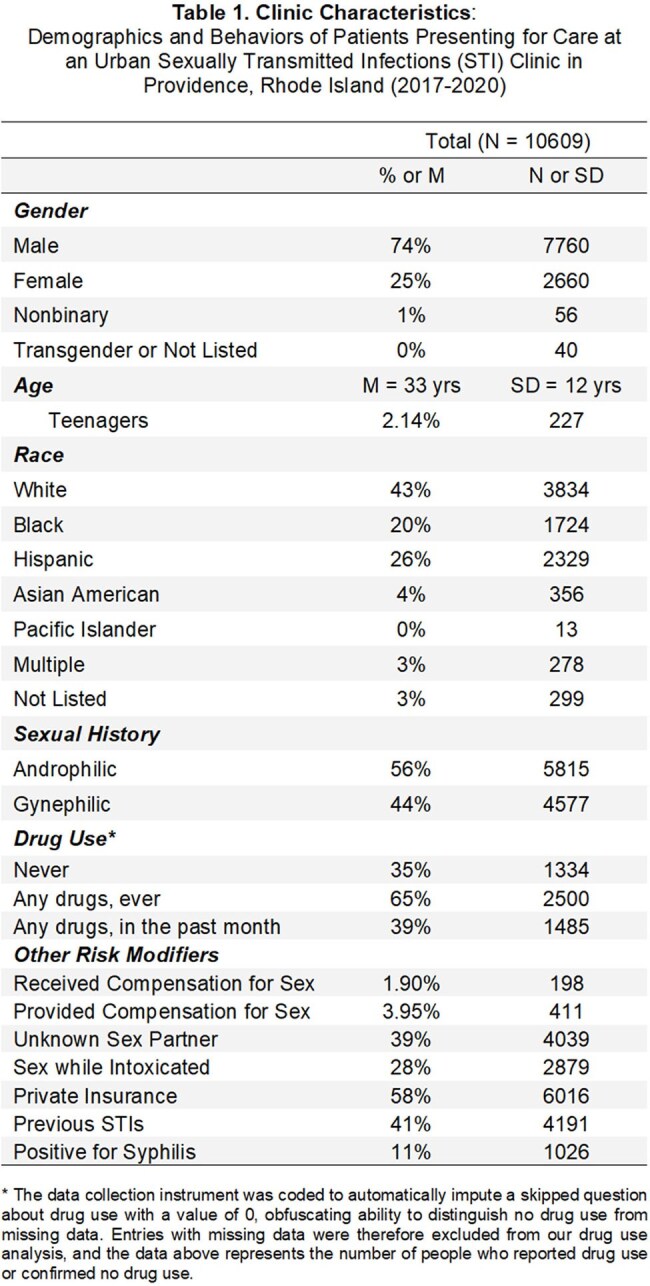 Figure 1
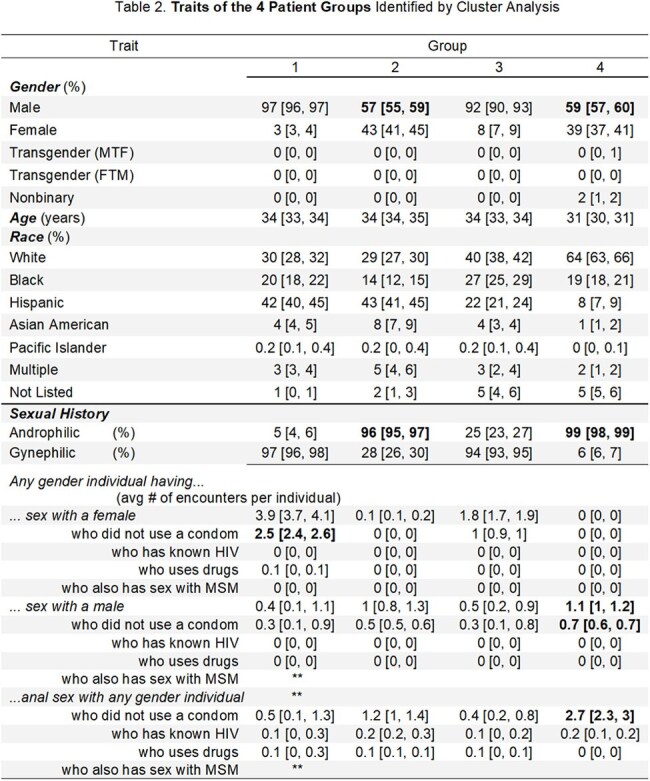 Figure 2
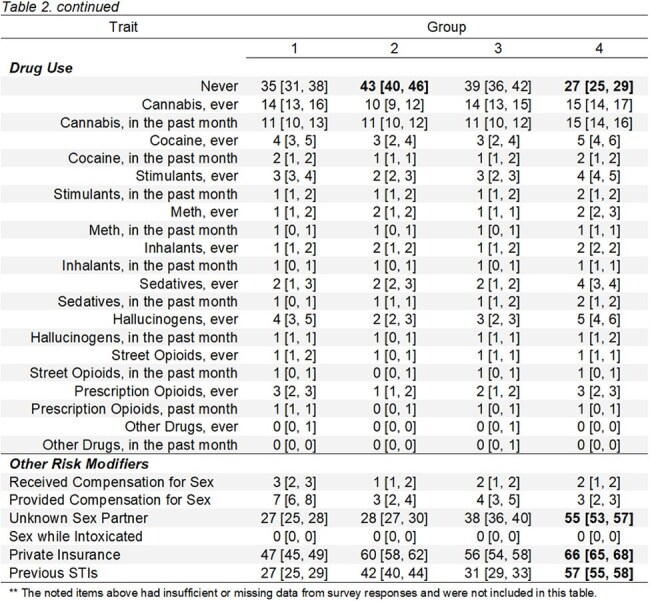 Figure 3
 Figure 4
Peer Reviews
No public reviews on file for this paper yet. If you reviewed it on a platform where reviews are public (OpenReview, ICLR, NeurIPS, ICML), you can paste yours below so the community can read it here.
Videos
No videos yet. Explain this paper in a talk, walkthrough, or lecture? Add one.
Taxonomy
TopicsSyphilis Diagnosis and Treatment · Reproductive tract infections research · Literature Analysis and Criticism