The Association Between Physical Activity and Obesity: A Systematic Review
Murwan Mageit, Mohammed Yossef Alhabib, Mohammed Alshamrani, Adel AlShahrani, Rakan AlShaalan, Huda AlAnazi, Wejdan Alharbi, Arwa S AlObaid, Saqer Abdullah AlHarthi

TL;DR
This review finds that physical activity is linked to lower obesity risk and better health outcomes across different age groups.
Contribution
The study systematically reviews evidence supporting physical activity as a key factor in reducing obesity prevalence and incidence.
Findings
Physical activity is inversely associated with obesity prevalence and incidence across diverse populations.
Regular physical activity improves body composition and metabolic outcomes.
Sedentary behavior is identified as a modifiable risk factor for obesity.
Abstract
Obesity and overweight represent major public health challenges due to their widespread prevalence and associated adverse outcomes. Substantial evidence highlights the protective role of physical activity in mitigating these conditions and related health risks. This systematic review seeks to examine the relationship between physical activity and obesity. This systematic review was conducted in accordance with the Preferred Reporting Items for Systematic Reviews and Meta-Analyses (PRISMA) guidelines. A comprehensive search was performed in PubMed, Scopus, and Web of Science using the terms “adult,” “overweight,” “obesity,” “physical activity,” and “exercise.” The review analyzed the relationship between physical activity and obesity-related indicators, including BMI, waist circumference, and body fat percentage, across human populations of varying age groups. The findings of this review…
Genes, proteins, chemicals, diseases, species, mutations and cell lines named across the full text — each resolved to its canonical identifier and authoritative record.
Click any figure to enlarge with its caption.
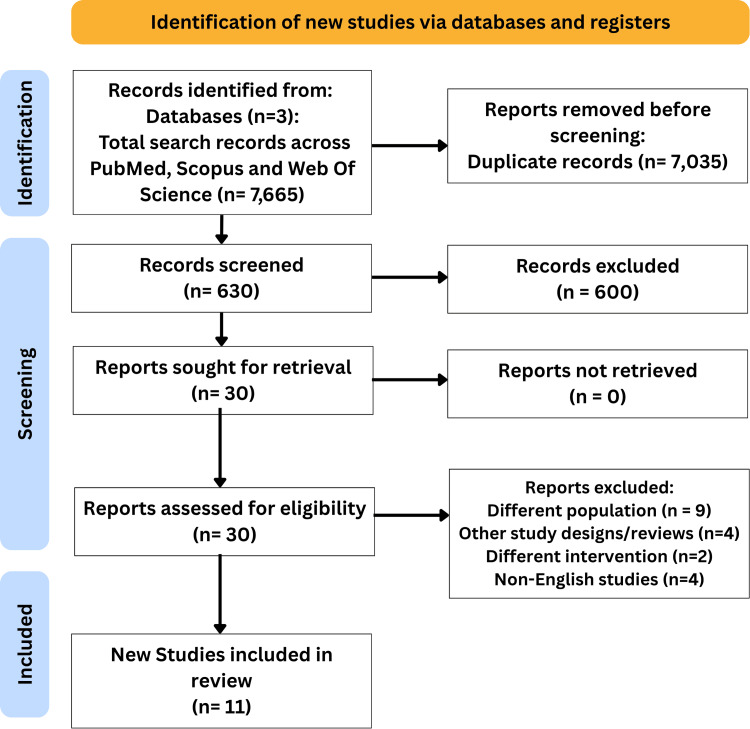 Figure 1
| Study ID | Year | Country | Study design | Sample size | Age (years) | Sex |
| Bell JA et al. [ | 2014 | UK | Cohort study | 3,670 participants | 55.5 ± 6.0 years | 73% males |
| Montgomerie AM et al. [ | 2014 | Australia | Biomedical cohort study | 1,521 participants | 44.6 ± 16.22 years | 50.6% males |
| Pavey TG et al. [ | 2016 | Australia | Longitudinal study | 2,735 women | 24.6 (20.6-28.5) years | 100% women |
| Hong I et al. [ | 2016 | USA | Cross-sectional | 1,640 children | 3-15 years | 49.8% females |
| Koolhaas CM et al. [ | 2017 | The Netherlands | Prospective cohort study | 5,344 participants | 68.5 ± 7.9 years | 60.1% women |
| Abd El-Shaheed A et al. [ | 2020 | Egypt | Cross-sectional | 89 adolescents | 10-18 years | 66.3% females |
| Mahumud RA et al. [ | 2021 | Global study | Cross-sectional | 282,213 adolescents | 11-17 years | 51.52% females |
| Zaki M and Youness ER [ | 2022 | Egypt | Cross-sectional | 600 subjects | 13-17 years | 58% females |
| Liu Y et al. [ | 2024 | Poland | Cross-sectional | 71 women | 68.8 ± 4.3 years | 100% women |
| Batiha AM et al. [ | 2024 | Jordan | Descriptive cross-sectional study | 1,554 participants | 14-18 years | 54% males |
| Nowara AS et al. [ | 2025 | Egypt | Cross-sectional | 368 medical students | 22.19 ± 1.66 years | 64.4% males |
| Study ID | Outcome of interest | Main findings |
| Bell JA et al. [ | Incident obesity | The analysis revealed a significant association between physical activity and incident obesity. Specifically, individuals who maintained high levels of physical activity combined with low amounts of leisure-time sitting exhibited the lowest risk of developing obesity after five years (OR = 0.26; 95% CI: 0.11-0.64). However, this protective effect appeared to decline over a ten-year follow-up period. |
| Montgomerie AM et al. [ | Incident obesity | Incident obesity was found to be associated with physical inactivity (RR = 1.48; 95% CI: 1.14-1.90 (SAMSS) and RR = 1.41; 95% CI: 1.03-1.93 (NWAHS)). However, this relationship weakened after adjusting for potential covariates. In contrast, physically inactive individuals had approximately a 41-48% higher risk of obesity (RRs = 1.41 and 1.48, respectively) compared with their active counterparts. |
| Pavey TG et al. [ | Change in BMI category | The findings indicated that maintaining extremely high physical activity levels reduced the risk of becoming overweight or obese during young adulthood. This supports sustained physical activity as a preventive strategy against weight gain in early life stages. |
| Hong I et al. [ | Childhood overweight and obesity | The odds ratio (OR) for obesity was 0.93 (95% CI: 0.87-0.98) when comparing the two physically active groups, indicating a protective effect of activity. However, although both overweight and normal-weight children engaged in physical activity, the overweight group experienced more pronounced functional limitations, which may have influenced the extent of their participation. |
| Koolhaas CM et al. [ | BMI categories, physical activity levels, and incidence of CVD events | Overweight and obese individuals who exercised infrequently were at higher risk of developing cardiovascular disease (CVD) compared with normal-weight individuals who engaged in regular physical activity. This suggests that insufficient exercise, rather than weight status alone, contributes substantially to elevated CVD risk. |
| Abd El-Shaheed A et al. [ | Pattern and intensity of physical activity among obese and non-obese adolescents | Physical activity habits and patterns differed between obese and non-obese Egyptian adolescents. Obese adolescents reported higher levels of activity, particularly aerobic exercise, which may reflect compensatory efforts to manage weight or meet health recommendations. |
| Mahumud RA et al. [ | Incidence of overweight/obesity; association of lifestyle risk factors (nutrition, physical activity, sedentary behavior) with overweight/obesity | A significant association was observed between unhealthy eating habits, physical inactivity, and the likelihood of being overweight or obese (RRR = 1.11; 95% CI: 1.06-1.17 and RRR = 1.20; 95% CI: 1.12-1.28, respectively). These findings suggest that poor dietary patterns combined with insufficient physical activity and prolonged sedentary behavior contribute to overweight and obesity among adolescents. |
| Zaki M and Youness ER [ | Metabolic syndrome (MS), dyslipidemia, and obesity in relation to physical activity | Physical inactivity was strongly associated with a higher risk of metabolic syndrome (MS), dyslipidemia, and obesity among adolescents, underscoring the role of active lifestyles in preventing metabolic and weight-related disorders. |
| Liu Y et al. [ | Obesity indicators (visceral fat, BMI, waist circumference, body fat %) | Postmenopausal women who engaged in at least 150 minutes of moderate-to-vigorous physical activity (MVPA) per week demonstrated lower obesity indices. Higher activity was linked to improved body composition, more favorable energy metabolism hormone profiles, and a reduced risk of metabolic syndrome. Increasing physical activity while reducing sedentary time may help prevent metabolic syndrome and cardiovascular disease (CVD) in this population. |
| Batiha AM et al. [ | Overweight and obesity in relation to exercise | The prevalence of overweight was higher (12%) among individuals who did not participate in any regular physical activity program. However, although no statistically significant association was observed between the overall amount of physical activity and weight status, the prevalence of overweight and obesity remained elevated across levels of sport participation. |
| Nowara AS et al. [ | Incidence of overweight and obesity | Medical students were found to be at considerable risk of overweight and obesity. Overweight and obese students reported significantly lower levels of physical activity compared with their non-overweight peers, suggesting that insufficient activity may contribute to excess weight in this population. |
| Study ID | Selection | Comparability | Outcome | Total score | |||||
| Representativeness of the exposed cohort | Selection of the non-exposed cohort | Ascertainment of exposure | Demonstration that outcome of interest was not present at start of study | Comparability of cohorts on the basis of the design or analysis | Assessment of outcome | Was follow-up long enough for outcomes to occur | Adequacy of follow-up of cohorts | Total score | |
| Bell JA et al. [ | * | * | * | * | * | * | - | * | 7 |
| Montgomerie AM et al. [ | * | * | * | * | ** | * | * | * | 9 |
| Pavey TG et al. [ | * | * | * | * | * | * | * | * | 8 |
| Koolhaas CM et al. [ | * | * | * | * | * | * | * | * | 8 |
| Study ID | Clear aim | Appropriate design | Adequate sample size | Clear population | Representative sample | Appropriate sampling | Addressed non-response bias | Direct data collection | Valid exposure measures | Valid outcome measure | Appropriate methods | Described statistics | Addressed risk and confounding factors | Consistent and discussed results | Certainty estimation | Addressed limitations |
| Hong I et al. [ | Yes | Yes | Yes | Yes | Yes | Yes | Partially | Yes | Yes | Yes | Yes | Yes | Yes | Yes | Yes | Yes |
| Abd El-Shaheed A et al. [ | Yes | Yes | Yes | Yes | Yes | Yes | No | Yes | Yes | Yes | Yes | Yes | Yes | Yes | Partially | Yes |
| Mahumud RA et al. [ | Yes | Yes | Yes | Yes | Yes | Yes | No | Yes | Yes | Yes | Yes | Yes | Yes | Yes | Yes | Yes |
| Zaki M and Youness ER [ | Yes | Yes | Yes | Yes | Yes | Yes | Partially | Yes | Yes | Yes | Yes | Yes | Yes | Yes | No | Partially |
| Liu Y et al. [ | Yes | Yes | Yes | Yes | Yes | Yes | Yes | Yes | Yes | Yes | Yes | Yes | Yes | Yes | Yes | Yes |
| Batiha AM et al. [ | Yes | Yes | Yes | Yes | Yes | Yes | Partially | Yes | Yes | Yes | Yes | Yes | Yes | Yes | Partially | Yes |
| Nowara AS et al. [ | Yes | Yes | No | Yes | Yes | Yes | Yes | Yes | Yes | Yes | Yes | Yes | Yes | Yes | Partially | Yes |
Peer Reviews
No public reviews on file for this paper yet. If you reviewed it on a platform where reviews are public (OpenReview, ICLR, NeurIPS, ICML), you can paste yours below so the community can read it here.
Videos
No videos yet. Explain this paper in a talk, walkthrough, or lecture? Add one.
Taxonomy
TopicsPhysical Activity and Health · Obesity, Physical Activity, Diet · Cardiovascular and exercise physiology
Introduction and background
Obesity and overweight refer to the abnormal and excessive accumulation of fat, which can have negative effects on health. The global incidence of obesity is increasing; by 2030, 3.3 billion adults, or 57.8 percent of the population, will be classified as overweight [1]. Obesity is influenced by a variety of factors, such as genetic predisposition, lack of physical activity, dietary choices, and behavioral factors [2]. There is a growing epidemic of obesity around the world. Being overweight increases the likelihood of developing numerous significant chronic diseases, such as heart disease, dyslipidemia, type 2 diabetes, high blood pressure, cancer, and osteoarthritis. Overweight or obesity is the fifth most common cause of mortality, resulting in the deaths of at least 2-8 million adults annually [3]. Healthy nutrition provides substantial health benefits. A nutritious diet is composed of a diverse array of natural, fresh foods, such as fruits and vegetables, and provides essential minerals and vitamins. Moreover, consistent physical activity and healthy dietary practices promote both physical and emotional well-being [4]. Adolescents are particularly vulnerable to eating disorders. In the past, obesity-related eating disorders were assessed utilizing the Three-Factor Eating Questionnaire (TFEQ). Subsequently, a revised questionnaire was developed, which comprises three components: “cognitive restraint,” “uncontrolled eating,” and “emotional eating” [5].
The prevalence of two lifestyle behaviors is a strong predictor of metabolic health, obesity, chronic illnesses including type 2 diabetes and cardiovascular diseases (CVD), and overall mortality: inactivity and a sedentary lifestyle [6]. The term “physical activity” refers to bodily movement facilitated by skeletal muscles that results in energy expenditure above the resting level. Movements that are light, moderate, or vigorous in intensity are considered physical activity. To be considered physical activity, a metabolic equivalent (MET) value of at least 1.6 units is required. In turn, sedentary behavior, also known as “sitting,” is characterized by minimal movement and is associated with an energy expenditure of 1.5 METs or less [7]. Sedentary behavior has the potential to influence health separately through various mechanisms, including dysregulation of lipoprotein lipase activity and inflammation, or simply by displacing moderate-to-vigorous physical activity (MVPA) [8]. Excess weight gain and obesity can be influenced by modifiable risk factors, one of which is an inactive lifestyle. Contrarily, the fact that regular physical activity has major positive effects on health is well known [9]. Overweight and obesity are among the many health problems that may benefit from increased physical activity, according to a growing body of research [10]. Higher life expectancy and a life free of diabetes are two outcomes associated with regular physical exercise. Being inactive raises the risk of obesity since it negatively affects body weight status [11]. The correlation between inactivity and weight gain has been the subject of a great deal of research, including both observational studies and randomized controlled trials (RCTs). Variations in study design, demographics, physical activity intensity and type, and obesity assessment methodologies have led to contradictory results. The objective of this systematic review was to evaluate and synthesize the current research on the relationship between physical activity and obesity in order to ascertain the extent to which physical exercise improves obesity-related outcomes across various demographics.
Review
Methods
The Preferred Reporting Items for Systematic Reviews and Meta-Analysis (PRISMA) procedure was adhered to in this systematic review [12].
Data sources and search strategy
Electronic databases such as PubMed, Scopus, and Web of Science were searched using keywords including “physical activity,” “exercise,” “adult,” “overweight,” and “obesity.” The electronic searches were restricted to studies published in English and involving human subjects. Additionally, we conducted a manual evaluation of the reference lists from the included clinical trials and prior reviews to identify potentially relevant studies.
Eligibility criteria
Inclusion Criteria
We included peer-reviewed articles of different study designs conducted in overweight or obese individuals of all ages to assess how physical activity correlated with obesity-related metrics such as BMI, waist circumference, and body fat percentage. We considered studies that measured physical activity clearly and reported direct outcomes associated with overweight or obesity.
Exclusion criteria
We excluded studies for the following reasons: (1) case reports, case series, editorials, commentaries, conference abstracts, reviews, meta-analyses, or non-peer-reviewed articles; (2) studies that did not clearly measure physical activity or those in which physical activity was combined with other interventions (e.g., pharmacological treatment) without the ability to isolate its independent effect; and (3) non-English articles.
Data extraction
Data extraction was conducted manually by two independent authors using a structured form. The collected data included the first author’s name, study location, study design, publication year, and sample size, in addition to participant demographic data such as age and sex. Additionally, the outcomes of interest and the key findings of included studies were extracted.
Quality assessment
Two authors independently evaluated the risk of bias of the included studies using the Newcastle-Ottawa Scale (NOS) to assess the quality of observational cohort studies (total score: 9 points). Total scores of 7-9 points were rated as high quality; 5-6 points were considered fair or moderate quality; and scores of 4 points or less were rated as poor quality [13]. Regarding cross-sectional studies, we used the AXIS critical appraisal tool to assess study quality [14].
Results
Search Results
During the initial search, 7665 records were found. After excluding duplicates, a total of 630 records underwent title and abstract screening. Of the 630 records, 600 articles were excluded according to predefined eligibility criteria. The remaining 30 full-text articles were assessed for eligibility. Finally, eleven articles were eligible for qualitative synthesis (Figure 1).
PRISMA flow diagram of included studies.PRISMA: Preferred Reporting Items for Systematic Reviews and Meta-Analyses.
Study Characteristics
Our comprehensive systematic review included 11 studies [13-23] encompassing diverse populations, study designs, and geographic regions (Table 1). Specifically, the studies represented a broad geographic distribution, including the United Kingdom, Australia, the USA, the Netherlands, Egypt, Poland, Jordan, and a global multi-country cohort. Furthermore, total sample sizes ranged from small observational samples (n = 71 participants) to large-scale cross-sectional studies involving over 280,000 adolescents worldwide, and covered children, adolescents, adults, and older adults. In terms of methodology, the review incorporated three cohort studies [13,14,17], one longitudinal study [15], and seven cross-sectional studies [16,18,23], thereby providing a comprehensive overview of the relationship between physical activity and obesity across different life stages. Collectively, the evidence indicated that higher levels of physical activity were consistently associated with lower obesity risk and improved body composition. Conversely, physical inactivity and sedentary behavior were linked to a greater likelihood of overweight and metabolic disorders, irrespective of age or demographic factors (Table 2).
Quality Assessment
The risk of bias assessment of four cohort and observational studies using the NOS tool showed overall good quality, with total scores ranging between 7 and 9 points (Table 3). Regarding the seven cross-sectional studies evaluated using the AXIS tool, all included studies showed a low risk of bias with acceptable quality, as shown in Table 4.
Discussion
The association between inactivity and excess body fat was investigated in this meta-analysis. Physical inactivity and sedentary behavior were associated with an increased risk of overweight, obesity, and related metabolic diseases across all age groups and demographic subgroups, whereas increased physical activity was associated with improved body composition and a decreased risk of obesity. The study by Bell JA et al. [15] examined the cumulative effect of prolonged sitting and moderate-to-vigorous physical activity on the risk of obesity and metabolic risk factors over time. They found that leisure-time sitting was associated with overweight, whereas being physically active was associated with a lower risk of obesity. The odds of developing obesity were lowest after five years for people who were very active and did not sit for long periods of time (OR = 0.26; 95% CI 0.11, 0.64), and they were even lower after ten years. After five years, there was a decreased likelihood of metabolic risk factor clustering for those who fell somewhere in the middle of the spectrum regarding their levels of physical activity and leisure-time sitting (OR 0.53; 95% CI 0.36, 0.78), and the odds remained similar after ten years. According to their research, if we want to significantly lower the risk of obesity, we may need to do more exercise and spend less time sitting [15].
In a study conducted by Boone JE et al. [26] on young adults, it was found that those who were more active and had lower screen-based sitting time had a lower chance of becoming overweight or obese after five years. However, this link was only evident in females [26]. It is not immediately clear what processes are at work in this connection. Theoretically, less sitting during leisure time may augment the beneficial effects of greater physical activity, either because of separate physiological mechanisms or because it reflects more participation in low-intensity activities such as standing [27]. An elevation in sedentary behavior correlated with the aggregation of metabolic risk factors in several cross-sectional investigations [28,29], regardless of physical activity levels; however, other research show that the strength of this link depends on activity levels [30,31]. Multiple prospective studies have shown that, regardless of whether participants engaged in moderate-to-vigorous physical activity, increased sitting time was linked with worsening insulin profiles [32] and the clustering of metabolic risk variables [33]. In contrast, additional research has shown that, over the course of several years of follow-up, more TV viewing time [34] and decreased physical activity independently predicted worse metabolic profiles.
The correlation between obesity and CVD risk in middle-aged and older adults was investigated in a prospective study by Koolhaas CM et al. [19] according to their levels of physical activity. People who were overweight or obese and did not exercise much were more likely to develop CVD than people of a healthy weight who exercised frequently. According to their research, CVD prevention benefits from exercise may exceed those of a healthy BMI in middle-aged and older adults. This shows that people of all weights should be active, and that being sedentary is dangerous even for those with a normal BMI.
In addition, a trial involving 18,892 men and women from Finland ranging from 25 to 74 years old found that being physically inactive is related to an increased risk of CVD on its own, but being overweight raises the risk by influencing other risk factors [35]. In accordance with the findings of the Women’s Health Study, higher levels of physical activity significantly reduce the risk of coronary heart disease associated with a higher body mass index [36]. However, the risk was not entirely eliminated, emphasizing the importance of maintaining a lean physique and participating in consistent physical activity [36]. Likewise, data from the Nurse’s Health Study involving 88,393 women aged 34 to 59 years indicated that moderate physical activity mitigated, but did not eradicate, the detrimental impact of obesity on the risk of coronary heart disease. They also demonstrated that maintaining a lean physique did not mitigate the heightened risk linked to physical inactivity [37].
Extensive research has been conducted on the negative impact of overweight and obesity on the risk of CVD. Increased inflammation, atherosclerosis, endothelial dysfunction, and coagulation problems are some of the ways in which adipose tissue affects cardiac function through the release of interleukins, free fatty acids, and cytokines [38]. The CVD risk benefits linked to physical activity are thought to be caused by a decrease in myocardial oxygen demand, stabilization of vulnerable plaques (reducing the risk of plaque rupture), and improved endothelial function. It may be deduced from this that engaging in physical activity has the ability to directly mitigate and counteract the detrimental impact of prothrombotic substances generated by adipose tissue [36].
Conclusions
In conclusion, this systematic review revealed that increased physical activity levels were negatively correlated with the prevalence and incidence of obesity among various populations. Consistent physical exercise lowered obesity risk, improved body composition, and produced beneficial metabolic outcomes, whereas a sedentary lifestyle and lack of physical activity remained substantial modifiable risk factors for obesity and its related diseases. Future research should emphasize longitudinal studies utilizing objective assessments of physical activity and adiposity, while also accounting for contextual and socio-environmental factors that may affect activity patterns. The creation and execution of evidence-based initiatives that encourage continuous physical activity from early childhood to adulthood are crucial to alleviating the worldwide obesity burden.
The reference list from the paper itself. Each links out to its DOI / PubMed record.
- 1High prevalence of preobesity and obesity among medical students of Lahore and its relation with dietary habits and physical activity Indian J Endocrinol Metab Khan ZN Assir MZ Shafiq M Chaudhary AE Jabeen A 2062102020162704241710.4103/2230-8210.176357 PMC 4792022 · doi ↗ · pubmed ↗
- 2Prevalence of overweight and obesity among medical students and their knowledge, attitude and practices about obesity Int J Sci Rep Deotale MK Ranganathan U Akarte SV 747912015
- 3A study to assess prevalence of obesity among medical students of GR Medical College, Gwalior, MP, India Int J Res Med Sci Tiwari R Jain V Rajput AS Bhagwat AK Goyal M Tiwari S 1412141622014 https://www.msjonline.org/index.php/ijrms/article/view/2433
- 4Dietary habits and lifestyle among adolescents in Damascus, Syria Ann Agric Environ Med Musaiger A Kalam F 4164192120142495980110.5604/1232-1966.1108616 · doi ↗ · pubmed ↗
- 5Psychometric properties and factor structure of the Three-Factor Eating Questionnaire (TFEQ) in obese men and women. Results from the Swedish Obese Subjects (SOS) study Int J Obes Relat Metab Disord Karlsson J Persson LO Sjöström L Sullivan M 171517252420001112623010.1038/sj.ijo.0801442 · doi ↗ · pubmed ↗
- 6Sedentary time in adults and the association with diabetes, cardiovascular disease and death: systematic review and meta-analysis Diabetologia Wilmot EG Edwardson CL Achana FA 289529055520122289082510.1007/s 00125-012-2677-z · doi ↗ · pubmed ↗
- 7The evolving definition of "sedentary"Exerc Sport Sci Rev Pate RR O'Neill JR Lobelo F 1731783620081881548510.1097/JES.0b 013e 3181877 d 1a · doi ↗ · pubmed ↗
- 8Effects of substituting sedentary time with physical activity on metabolic risk Med Sci Sports Exerc Hamer M Stamatakis E Steptoe A 194619504620142467497710.1249/MSS.0000000000000317 PMC 4186723 · doi ↗ · pubmed ↗