High‐order attention mechanism of MR imaging features predicts differential diagnosis for dementia
WonJun Chun, Sung‐Woo Kim, Yeong‐Hun Song, Joon‐Kyung Seong, Min Seok Baek, Wha Jin Lee

TL;DR
This study uses a new attention mechanism in MRI data to better distinguish between different types of dementia, improving diagnostic accuracy.
Contribution
A novel high-order attention mechanism is introduced to enhance dementia subtype differentiation using MRI features.
Findings
Five MRI features showed significant differences in Parkinson's Disease, six in Dementia with Lewy Bodies, and eight in subcortical vascular dementia.
SVM classification using risk scores achieved an average AUC of 0.96 for distinguishing AD from non-AD groups.
The high-order attention mechanism outperformed traditional volume-based methods in predictive power.
Abstract
Accurate differential diagnosis of dementia types is crucial for guiding therapeutic strategies. Previous studies using magnetic resonance imaging (MRI) for differential diagnosis focused on different patterns of cortical atrophy among dementia groups. In this study, we apply novel high‐order attention mechanism to classify four different diseases of dementia, of which low‐order attention was learned based on the task of classifying amyloid pathology in the spectrum of Alzheimer's disease. By leveraging an attention mechanism‐based deep learning model, we assess how non‐AD groups exhibit deviations in these predictive MRI features, enabling more precise differentiation of dementia subtypes. We collected 99 T1‐weighted MRI images and demographic and clinical information from Wonju Severance Christian Hospital, including 24 subjects with AD (amyloid confirmed), 25 subjects each with…
Genes, proteins, chemicals, diseases, species, mutations and cell lines named across the full text — each resolved to its canonical identifier and authoritative record.
Click any figure to enlarge with its caption.
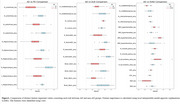 Figure 1
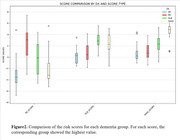 Figure 2
Peer Reviews
No public reviews on file for this paper yet. If you reviewed it on a platform where reviews are public (OpenReview, ICLR, NeurIPS, ICML), you can paste yours below so the community can read it here.
Videos
No videos yet. Explain this paper in a talk, walkthrough, or lecture? Add one.
Taxonomy
TopicsDementia and Cognitive Impairment Research · Brain Tumor Detection and Classification · Neurological and metabolic disorders