Amyloid PET and changes in clinical management among ethnoracially diverse and clinically atypical individuals: Findings from New IDEAS
Charles C. Windon, Constantine Gatsonis, Justin Romanoff, Lucy Hanna, Peggye Dilworth‐Anderson, Maria C. Carrillo, Ilana F Gareen, Emily Glavin, Bruce E Hillner, Andrew March, Robert A. Rissman, Barry A. Siegel, Karen Smith, Rachel A. Whitmer, Christopher J. Weber

TL;DR
This study shows that amyloid PET scans lead to changes in how doctors manage patients with cognitive issues, including diverse ethnic groups and those with atypical Alzheimer's symptoms.
Contribution
The study provides evidence of amyloid PET's impact on clinical decisions in diverse and atypical Alzheimer's populations previously underrepresented in research.
Findings
Amyloid PET scans led to clinical management changes in over 50% of Black/African American and Hispanic/Latino participants.
Participants with atypical Alzheimer's presentations also experienced significant changes in management after amyloid PET scans.
Black/African American participants with positive amyloid PET results had a higher likelihood of management changes.
Abstract
Amyloid PET use has been associated with change in clinical management among cognitively impaired older adults but various ethnoracial groups were underrepresented in prior studies. New IDEAS examined whether this association exists among cognitively impaired ethnoracially diverse Medicare beneficiaries and beneficiaries presenting with clinically “atypical” (non‐memory predominant) presentations of Alzheimer's disease (AD). New IDEAS was a national, multi‐site, prospective, longitudinal study that enrolled Medicare beneficiaries with mild cognitive impairment (MCI) or dementia who underwent amyloid PET scan as recommended by their treating dementia specialists at “real‐world” clinics. The study examined association between amyloid PET and subsequent change in clinical management within 90 days of PET. Primary endpoint was change in management between pre‐ and post‐PET visits defined…
Genes, proteins, chemicals, diseases, species, mutations and cell lines named across the full text — each resolved to its canonical identifier and authoritative record.
Click any figure to enlarge with its caption.
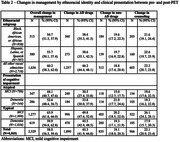 Figure 1
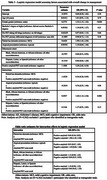 Figure 2
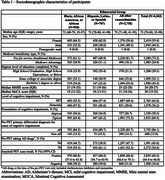 Figure 3
Peer Reviews
No public reviews on file for this paper yet. If you reviewed it on a platform where reviews are public (OpenReview, ICLR, NeurIPS, ICML), you can paste yours below so the community can read it here.
Videos
No videos yet. Explain this paper in a talk, walkthrough, or lecture? Add one.
Taxonomy
TopicsDementia and Cognitive Impairment Research · Alzheimer's disease research and treatments · Intensive Care Unit Cognitive Disorders