Tai Chi for cardiovascular wellness: Integrating an ancient practice into modern therapeutic approaches
Chun-Han Cheng, Wen-Rui Hao, Huan-Yuan Chen, Po-Yuan Chen, Ju-Chi Liu, Tzu-Hurng Cheng

TL;DR
This paper explores how Tai Chi, a traditional Chinese practice, can improve cardiovascular health and well-being when integrated into modern therapy.
Contribution
The study highlights Tai Chi's role as a complementary therapy and addresses barriers to its adoption in cardiovascular rehabilitation.
Findings
Tai Chi improves cardiovascular fitness, lowers blood pressure, and enhances vascular function.
It also reduces stress and promotes emotional well-being.
The study identifies cultural and training barriers to its widespread adoption.
Abstract
Tai Chi, a traditional Chinese martial art characterized by gentle, fluid movements and deep breathing, has gained increasing recognition for its cardiovascular health benefits. This study investigated the integration of Tai Chi into contemporary cardiovascular health practices, focusing on its physiological and psychological effects. The slow, controlled movements characteristic of Tai Chi contribute to enhanced cardiovascular fitness, decreased blood pressure, and improved vascular function, while simultaneously alleviating stress and fostering emotional well-being. Through a review of clinical studies and trials, this study underscores the efficacy of Tai Chi in cardiovascular rehabilitation programs and its accessibility as a community-based intervention. Additionally, this study addresses obstacles to widespread adoption, including cultural barriers and the lack of standardized…
Genes, proteins, chemicals, diseases, species, mutations and cell lines named across the full text — each resolved to its canonical identifier and authoritative record.
Click any figure to enlarge with its caption.
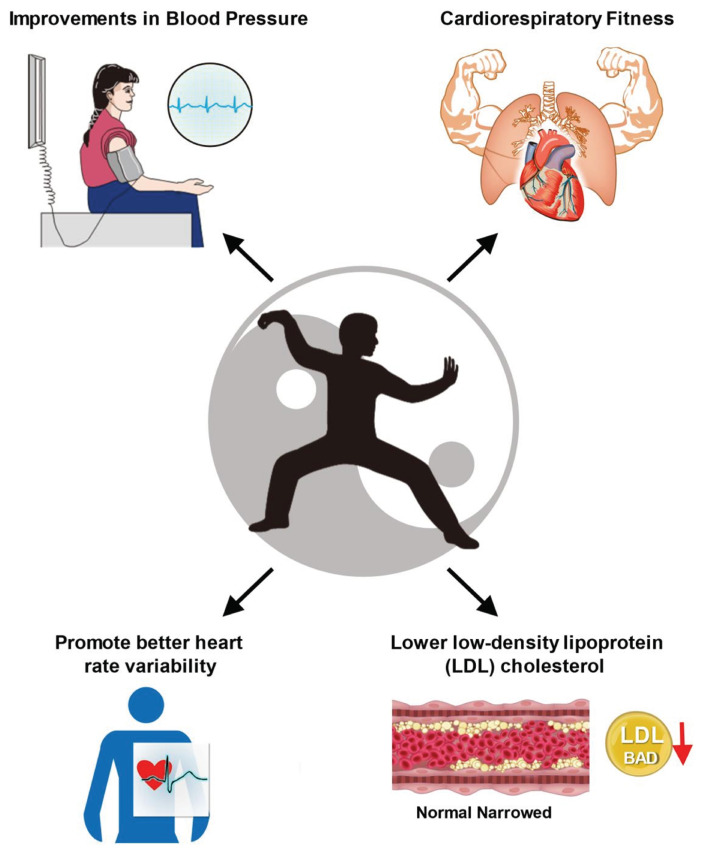 Figure 1
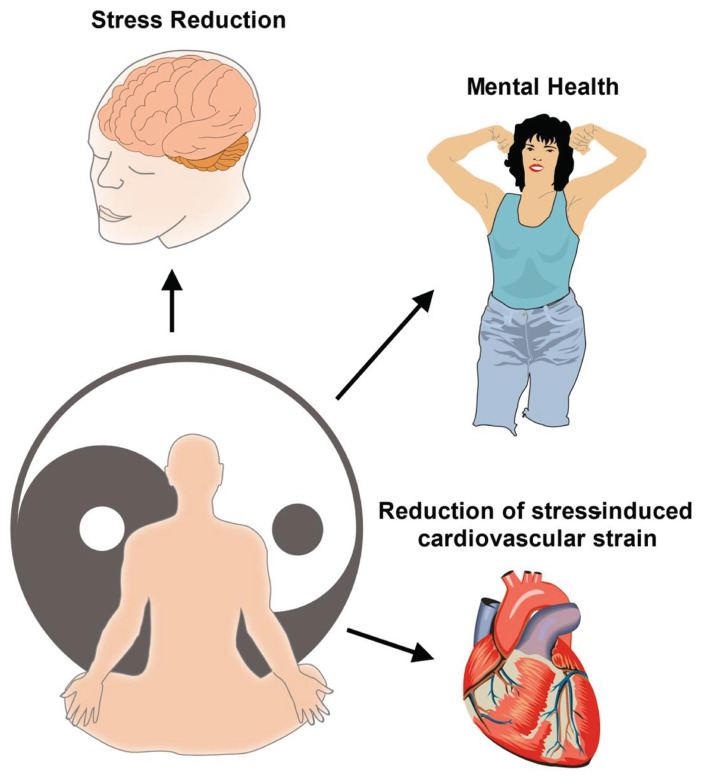 Figure 2
Peer Reviews
No public reviews on file for this paper yet. If you reviewed it on a platform where reviews are public (OpenReview, ICLR, NeurIPS, ICML), you can paste yours below so the community can read it here.
Videos
No videos yet. Explain this paper in a talk, walkthrough, or lecture? Add one.
Taxonomy
TopicsBalance, Gait, and Falls Prevention · Biofield Effects and Biophysics · Cardiovascular and exercise physiology
Introduction
Tai Chi, an ancient Chinese practice combining slow, meditative movements with mindful breathing, has evolved significantly from its origins in martial arts to become a globally recognized exercise for health and wellness [1,2].
Initially developed as a martial art, Tai Chi’s deliberate, flowing movements are designed to cultivate internal energy, or “Qi (Chi),” while fostering physical and mental equilibrium. Over centuries, it has been celebrated for improving not only physical fitness but also mental well-being and overall life balance [2,3]. Today, Tai Chi is widely acknowledged as a holistic practice that integrates the body, mind, and spirit, offering a variety of health benefits, particularly in the context of cardiovascular health [4]. Cardiovascular diseases (CVDs), including coronary artery disease, hypertension, and heart failure, remain the leading causes of death globally, significantly contributing to morbidity and mortality [3,5]. Traditional approaches to cardiovascular health emphasize lifestyle interventions such as diet and regular exercise, along with pharmacological treatments. However, the rising prevalence of CVDs has spurred interest in complementary therapies like Tai Chi, which can enhance conventional treatments and offer a more holistic approach to care [4,6,7]. Integrating Tai Chi into cardiovascular health management reflects a blend of ancient wisdom with modern medical practices. This low-impact, accessible form of exercise is particularly suited to individuals with cardiovascular conditions, offering a gentle yet effective means of improving cardiovascular function without undue physical strain [4,8]. Studies suggest Tai Chi enhances cardiovascular fitness, lowers blood pressure, and positively impacts lipid profiles, all of which are crucial in managing CVDs [4,9,10].
Also, Tai Chi’s mindfulness and meditative elements play a crucial role in reducing stress, a significant risk factor for cardiovascular diseases [11,12]. By promoting relaxation and emotional balance, Tai Chi offers a comprehensive approach to cardiovascular health (see Fig. 1). The purpose of this article is to provide a narrative review of current research on Tai Chi’s potential benefits for cardiovascular health. While it does not employ a systematic review or meta-analysis, this article synthesizes existing studies, highlights key findings, and outlines Tai Chi’s role in cardiovascular care. Practical considerations for incorporating Tai Chi into cardiovascular rehabilitation programs are discussed, along with challenges to broader adoption, such as cultural perceptions and the need for standardized instructor training [13]. Although Tai Chi shows great promise as a complementary therapy, further research, including systematic reviews and meta-analyses, is essential to firmly establish its role in evidence-based cardiovascular care [4,14]. Briefly, this paper advocates for the broader acceptance of Tai Chi in cardiovascular health management, emphasizing its potential to bridge traditional and modern healthcare practices. By providing a balanced, integrative approach, Tai Chi aligns with patients’ holistic needs and offers a valuable addition to contemporary cardiovascular wellness strategies [4,8,15].
Understanding Tai Chi
Tai Chi, or Tai Chi Chuan, is a widely practiced, low-impact exercise renowned for its health benefits. Rooted in ancient Chinese philosophy, Tai Chi embodies the principles of Yin and Yang, symbolizing balance and harmony. This practice involves a series of slow, deliberate movements synchronized with controlled breathing and focused mental attention, promoting both physical and mental well-being [1]. At the core of Tai Chi is the concept of Qi, the vital energy believed in traditional Chinese medicine (TCM) to flow throughout the body, essential for maintaining health. Tai Chi aims to enhance the circulation of Qi through the body’s meridian system, increasing vitality and reducing stress [2]. Tai Chi encompasses several distinct styles, each with unique characteristics but sharing the same foundational principles. The most popular styles are Chen, Yang, Wu, and Sun. Chen, the oldest style, is known for its dynamic movements and low stances. The Yang style, the most widely practiced, features gentle, flowing movements, making it accessible to people of all ages and fitness levels. The Wu style is characterized by smaller, more compact movements, while the Sun style, which incorporates elements of Tai Chi, Xingyiquan, and Baguazhang, is recognized for its agile, smooth motions [3]. Each style of Tai Chi includes specific forms or sets―sequences of movements performed slowly and continuously. These forms vary in complexity and duration, from brief routines to longer, intricate sequences. Regardless of style or form, Tai Chi’s core principles―relaxation, proper alignment, and the integration of body and mind―remain consistent [6]. Beyond physical exercise, Tai Chi is a holistic mind-body practice. By coordinating breath with movement and focusing the mind, Tai Chi becomes a meditative discipline that promotes mental clarity and emotional stability. Many practitioners report feeling calm and centered after practice, attributing these effects to Tai Chi’s meditative qualities [4].
Increasing scientific evidence supports Tai Chi’s health benefits, particularly in reducing stress, improving balance and flexibility, and supporting cardiovascular health (see Table 1). Tai Chi’s relaxation and stress-mitigation benefits help lower blood pressure and improve heart rate variability―key factors in cardiovascular health [8]. In sum, Tai Chi is a multifaceted practice rooted in ancient Chinese philosophy that combines physical movement, breath control, and mental focus to foster holistic well-being. Its diverse styles and forms make it accessible to a wide audience, while its integrative approach offers substantial benefits for physical, mental, and emotional health [13,14].
Cardiovascular health and traditional therapies
Cardiovascular health is essential for overall wellbeing, as it relies on the efficient functioning of the heart and blood vessels to maintain proper blood flow and nutrient delivery throughout the body [3]. Traditional management of cardiovascular health typically includes pharmacological treatments, lifestyle changes such as diet and exercise, and, in some cases, surgical interventions. Despite these approaches, the growing prevalence of cardiovascular diseases (CVDs) has spurred interest in complementary and alternative therapies to enhance conventional treatments and support holistic care [16]. Traditional therapies encompass a diverse range of practices rooted in cultural and historical traditions, including TCM, Ayurveda, and other indigenous medical systems [6]. These approaches prioritize balancing bodily systems, promoting holistic health, and emphasizing preventive care. In cardiovascular health, therapies like acupuncture, herbal medicine, and mindbody practices such as Tai Chi and Qigong are gaining attention for their potential benefits [2]. Tai Chi, known for its gentle, flowing movements combined with focused breathing and mindfulness, has emerged as a particularly promising therapy for cardiovascular health. Unlike high-intensity exercises that may not be suitable for individuals with cardiovascular conditions, Tai Chi provides a low-impact, accessible form of physical activity that can enhance cardiovascular fitness without placing excessive strain on the heart [3]. Regular practice of Tai Chi has been linked to reductions in blood pressure, improvements in lipid profiles, and overall enhanced cardiovascular function [17]. Integrating Tai Chi and other traditional therapies into cardiovascular care represents a shift toward an integrative health approach, blending modern medical practices with ancient traditions to address the complexities of cardiovascular health. Tai Chi, by promoting relaxation and reducing stress, helps mitigate key risk factors for CVDs [18]. Its meditative qualities also support emotional well-being, which is increasingly recognized as an important factor in cardiovascular health [9]. Clinical research reinforces the efficacy of traditional therapies like Tai Chi, with studies showing notable improvements in cardiovascular markers and quality of life for those who incorporate it into their routines [8]. These findings suggest that traditional therapies can play a valuable role in comprehensive cardiovascular care, particularly for individuals seeking non-pharmacological interventions [8]. In brief, integrating traditional therapies such as Tai Chi into cardiovascular health practices offers a holistic approach that complements conventional treatments. By bridging ancient wisdom with modern medicine, these practices provide a balanced strategy for managing cardiovascular health, addressing both the physical and psychological aspects of wellbeing [1,19].
Mechanisms of Tai Chi’s cardiovascular benefits
The cardiovascular benefits of Tai Chi arise from its unique blend of physical activity, stress reduction, and mind-body integration. Understanding these mechanisms involves examining both the physiological and psychological impacts of this ancient practice. Tai Chi’s slow, deliberate movements contribute to cardiovascular fitness through moderate aerobic activity, raising the heart rate and promoting blood circulation without excessive strain. Studies show that regular practice improves endothelial function, which is essential for vascular health. Endothelial cells lining blood vessels play a crucial role in regulating blood pressure and preventing atherosclerosis; by supporting healthy endothelial function, Tai Chi helps maintain flexible, healthy blood vessels, reducing the risk of hypertension and other cardiovascular diseases [3]. Moreover, Tai Chi positively impacts lipid profiles by lowering low-density lipoprotein (LDL) cholesterol and triglycerides while increasing high-density lipoprotein (HDL) cholesterol, which reduces the risk of plaque buildup in the arteries, a major factor in coronary artery disease [6]. The practice also stimulates the lymphatic system, promoting detoxification and supporting overall cardiovascular health [4]. Research further underscores Tai Chi’s role in improving heart rate variability, which reflects better autonomic regulation and cardiovascular function. For instance, combining Tai Chi with resistance band exercises has been shown to enhance heart rate variability and overall fitness in older adults [4,8]. Improved heart rate variability is particularly beneficial in reducing stress and promoting heart health. Systematic reviews and meta-analyses confirm that Tai Chi significantly enhances cardiorespiratory fitness, increasing oxygen uptake and supporting efficient heart and lung function [13]. These physiological improvements collectively contribute to a reduced risk of cardiovascular disease and better cardiovascular well-being. Stress is a significant risk factor for cardiovascular disease, contributing to conditions such as hypertension, heart attacks, and strokes. With its emphasis on controlled breathing and mental focus, Tai Chi serves as an effective tool for managing stress. By promoting mindfulness and present-moment awareness, Tai Chi reduces cortisol levels―a hormone closely associated with stress [14]. Lower cortisol levels, in turn, help reduce blood pressure and heart rate, easing strain on the cardiovascular system. Tai Chi also enhances psychological resilience by improving heart rate variability, an indicator of a healthier autonomic nervous system and cardiovascular function [8]. Elevated heart rate variability not only improves the body’s stress response but also promotes cardiovascular stability during challenging situations [20]. These psychological benefits, including reduced stress and enhanced heart rate variability, are central to Tai Chi’s contributions to cardiovascular health. Clinical studies further validate Tai Chi’s cardiovascular benefits. Regular practitioners show significant improvements in cardiovascular markers, with lower blood pressure and improved arterial compliance compared to non-practitioners [16]. Tai Chi also reduces levels of C-reactive protein, an inflammatory marker linked to cardiovascular risk [17]. This moderate aerobic exercise enhances cardiorespiratory fitness [13], while its effects on endothelial function support vascular health, reducing the risk of hypertension and atherosclerosis [18]. Additionally, Tai Chi improves lipid profiles by lowering LDL cholesterol and triglycerides and increasing HDL cholesterol, which helps prevent arterial plaque buildup [9]. Furthermore, Tai Chi promotes better heart rate variability, aiding in stress regulation and cardiovascular stability, particularly beneficial for those with chronic heart conditions. The practice also supports lymphatic system function, aiding detoxification and contributing to cardiovascular health [4]. Overall, Tai Chi offers a holistic approach to cardiovascular health by combining moderate aerobic exercise, enhanced endothelial function, improved lipid profiles, stress reduction, and increased heart rate variability (see Fig. 2). These combined effects make Tai Chi a powerful integrative practice that promotes both physical and mental well-being, bridging the gap between traditional exercise and mind-body wellness.
Case studies and practical applications
Case studies and practical applications highlight Tai Chi’s positive impact on cardiovascular health, showcasing its potential as a valuable addition to comprehensive care. Numerous case reports illustrate Tai Chi’s broad benefits across various demographics and health conditions. For example, research on older adults practicing abdominal breathing through Tai Chi showed notable improvements in heart rate variability, a key indicator of cardiovascular health [3]. Likewise, a study involving patients with advanced lung cancer found that Tai Chi improved sleep quality more effectively than other aerobic exercises [6]. In addition, a systematic review identified Tai Chi as an effective component in alternative models of cardiac rehabilitation, reinforcing its role in promoting cardiovascular health [4]. Collectively, these examples underscore Tai Chi’s versatility and effectiveness in enhancing cardiovascular outcomes across different populations and conditions (see Table 2). Tai Chi’s gentle yet powerful approach has led to its integration into cardiac rehabilitation programs, providing patients with a holistic way to improve physical health while alleviating psychological stress. Many hospitals and rehabilitation centers now incorporate Tai Chi into their programs, reporting significant improvements in both physical fitness and mental wellbeing among participants [8]. Community-based Tai Chi classes have also expanded access, with local health organizations and senior centers frequently offering tailored programs for older adults aimed at improving cardiovascular health, balance, and fall prevention [13]. These classes provide a supportive environment where participants can safely engage in beneficial physical activity, enhancing both cardiovascular health and overall well-being [14]. To maximize the cardiovascular benefits of Tai Chi, proper instructor training and certification are essential. Qualified instructors can adapt sessions to meet the needs of individuals with cardiovascular conditions, ensuring both safety and effectiveness [8]. Guidelines recommend starting with shorter, less intense sessions and gradually increasing duration and complexity as fitness levels improve. Raising awareness of Tai Chi’s advantages through patient education and healthcare provider recommendations can also encourage broader adoption. Healthcare professionals should consider suggesting Tai Chi as a complementary therapy, especially for patients who would benefit from a low-impact, stress relieving exercise [13]. Integrating Tai Chi into cardiovascular care offers a holistic approach that supports both physical and mental health. Case studies and practical applications demonstrate its effectiveness in improving cardiovascular markers and enhancing overall well-being. By incorporating Tai Chi into rehabilitation programs and community classes, healthcare providers can offer a versatile, accessible tool for supporting cardiovascular health.
Challenges and considerations
Despite its numerous benefits, integrating Tai Chi into cardiovascular health practices presents several challenges that must be addressed to ensure safe and effective implementation. One significant barrier is the difficulty of establishing Tai Chi programs in certain environments, such as assisted living facilities. Constraints like limited space, a shortage of trained staff, and logistical issues can impede successful integration [3]. Also, cultural perceptions of Tai Chi as a traditional rather than a structured exercise regimen may deter individuals more accustomed to Western fitness methods [6]. Some may view Tai Chi as too low in intensity compared to activities like jogging or cycling, even though evidence demonstrates its positive effects on cardiovascular and overall health [4]. Overcoming these barriers requires a coordinated effort to educate healthcare providers and the public on the tangible benefits of Tai Chi and its practical applications across various healthcare settings. While generally safe for most individuals, Tai Chi still necessitates certain precautions, especially for specific populations. Such as, individuals with chronic heart failure may need careful monitoring and supervision during sessions to ensure safety and maximize benefits [8]. Pregnant women should also approach Tai Chi cautiously, as the effects of Tai Chi on pregnancy outcomes are not fully understood and modifications may be required to accommodate physiological changes [13]. Furthermore, people with musculoskeletal injuries or balance disorders should consult healthcare professionals to determine the suitability of Tai Chi and any necessary adjustments [14]. Personalized assessments and guidance are essential to ensure safe practice and minimize risks. Despite its proven benefits, access to Tai Chi programs remains limited for certain populations. Implementing Tai Chi in assisted living facilities has shown a reduction in fall risks and an improvement in quality of life for older adults [3]; however, disparities persist, particularly for marginalized communities. Ensuring inclusivity and equity in Tai Chi program availability is crucial, allowing individuals―regardless of socioeconomic status or location―to benefit from the practice. Partnerships between community organizations and healthcare providers can help overcome access barriers and extend Tai Chi programs to underserved populations. Addressing the challenges of integrating Tai Chi into cardiovascular health practices is essential to maximizing its benefits and ensuring wider access. By overcoming barriers to adoption, prioritizing safety, and promoting inclusivity, Tai Chi can become a valuable complementary therapy in modern cardiovascular care. Collaborative efforts among healthcare providers, policymakers, and community stakeholders are key to unlocking Tai Chi’s full potential for promoting cardiovascular health for all.
Future directions
With growing evidence supporting Tai Chi’s cardiovascular benefits, several promising pathways for future research and practice have emerged, offering opportunities for deeper integration and optimization within modern healthcare. Although Tai Chi’s advantages are increasingly recognized, key research gaps remain. Further studies are needed to explore its effects on specific health conditions, such as sleep quality in patients with advanced lung cancer [3], as well as its potential for managing insomnia and improving sleep health in broader populations [6]. Research should also examine Tai Chi’s efficacy among specific groups, like pregnant women, and assess its impact on physical, mental, and cognitive well-being across different age ranges [4,8]. Addressing these gaps will broaden our understanding of Tai Chi’s diverse applications and refine its use in clinical settings. A primary research focus should be on understanding Tai Chi’s benefits for special populations. For example, tailoring Tai Chi interventions for pregnant women could significantly enhance physical activity levels, supporting improved health outcomes [4]. Moreover, examining Tai Chi’s role in managing chronic conditions, such as heart failure, will offer insights into its safety and effectiveness for vulnerable populations [13]. Customizing interventions for diverse groups will optimize health outcomes and enhance quality of life for a wider range of individuals. Integrating Tai Chi into mainstream healthcare will require addressing institutional barriers and fostering acceptance among healthcare providers. Developing evidence-based guidelines for incorporating Tai Chi into cardiovascular rehabilitation programs will establish a framework for standardized practice [13,14]. Collaboration between healthcare providers, Tai Chi instructors, and community organizations can facilitate the implementation of Tai Chi initiatives within existing care pathways, ensuring patients benefit from this holistic approach [4,20]. Advocacy will be essential for expanding Tai Chi’s reach in healthcare. Raising awareness of its cardiovascular benefits among policymakers, healthcare organizations, and insurers can help drive policy changes, including reimbursement for Tai Chi programs [6]. Public education campaigns that highlight Tai Chi’s evidence-based benefits while dispelling misconceptions can also promote greater participation, particularly among individuals at risk for cardiovascular disease. The future of Tai Chi in cardiovascular health lies in advancing research, tailoring interventions for specific populations, integrating Tai Chi into healthcare systems, and advocating for its broader adoption. By addressing these priorities, Tai Chi has the potential to become a widely recognized therapy for promoting cardiovascular wellness and enhancing overall health and well-being.
Conclusion
Tai Chi presents a promising approach to cardiovascular wellness, skillfully merging ancient wisdom with contemporary medical practice. Through gentle movements, controlled breathing, and meditative focus, Tai Chi contributes notable cardiovascular benefits, such as improved fitness, blood pressure regulation, and reduced stress [21,22]. Clinical studies affirm Tai Chi’s effectiveness in enhancing cardiovascular markers and overall quality of life, establishing it as a valuable complementary therapy in cardiovascular care. While challenges remain in the widespread adoption of Tai Chi, ongoing efforts are focused on integrating it into mainstream healthcare systems, fueled by growing evidence of its efficacy and increasing patient demand for alternative therapies [23]. Overcoming barriers to access, ensuring safe practice, and fostering cultural competence are essential steps toward fully realizing Tai Chi’s potential for cardiovascular health. Future research should prioritize addressing existing knowledge gaps, tailoring interventions for specific populations, and advocating for policy changes that facilitate wider adoption [24,25]. By fostering collaboration among healthcare providers, policymakers, and community stakeholders, Tai Chi can become a mainstream therapy for cardiovascular wellness, empowering individuals to lead healthier, more balanced lives. With its accessible, gentle nature and profound mind-body benefits, Tai Chi is poised to transform cardiovascular care and advance holistic well-being.
The reference list from the paper itself. Each links out to its DOI / PubMed record.
- 1Robins JL Elswick RK Mc Cain NL The story of the evolution of a unique tai chi form: origins, philosophy, and research J Holist Nurs 2012 30 134 46 10.1177/0898010111423427 22228833 PMC 3762493 · doi ↗ · pubmed ↗
- 2Lewis DE T’ai chi ch’uan Complement Ther Nurs Midwifery 2000 6 204 6 10.1054/ctnm.2000.0472 11858304 · doi ↗ · pubmed ↗
- 3Kim JH Thiruvengadam R Hypertension in an ageing population: diagnosis, mechanisms, collateral health risks, treatments, and clinical challenges Ageing Res Rev 2024 98 102344 10.1016/j.arr.2023.102344 38768716 · doi ↗ · pubmed ↗
- 4Danilov A Frishman WH Complementary therapies: Tai Chi in the prevention and management of cardiovascular disease Cardiol Rev 2023 37395587 10.1097/CRD.0000000000000468 37395587 · doi ↗ · pubmed ↗
- 5Raoufinia R Rahimi HR Abbaszadeh M Gholoobi A Saburi E Fakoor F Personalized approaches to cardiovascular disease: insights into FD Aapproved interventions and clinical pharmacogenetics Curr Pharm Des 2024 30 1667 80 10.2174/1381612829666230216102050 38738725 · doi ↗ · pubmed ↗
- 6Galantino ML Callens ML Cardena GJ Piela NL Mao JJ Tai chi for wellbeing of breast cancer survivors with aromatase inhibitor-associated arthralgias: a feasibility study Altern Ther Health Med 2013 19 38 44 24254037 · pubmed ↗
- 7Bakris GL Weber MA Overview of the evolution of hypertension: from ancient Chinese emperors to today Hypertension 2024 81 717 26 10.1161/HYPERTENSIONAHA.124.19001 38507509 · doi ↗ · pubmed ↗
- 8Burke DT Al-Adawi S Lee YT Audette J Martial arts as sport and therapy J Sports Med Phys Fitness 2007 47 96 102 10.1007/s 11332-007-0007-3 17369805 · doi ↗ · pubmed ↗