Imaging‐based Biological Staging for Alzheimer's Disease Prognosis
Marco Antônio Albini Valer, João Pedro Ferrari‐Souza, Lorenzo Fontura Brasil Barcellos, Isabela Just de Jesus Vanni, Andrei Bieger, Douglas Teixeira Leffa, Firoza Z Lussier, Wagner S. Brum, Cristiano Aguzzoli, Anderson Corin, Marco De Bastiani, Giovanna Carello‐Collar

TL;DR
This study shows that brain imaging can help predict the progression of Alzheimer's disease in people who don't yet have symptoms.
Contribution
The study demonstrates that neocortical tau PET imaging improves risk stratification in preclinical Alzheimer's disease.
Findings
A+TNEO+ group had the highest risk of clinical progression (HR = 9.98).
Neocortical tau deposition is a robust predictor of clinical progression.
Imaging-based staging enhances Alzheimer's prognosis in cognitively unimpaired individuals.
Abstract
Recent revised criteria for Alzheimer's disease (AD) emphasize the potential utility of imaging biomarkers in disease staging. Although promising, the practical applicability of staging schemes requires further investigation. In this study, amyloid‐β (Aβ) and tau positron emission tomography (PET) were used to evaluate the prognostic performance of the imaging‐based biological staging criteria in cognitively unimpaired (CU) individuals. This longitudinal analysis involved 662 CU individuals: 467 participants from the Alzheimer's Disease Neuroimaging Initiative (ADNI) cohort and 195 individuals from the Anti‐Amyloid Treatment in Asymptomatic AD (A4) study placebo group. In the ADNI cohort, Aβ positivity (A+) was defined as standardized uptake value ratios (SUVR) >1.11 for [18F]Florbetapir and >1.08 for [18F]Florbetaben. In A4, Aβ positivity was established via visual reading. Tau…
Genes, proteins, chemicals, diseases, species, mutations and cell lines named across the full text — each resolved to its canonical identifier and authoritative record.
Click any figure to enlarge with its caption.
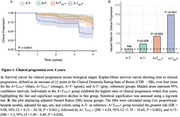 Figure 1
 Figure 2
Peer Reviews
No public reviews on file for this paper yet. If you reviewed it on a platform where reviews are public (OpenReview, ICLR, NeurIPS, ICML), you can paste yours below so the community can read it here.
Videos
No videos yet. Explain this paper in a talk, walkthrough, or lecture? Add one.
Taxonomy
TopicsDementia and Cognitive Impairment Research · Alzheimer's disease research and treatments · Functional Brain Connectivity Studies