Chloroplast Genome Analysis of Six Camellia sinensis Accessions: Genetic Divergence, Adaptive Evolution, and Molecular Marker Development
Yanli Fu, Lei Pan, Xiaoxi Du, Zhigang Hao

TL;DR
Scientists analyzed the chloroplast genomes of six tea plant varieties from Hainan Island to understand their genetic differences and identify a unique DNA marker for one variety.
Contribution
The study developed a molecular marker for distinguishing the Hainan tea variety and identified three distinct genetic types among the accessions.
Findings
Three distinct plastome types were identified among six Camellia sinensis accessions.
A polymorphic marker from the trnT–psbD region can distinguish C. sinensis ‘hainanensis’ from related taxa.
Genetic divergence and adaptive evolution were observed in the chloroplast genomes of Hainan tea.
Abstract
Scientists studied a special type of tea plant that is native to Hainan Island in China. Their aim was to understand its unique genetic blueprint in order to protect and make better use of this valuable plant. By analyzing the complete chloroplast genome, they compared six different tea accessions. They found that it could be grouped into three distinct genetic types. The researchers also discovered a tiny, specific difference in the DNA of one variety that acts like a unique fingerprint. This DNA fingerprint can be used to quickly and accurately distinguish this variety from others. This work provides a deeper understanding of the evolution of Hainan tea and offers a simple genetic tool for identifying it, which will be important for conserving this special variety and breeding improved plants in the future. Camellia sinensis ‘hainanensis’ (Hainan Sheng tea) is an endemic tea…
Genes, proteins, chemicals, diseases, species, mutations and cell lines named across the full text — each resolved to its canonical identifier and authoritative record.
Click any figure to enlarge with its caption.
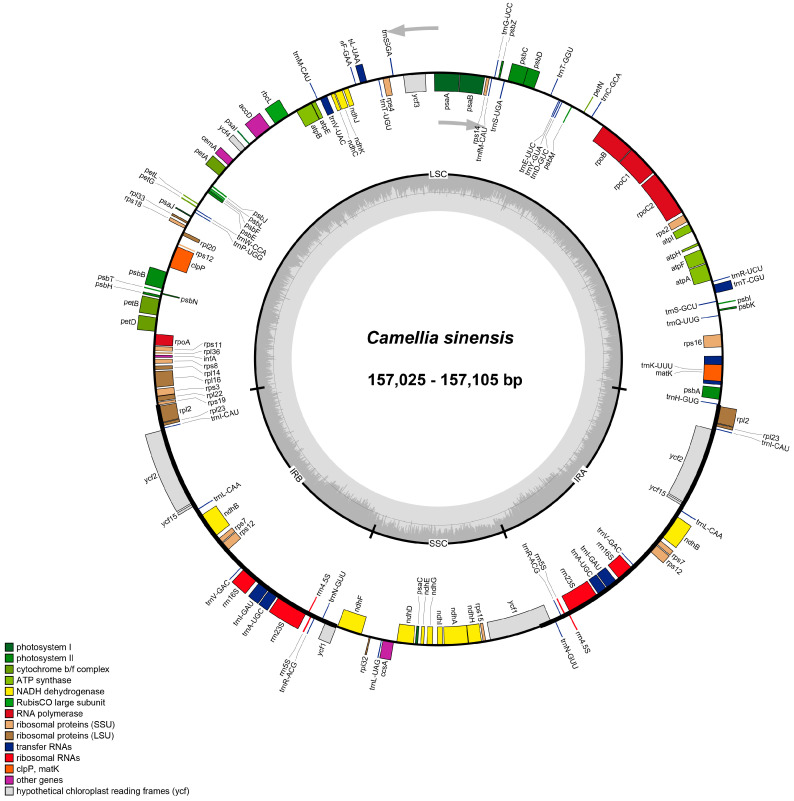 Figure 1
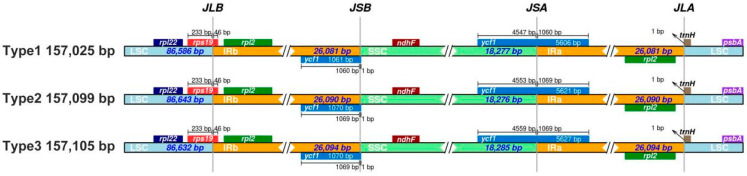 Figure 2
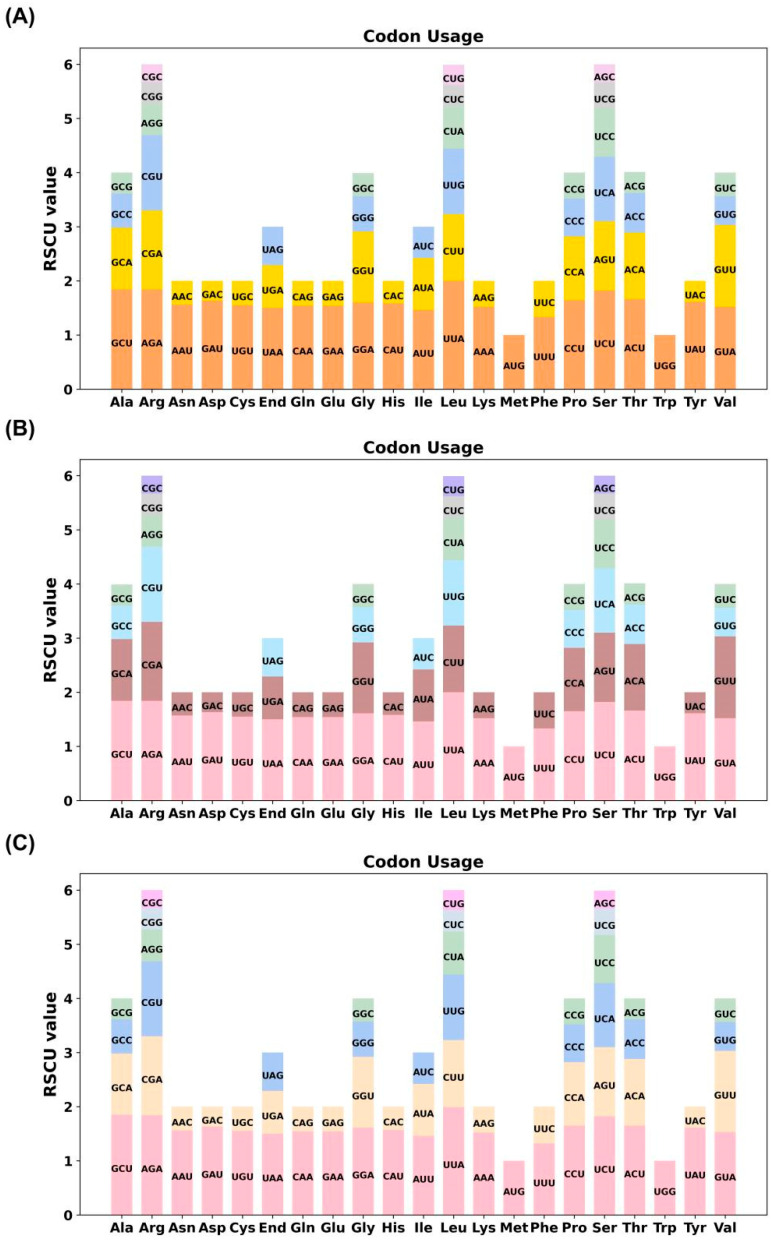 Figure 3
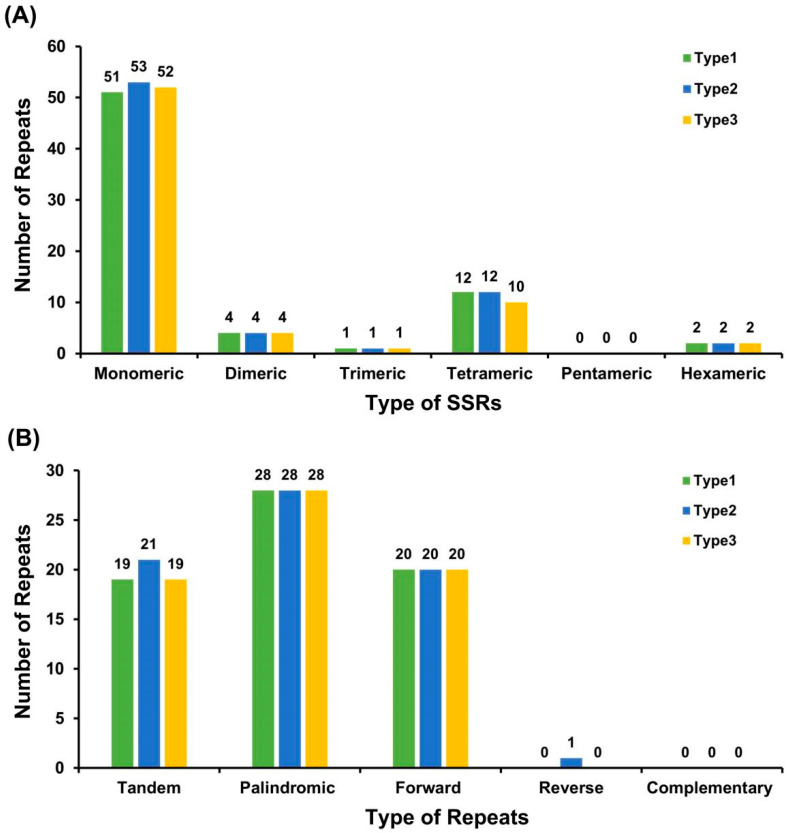 Figure 4
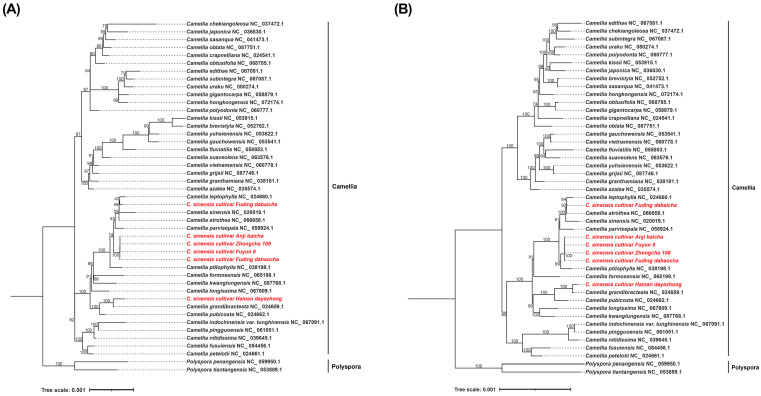 Figure 5
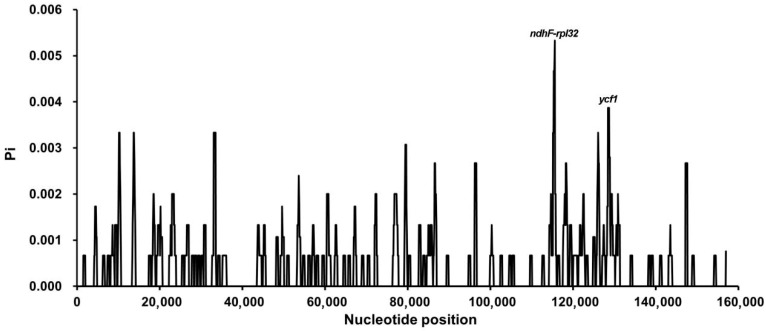 Figure 6
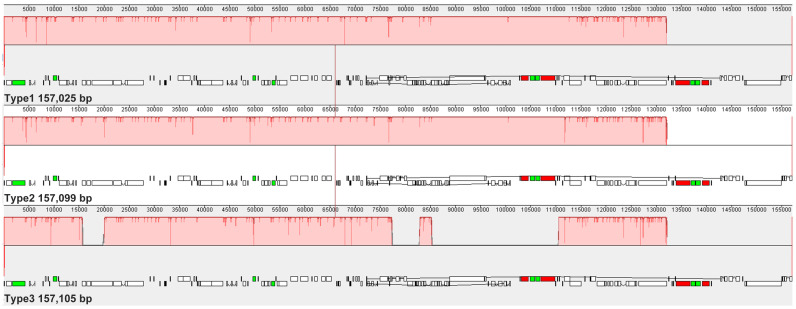 Figure 7
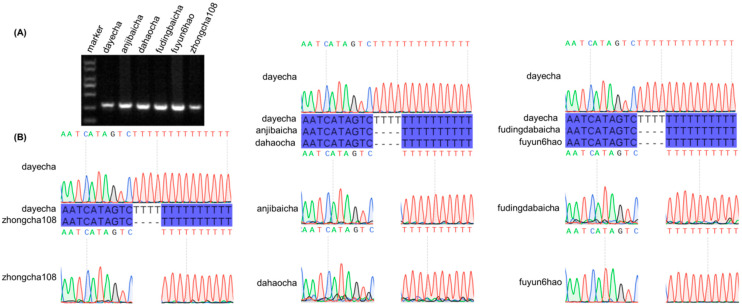 Figure 8
- —Hainan Province Science and Technology Special Fund
Peer Reviews
No public reviews on file for this paper yet. If you reviewed it on a platform where reviews are public (OpenReview, ICLR, NeurIPS, ICML), you can paste yours below so the community can read it here.
Videos
No videos yet. Explain this paper in a talk, walkthrough, or lecture? Add one.
Taxonomy
TopicsGenomics and Phylogenetic Studies · Chromosomal and Genetic Variations · Plant and Fungal Species Descriptions
1. Introduction
C. sinensis ‘hainanensis’, an endemic tea germplasm native to Hainan Island, China, has recently garnered considerable attention owing to its unique genetic background and remarkable ecological adaptability [1,2]. Genomic, morphological, and phytochemical analyses have confirmed C. sinensis ‘hainanensis’ as a distinct species within the Camellia genus, exhibiting independent evolutionary characteristics [3]. Its primary distribution occurs in Wuzhishan City, located in the central–southern interior of Hainan Island (18.78° N, 109.52° E). Wuzhishan’s warm, humid climate and high-elevation mountainous environment provides suitable conditions for the growth of wild tea plants, which are mainly distributed above 500 m, with the largest population in Shuimen Township [4,5]. These environmental conditions collectively contribute to the exceptional quality and biochemical distinctiveness of C. sinensis ‘hainanensis’ (The Official Website of the Wuzhishan Municipal People’s Government, wzs.hainan.gov.cn, accessed 10 October 2022). Despite its designation as a national tea cultivar [6], C. sinensis ‘hainanensis’ retains wild genetic traits, including high genetic diversity and strong stress tolerance. Nevertheless, the lack of comprehensive germplasm surveys and systematic breeding efforts continues to limit its agricultural development and industrial utilization.
Organellar genomes (the chloroplast and mitochondrial genomes) represent essential components of plant genetic systems, both originating from ancient endosymbiotic events during the early evolution of eukaryotes [7]. In angiosperms, chloroplast genomes (cpDNA) typically possess a conserved circular quadripartite structure of approximately 120–160 Kb, encoding 110–130 genes that participate primarily in photosynthesis, transcription, and translation [8]. Owing to their uniparental (predominantly maternal) inheritance, low recombination rates, and conserved gene organization, chloroplast genomes serve as powerful molecular tools for phylogenetic inference, species identification, and population genetic analyses.
Recent studies have demonstrated the utility of comparative chloroplast genomics in developing lineage-specific molecular markers. For example, comparative analysis of the chloroplast genomes of four artificial Taxodium hybrids and their parental species enabled the identification of novel molecular markers [9]. Similarly, chloroplast genome comparisons among three Paraphalaenopsis species (P. labukensis, P. deneveli, and P. laycockii ‘Semi-alba’) revealed six hypervariable regions suitable for DNA marker development [10]. Moreover, comparative analyses of Saccharum spp. chloroplast genomes have shown the feasibility of using chloroplast-derived markers to discriminate closely related Saccharum species and their relatives [11]. Building upon these insights, the present study aims to sequence and compare the complete chloroplast genomes of C. sinensis ‘hainanensis’ and its related species, with the goal of identifying lineage-specific markers and providing a theoretical foundation for the conservation and sustainable utilization of this rare germplasm resource.
Given the evolutionary and functional importance of chloroplast genomes, exploring the cpDNA of C. sinensis ‘hainanensis’ provides an opportunity to unravel its adaptive evolution and guide conservation efforts. C. sinensis ‘hainanensis’ possesses remarkable scientific and socioeconomic significance as a distinctive tropical tea germplasm. First, its geographic isolation and unique evolutionary trajectory make it an ideal “natural laboratory” for investigating tea adaptation and speciation processes. The tropical-edge position of Hainan Island, combined with its diverse microclimatic conditions—particularly the high-altitude cloud forest zones—has fostered the development of genomic, metabolic, and stress resilience traits that differ markedly from those of other tea varieties. Nevertheless, systematic investigations into the genetic diversity and adaptive mechanisms of C. sinensis ‘hainanensis’ remain limited, constraining both its conservation and potential utilization.
Second, wild populations of C. sinensis ‘hainanensis’ are increasingly threatened by habitat fragmentation resulting from rainforest exploitation, climate change, and human disturbances. Many ancient trees now face the risk of extinction. Genomic-level insights into their population structure, genetic variation, and adaptive genes are urgently needed to inform effective conservation and restoration strategies.
Third, the economic potential of C. sinensis ‘hainanensis’ remains largely untapped. Its leaves contain elevated levels of polyphenols, amino acids, and distinctive tropical floral–fruity flavor compounds compared with small-leaf tea cultivars; however, the molecular mechanisms underlying these traits are still poorly understood. Integrating chloroplast and nuclear genomic analyses offers an opportunity to elucidate the regulatory networks involved in the biosynthesis of flavor-related metabolites, thereby supporting targeted quality improvement and molecular breeding.
Previous studies on Camellia chloroplast genomes have mainly focused on cultivated tea from mainland China [12], and no comprehensive cp–genome comparison has been conducted for Hainan tea resources. Moreover, plastome structural variation within Hainan C. sinensis has never been investigated, and no molecular markers are available to distinguish its plastome types. To fill these gaps, we assembled and characterized the complete chloroplast genomes of six C. sinensis ‘Hainanensis’ accessions, compared their genome structures and IR boundaries, identified hypervariable regions, inferred their phylogenetic relationships within the Camellia genus, and developed a molecular marker capable of distinguishing the plastome types.
2. Materials and Methods
2.1. Genome Sequencing, Assembly, and Annotation
Plant material for each accession was collected from a single healthy individual in Shuimanxiang, Wuzhishan City, Hainan Province, China (18.88° N, 109.66° E) on 4 March 2024. Genomic DNA was extracted from leaves using CTAB extraction method. and used to construct 350 bp paired-end sequencing libraries, which were sequenced on the Illumina NovaSeq 6000 platform (San Diego, CA, USA). Raw reads were assembled into complete circular chloroplast genomes using GetOrganelle (v1.7.5) (parameter: -t 20 -k 87,107,117,127 -F embplant_pt) [13]. Genome annotation was conducted using CPGAVAS2 (http://47.96.249.172:16019/analyzer/home, accessed on 30 November 2025) [14], and annotation accuracy was manually verified and corrected in Apollo (v3.0) [15]. Transfer RNA (tRNA) and ribosomal RNA (rRNA) genes were predicted using tRNAscan-SE (v2.0) [16], and BLASTn [17], respectively. Circular chloroplast genome maps were visualized using OGDRAW (v1.3.1) [18].
2.2. IR Boundary and Codon Usage Bias Analysis
The junctions between the LSC, SSC, and IR regions (i.e., LSC–IRb, IRb–SSC, SSC–IRa, and IRa–LSC) were analyzed and graphically represented with IRscope (https://irscope.shinyapps.io/irapp/, accessed on 30 November 2025) [19]. PCGs from three types of Camellia species were extracted by PhyloSuite (v1.2.2) [20]. Codon usage bias was analyzed in MEGA (v7.0) [21]. Relative synonymous codon usage (RSCU) values were calculated to assess codon preference patterns across all chloroplast genomes.
2.3. Repeat Sequence Analysis
Simple sequence repeats (SSRs) were detected using MISA with parameter: 1-8, 2-4, 3-4, 4-3, 5-3, and 6-3, where 1, 2, 3, 4, 5, and 6 indicate the monodi-, tri-, tetra-, penta-, and hexa-nucleotide repeats [22]. Tandem repeats were identified using Tandem Repeats Finder (TRF) (parameter: default), while dispersed repeats—including palindromic, forward, reverse, and complementary types—were analyzed using the REPuter web server (parameter: minimal size 30 bp, hamming distance 3) [23]. Data visualization and comparative plots were generated in Microsoft Excel 2021 and Circos (http://circos.ca/, accessed on 30 November 2025) [24].
2.4. Phylogenetic Analysis
The 48 Camellia species were selected to represent major lineages across the genus. First, eighty shared PCGs from 48 Camellia species were extracted using PhyloSuite (v1.2.2) [20], then aligned using MAFFT (v7) [25]. A maximum-likelihood (ML) tree was reconstructed in IQ-TREE (v1.6.12) [26] using the best-fit model identified by ModelFinder. For the PCGs dataset, the model K3Pu+F+I+G4 was applied, while for the whole-plastome dataset, K3Pu+F+I was used. In both analyses, branch support was assessed with the parameters: --alrt 1000 -B 1000. All resulting trees were visualized using iTOL v7 (https://itol.embl.de/, accessed on 30 November 2025) [27].
2.5. Nucleotide Diversity, Sequence Similarity, and Synteny Analysis
Whole chloroplast genome alignments were generated using MAFFT (v7) [25]. Nucleotide diversity (Pi) was calculated in DnaSP (v6.0) [28] with a sliding window of 500 bp and a step size of 100 bp. Sequence similarity among chloroplast genomes was further evaluated using mVISTA (http://genome.lbl.gov/vista/index.shtml, accessed on 30 November 2025) in Shuffle-LAGAN mode [29]. Whole-genome alignments were performed in Mauve (http://darlinglab.org/mauve/mauve.html, accessed on 30 November 2025) [30] to detect potential structural rearrangements and assess overall genomic synteny among the six chloroplast genomes.
2.6. Molecular Marker Development and Validation
Primers targeting the hypervariable trnT–psbD intergenic spacer were designed using NCBI Primer-BLAST (https://www.ncbi.nlm.nih.gov/tools/primer-blast/, accessed on 30 November 2025). Primer synthesis was carried out by Boshang Biotechnology Co., Ltd., Lianyungang, China Primer sequences are listed in Table S9. Polymerase chain reaction (PCR) was performed in a 20 µL reaction mixture containing 10 µL of 10× reaction buffer, 5 pmol of each primer, 1.25 U of Taq DNA polymerase, and 20 ng of genomic DNA. The amplification protocol consisted of an initial denaturation at 94 °C for 5 min, followed by 35 cycles of 94 °C for 30 s, 56–62 °C for 30 s, and 72 °C for 30 s, with a final extension at 72 °C for 7 min. PCR amplification products were separated by agarose gel electrophoresis, purified, and verified through Sanger sequencing.
To validate the marker, a total of six individuals representing three groups—Type 1 (‘Anjibaicha’ ‘Fuding dahaocha’ ‘Fuyun 6’ and ‘Zhongcha 108’), Type 2 (‘Fuding dabaicha’), and Type 3 (‘Dayecha’)—were analyzed. This design allows assessment of the robustness and specificity of the four-thymine (T_4_) insertion identified in ‘Dayecha’.
3. Results
3.1. Chloroplast Genome Assembly and Annotation
Sequencing was performed on the Illumina NovaSeq platform with 150 bp paired-end reads. After quality filtering (Q30 > 95%, minimum read length = 50 bp), clean data for each accession ranged from 10.05 to 19.47 Gb, resulting in an average chloroplast genome coverage of 535.65×~1919.23× (Table S1, Figure S1).The chloroplast genomes of six C. sinensis ‘hainanensis’ cultivars were successfully assembled, each exhibiting the typical circular quadripartite structure characteristic of angiosperms, comprising a large single-copy (LSC) region, a small single-copy (SSC) region, and two inverted repeat (IR) regions (Figure 1). The total genome sizes ranged from 157,025 bp to 157,105 bp, with an average GC content of approximately 37.3%. According to the differences in the lengths of the LSC, SSC, and IR regions among the six cultivars, six C. sinensis ‘hainanensis’ cultivars categorized into three types: Type 1 (‘Anjibaicha’ ‘Fuding dahaocha’ ‘Fuyun 6hao’ and ‘Zhongcha 108’), Type 2 (‘Fuding dabaicha’), and Type 3 (‘Dayecha’) (Table 1). Genome annotation identified 80 unique protein-coding genes (PCGs), 30 transfer RNA (tRNA) genes, and 4 ribosomal RNA (rRNA) genes (Table 2). Among these, eight PCGs and seven tRNAs occurred in duplicate, reflecting the conserved yet subtly variable organization typical of Camellia chloroplast genomes.
3.2. IR Boundary Dynamics
Comparative analysis of the junctions between the IR and single-copy (SC) regions revealed clear structural differences among the three types of C. sinensis ‘Hainanensis’ chloroplast genomes. Boundary-associated genes, such as ycf1, were located at or near the IR/SC junctions with type-specific distances. For example, in Type 1, ycf1 was positioned 1061 bp from the IRb/SSC boundary, whereas in Type 2 and Type 3, the distance was 1070 bp. At the SSC/IRa junction, the length of the ycf1 gene extending into the IRa region also differed, measuring 4547 bp in Type 1, 4553 bp in Type 2, and 4559 bp in Type 3. These observations described structural variation among plastome types and were consistent with established models of chloroplast genome evolution in angiosperms (Figure 2, Table S2).
3.3. Codon Usage Bias Analysis
Codon usage bias was evaluated by calculating the relative synonymous codon usage (RSCU) values for all PCGs across the three types of chloroplast genomes. With the exception of the start codon AUG (methionine) and tryptophan (Trp; UGG), which exhibited no bias (RSCU = 1), most amino acids displayed distinct preferences for specific synonymous codons. Among them, leucine (Leu) showed a pronounced bias toward the UUA codon in all genomes, with RSCU values reaching up to 2.0 (Figure 3; Table S3). Across the three identified chloroplast genome types, codon usage patterns remained highly conserved. An RSCU value greater than 1 reflects a positive codon usage bias, indicating preferential use of certain codons beyond random expectation. The observed consistency in codon preference among the six cultivars suggests a conserved pattern of codon usage in Camellia chloroplast genomes.
3.4. Repeat Sequence Analysis
A total of 69–72 simple sequence repeats (SSRs) were identified across the three plastome types of C. sinensis ‘hainanensis’. Mononucleotide and dinucleotide repeats were predominant, accounting for 78.57–81.16% of all SSRs. Among mononucleotide motifs, thymine (T) repeats were the most abundant (52.94–57.69%). Although the overall SSR composition was conserved among Type1, Type2, and Type3, slight quantitative differences were observed. Type1–Type3 contained 51, 53, and 52 mononucleotide SSRs, respectively, while tetranucleotide SSRs ranged from 10 to 12. Trinucleotide and dinucleotide SSRs were present at identical numbers in all plastomes, and no pentanucleotide SSRs were detected (Figure 4A; Table S4).
In addition to SSRs, dispersed repeats—including palindromic, forward, tandem, and a minor proportion of reverse repeats (≥30 bp)—were also detected. Each plastome harbored 48–49 repeat pairs, with palindromic repeats being the most frequent type (28 in each plastome). Tandem repeats varied slightly (19–21), whereas forward repeats were identical across types (20). A single reverse repeat was detected only in Type2, and complementary repeats were absent from all plastomes. The longest forward repeat measured 82 bp. These repetitive elements may contribute to chloroplast genome stability and potentially mediate structural rearrangements (Figure 4B; Tables S5 and S6).
3.5. Phylogenetic Analysis
A maximum-likelihood (ML) phylogenetic tree was reconstructed using both the complete plastome sequences and the 80 shared PCGs from 48 Camellia species to resolve the evolutionary relationships among the tea cultivars. Phylogenetic analyses based on both the complete plastome sequences (Figure 5A) and the 80 shared PCGs (Figure 5B) yielded highly congruent topologies. Four cultivars classified as Type1 (‘Anjibaicha’, ‘Dahaocha’, ‘Fuyun 6hao’, and ‘Zhongcha 108’) formed a well-supported clade that was sister to C. ptilophylla, indicating a close evolutionary relationship. Type2 (‘Fuding Dabaicha’) showed strong affinity to C. grandibracteata and C. pubicosta, whereas Type3 (‘Dayecha’) was most closely related to C. leptophylla. These phylogenetic patterns highlight the genetic differentiation among the three plastome types and provide new insight into the domestication history of Hainan tea germplasm. Most nodes in the ML tree exhibited high bootstrap support (≥87), underscoring the robustness of the inferred relationships.
3.6. Nucleotide Diversity Analysis
Nucleotide diversity (Pi) analysis revealed two hypervariable regions, ndhF–rpl32 and ycf1, with Pi values exceeding the genome-wide average of 0.0035 (Table S8). These regions represent promising candidate loci for molecular marker development and species discrimination. Consistent with previous findings in Camellia, the LSC and SSC regions exhibited greater nucleotide variability than the IR regions (Figure 6). Alignment using mVISTA further confirmed high sequence similarity among the six chloroplast genomes, with the greatest conservation observed in the IR regions (Figure S2). These results underscore the overall structural stability of tea chloroplast genomes despite subtle sequence polymorphisms. Whole-genome alignment performed with Mauve revealed no major rearrangements among the six genomes. The high degree of collinearity observed indicates strong evolutionary conservation and functional constraint within the chloroplast genomes of tea plants (Figure 7).
3.7. Molecular Marker Development
The hypervariable non-coding region trnT–psbD was selected as the target locus for molecular marker development. A four-thymine (T_4_) insertion specific to the Type 3 cultivar ‘Dayecha’ (C. sinensis ‘hainanensis’) was identified as a polymorphic marker. The PCR amplification produced fragments of the expected size (Figure 8A), and subsequent Sanger sequencing of the amplified products confirmed the presence of this insertion, verifying the reliability of the designed molecular marker (Figure 8B; Table S9).
4. Discussion
In this study, the complete chloroplast genomes of six C. sinensis ‘hainanensis’ cultivars were assembled and annotated. The chloroplast genomes of C. sinensis ‘hainanensis’ and its related taxa from Hainan Province exhibited the typical circular quadripartite structure of angiosperms, containing 80 unique PCGs and 30 tRNA genes. The overall genomic architecture, gene content, and organization were highly conserved, consistent with the general pattern observed in other Camellia chloroplast genomes [12,31]. Despite this structural conservation, subtle variations were detected at the inverted repeat/single-copy (IR/SC) junctions and in total genome size among the three identified genome types (Type1–Type3). These shifts, particularly involving ycf1 and ndhF, are common features of chloroplast genome dynamics previously reported in other Camellia species [8]. Such structural variations may influence gene copy number and overall genome stability, although their functional consequences in tea plants remain to be elucidated. These findings provide strong evidence for the highly conserved and slow evolution of the chloroplast genome in this genus.
Codon usage bias analysis revealed a pronounced preference for specific synonymous codons, particularly UUA for leucine, across all three types of chloroplast genomes. This result indicates a consistent codon usage pattern among the analyzed chloroplast genomes based on RSCU values. Furthermore, the abundance of mononucleotide and dinucleotide SSRs—especially poly-T motifs—and dispersed repeats suggests potential roles in chloroplast genome plasticity. These repeat elements represent valuable molecular resources for population genetics, phylogeography, and cultivar identification in C. sinensis ‘hainanensis’ and related taxa.
Tea quality traits such as flavor, aroma, and color are largely determined by metabolites including catechins, caffeine, and theanine, which vary among Camellia cultivars [32]. Selection during tea domestication has shaped genes involved in caffeine accumulation and lipid metabolism, while transcription factors such as MYB36, bHLH62, and NF-YB regulate catechin and theanine biosynthesis [33,34]. Together, these studies elucidate molecular mechanisms underlying key agronomic and flavor-related traits in tea. Our results reveal chloroplast genetic divergence among the analyzed cultivars. While these variations primarily reflect plastome differences, they could potentially influence photosynthesis, lipid metabolism, or secondary metabolite biosynthesis, which may indirectly contribute to flavor and ecological adaptation [35,36,37]. As nuclear genes play dominant roles in regulating these traits, and further functional studies are required to clarify the extent to which chloroplast variation modulates tea quality traits.
Phylogenetic analysis based on 80 shared PCGs placed all six accessions firmly within the Camellia genus, revealing clear distinctions among the three genome types. Type 1 cultivars (‘Anjibaicha’ ‘Dahaocha’ ‘Fuyun 6hao’ and ‘Zhongcha 108’) clustered closely with C. ptilophylla, whereas Type 2 (‘Fuding Dabaicha’) and Type 3 (‘Dayecha’) exhibited affinities with C. leptophylla and C. grandibracteata, respectively. These relationships provide new insights into the genetic differentiation and domestication history of Hainan tea germplasm. The clear separation into three types likely reflects underlying chloroplast genome variation, including sequence divergence in coding and non-coding regions, which preserves signatures of ancestral lineages and historical hybridization events. The high bootstrap support (≥87) across most nodes attests to the robustness of the phylogenetic topology and underscores the power of chloroplast genomic data for resolving intrageneric evolutionary relationships [3,6].
The identification of the hypervariable intergenic spacer trnT–psbD, showing high nucleotide diversity, provides a promising candidate for DNA barcoding and molecular marker development. Within Camellia, analyses of C. duntsa and its close relatives revealed highly variable regions such as ycf1 and ndhF–rpl32, which differ from trnT–psbD, indicating that the location of hypervariable regions can vary even among closely related species [38]. Comparisons with other genera, such as Taxodium (clpP–accD and ycf1) [9] and Paraphalaenopsis (psbM–trnD and psbB) [9] and Paraphalaenopsis (psbM-trnD and psbB) [39], further illustrate that highly variable regions differ across genera, underscoring the reliability of trnT–psbD as a genus-specific chloroplast marker. While this region appears suitable for species discrimination and phylogenetic studies, its utility as a diagnostic marker still requires broader validation across diverse populations. Notably, this study is limited by the relatively small number of individuals analyzed, and thus the present results should be regarded as preliminary. Consistent with patterns observed in many angiosperms, nucleotide diversity was higher in the LSC and SSC regions than in the IRs, reflecting the evolutionary conservatism of inverted repeat sequences [10]. Genome collinearity analysis confirmed the absence of major rearrangements, emphasizing the structural stability and evolutionary conservation of tea chloroplast genomes. Expanding future analyses to include additional wild and cultivated tea accessions from Hainan will deepen our understanding of local adaptation and accelerate marker-assisted breeding for desirable traits such as stress tolerance and leaf quality. Future analyses could combine chloroplast and nuclear SNP data and test the candidate marker across wild and cultivated Hainan populations to deepen understanding of local adaptation and facilitate marker-assisted breeding.
5. Conclusions
This study presents a comprehensive analysis of the complete chloroplast genomes of C. sinensis ‘hainanensis’ cultivars. We successfully assembled and annotated six C. sinensis accessions, revealing their typical structure and identifying three distinct genome types (Types 1, 2 and 3) based on structural variations. Comparative genomic analyses revealed conserved features, such as codon usage bias and repeat sequence patterns. Phylogenetic reconstruction placed the six accessions within the Camellia genus, elucidating their evolutionary relationships. We developed a polymorphic molecular marker based on a four-thymine insertion in the trnT–psbD intergenic spacer that can distinguish the Type 3 cultivar (‘Dayecha’). Our findings provide essential genomic resources and practical molecular tools for future studies on the evolution of the tea and the breeding of this valuable resource.
The reference list from the paper itself. Each links out to its DOI / PubMed record.
- 1Chowaniak M. Niemiec M. Zhu Z. Rashidov N. Gródek-Szostak Z. Szeląg-Sikora A. Sikora J. KubońM. Fayzullo S.A. Mahmadyorzoda U.M. Quality assessment of wild and cultivated green tea from different regions of China Molecules 202126362010.3390/molecules 2612362034199199 PMC 8231865 · doi ↗ · pubmed ↗
- 2Guo D. Li D. Wang Z. Li D. Zhou Y. Xiang G. Zhang W. Wang W. Fang Z. Hao T. Genome resequencing reveals an independently originated Camellia sinensis variety–Hainan tea Agrobiodiversity 2024131210.48130/abd-0024-0003 · doi ↗
- 3Li M.-M. Meegahakumbura M.K. Wambulwa M.C. Burgess K.S. Möller M. Shen Z.-F. Li D.-Z. Gao L.-M. Genetic analyses of ancient tea trees provide insights into the breeding history and dissemination of Chinese Assam tea (Camellia sinensis var. assamica)Plant Divers.20244622923710.1016/j.pld.2023.06.00238807909 PMC 11128837 · doi ↗ · pubmed ↗
- 4Mingjie Z. Yajie Z. Jinghong Z. Jing Y. Shaowu L. Climatic Characteristics and the Condition of Climate Health Recuperation in Wuzhishan County Nat. Sci. Hainan Univ.202240168174
- 5Li D. Zhou Y. Fu C. Pan X. Liang Y. Fang Z. Xiao C. Wang G. Wang X. Zhang W. Assembly and comparative analysis of the first complete mitochondrial genome of Camellia sinensis var. assamica ‘Hainan Dayezhong’, endemic to Hainan Province, China BMC Plant Biol.202525130410.1186/s 12870-025-07349-141044479 PMC 12495881 · doi ↗ · pubmed ↗
- 6Wang X. Feng H. Chang Y. Ma C. Wang L. Hao X. Li A.l. Cheng H. Wang L. Cui P. Population sequencing enhances understanding of tea plant evolution Nat. Commun.202011444710.1038/s 41467-020-18228-832895382 PMC 7477583 · doi ↗ · pubmed ↗
- 7Wang J. Kan S. Liao X. Zhou J. Tembrock L.R. Daniell H. Jin S. Wu Z. Plant organellar genomes: Much done, much more to do Trends Plant Sci.20242975476910.1016/j.tplants.2023.12.01438220520 · doi ↗ · pubmed ↗
- 8Huang H. Shi C. Liu Y. Mao S.-Y. Gao L.-Z. Thirteen Camellia chloroplast genome sequences determined by high-throughput sequencing: Genome structure and phylogenetic relationships BMC Evol. Biol.20141415110.1186/1471-2148-14-15125001059 PMC 4105164 · doi ↗ · pubmed ↗