STIP1 Knockout Mitigates Disease Progression in a Synucleinopathy Mouse Model: A Multimodal Behavioral and Neuroimaging Study
Sara Touj, Vladislav Novikov, Medhinee Malvankar, Piero Rodriguez, Allison Brandt, Janice Park, Stephanie Tullo, Daniel Gallino, Gabriel A. Devenyi, Timothy J Bussey, Lisa M Saksida, Ravi S. Menon, Marco AM Prado, Mallar M. Chakravarty

TL;DR
Removing STIP1 in a mouse model of synucleinopathy slows disease progression and improves cognitive and brain health outcomes.
Contribution
This study shows that STIP1 knockout alters disease progression in synucleinopathy through behavioral and neuroimaging evidence.
Findings
STIP1 knockout mice showed improved cognitive flexibility in touchscreen reversal tasks.
STIP1 knockout mice exhibited brain volume increases in key regions, unlike control mice which showed atrophy.
STIP1 depletion may influence neurodegeneration trajectories in synucleinopathy.
Abstract
Synucleinopathies, including Parkinson's disease (PD), are characterized by misfolded alpha‐synuclein (αSyn) accumulation, leading to neurodegeneration, motor dysfunction, and cognitive impairments. Normally, Hsp90 helps clear misfolded proteins, but under proteostatic stress, the chaperone network forms an epichaperome, stabilizing toxic aggregates and worsening disease progression. STIP1 (Stress‐Inducible Phosphoprotein 1), a key Hsp90 (Heat Shock Protein 90) co‐chaperone, facilitates αSyn aggregation and stabilizes the epichaperome, promoting neurotoxicity. This study investigates conditional STIP1 knockout (STIP1Fx/Cre+) effects on disease progression in an αSyn mouse model, using behavioral and neuroimaging assessments. By examining cognitive outcomes alongside neurodegeneration trajectories, this work aims to determine whether disrupting the epichaperome could serve as a viable…
Genes, proteins, chemicals, diseases, species, mutations and cell lines named across the full text — each resolved to its canonical identifier and authoritative record.
Click any figure to enlarge with its caption.
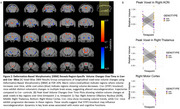 Figure 1
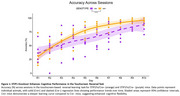 Figure 2
Peer Reviews
No public reviews on file for this paper yet. If you reviewed it on a platform where reviews are public (OpenReview, ICLR, NeurIPS, ICML), you can paste yours below so the community can read it here.
Videos
No videos yet. Explain this paper in a talk, walkthrough, or lecture? Add one.
Taxonomy
TopicsParkinson's Disease Mechanisms and Treatments · Heat shock proteins research · Genetics, Aging, and Longevity in Model Organisms