Plasma proteomic signatures of incident mild behavioral impairment – a longitudinal Singaporean memory clinic study
Ming Ann Sim, Yingqi Liao, Cheuk Ni Kan, Hyung Won Choi, Arthur Mark Richards, Christopher Chen

TL;DR
This study identifies plasma protein markers linked to the development of mild behavioral impairment in older adults, suggesting potential targets for early dementia prevention.
Contribution
The study is the first to identify plasma proteomic signatures associated with incident mild behavioral impairment in a longitudinal memory clinic cohort.
Findings
142 plasma proteins were significantly associated with incident MBI after multivariate adjustment.
Top proteins linked to MBI included TFF3, NPPC, and TNFSF13.
Key biological pathways involved in MBI include extracellular matrix disruption and immune dysregulation.
Abstract
Mild behavioral impairment (MBI) is a diagnostic construct capturing neuropsychiatric symptom burden in pre‐dementia subjects, and has been increasingly recognized as an at‐risk entity for dementia [1,2]. However, prognostic biomarkers and mechanistic underpinnings of incident MBI remain unclear. We therefore utilized a Singaporean memory clinic cohort to evaluate the plasma proteomic signatures of incident MBI. A Singaporean memory clinic cohort was followed‐up prospectively for 4 years. Dementia‐free subjects who did not have MBI at baseline were included for analysis. All subjects were assessed at baseline and annually using the Neuropsychiatric Inventory (NPI). The definition of incident MBI was made in alignment with the Society to Advance Alzheimer's Research and Treatment of the Alzheimer's Association (ISTAART) criteria, with incident MBI defined as the development of new…
Genes, proteins, chemicals, diseases, species, mutations and cell lines named across the full text — each resolved to its canonical identifier and authoritative record.
Click any figure to enlarge with its caption.
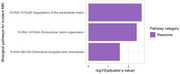 Figure 1
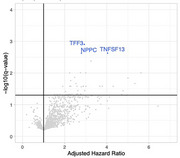 Figure 2
Peer Reviews
No public reviews on file for this paper yet. If you reviewed it on a platform where reviews are public (OpenReview, ICLR, NeurIPS, ICML), you can paste yours below so the community can read it here.
Videos
No videos yet. Explain this paper in a talk, walkthrough, or lecture? Add one.
Taxonomy
TopicsDementia and Cognitive Impairment Research · Alzheimer's disease research and treatments · Advanced Proteomics Techniques and Applications