On-Chip Microwave Sensing of Nonequilibrium Quasiparticles in α‑Tantalum Superconducting Circuits on Silicon for Scalable Quantum Technologies
Shima Poorgholam-Khanjari, Paniz Foshat, Mingqi Zhang, Valentino Seferai, Martin Weides, Kaveh Delfanazari

TL;DR
This paper introduces a method to detect and study quasiparticles in superconducting circuits, which could improve the performance of quantum technologies.
Contribution
The novel contribution is on-chip microwave sensing of nonequilibrium quasiparticles in α-tantalum circuits on silicon.
Findings
Quasiparticle density in α-Ta is about one-third that of NbN at equivalent temperatures.
Quasiparticles cause measurable suppression of resonator quality factors at millikelvin temperatures.
The methodology provides a scalable platform for probing quasiparticle dynamics.
Abstract
The performance and scalability of superconducting quantum circuits are fundamentally constrained by nonequilibrium quasiparticles, which induce microwave losses that limit resonator quality factors and qubit coherence times. Understanding and mitigating these excitations is therefore central to advancing scalable quantum technologies. Here, we demonstrate on-chip microwave sensing of quasiparticles in high-Q α-tantalum coplanar waveguide resonators on silicon, operated in the single-photon regime. Temperature-dependent measurements reveal persistent nonequilibrium quasiparticles at millikelvin temperatures, producing a measurable suppression of the internal quality factor (Q i ) relative to theoretical expectations. By benchmarking across materials, we find that the quasiparticle density in α-Ta is approximately one-third that of NbN at equivalent normalized temperatures (T/T c ),…
Genes, proteins, chemicals, diseases, species, mutations and cell lines named across the full text — each resolved to its canonical identifier and authoritative record.
Click any figure to enlarge with its caption.
 1
1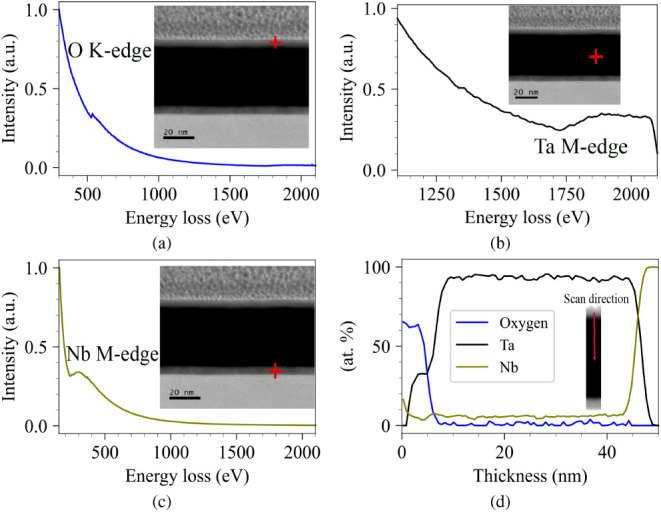 2
2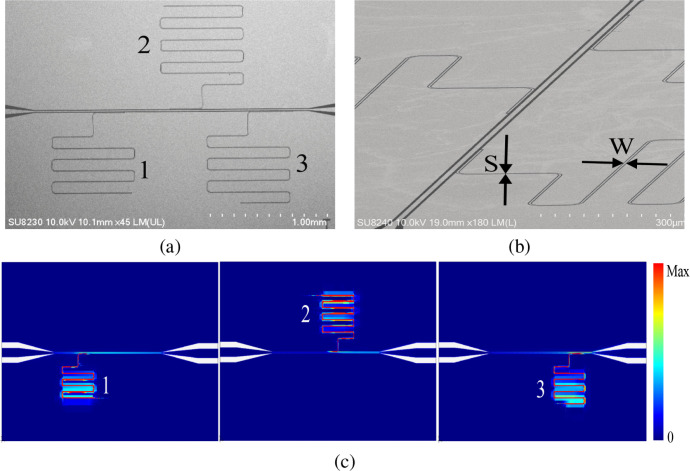 3
3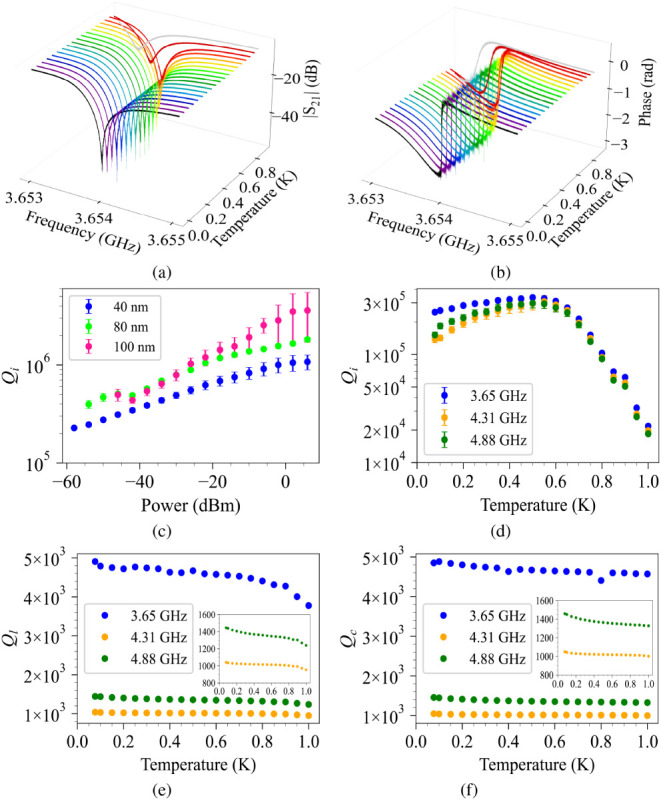 4
4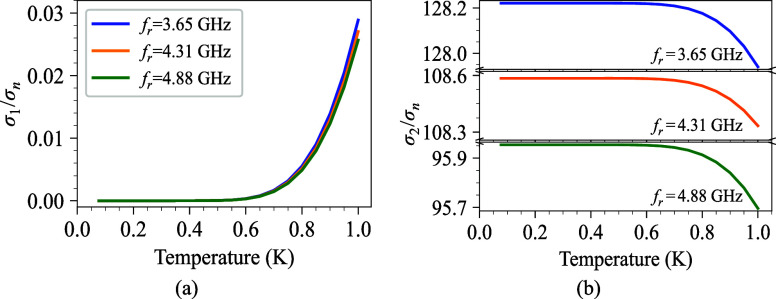 5
5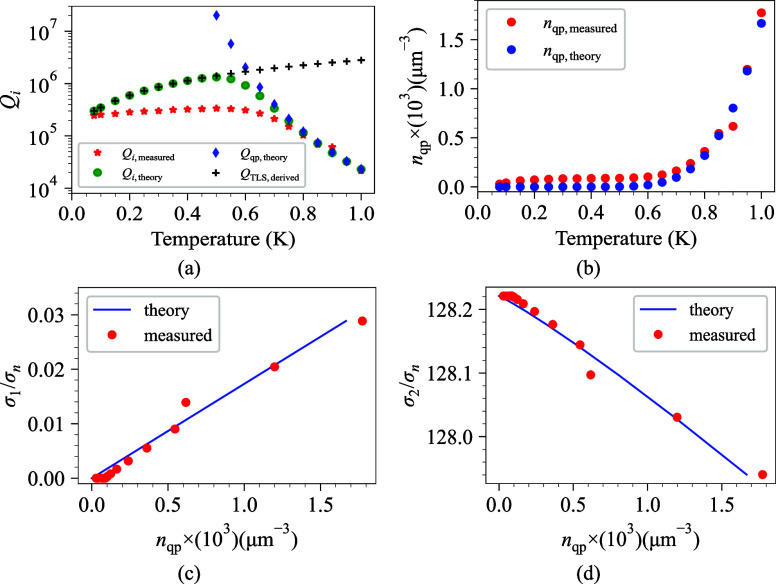 6
6- —Royal Academy of Engineering10.13039/501100000287
- —Royal Society10.13039/501100000288
- —Royal Society of Edinburgh10.13039/501100000332
- —Engineering and Physical Sciences Research Council (EPSRC)NA
- —Engineering and Physical Sciences Research Council (EPSRC)NA
Peer Reviews
No public reviews on file for this paper yet. If you reviewed it on a platform where reviews are public (OpenReview, ICLR, NeurIPS, ICML), you can paste yours below so the community can read it here.
Videos
No videos yet. Explain this paper in a talk, walkthrough, or lecture? Add one.
Taxonomy
TopicsQuantum Information and Cryptography · Mechanical and Optical Resonators · Quantum and electron transport phenomena
Introduction
1
In recent decades, superconducting qubits have been one of the most intriguing research subjects due to their potential applications in quantum information processing. ?−? ? A significant portion of the area in superconducting quantum circuits is typically occupied by superconducting resonators. ?−? ? ? ? In fact, high-Q
?−? ? ? superconducting coplanar waveguide (CPW) resonators with low microwave loss are essential components of quantum computation. ?,? In addition to superconducting resonators and qubits, recent advancements in hybrid superconductor-semiconductor circuits have opened new opportunities for scalable quantum technologies. ?−? ? These systems exploit the interplay between superconductivity and tunable electronic structures to generate novel quantum transport phenomena. ?−? ? These advancements highlight the growing demand for materials that demonstrate robust superconducting characteristics and minimum energy dissipation.
Superconducting devices are strongly affected by excess quasiparticles at low temperatures, particularly in applications such as quantum processors and superconducting resonators, where quasiparticle-induced losses degrade performance. Understanding and mitigating nonequilibrium quasiparticles is therefore essential to advancing superconducting technologies. ?−? ? ? When a photon with energy significantly well above 2Δinteracts with a superconductor, it can break a Cooper pair into two high-energy quasiparticles with opposite spins. These quasiparticles then decay by emitting phonons, which can break additional pairs into even more quasiparticles with lower energy. This process generates a large number of quasiparticles. ?,? The electromagnetic response of superconductors is also significantly influenced by quasiparticles. Moreover, the performance of a variety of superconducting circuits is degraded by nonequilibrium quasiparticle excitations. ?,? At very low temperatures (T ≪ T _ c _), the number of thermally excited quasiparticles should be extremely small. However, recent measurements have shown that the quasiparticle density at low temperatures exceeds the expected thermal equilibrium value by orders of magnitude. ?,?,? This excess of quasiparticles, called quasiparticle poisoning ?−? ? affects the performance of superconducting devices. Tantalum (Ta) has become a predominant material for superconducting circuitry, as it provides a relatively high superconducting transition temperature and minimal intrinsic dissipation, making it a reliable choice for quantum devices. ?−? ? ? ? ?
In this work, we investigate the effect of nonequilibrium quasiparticles in superconducting tantalum (α-Ta) CPW resonators in the single-photon regime, over a temperature range of 0.77–1 K, and compare the results with our recent work on NbN-based circuits.? Furthermore, we experimentally determine and theoretically model the quasiparticle density (n qp), showing that n qp persists at low temperatures (T ≪ T _ c _). In order to characterize the crystalline phase, grain structure, and film quality that are the foundation of the device performance, we use transmission electron microscopy (TEM) and X-ray diffraction (XRD). Furthermore, we use a conventional approach to model TLS loss ?,? and compute the complex conductivity of the Ta film using the Mattis–Bardeen theory? to quantify the contribution of quasiparticle dissipation.
Experimental Section and Discussion
2
Microscopy and Deep Cryogenic Microwave Spectroscopy
2.1
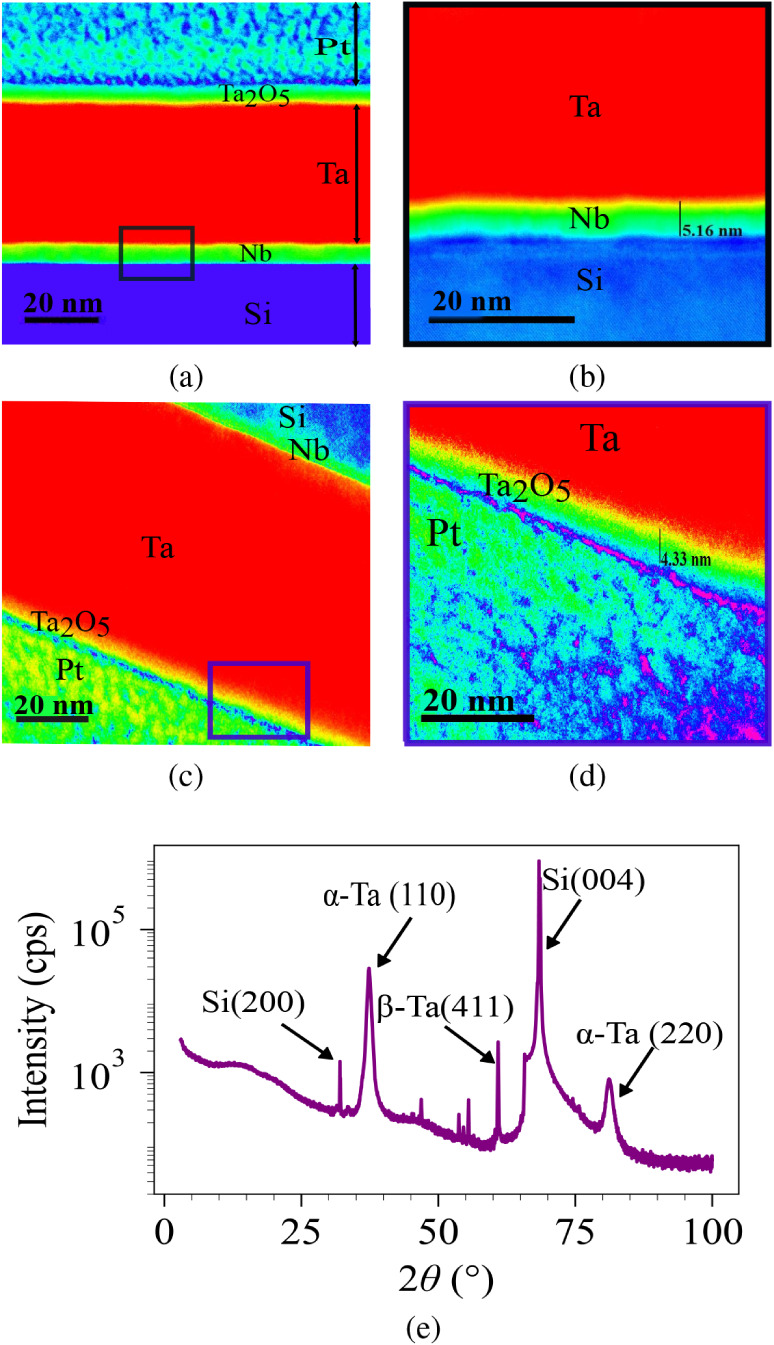
The fabrication procedure was initiated with cleaning the wafer. Before deposition, a high-resistivity silicon wafer (20 kΩ·cm) was cleaned with acetone, isopropanol (IPA), and reverse osmosis (RO) water, respectively, to remove any contamination and residues. Then, the wafer was immediately loaded into the sputtering chamber of an MP600S Plassys sputter system to minimize reoxidation. Prior to Ta deposition, a 5 nm Nb seed layer was sputtered to facilitate the growth of the Ta α-phase. The base pressure achieved in the Plassys MP600S main chamber prior to tantalum sputtering was 10^–9^ Torr. Before adding the argon sputtering gas, this ultrahigh vacuum base pressure was set up to ensure that the α-phase tantalum films were as pure as possible and had as little contamination as possible. The deposition was performed at room temperature and without vacuum breaking. The purity of the film and the formation of the β-phase tantalum can be influenced by a small quantity of impurities, particularly oxygen and nitrogen. After deposition, the sample was exposed to air during transfer and storage under ambient conditions, which gave rise to the formation of a native Ta_2_O_5_ layer about 4 nm thick, as confirmed by TEM images (Figure). It is typical of deposited Ta films that this oxide layer forms spontaneously as a result of the oxygen sensitivity of Ta.
(a) Cross-sectional dark-field STEM image of a bare Ta film with an Nb seed layer on a Si substrate. (b) Zoomed-in view of STEM image of the area selected in (a), which shows the thickness of the Nb layer. (c) TEM image of the sample. (d) Zoomed-in view of TEM image of the area selected in (c) showing the thickness of Ta oxide. (e) XRD diffraction pattern of 40 nm α-Ta film on Si substrate with an Nb seed layer.
Prior to device patterning, a bare 40 nm α-tantalum film was selected and its microstructure and structural integrity were characterized. Scanning transmission electron microscope (S/TEM) was employed to investigate the crystalline structure, grain size, and interface quality between the Ta layer, the high-resistivity silicon substrate, and the Nb seed layer. Figurea presents a high-resolution cross-sectional STEM image of a bare Ta film that was deposited on a Si substrate, with an Nb seed layer. It highlights the structural quality of the multilayer stack as well as the interface sharpness. To protect the underlying film from milling damage, a focused ion beam (FIB) protective coating was applied during TEM sample preparation and shown in the dark-field STEM image as the top platinum (Pt) layer (Figurea). The Ta film exhibits a thin native tantalum oxide (Ta_2_O_5_) layer on the surface, followed by the Ta layer, an ultrathin Nb seed layer, and a crystalline Si substrate. Figureb presents a magnified STEM image that verifies the deposition process by precisely measuring the Nb layer thickness at 5.16 nm. Figurec and d show bright-field TEM images and an enlarged view of the Pt/Ta_2_O_5_/Ta interface, respectively. These images reveal that the layers are sharply separated at the atomic level, with almost no interdiffusion or defect formation. Moreover, the thickness of the tantalum oxide layer (Ta_2_O_5_) is about 4.5 nm, which is shown in Figured. This thin oxide layer is consistent with minimal losses, which supports the high internal quality factor of Ta films, and demonstrates the feasibility of fabricating Ta/Nb/Si heterostructures with nanometer-scale control over thickness, composition, and interface quality, which is essential for the development of robust quantum devices and superconducting circuits.
In order to confirm the film’s crystalline phase composition, X-ray diffraction (XRD) measurements were performed as part of the structural investigation. While the TEM imaging directly probed the particle morphology and interface quality, XRD analysis provided complementary information on the phase identity and crystallographic orientation. The XRD pattern of the 40 nm Ta film deposited on Si is shown in Figuree. Two distinct peaks at approximately 38° and 70° correspond to α-Ta (110) and α-Ta (220) reflections, respectively, confirming the presence of the stable body-centered cubic (bcc) phase. In addition, a peak at ∼60° is attributed to the β-Ta (411) reflection, indicating the coexistence of the metastable tetragonal β phase, which is commonly observed in sputtered Ta films. The weak β-Ta reflection indicates that only a small fraction of the metastable β-phase is present in the film. As the β-phase is nonsuperconducting, it is preferable to suppress its formation to increase the Q-factor of the resonators. The homogeneous Ta layer without detectable secondary phases is shown by cross-sectional TEM investigation, indicating that the β-phase, if it exists, occurs locally close to the Ta/Nb interface, where strain and lattice mismatch promote its nucleation. The β-phase formation can be reduced by optimizing the deposition conditions, such as modifying the sputtering pressure or adjusting the thickness of the Nb seed layer, in order to promote the stable α-Ta growth orientation. In addition, the peaks arising from the silicon substrate are also observed at ∼ 28° [Si (200)] and ∼ 69° [Si (004)]. The presence of both α-Ta and β-Ta reflections suggests partial phase transformation during deposition, with α-Ta being the dominant phase. The lack of additional tantalum oxide-related peaks suggests that any oxide layer is either amorphous or below the XRD detection limit.
Figure shows the chemical and structural analysis of the Ta/Nb/Si stack. Figurea-c illustrates the electron energy loss spectroscopy (EELS) spectra that were obtained at representative regions of the film, which correspond to the O K-edge, Ta M-edge, and Nb M-edge, respectively. The different starting points and relative strengths of these edges show that there is oxygen on the surface of the film, metallic Ta throughout the bulk of the deposited layer, and Nb only in the interfacial area. Figured shows the measured compositional depth profile across the multilayer. A thin region at the top surface that is rich in oxygen (about 5 nm) is seen, which is in line with the creation of a native Ta_2_O_5_ layer. Under this oxide, the profile is mostly made up of metallic Ta, which is around 40 nm thick. A ∼5 nm Nb layer can be observed at the interface with the substrate before the signal drops into the underlying Si (not shown). The sharp transitions in elemental composition across the interfaces highlight the structural integrity of the stack and confirm that interdiffusion is minimal. Therefore, the expected Si/Nb/Ta/Ta_2_O_5_ structure was fabricated and preserved during subsequent analysis.
STEM-EELS analysis of a 40 nm Ta device. (a) O K-edge, (b) Ta M-edge, and (c) Nb M-edge spectra collected from the indicated regions (insets). (d) Corresponding elemental (atomic) concentration profile (O, Ta, Nb) extracted along the scan direction, confirming the spatial distribution of the oxide, Ta, and Nb layers. The red cross indicates the beam position during scanning.
The device follows the design and fabrication methods reported in.? The device consists of three-quarter-wavelength resonators coupled to a common transmission line. E-beam lithography was used for patterning, followed by dry etching of the sample with CF_4_/Ar gases. The scanning electron micrograph (SEM) image of the sample is shown in Figurea and b. Afterward, the sample was diced into 5 × 5 mm^2^ chips. One chip was chosen, wire-bonded to a copper sample box, and mounted in an Oxford Instruments Triton 200 Dilution Refrigerator (DR) system, cooled to a base temperature of T = 77 mK. Figurec illustrates the simulated surface current density distributions for three resonator geometries. The simulation was performed by Sonnet software. The current is mainly localized in the meandered inductor region, where the electromagnetic energy is concentrated.
*(a) Top view SEM image of superconducting Ta chip with three CPW resonators coupled to a transmission line. (b) Zoomed-in view of SEM image of the Ta circuit with W = 4 μm and S = 2 μm. (c) The surface current density magnitude |J
s | (A/m) for three typical resonators at their resonance frequencies.*
The input signals from the vector network analyzer (VNA) were attenuated by 20 dB at room temperature and by an additional 60 dB inside the refrigerator before reaching the transmission line of the superconducting circuit. The output signals from the device were first amplified by a 40 dB low-noise high-electron mobility transistor (HEMT) amplifier at the 4 K stage, and subsequently by a room-temperature amplifier with 45 dB gain. Figurea shows a 3-D view of the measured amplitude as a function of frequency in the single photon regime at temperatures between 77 mK and 1K, at f _ r _ = 3.654 GHz. It can be seen that the resonance frequency shifts to lower frequencies as the temperature increases from 550 mK to 1K. Figureb shows a 3-D view of the measured phase as a function of frequency in the single-photon regime, which repeats the behavior of amplitude. Figurec shows the power dependence of Q _ i _ for three different Ta samples with thicknesses of 40, 80, and 100 nm, with the highest Q _ i _ of 3 × 10^6^ for the 100 nm Ta film. Figured demonstrates the temperature dependence of Q _ i _ for all resonance frequencies of a 40 nm Ta CPW resonator, while Figuree and f show the Q _ l _ and Q _ c _, respectively. For T ≲ 0.5 K, Q _ l _ remains nearly constant and is consistent with Q _ c _, suggesting that the system is operating in the coupling-limited regime. In this regime, dissipation is primarily influenced by external coupling to the feedline, and intrinsic losses are negligible. Above ∼0.5 K, Q _ l _ decreases below Q _ c _, signifying a transition to the loss-limited regime dominated by thermally generated quasiparticles.
*3-D view of measured amplitude (a), and phase (b) of the resonator at f
r = 3.65 GHz at different temperatures from T = 77 mk to T = 1 K. (c) Internal quality factor (Q
i ) of three (different thicknesses) Ta CPW resonators on Si as a function of power at T = 77 mK. (d) Internal quality factor (Q
i ) of the 40 nm CPW resonator on Si as a function of temperature at single photon regime. (e) Loaded quality factor (Q
l ) vs temperature, and (f) Coupling quality factor (Q
c ) vs temperature for the 40 nm Ta CPW resonator. Insets are the zoomed-in areas for presentation purposes.*
Moreover, the weak temperature dependence of Q _ l _, despite the dramatic Q _ i _ variations, validates the overcoupled design approach for achieving temperature-stable superconducting resonator performance.
Modeling Complex Conductivity and Quasiparticle
Dynamics
2.1.1
The concept of complex conductivity σ(T) = σ_1_(T) - jσ_2_(T) was first introduced by Glover and Tinkham? for the superconducting states. For the calculation of quasiparticle density n qp(T), first we need to obtain complex conductivity. By considering the condition of ℏω ≪ Δ_0_ and k _ B _ T ≪ Δ_0_, the Mattis-Bardeen relations are expressed as ?,?
where σ_1_ is the real part of conductivity, σ_2_ is the imaginary part of conductivity, σ_ n _ is the normal-state conductivity, Δ_0_ is the superconducting energy gap at T = 0 K, ℏ is the reduced Planck’s constant, k _ B _ is Boltzmann’s constant, N 0 is the density of states at the Fermi level, which for Ta is N 0 ≈ 6.9 × 10^28^ states/(m^3^ eV), ?,?
T _ c _ ≈ 4.06 K for 40 nm Ta, I 0, and K 0 are the modified Bessel functions of the first and the second kind, respectively.
Using the above equations, the complex conductivity was obtained, where the real part σ_1_(T) represents losses caused by quasiparticles, resulting in energy dissipation in the resonator, and the imaginary part σ_2_(T) represents the inductive response of superconducting Cooper pairs. The latter is the determining factor in the superconductor’s ability to store and transfer energy without dissipation and is directly related to the kinetic inductance L _ k _ of the superconductor. Figurea and (b) show the calculated real and imaginary parts of the complex conductivity as a function of temperature. At low temperatures, the thermal energy is insufficient to break a significant number of Cooper pairs, leading to a limited quantity of quasiparticles n qp(T). In fact, which is extremely small at low temperatures as T → 0, where Δ(T) → Δ_0_. This is due to the fact that Δ_0_ is significantly larger than k _ B _ T, resulting in the presence of only a small number of quasiparticles. Following this, as the temperature increases, the conductivity increases, which in turn increases the density of quasiparticles. However, Figureb illustrates a downward trend. To understand this, consider the relationship . As the temperature rises, the density of quasiparticles increases, leading to an increase in kinetic inductance and a corresponding reduction in σ_2_(T). As a result, the contribution of quasiparticle loss in superconducting CPW resonators can be determined by calculating the complex conductivity of the superconductor film.
(a) The calculated real part of the complex conductivity, σ1, as a function of temperature. (b) The calculated imaginary part of the complex conductivity, σ2, as a function of temperature for the Ta superconducting CPW resonator. Both plots are calculated from all the measured resonance frequencies.
Thermal and Nonequilibrium Quasiparticle
Density
2.1.2
This section presents the observed and theoretical values of quasiparticle density, with a discussion of Q _ i,theory_, Q _ i,measured_, Q qp,theory, and Q TLS,derived. The loss model for quasiparticles is defined as?
where α is the ratio of kinetic inductance to total inductance.
We can rewrite the eq to obtain n qp,theory:
By plotting Q _ i _ versus the photon number ⟨ n _ ph _ ⟩ and fitting using
the values of , n _ c , and β are obtained? (see Supporting Information), which facilitates the derivation of δ_TLS(T,P). Then, by substituting eqs and ?, δ_qp,measured_(T) and n qp,measured(T) are obtained which are shown in Figurea and b.
*(a) Q
i,measured and Q
i,theory versus temperature at single photon regime (⟨n
ph ⟩ ∼ 1) with the theoretical model of TLS and quasiparticle loss. Both plots are calculated and measured at f
r = 3.65 GHz. (b) Theoretical and measured quasiparticle density of Ta CPW resonator. (c) Normalized real part of the conductivity, σ1/σ n , versus n qp showing both theoretical prediction (blue line) and experimental data (red circles). (d) Normalized imaginary part of the conductivity, σ2/σ n , versus n qp with corresponding theory and (all data are for 40 nm thickness of Ta).*
The surface impedance Z _ s _ of a superconductor can be obtained:?
By substituting eqs and ? into ?, the surface impedance Z _ s _ can be calculated. Then, δ_ i,theory_ and n qp,theory(T) can be obtained by
Figurea compares the measured and theoretical Q _ i _ values, as indicated by Q _ i,measured_ and Q _ i,theory_, for temperatures ranging from 77 mK to 1 K. This distinction between Q _ i,measured_ and Q _ i,theory_ indicates the existence of an additional loss channel originating from the nonequilibrium quasiparticle density. More specifically, we used eq and ? to compute the nonequilibrium quasiparticle density in the CPWs. Theoretically, the quasiparticle density at low temperatures should be negligible, however, measurements indicate that quasiparticle density is present at low temperatures (see the measured and calculated quasiparticle density in Figureb). It can be shown in Figurea that Q _ i,measured_ is lower than predicted, leading us to conclude that at low temperatures, the quasiparticle density stays fini In fact, Figurea shows Q _ i,measured_ and Q _ i,theory_ versus temperature at low photon number ⟨n _ ph ⟩ ∼ 1 with the theoretical model of TLS and quasiparticle loss. Both plots are calculated and measured at f _ r _ = 3.65 GHz. Figurec and d demonstrate the relationship between the quasiparticle density n qp and the normalized complex conductivity components, σ_1/σ_ n _ and σ_2_/σ_ n , for the Ta CPW resonator, respectively. Excellent agreement over the measured range is observed when the experimental results (red circles) are compared with the Mattis-Bardeen theoretical predictions (blue lines). As shown in Figurec, the value of σ_1/σ_ n _ increases in a nearly linear trend as n qp rises. This behavior is indicative of the increased dissipative response that results from the increased population of unpaired quasiparticles. These quasiparticles contribute to microwave absorption through single-particle excitations across the superconducting energy gap. The observed increase in the real part of the conductivity is directly attributed to the increase in the probability of quasiparticle–photon interactions as n qp is increased.
Conversely, Figured shows a monotonic decline in σ_2_/σ_ n _ as n qp increases, which is consistent with the anticipated drop in the superfluid density. Since the inductive response of the Cooper pair condensate determines the imaginary component of the complex conductivity, the generation of quasiparticles, whether thermally or through nonequilibrium processes, breaks Cooper pairs, reducing the superfluid fraction and, consequently, σ_2_. In normal superconductors, this negative correlation is a sign of pair-breaking dynamics, and it provides a direct means of studying the effects of quasiparticles. The quantitative agreement between experiment and Mattis–Bardeen theory over the full density range confirms that the electrodynamic response of the resonator can be explained entirely within the standard microscopic framework of superconducting losses. The experimental results indicate that Ta superconductors exhibit substantially lower quasiparticle densities than NbN superconductors under identical normalized operating conditions. This normalized temperature approach provides a fundamentally more meaningful comparison by evaluating both materials at thermodynamically equivalent operating points, the same fractional distance from their respective superconducting phase transitions. In fact, Ta achieves a remarkably low quasiparticle density of 0.3 × 10^3^ (μm^–3^) at T/T _ c _ = 0.2, which is a 3-fold decrease from the measured value of 1 × 10^3^ (μm^–3^) for NbN.? In addition to comparing at normalized temperatures, we also confirmed that the measurement frequency is well within the Mattis-Bardeen formalism’s low-frequency limit. For our α-Ta device, with T _ c _ = 4.06 K and f _ r _ = 3.65 GHz, the photon energy is . According to the Mattis-Bardeen theory, this demonstrates that the system functions in the low-frequency, nonpair-breaking region and the applied microwave photons lack the energy necessary to break Cooper pairs. Therefore, the observed losses are the result of existing nonequilibrium quasiparticles, rather than photon-induced pair breakage. Lower quasiparticle densities directly enhance coherence times and decrease decoherence in qubits by reducing energy dissipation mechanisms. The 3-fold reduction in quasiparticle density seen in Ta is related to much lower loss tangent values. Moreover, the charge noise and frequency fluctuations that affect superconducting quantum devices, especially single-photon detectors and parametric amplifiers, are significantly reduced by lower quasiparticle populations. For next-generation superconducting quantum technologies, where minimal dissipation is one of the most important topics, Ta is an excellent material choice due to these advantages, as well as its superior material features, including a decreased surface roughness and a reduction in two-level system defects.
Conclusion
3
In this work, we provided a comprehensive analysis of high-Q superconducting microwave coplanar waveguide resonators made of α-tantalum on silicon with a niobium seed layer. Using transmission electron microscopy and X-ray diffraction, a comprehensive structural investigation was performed, which showed the production of a mainly α-Ta body-centered cubic phase. This phase demonstrated atomically sharp Ta/Nb/Si contacts and minimal interdiffusion, resulting in high film quality for low-loss superconducting applications. In the single-photon regime, temperature-dependent microwave spectroscopy demonstrated the existence of persistent nonequilibrium quasiparticles at millikelvin temperatures. Excess quasiparticles are a leading source of decoherence in superconducting qubits, which significantly reduces qubit coherence times. Longer coherence and enhanced operational fidelity are possible for superconducting devices by inhibiting the formation of quasiparticles and trapping residual excitations. By benchmarking α-Ta against NbN at equivalent normalized temperatures, we identified a significantly lower quasiparticle density in α-Ta, indicating that its superior microscopic material quality contributes to improved electrodynamic performance. These results provide direct experimental evidence that material plays a significant role in suppressing nonequilibrium quasiparticles and improving superconducting coherence. The low intrinsic loss and proven structural quality of α-Ta resonators make them ideal building blocks for efficient superconducting circuits, ultrasensitive microwave photon sensors, kinetic inductance detectors, and next-generation quantum processors. Our findings demonstrate a consistent electrodynamic behavior and structural robustness of α-Ta that can directly aid in the development of next-generation quantum information systems, where maintaining coherence is the most important performance metric.
Supplementary Material
The reference list from the paper itself. Each links out to its DOI / PubMed record.
- 1Clarke J.Wilhelm F. K.Superconducting quantum bits Nature 200845371981031104210.1038/nature 0712818563154 · doi ↗ · pubmed ↗
- 2Wei X.-Y.Pan J.-Z.Lu Y.-P.Jiang J.-L.Li Z.-S.Lu S.Tu X.-C.Zhao Q.-Y.Jia X.-Q.Kang L.Compact nbn resonators with high kinetic inductance Chin. Phys. B 2020291212840110.1088/1674-1056/abc 2b 8 · doi ↗
- 3Kroll J. G.Borsoi F.Van Der Enden K.Uilhoorn W.De Jong D.Quintero-Pérez M.Van Woerkom D.Bruno A.Plissard S.Car D.Magnetic-field-resilient superconducting coplanar-waveguide resonators for hybrid circuit quantum electrodynamics experiments Phys. Rev. Appl.201911606405310.1103/Phys Rev Applied.11.064053 · doi ↗
- 4Carter F. W.Khaire T.Chang C.Novosad V.Low-loss single-photon nbn microwave resonators on si Appl. Phys. Lett.2019115909260210.1063/1.5115276 · doi ↗
- 5Goetz J.Deppe F.Haeberlein M.Wulschner F.Zollitsch C. W.Meier S.Fischer M.Eder P.Xie E.Fedorov K. G.Loss mechanisms in superconducting thin film microwave resonators J. Appl. Phys.2016119101530410.1063/1.4939299 · doi ↗
- 6Göppl M.Fragner A.Baur M.Bianchetti R.Filipp S.Fink J. M.Leek P. J.Puebla G.Steffen L.Wallraff A.Coplanar waveguide resonators for circuit quantum electrodynamics J. Appl. Phys.20081041111390410.1063/1.3010859 · doi ↗
- 7Ohya, S. ; Chiaro, B. ; Megrant, A. ; Neill, C. ; Barends, R. ; Chen, Y. ; Kelly, J. ; Low, D. ; Mutus, J. ; O’Malley, P. , . Sputtered tin films for superconducting coplanar waveguide resonators. ar Xiv. 2013.
- 8Foshat P.Baity P.Danilin S.Seferai V.Poorgholam-Khanjari S.Feng H.Mukhanov O. A.Hutchings M.Hadfield R. H.Weides M.Characterizing niobium nitride-based superconducting coplanar waveguide resonators for microwave hybrid circuit quantum electrodynamics IEEE Trans. Appl. Supercond.20253511610.1109/TASC.2025.3532821 · doi ↗