Polygenic risk of white matter hyperintensities and protective role of high‐density lipoprotein in cognitively unimpaired individuals at low risk for late life dementia
Patricia Genius, Blanca Rodríguez‐Fernández, Carolina Minguillón, Anna Brugulat‐Serrat, Jordi Huguet, Manel Esteller, Carole H Sudre, Marta Cortes‐Canteli, Catarina Tristão‐Pereira, Ines Garcia‐Lunar, Arcadi Navarro, Juan Domingo Gispert, Natalia Vilor‐Tejedor

TL;DR
This study finds that high HDL cholesterol protects against brain lesions linked to dementia risk in people with low cardiovascular risk.
Contribution
Identifies lipid-related mechanisms and protective role of HDL in white matter hyperintensities among cognitively unimpaired individuals.
Findings
Genetic predisposition to white matter hyperintensities is associated with increased lesion volume.
High-density lipoprotein (HDL) levels act as a protective factor against white matter hyperintensities.
Total cholesterol levels are positively associated with white matter hyperintensity volume.
Abstract
Cerebrovascular lesions, particularly white matter hyperintensities (WMH), are often found in middle‐aged individuals with a low cardiovascular risk profile. Understanding modifiable mechanisms leading to cerebrovascular disease is fundamental for implementing preventive strategies. This study aimed to elucidate the biological mechanisms underlying the presence of WMH in cognitively unimpaired (CU) middle‐aged individuals. We included 1,072 CU participants from the ALFA study with a low cardiovascular risk profile for late‐life dementia based on the Cardiovascular Risk Factors, Aging, and Incidence of Dementia (CAIDE) I score. We assessed genetic predisposition to WMH using polygenic scoring (PRSWMH). Covariate‐adjusted Spearman's rank correlation tests evaluated the association between the PRSWMH and white matter hyperintensities volumes (WMHV). Partial correlations were adjusted for…
Genes, proteins, chemicals, diseases, species, mutations and cell lines named across the full text — each resolved to its canonical identifier and authoritative record.
Click any figure to enlarge with its caption.
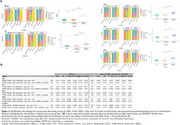 Figure 1
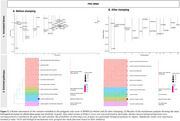 Figure 2
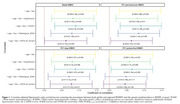 Figure 3
Peer Reviews
No public reviews on file for this paper yet. If you reviewed it on a platform where reviews are public (OpenReview, ICLR, NeurIPS, ICML), you can paste yours below so the community can read it here.
Videos
No videos yet. Explain this paper in a talk, walkthrough, or lecture? Add one.
Taxonomy
TopicsDementia and Cognitive Impairment Research · Alzheimer's disease research and treatments · Neurological Disease Mechanisms and Treatments