APOBEC3C coordinates DDX5 in R-loop resolution and dynamic control of Chk1-mediated stress-responsive circuitry as a prerequisite for gemcitabine resistance in p53-deficient cells
Li Tao, Yang Zhao, Zhuangzhaung Jiang, Shujing Kong, Yanlin Ding, Tengyang Ni, Weimin Wang, Yanqing Liu

TL;DR
This study explores how APOBEC3C and DDX5 interact to help cancer cells resist gemcitabine treatment, especially in cells lacking p53.
Contribution
The study reveals a novel APOBEC3C/DDX5/R-loop complex that modulates Chk1 dynamics and drug resistance in p53-deficient cancer cells.
Findings
A3C enhances Chk1-dependent S-phase checkpoint activation, slowing replication fork progression.
A3C interacts with DDX5 to resolve R-loops, which is crucial for gemcitabine resistance.
DDX5 knockdown increases gemcitabine sensitivity by promoting R-loop accumulation.
Abstract
Genomic instability is a hallmark of cancer, encompassing both sequence and structural alterations that drive tumor evolution and heterogeneity. The APOBEC3 family of deoxycytidine deaminases has emerged as a major source of mutagenic activity in cancers. R-loops are RNA-DNA hybrids and structural barriers that interfere with replication and transcription. Among the APOBEC3 family, APOBEC3C (A3C) is particularly worthy of attention for its upregulation, driving the DNA replication stress tolerance in response to replication stress-inducing drug gemcitabine. However, the molecular mechanisms of gemcitabine resistance and regulatory circuitries mediated by A3C remain largely unknown, especially in checkpoint-deficient tumors. Initially, we screened that A3C was a putative transcriptional target of p53, and p53-deficient H1299 cells harboring A3C elicited a chemoresistant phenotype upon…
Genes, proteins, chemicals, diseases, species, mutations and cell lines named across the full text — each resolved to its canonical identifier and authoritative record.
Click any figure to enlarge with its caption.
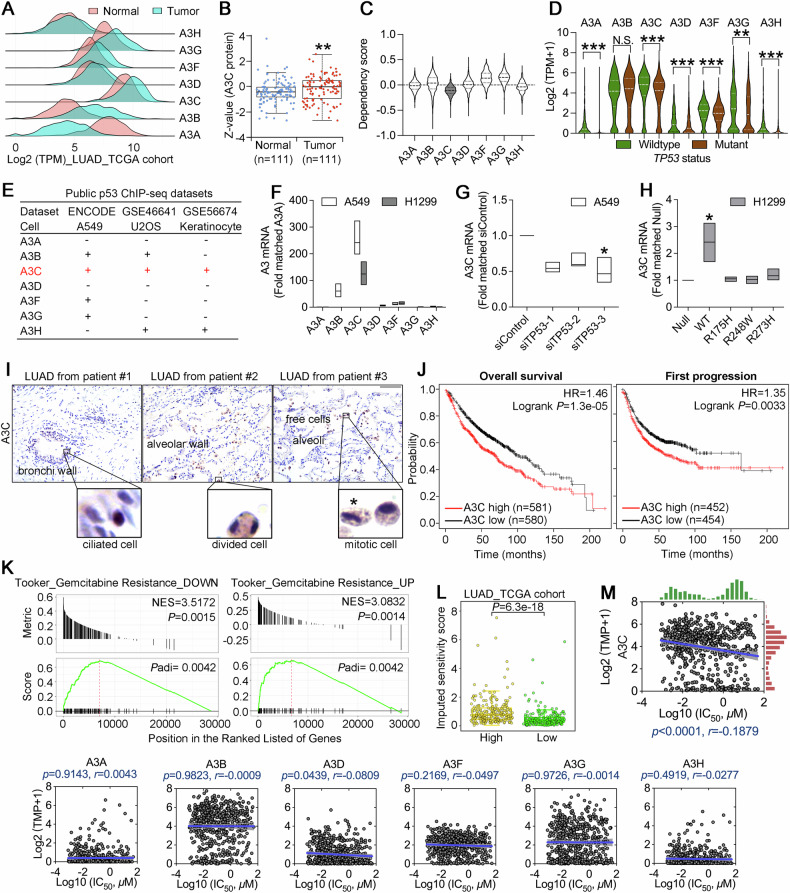 Figure 1
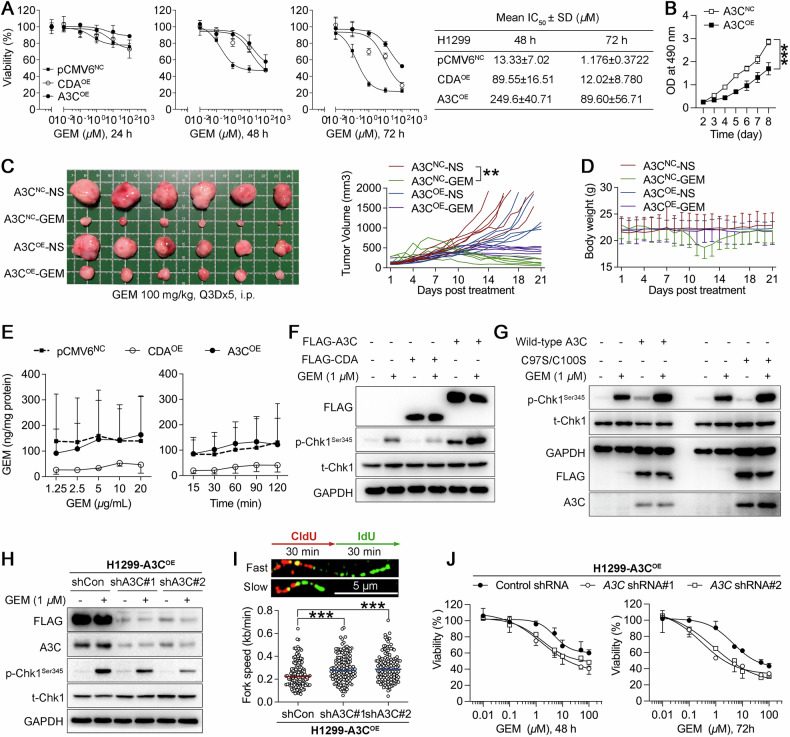 Figure 2
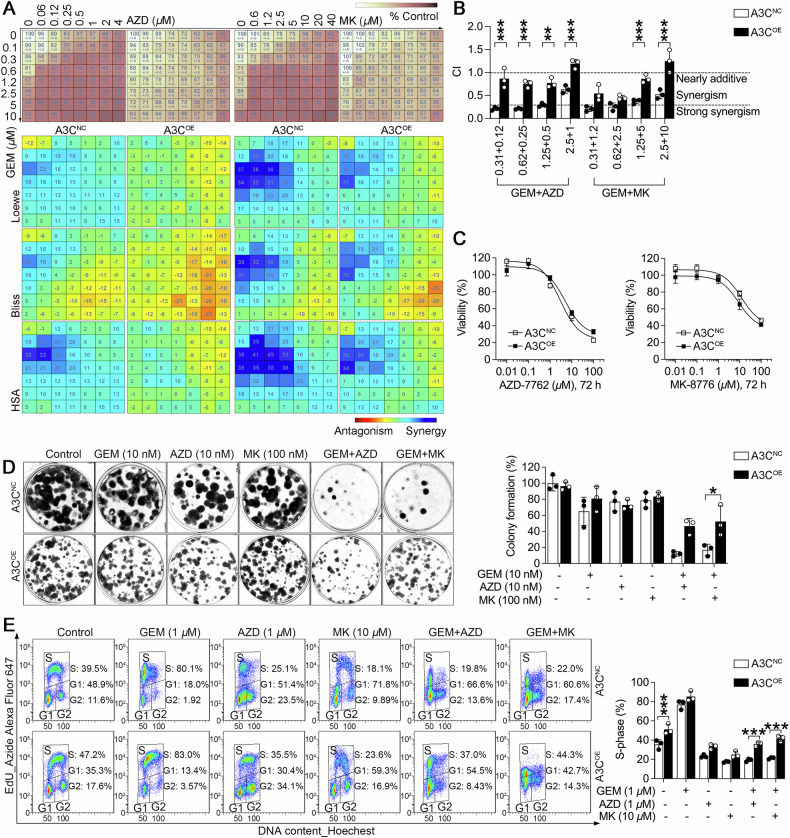 Figure 3
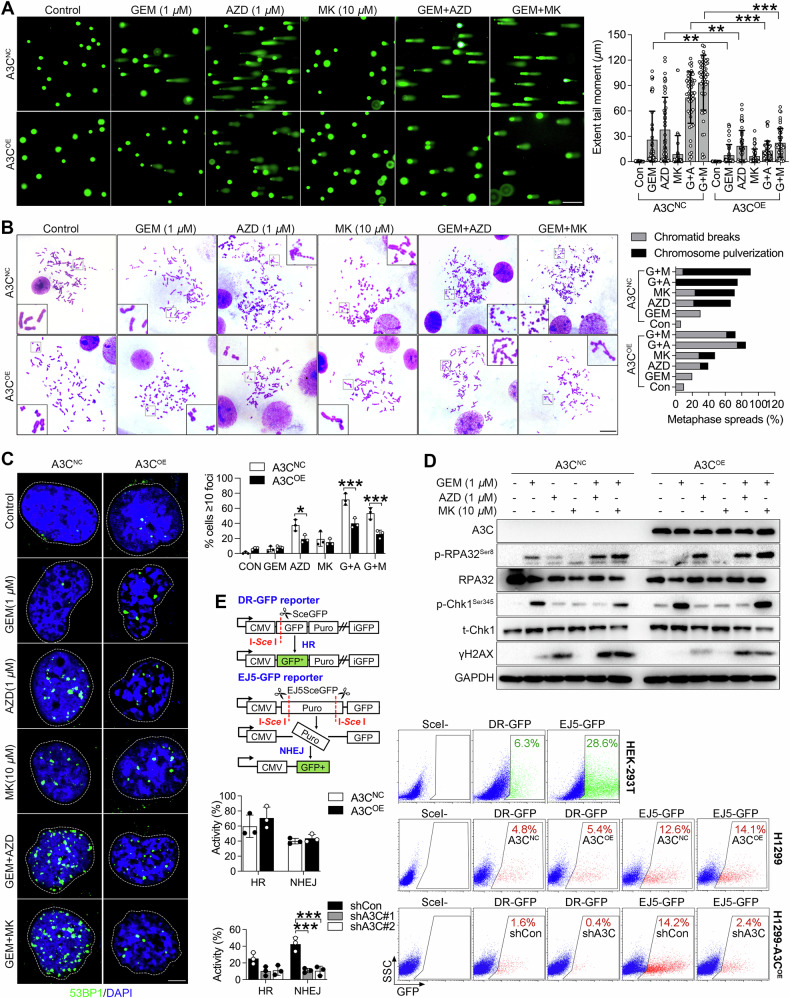 Figure 4
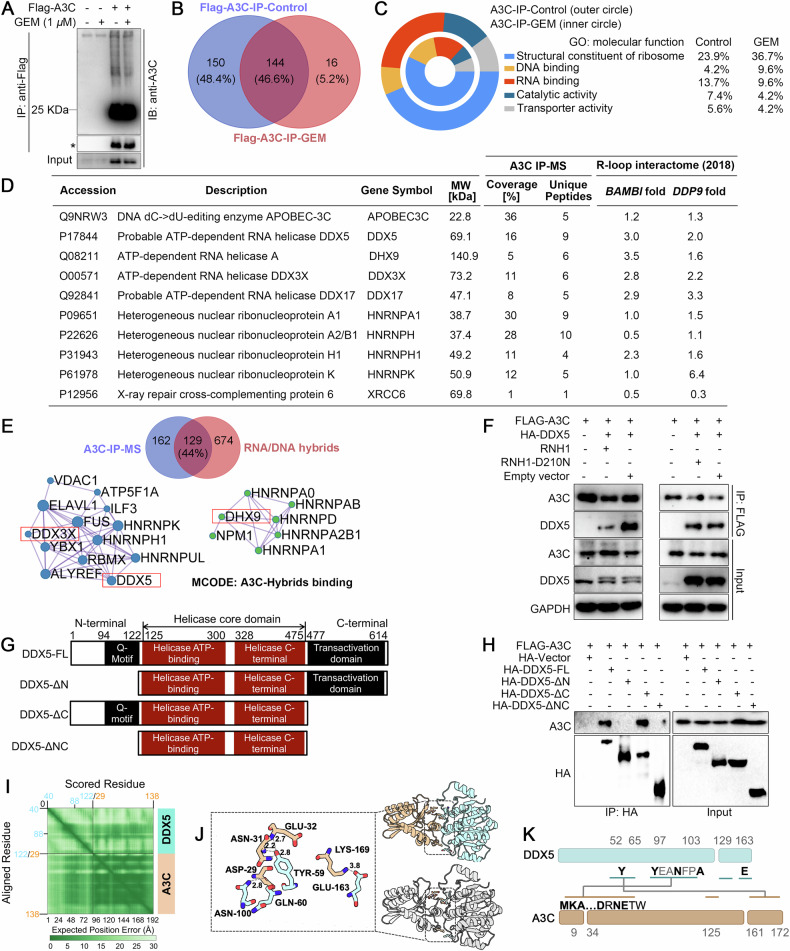 Figure 5
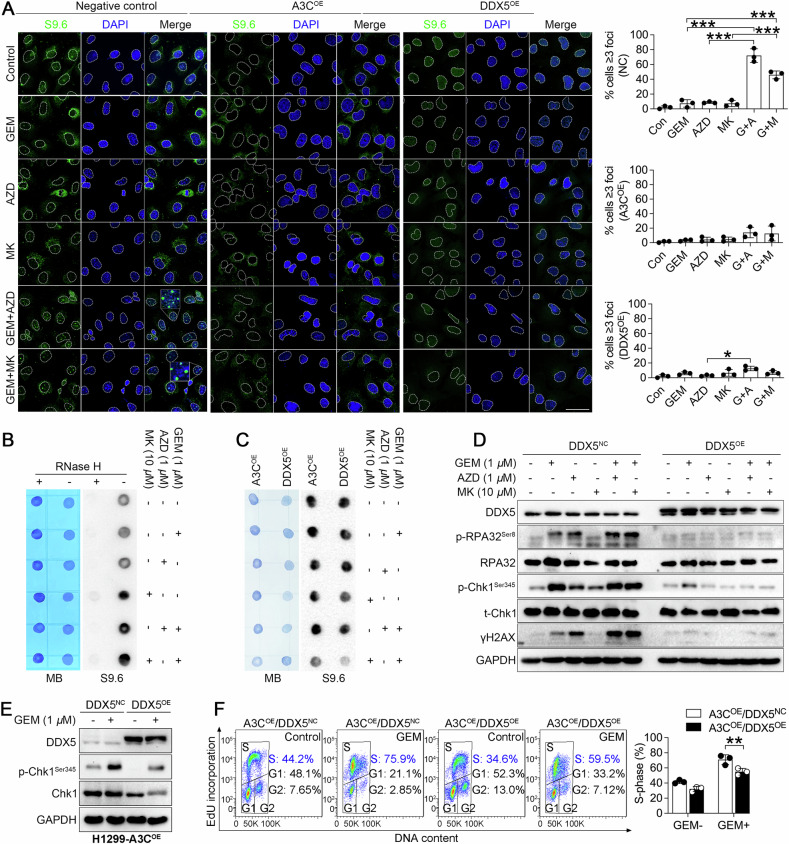 Figure 6
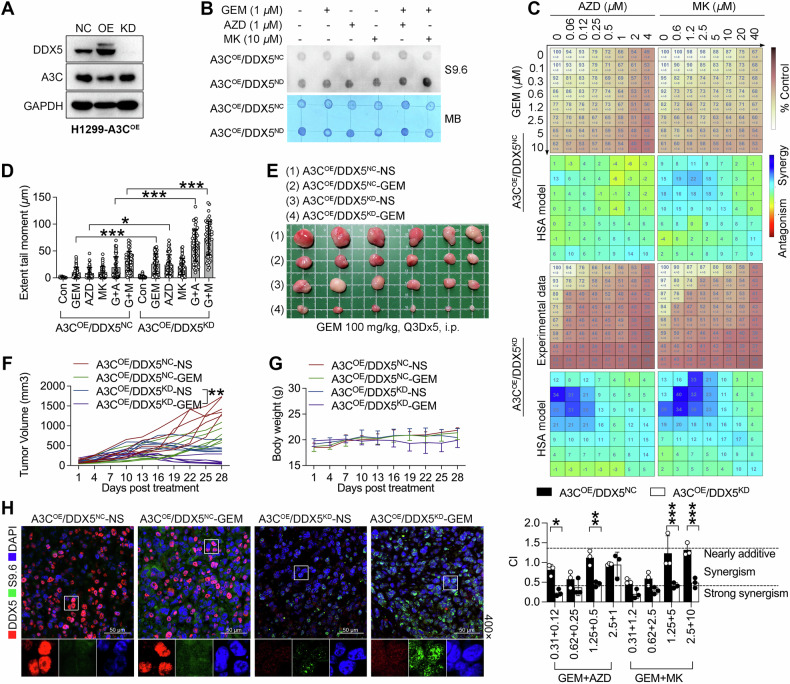 Figure 7
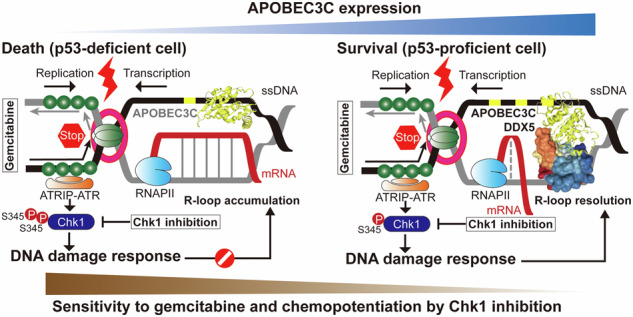 Figure 8
Peer Reviews
No public reviews on file for this paper yet. If you reviewed it on a platform where reviews are public (OpenReview, ICLR, NeurIPS, ICML), you can paste yours below so the community can read it here.
Videos
No videos yet. Explain this paper in a talk, walkthrough, or lecture? Add one.
Taxonomy
TopicsDNA Repair Mechanisms · PARP inhibition in cancer therapy · Cancer-related Molecular Pathways