Modeling genotype-by-environment interactions across climatic conditions reveals environment-specific genomic regions and candidate genes underlying feed efficiency traits in tropical beef cattle
João B. Silva Neto, Luiz F. Brito, Lucio F. M. Mota, Gustavo R. D. Rodrigues, Fernando Baldi

TL;DR
This study identifies genes and genomic regions linked to feed efficiency in tropical beef cattle under different climate conditions, revealing how these traits respond to heat stress.
Contribution
The study introduces a novel approach to modeling genotype-by-environment interactions in tropical beef cattle to uncover environment-specific genomic regions and candidate genes for feed efficiency.
Findings
Genomic regions and candidate genes associated with feed efficiency traits in Nellore cattle were identified under varying thermal stress conditions.
Gene networks for residual feed intake reconfigured with increasing heat stress, while dry matter intake networks remained stable in cooler conditions.
Environment-specific and shared genes were linked to biological processes like metabolism, stress response, and growth regulation.
Abstract
Heat stress represents a major limitation for livestock production systems, negatively affecting feed efficiency, animal health and welfare, and overall performance. In this context, the objective of this study was to identify genomic regions, candidate genes, biological pathways, and functional networks associated with dry matter intake (DMI) and residual feed intake (RFI) in Nellore cattle exposed to varying levels of thermal stress. The dataset comprised records from 22,838 animals, with genotypes available for 18,567 individuals. The data were collected during 296 feed efficiency trials between 2011 and 2023 across 21 Brazilian farms. Genome-wide association studies (GWAS) were performed using the single-step GBLUP (ssGBLUP) approach to account for genotype-by-environment (G×E) interactions in Nellore cattle. Environmental variation was modeled using the temperature-humidity index…
Genes, proteins, chemicals, diseases, species, mutations and cell lines named across the full text — each resolved to its canonical identifier and authoritative record.
Click any figure to enlarge with its caption.
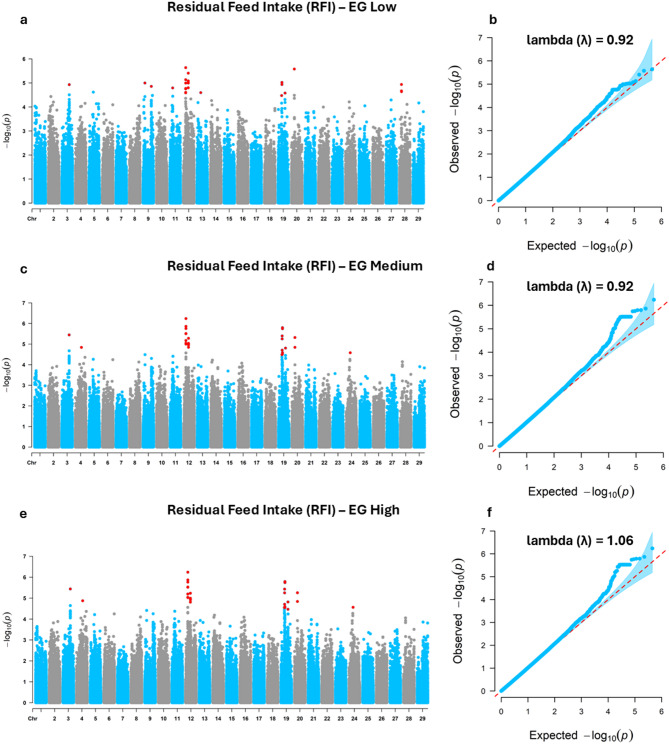 Figure 1
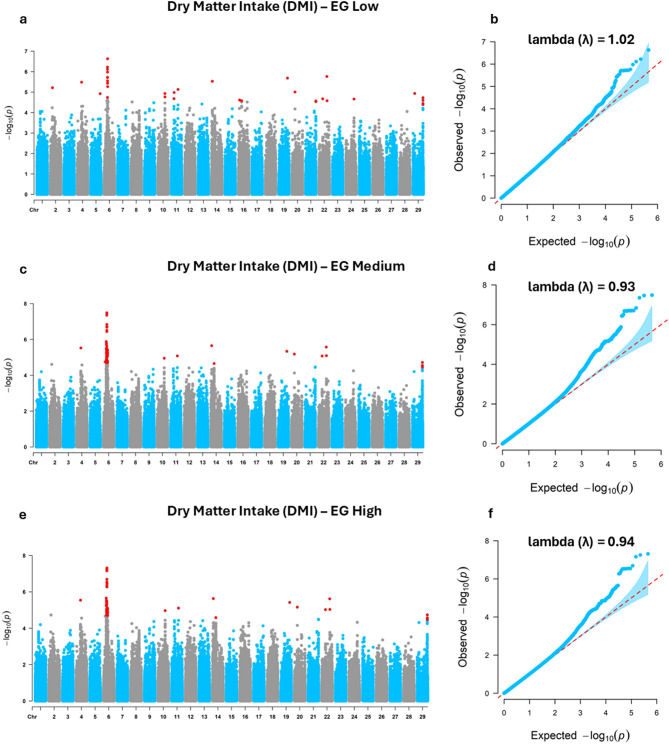 Figure 2
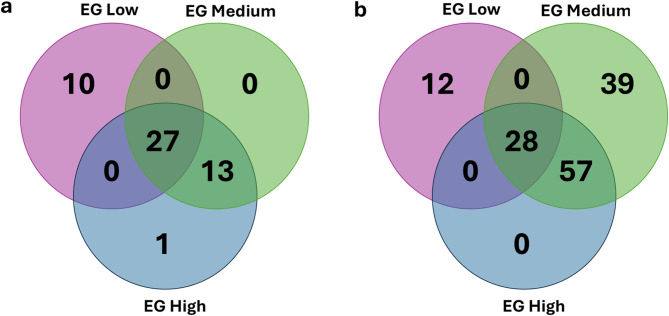 Figure 3
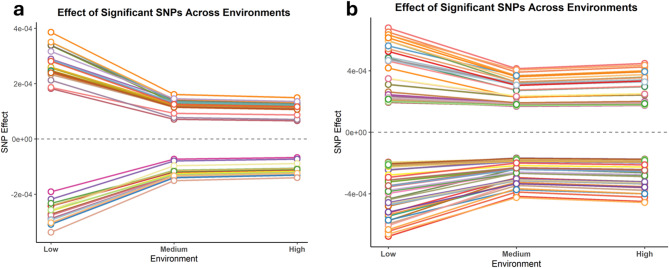 Figure 4
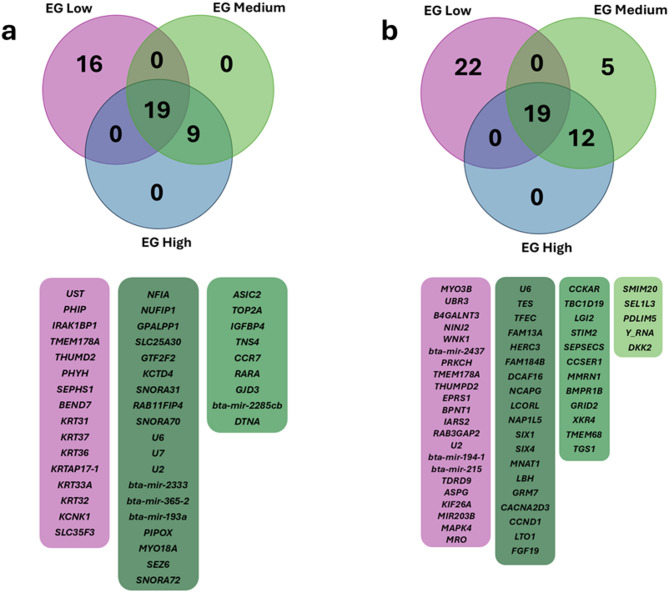 Figure 5
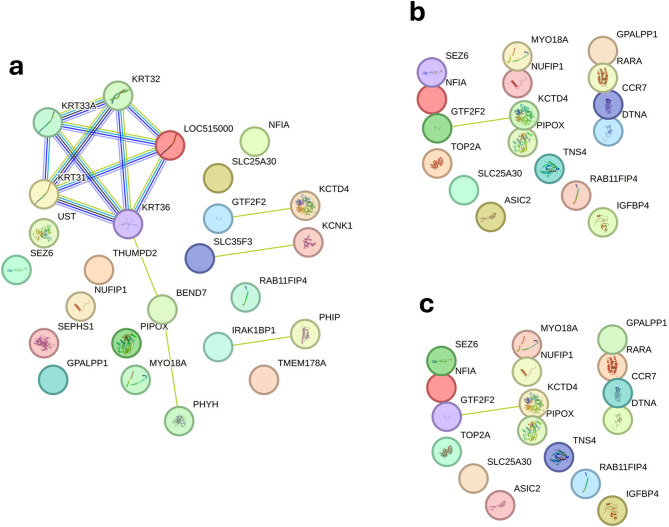 Figure 6
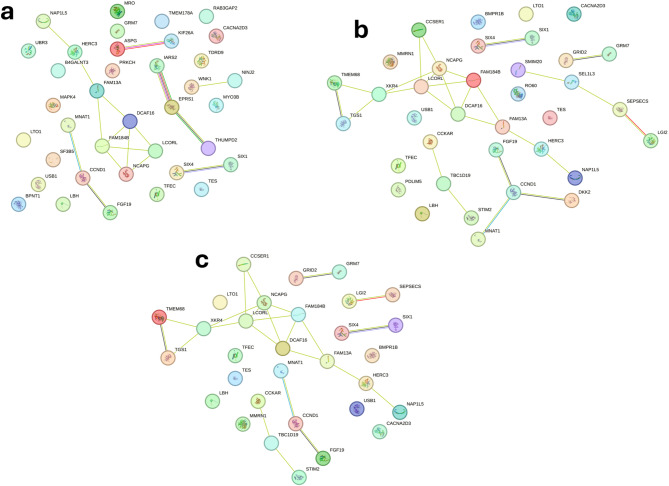 Figure 7
Peer Reviews
No public reviews on file for this paper yet. If you reviewed it on a platform where reviews are public (OpenReview, ICLR, NeurIPS, ICML), you can paste yours below so the community can read it here.
Videos
No videos yet. Explain this paper in a talk, walkthrough, or lecture? Add one.
Taxonomy
TopicsEffects of Environmental Stressors on Livestock · Genetic and phenotypic traits in livestock · Reproductive Physiology in Livestock