A comparative evaluation of green colloidal silver variants for enhanced stability and bioactivity
Federico Trotta, Danielle Winning, Sophie Sadiatoonasa, Seyedeh Fatemeh Mirpoor, Stella Lignou, Sameer Khalil Ghawi, Dimitris Charalampopoulos

TL;DR
This paper compares green methods for making colloidal silver, finding that plant-based approaches offer better stability and antimicrobial properties than traditional methods.
Contribution
The study introduces a patented plant-based method for synthesizing colloidal silver and compares its performance against other green and commercial methods.
Findings
CSBX3 and CSLJ showed superior colloidal stability under various stress conditions like temperature and pH.
CSBX3 retained stability at low temperatures and in PBS, while CSLJ showed strong steric stabilization.
CSBX3 and CSGT exhibited the highest antimicrobial and antioxidant activity, eradicating over 90% of bacteria within 24 hours.
Abstract
Colloidal silver (CS) is at the forefront of enhancing novel consumer products formulations & packaging. However, conventional synthesis methods pose challenges, including toxicity, high costs, and poor colloidal stability. Green synthesis using plant extracts offers a sustainable alternative by leveraging natural bioactive compounds. This study compares CS synthesized via a patented plant-based method (CSBX3), Lemon Juice (CSLJ), and Green Tea (CSGT), with a commercial reference (CSRef). Characterization using UV–Vis, DLS, SEM, Zeta Potential, and EDS assessed particle size, stability, and composition under stress conditions: long-term storage (60 days), varying temperatures (4–37 °C), pH (3–11), and phosphate-buffered saline (PBS). Antioxidant activity was evaluated and antimicrobial efficacy against E.coli and Listeria to determine MIC. CSBX3 and CSLJ showed superior stability under…
Genes, proteins, chemicals, diseases, species, mutations and cell lines named across the full text — each resolved to its canonical identifier and authoritative record.
Click any figure to enlarge with its caption.
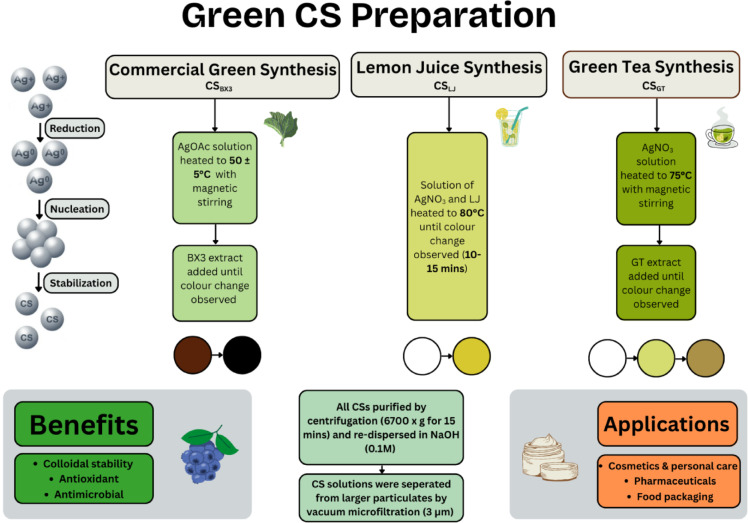 Figure 1
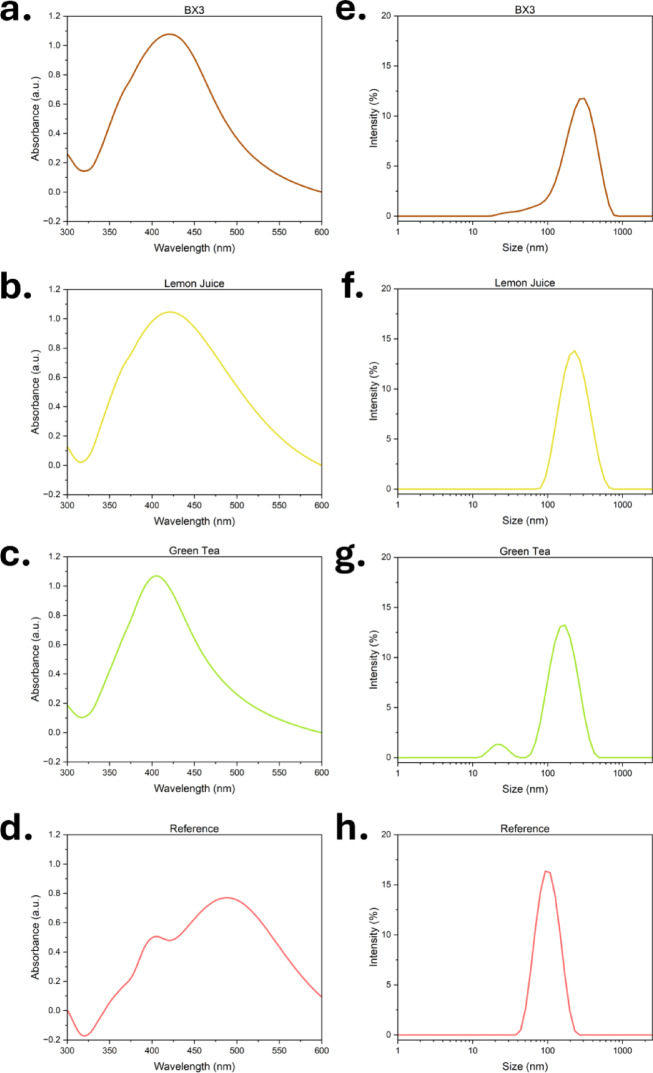 Figure 2
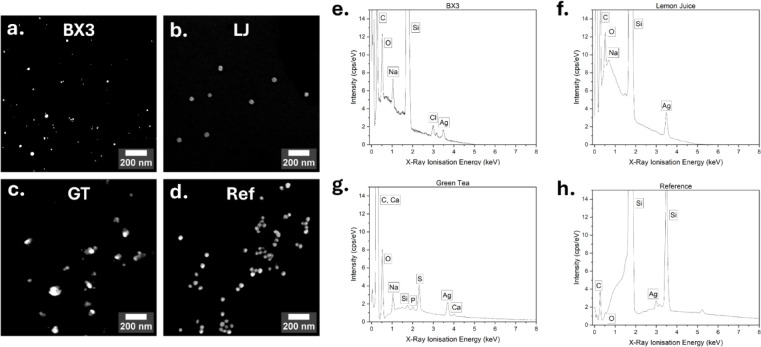 Figure 3
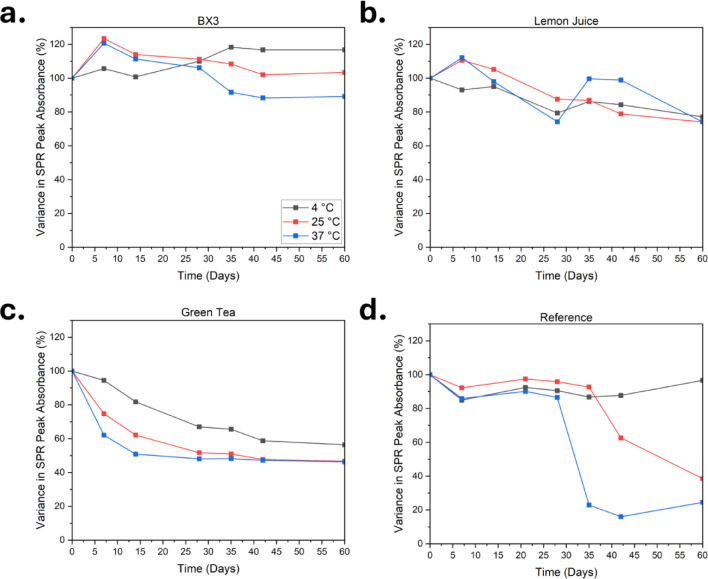 Figure 4
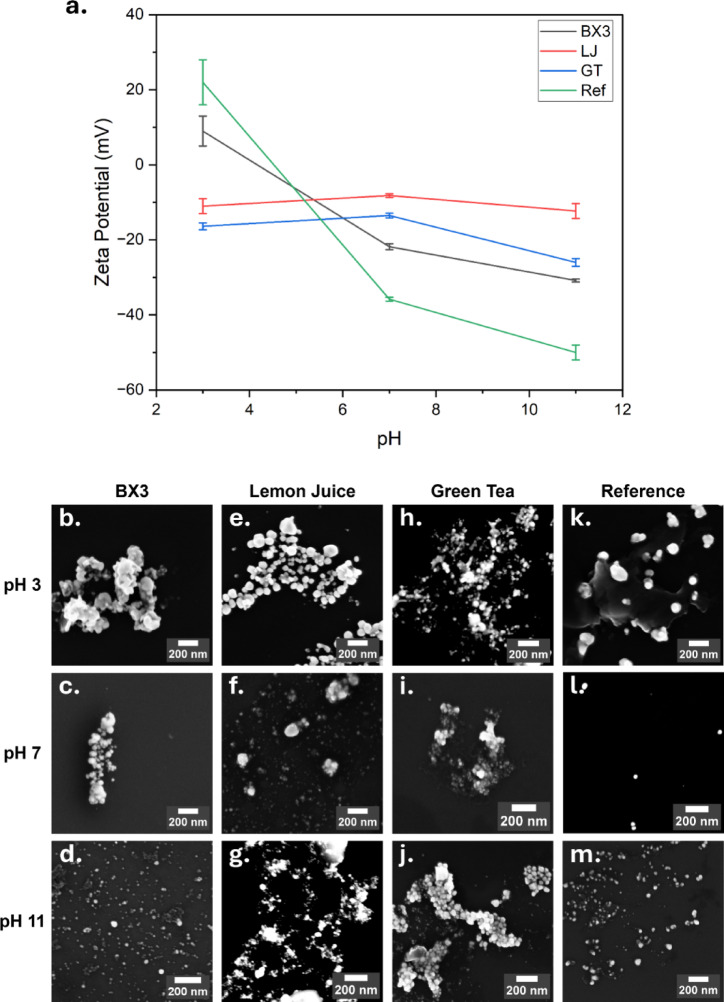 Figure 5
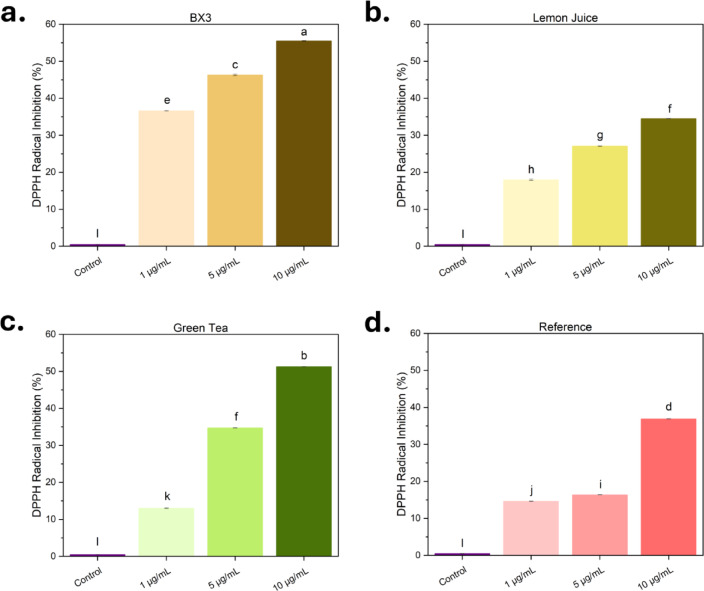 Figure 6
Peer Reviews
No public reviews on file for this paper yet. If you reviewed it on a platform where reviews are public (OpenReview, ICLR, NeurIPS, ICML), you can paste yours below so the community can read it here.
Videos
No videos yet. Explain this paper in a talk, walkthrough, or lecture? Add one.
Taxonomy
TopicsNanoparticles: synthesis and applications · Gold and Silver Nanoparticles Synthesis and Applications · Advanced Nanomaterials in Catalysis