Characterising commensal and pathogenic staphylococcal interactions with neonatal and adult blood
Isabella Anna Joubert, Christopher Mullally, Penghao Wang, Abha Chopra, Tobias Strunk, Andrew Currie

TL;DR
This study explores how preterm infants, term infants, and adults respond differently to staphylococcal infections, revealing unique immune and bacterial gene activity patterns.
Contribution
The study uses dual RNA-seq to uncover age-specific immune and bacterial gene responses in neonatal and adult sepsis models.
Findings
Shared immune responses across age groups include cytokine and chemokine signaling upon bacterial challenge.
Preterm infants uniquely activate platelet and fibrin pathways, Wnt signaling, and hypoxia in response to S. epidermidis.
Host developmental age influences bacterial gene co-expression, including iron acquisition and heme biosynthesis.
Abstract
The abundant skin commensal, Staphylococcus epidermidis, is the leading cause of late-onset sepsis (LOS) in preterm infants but rarely causes infections in term infants and adults. Staphylococcal virulence mechanisms and the role of the preterm immune responses in driving these life-threatening infections remain poorly understood. Using an ex vivo sepsis model, we challenged whole blood from very preterm infants (30–32 weeks gestational age, GA; n = 8), term infants (> 37 weeks GA; n = 8), and young adults (18–25 years; n = 8) with either live S. epidermidis or S. aureus (~ 107 colony-forming units, CFU/ml) for 90 min. Dual RNA-sequencing (RNA-seq) was performed to simultaneously assess host and pathogen gene expression profiles, identifying common and pathogen-specific responses across cohorts. We found shared immune processes induced in all age groups upon bacterial challenge,…
Genes, proteins, chemicals, diseases, species, mutations and cell lines named across the full text — each resolved to its canonical identifier and authoritative record.
Click any figure to enlarge with its caption.
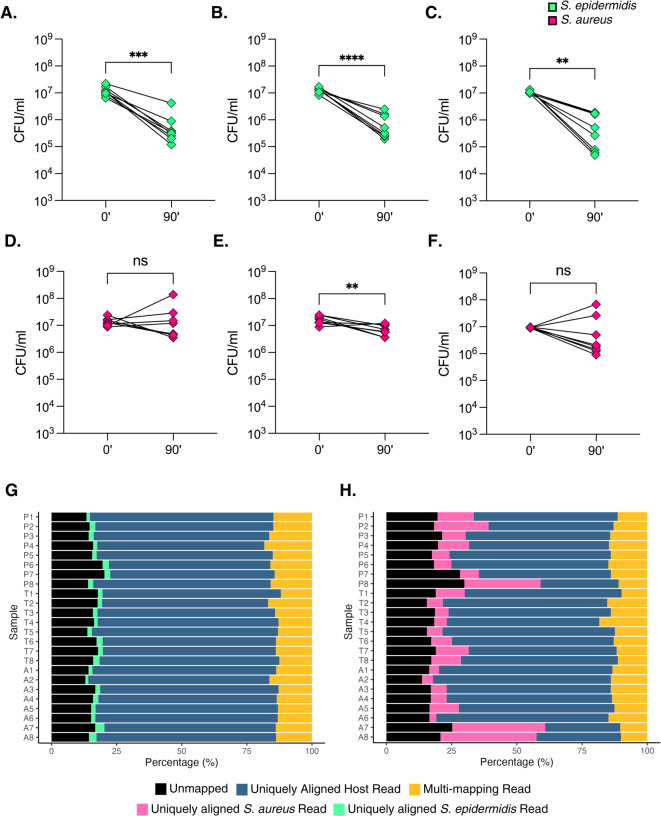 Figure 1
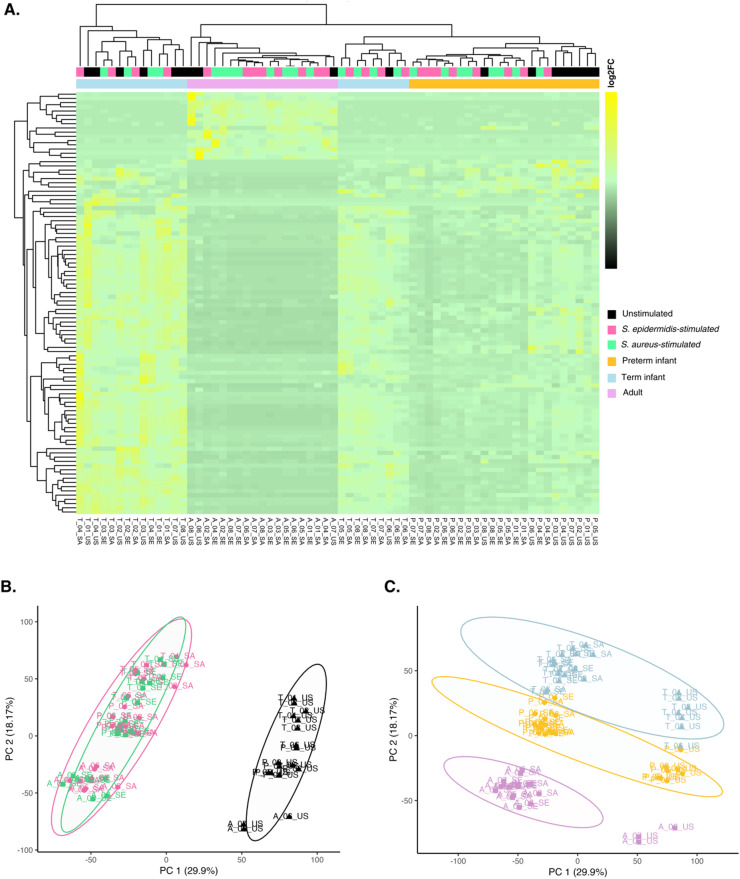 Figure 2
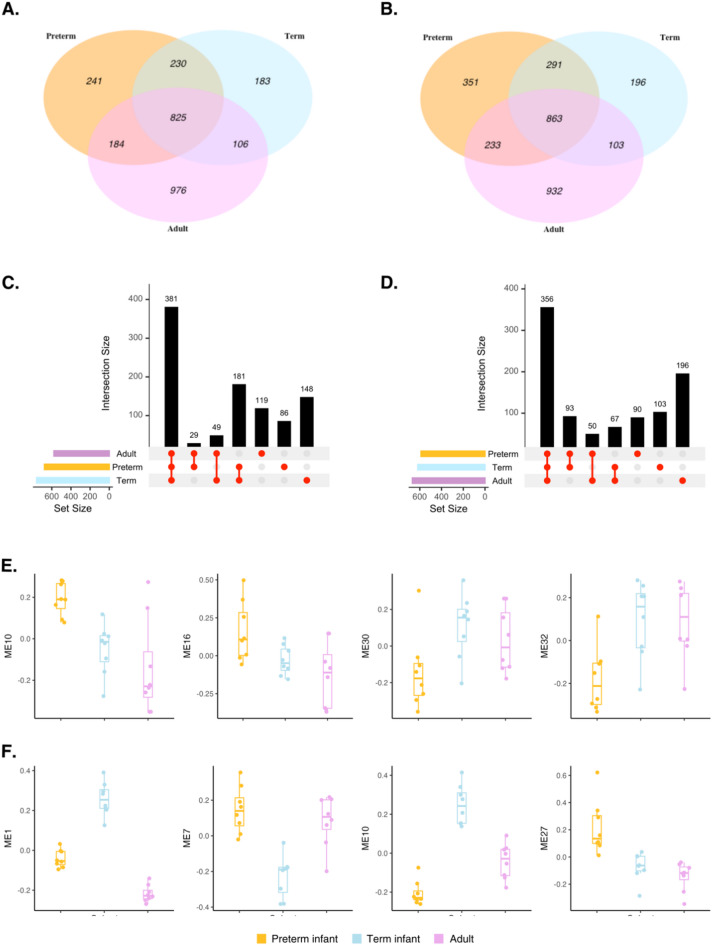 Figure 3
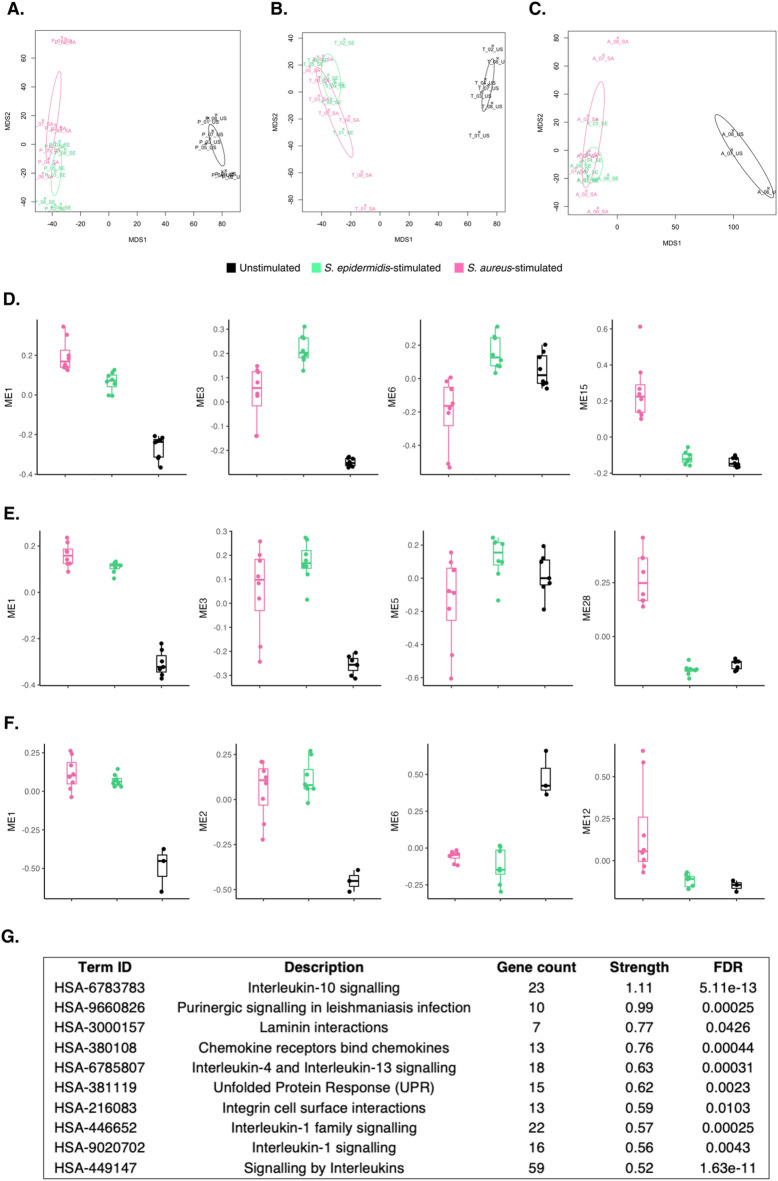 Figure 4
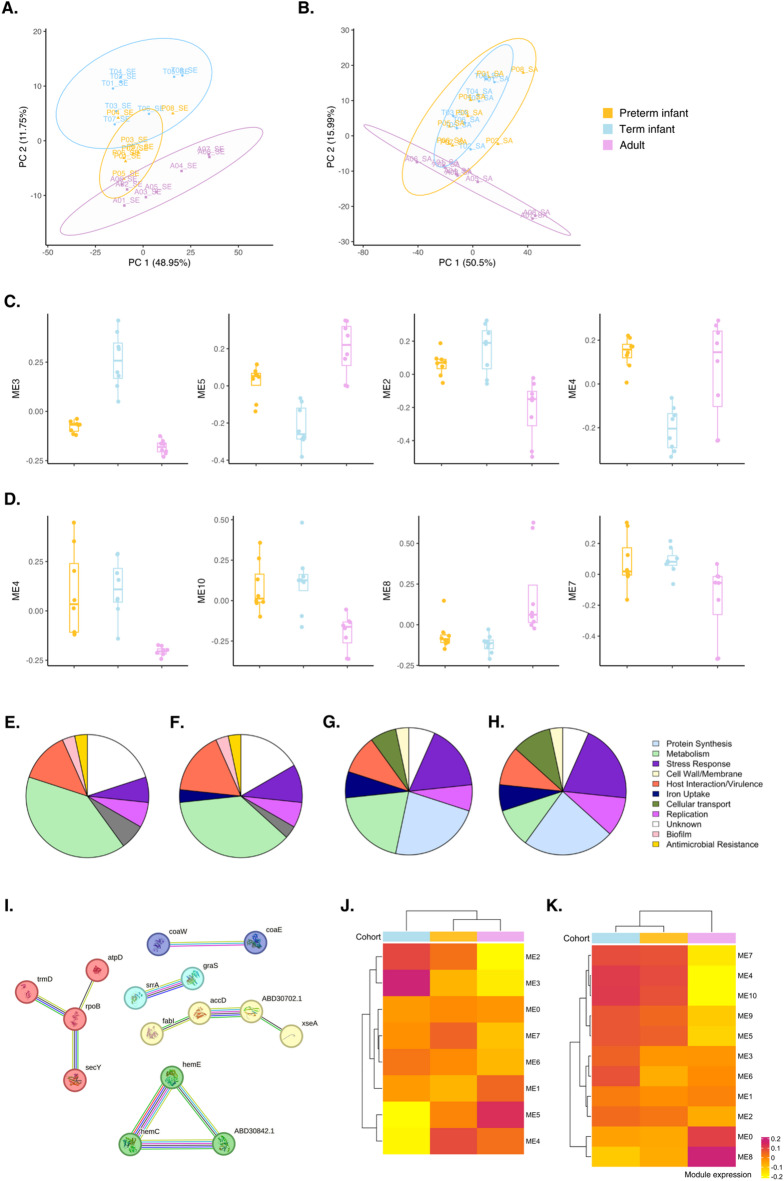 Figure 5
Peer Reviews
No public reviews on file for this paper yet. If you reviewed it on a platform where reviews are public (OpenReview, ICLR, NeurIPS, ICML), you can paste yours below so the community can read it here.
Videos
No videos yet. Explain this paper in a talk, walkthrough, or lecture? Add one.
Taxonomy
TopicsNeonatal and Maternal Infections · Preterm Birth and Chorioamnionitis · Antimicrobial Resistance in Staphylococcus