Development of user-customized online teaching technology based on GPT, enhanced by generative AI-based motion recognition
Kyoung-Geun Cho, Zahra-Batool Jaffrey, Hun-Hee Cho, Jun-Woo Lee, Ye-Jin Lee, Seon Uck Paek, Seo-Young Won, Zolzaya Dashdorj, Erdenebaatar Altangerel, Tae-Koo Kang

TL;DR
This paper introduces ND_GAN, a new motion recognition system that improves accuracy in complex environments and integrates GPT for real-time feedback in online teaching.
Contribution
The novel ND_GAN model enhances joint tracking accuracy by over 30% compared to existing models like MediaPipe and provides real-time teaching feedback using GPT.
Findings
ND_GAN achieved 94.2% [email protected] and 93.1% [email protected], surpassing MediaPipe by over 30%.
ND_GAN outperformed DWPose and ViTPose by more than 15% in accuracy under occlusion conditions.
The system provides real-time feedback using GPT, improving user learning effectiveness.
Abstract
This paper addresses current issues in existing joint tracking and motion recognition algorithms for Human Pose Estimation. It proposes a solution using the Numerical Discriminator Generative Adversarial Network (ND_GAN) to improve the performance of vision-based motion recognition technology. Existing algorithms face challenges in accurately tracking joints in crowded spaces or with users wearing special attire, resulting in reduced accuracy and inconsistent results. The proposed ND_GAN consists of three integrated modules, enabling more precise joint estimation even in complex environments. Experiments were conducted using yoga videos from Hanchoom, a home training platform by TDI, comparing the performance of MediaPipe and ND_GAN on both original and leg-masked videos. Quantitative evaluation showed that ND_GAN achieved 94.2% [email protected], 93.1% [email protected], and an F1-score of 92.8%, marking…
Genes, proteins, chemicals, diseases, species, mutations and cell lines named across the full text — each resolved to its canonical identifier and authoritative record.
Click any figure to enlarge with its caption.
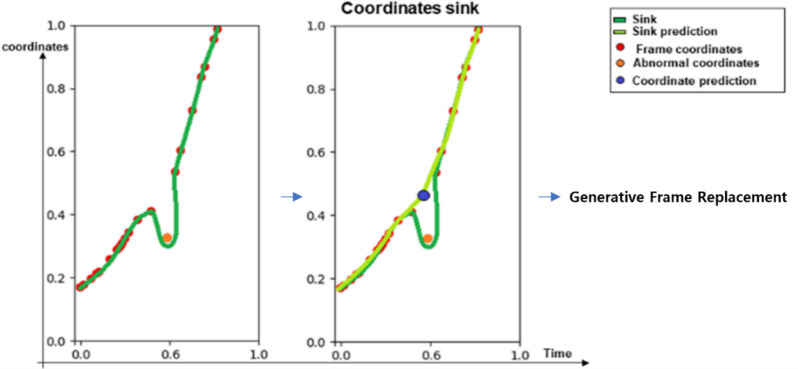 Figure 10
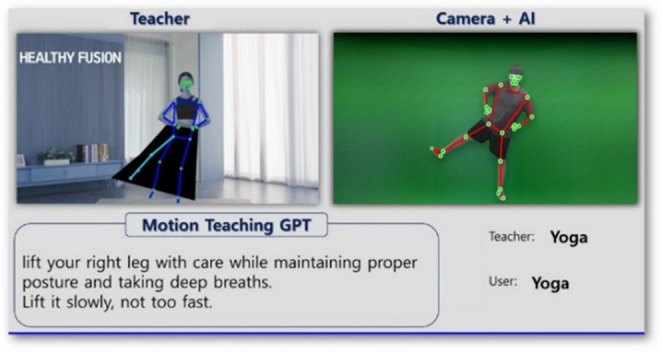 Figure 11
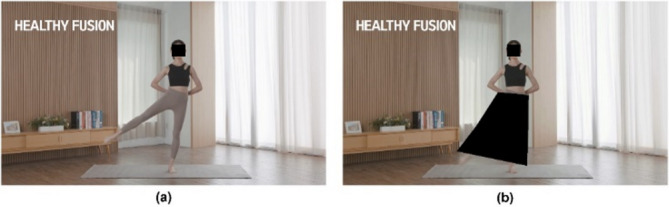 Figure 12
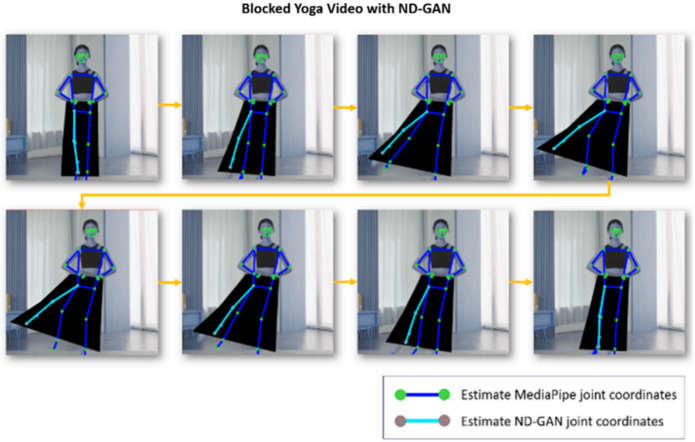 Figure 13
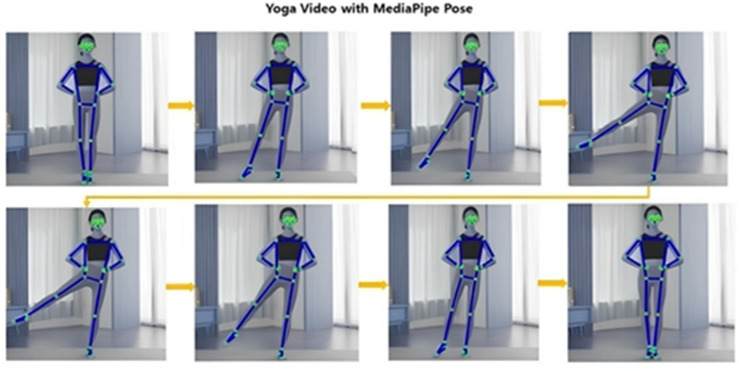 Figure 14
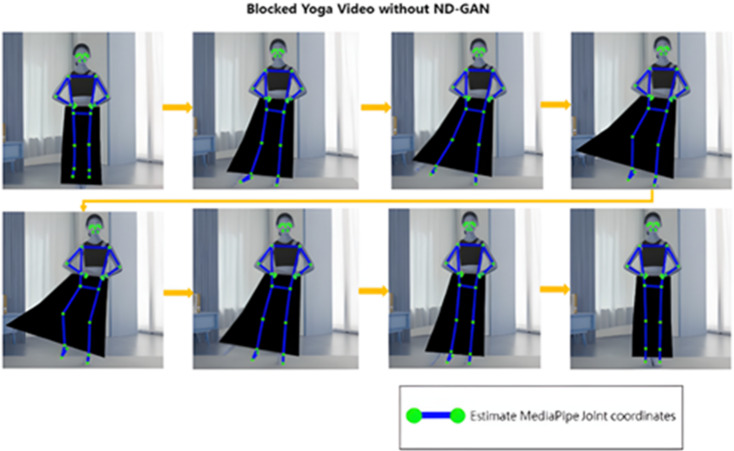 Figure 15
 Figure 1
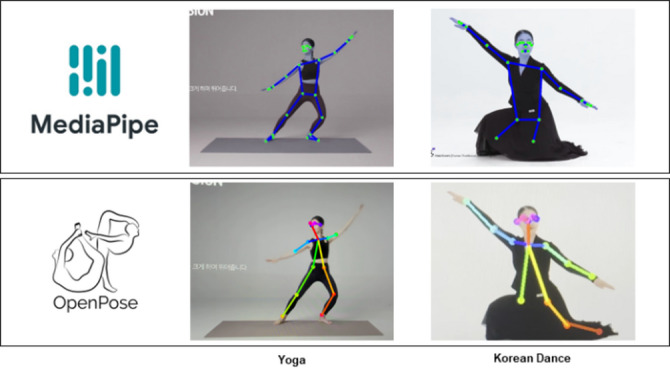 Figure 2
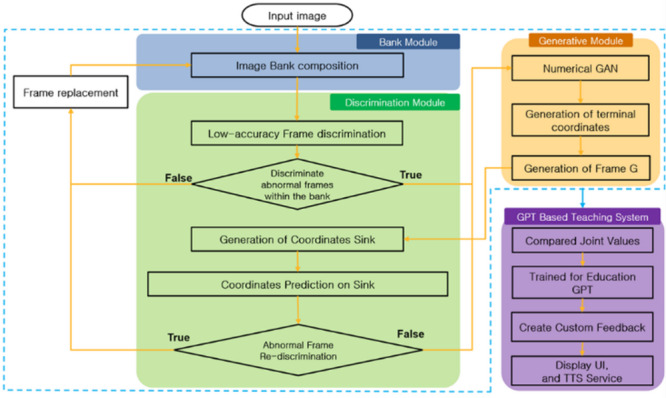 Figure 3
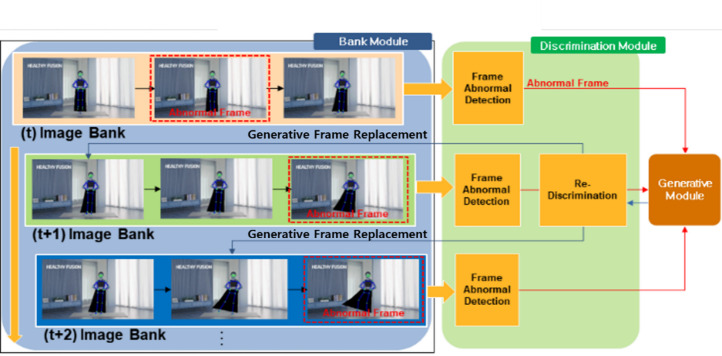 Figure 4
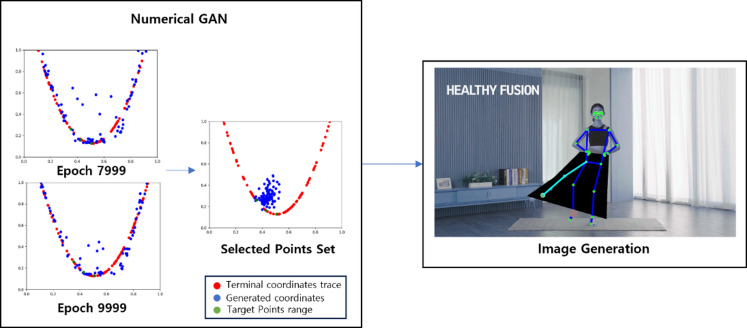 Figure 5
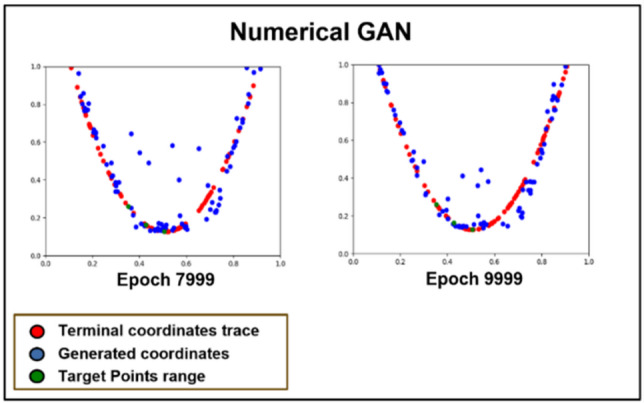 Figure 6
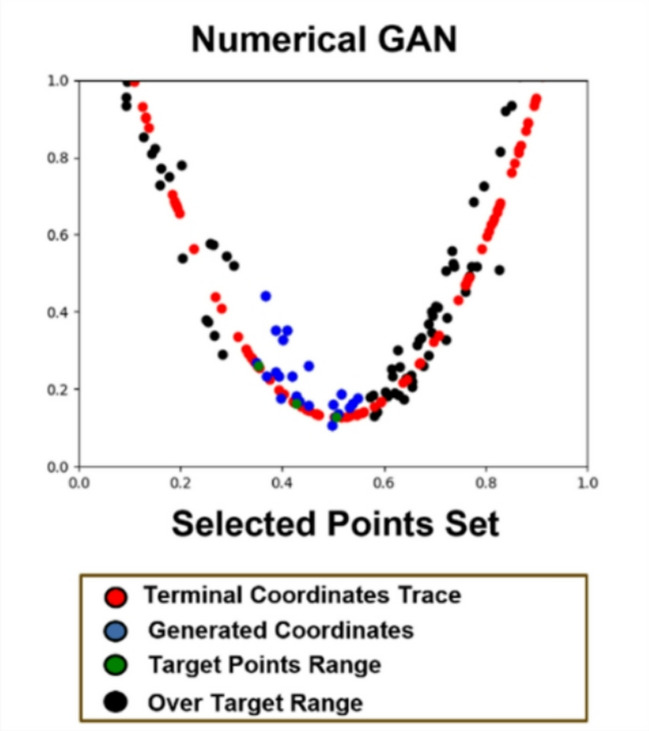 Figure 7
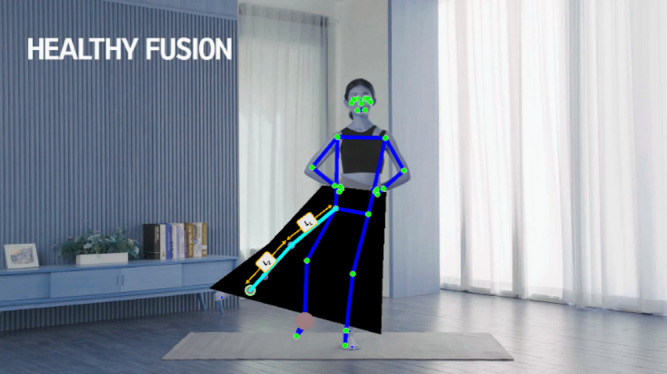 Figure 8
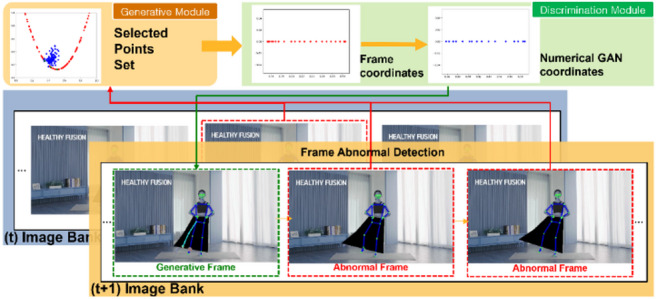 Figure 9
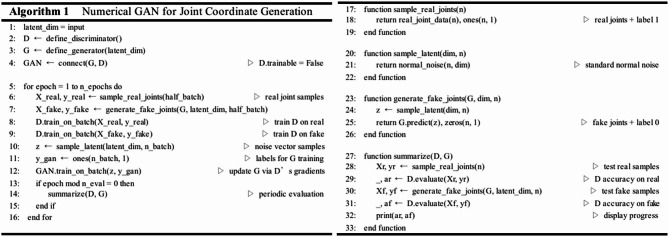 Figure 16
Peer Reviews
No public reviews on file for this paper yet. If you reviewed it on a platform where reviews are public (OpenReview, ICLR, NeurIPS, ICML), you can paste yours below so the community can read it here.
Videos
No videos yet. Explain this paper in a talk, walkthrough, or lecture? Add one.
Taxonomy
TopicsHuman Pose and Action Recognition · Hand Gesture Recognition Systems · Human Motion and Animation