Long‐term cognitive and biomarker trajectories of cognitively unimpaired individuals with different levels of plasma ptau‐217
Jesús Silva‐Rodríguez, Linda Zhang, Luca Kleineidam, Cristina Sánchez, Elizabeth Valeriano‐Lorenzo, Francisco J. López‐González, Sonia Wagner, Teodoro del Ser, Michel J. Grothe, Pascual Sánchez‐Juan

TL;DR
High and intermediate levels of plasma ptau-217 in cognitively unimpaired older adults predict faster cognitive decline and higher risk of Alzheimer's disease.
Contribution
This study demonstrates that plasma ptau-217 levels can predict long-term cognitive decline and Alzheimer's risk in cognitively unimpaired individuals.
Findings
High and intermediate ptau-217 levels are linked to accelerated cognitive decline and increased risk of MCI and dementia.
High ptau-217 levels correlate with smaller hippocampal volume and faster atrophy rates.
Intermediate ptau-217 levels are associated with elevated GFAP and NfL biomarker levels.
Abstract
Plasma ptau‐217 has demonstrated excellent performance in detecting AD pathology. However, its value for predicting long‐term cognitive decline among cognitively unimpaired (CU) individuals remains unclear. We analyzed data from 1044 CU older individuals (75±4yrs, 64% female) enrolled in the Vallecas Project at the CIEN Foundation (Madrid, Spain). Participants underwent annual assessments (2011‐2024), including blood sampling, clinical and neuropsychological evaluations, and MRI scanning (average follow‐up: 7.2±3.0yrs). Plasma ptau‐217 levels were measured using the LUMIPULSE platform (Fujirebio®). Subjects were categorized as having either “Low” (<0.167pg/mL), “Intermediate” (0.167‐0.334 pg/mL) or “High” (>0.334 pg/mL) baseline ptau‐217 based on a pre‐established two cut‐off strategy. Generalized additive models were used to assess trajectories of (a) cognitive performance, assessed…
Genes, proteins, chemicals, diseases, species, mutations and cell lines named across the full text — each resolved to its canonical identifier and authoritative record.
Click any figure to enlarge with its caption.
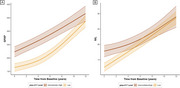 Figure 1
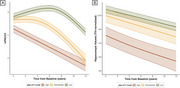 Figure 2
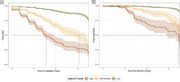 Figure 3
Peer Reviews
No public reviews on file for this paper yet. If you reviewed it on a platform where reviews are public (OpenReview, ICLR, NeurIPS, ICML), you can paste yours below so the community can read it here.
Videos
No videos yet. Explain this paper in a talk, walkthrough, or lecture? Add one.
Taxonomy
TopicsDementia and Cognitive Impairment Research · Alzheimer's disease research and treatments · Functional Brain Connectivity Studies