A Cautionary Tale of Exophiala spinifera Infection in Two Cats: Case Reports and Literature Review
Maryann D. Makosiej, Stephanie Anderson, Mandy A. Womble, Ashley Parsley, Hiroyuki Mochizuki, Petra Bizikova, Tim Chan, Ramón M. Almela, Laura M. Ribas, Lina C. Bilhalva, Andrea P. Santos, Fábio Brum-Rosa, Danielle Meritet, Francisco O. Conrado

TL;DR
Two cats in the U.S. were diagnosed with a rare fungal infection caused by Exophiala spinifera after initial misdiagnoses, highlighting the need for molecular testing.
Contribution
First documented U.S. cases of E. spinifera infection in cats and emphasize the role of molecular diagnostics over traditional methods.
Findings
E. spinifera infection in cats was confirmed only through molecular diagnostics, not conventional methods.
This represents the first U.S. cases and only the sixth and seventh global cases in domestic cats.
Lesions could not be clearly classified as phaeohyphomycosis or chromoblastomycosis using histology.
Abstract
This case series reports two independent cases of Exophiala spinifera infection in adult male neutered domestic cats, both referred following misdiagnosis. To date, only six cases associated with this organism have been reported in domestic cats, excluding those described herein. These also represent the first documented cases of E. spinifera infection in cats in the United States. In both cases, a definitive etiologic diagnosis could not be made by cytology, histology, or fungal culture. Moreover, histologic features did not allow for clear classification of the lesions as phaeohyphomycosis or chromoblastomycosis. Ultimately, accurate identification of the fungal pathogen was achieved through molecular diagnostic testing, rather than conventional mycologic or microscopic methods. These cases underscore the importance of molecular diagnostics and inter‐institutional collaboration in the…
Genes, proteins, chemicals, diseases, species, mutations and cell lines named across the full text — each resolved to its canonical identifier and authoritative record.
Click any figure to enlarge with its caption.
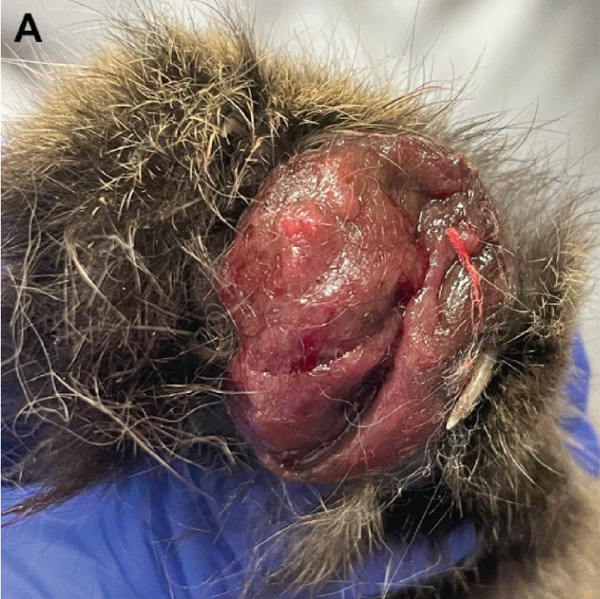 Figure 1
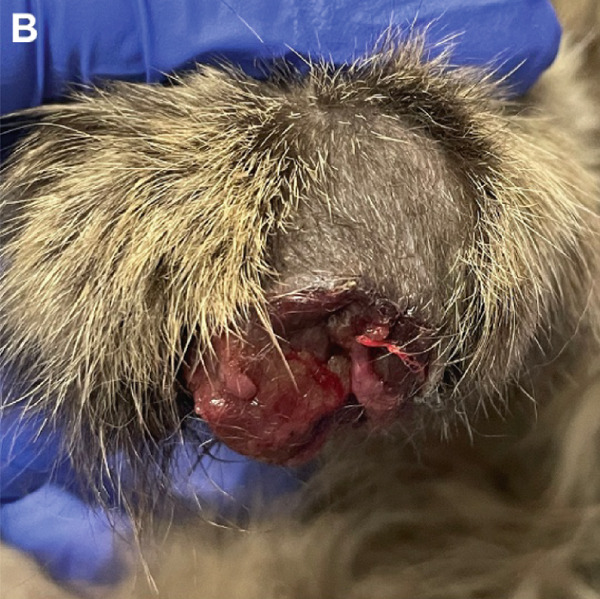 Figure 2
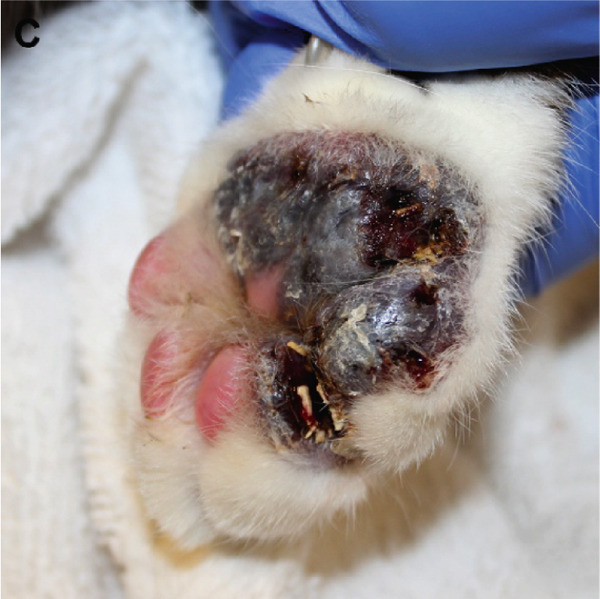 Figure 3
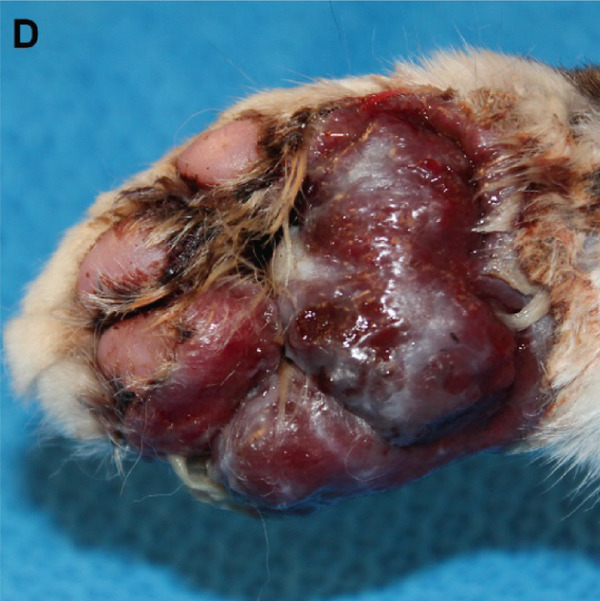 Figure 4
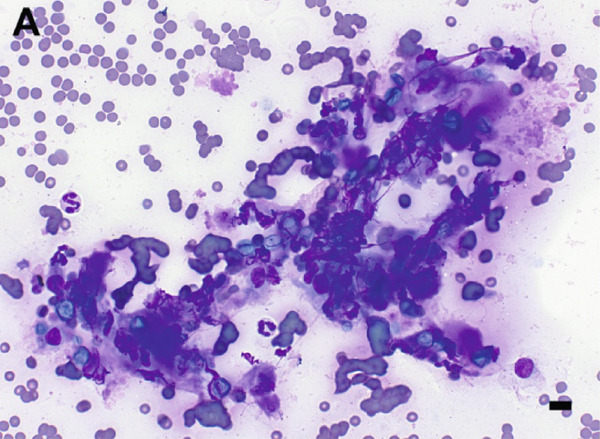 Figure 5
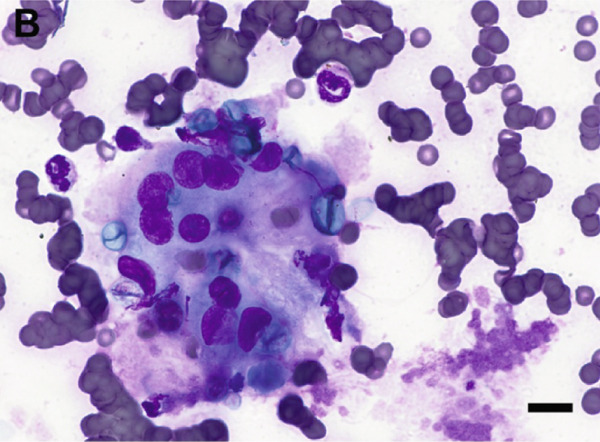 Figure 6
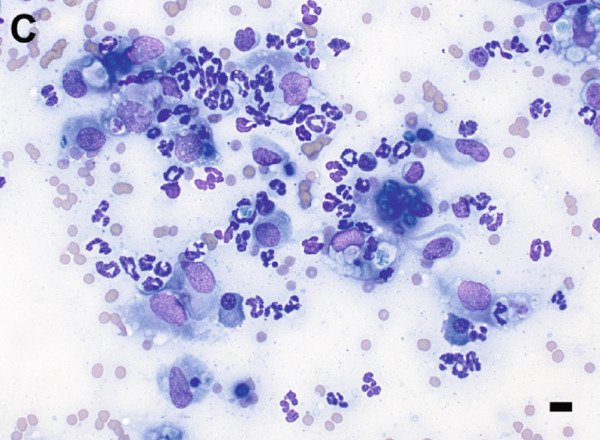 Figure 7
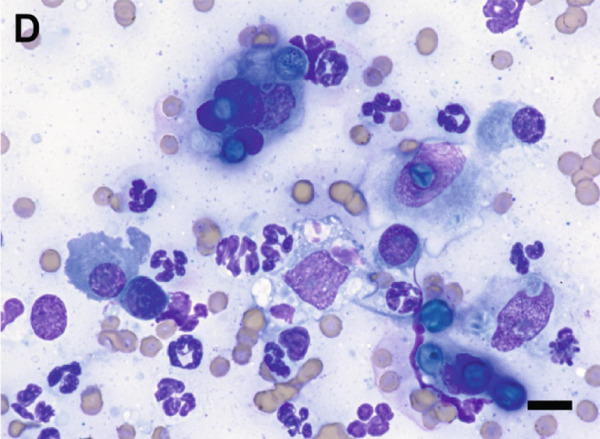 Figure 8
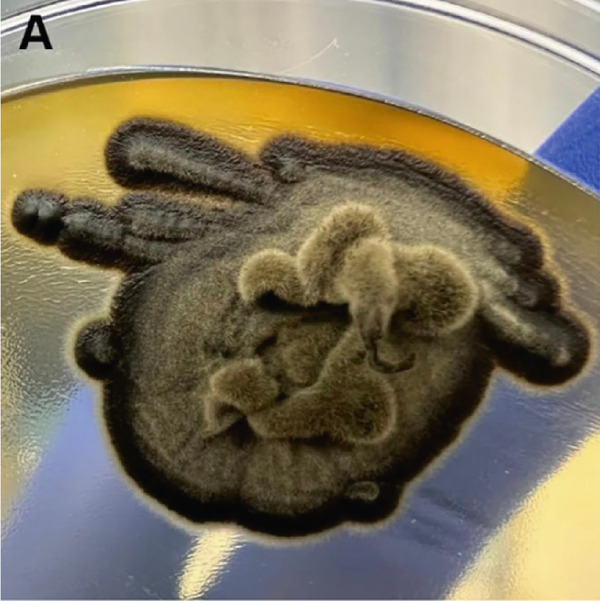 Figure 9
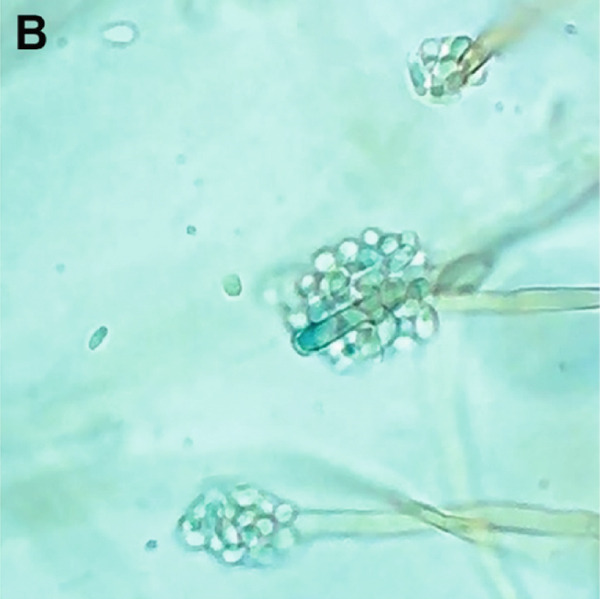 Figure 10
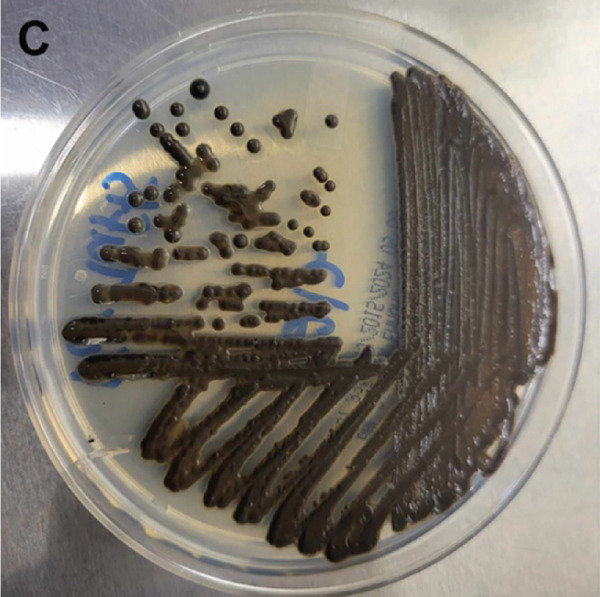 Figure 11
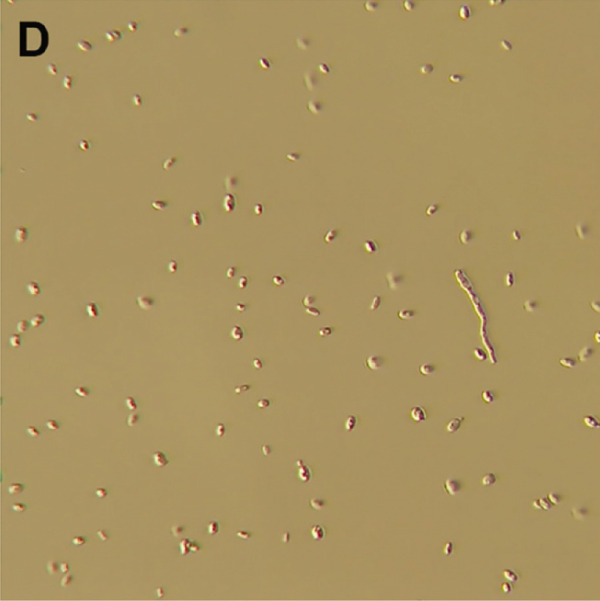 Figure 12
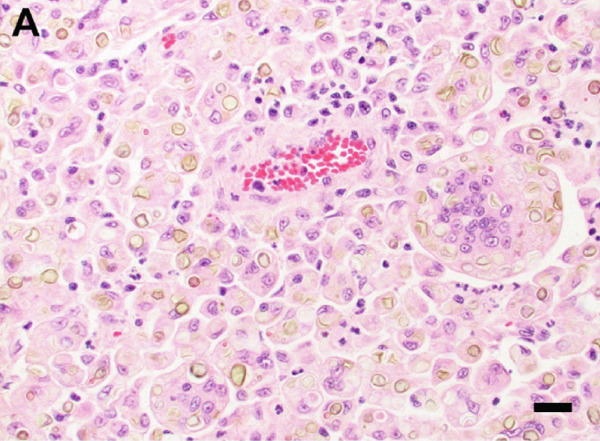 Figure 13
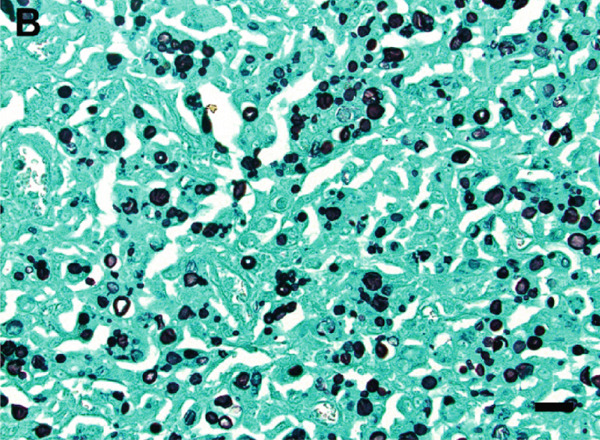 Figure 14
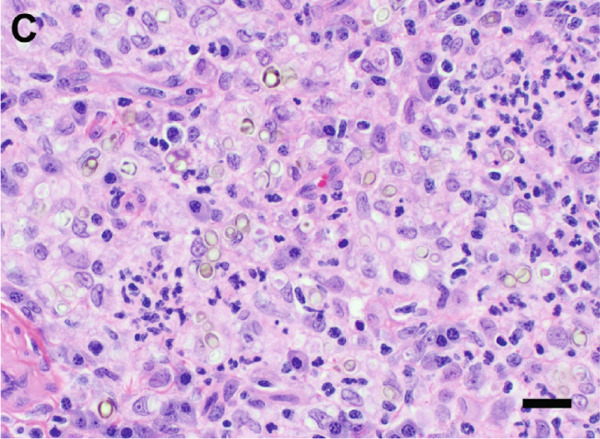 Figure 15
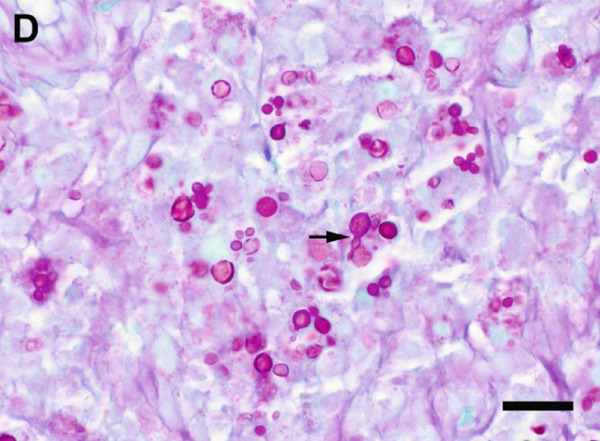 Figure 16
Peer Reviews
No public reviews on file for this paper yet. If you reviewed it on a platform where reviews are public (OpenReview, ICLR, NeurIPS, ICML), you can paste yours below so the community can read it here.
Videos
No videos yet. Explain this paper in a talk, walkthrough, or lecture? Add one.
Taxonomy
TopicsFungal Infections and Studies · Insects and Parasite Interactions · Infectious Diseases and Mycology