Association of CSF cortisol with brain glucose metabolism in Alzheimer's disease continuum
Laura Willers Souza, Luiza Santos Machado, Guilherme Povala, Thomas Hugentobler Schlickmann, João Pedro Ferrari‐Souza, Marco Antônio De Bastiani, Lucas Uglione Da Ros, Andrei Bieger, Wyllians Vendramini Borelli, Guilherme Bauer‐Negrini, Jonathan M. DuBois, Eduardo R. Zimmer

TL;DR
The study found that higher cortisol levels in cerebrospinal fluid are linked to reduced brain glucose metabolism in Alzheimer's-related regions, regardless of disease stage or biomarkers.
Contribution
This study is the first to show a direct association between CSF cortisol and glucose hypometabolism in AD-affected brain regions, independent of clinical or biomarker status.
Findings
Elevated CSF cortisol is associated with glucose hypometabolism in AD-related brain regions like the parietal and frontal lobes.
The association between cortisol and brain metabolism remains significant regardless of AD biomarker positivity or clinical diagnosis.
Findings suggest cortisol may act as a risk-related marker rather than a direct cause of AD.
Abstract
Elevated cortisol levels are considered a risk factor for Alzheimer's disease (AD). However, the relationship between cerebrospinal fluid (CSF) cortisol levels and AD pathophysiology remains insufficiently explored. Brain glucose hypometabolism, assessed with fluorodeoxyglucose positron emission tomography ([18F]FDG‐PET), is a hallmark of neurodegeneration in AD. Understanding the impact of CSF cortisol levels on brain metabolism is crucial for elucidating cortisol's role in the mechanisms underlying AD. This study aimed to investigate the association between CSF cortisol levels and [18F]FDG‐PET imaging across the biological and clinical continuum of AD. We analyzed 133 participants from ADNI with available CSF cortisol measures, [18F]FDG‐PET imaging, and CSF Elecsys biomarkers (Aβ1‐42 and p‐tau181). Voxel‐wise linear regressions were conducted to evaluate the baseline associations…
Genes, proteins, chemicals, diseases, species, mutations and cell lines named across the full text — each resolved to its canonical identifier and authoritative record.
Click any figure to enlarge with its caption.
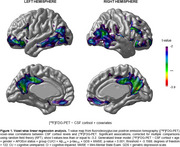 Figure 1
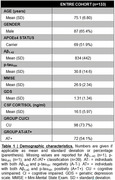 Figure 2
Peer Reviews
No public reviews on file for this paper yet. If you reviewed it on a platform where reviews are public (OpenReview, ICLR, NeurIPS, ICML), you can paste yours below so the community can read it here.
Videos
No videos yet. Explain this paper in a talk, walkthrough, or lecture? Add one.
Taxonomy
TopicsStress Responses and Cortisol · Dementia and Cognitive Impairment Research · Pituitary Gland Disorders and Treatments