Hidden genetic diversity among Blochmanniella endosymbionts of closely related carpenter ant populations
Reo H Maynard, Yumary M Vasquez, Gordon M Bennett

TL;DR
This study reveals hidden genetic diversity in Blochmanniella bacteria living in closely related carpenter ant populations.
Contribution
The discovery of a novel Blochmanniella lineage, BSEQ, with unique gene losses and functions in a geographically distinct C. vicinus population.
Findings
The BSEQ lineage has lost genes related to membrane maintenance, bacterial cell information, and nutrition synthesis.
BSEQ can supply 7 of 10 essential amino acids to its host and assist in breaking down urea and repairing DNA damage.
Most protein-coding genes in BSEQ and related lineages are under strong or relaxed purifying selection.
Abstract
Carpenter ants (Family Formicidae; Genus Camponotus) are a globally distributed, arboreal clade. They harbor an intracellular obligate bacterial endosymbiont known as “Candidatus Blochmanniella spp.” (hereafter Blochmanniella). The host ant species, C. vicinus, is geographically dispersed across the western United States of America and western Canada. To investigate how Blochmanniella have differentially evolved from related host-endosymbiont lineages, we sampled a C. vicinus population from California’s Sierra Nevada mountains, California, U.S.A., at an elevation of 2,300 m. Using morphological characters and Cytochrome Oxidase I markers, we determined that this population is genetically distinct from geographically distributed lineages of C. vicinus from Central California and Western North America (Arizona, U.S.A. to British Columbia, Canada). Thus, we sequenced the genome of the…
Genes, proteins, chemicals, diseases, species, mutations and cell lines named across the full text — each resolved to its canonical identifier and authoritative record.
Click any figure to enlarge with its caption.
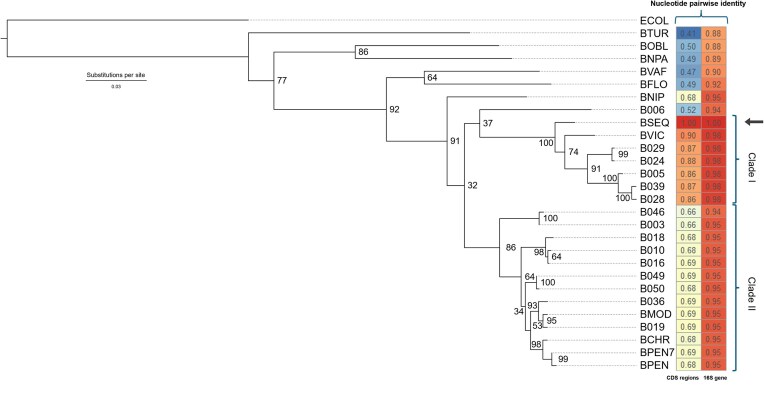 Figure 1
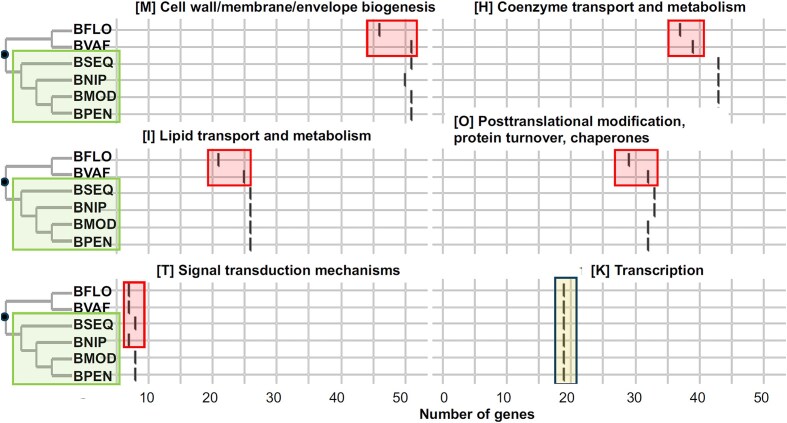 Figure 2
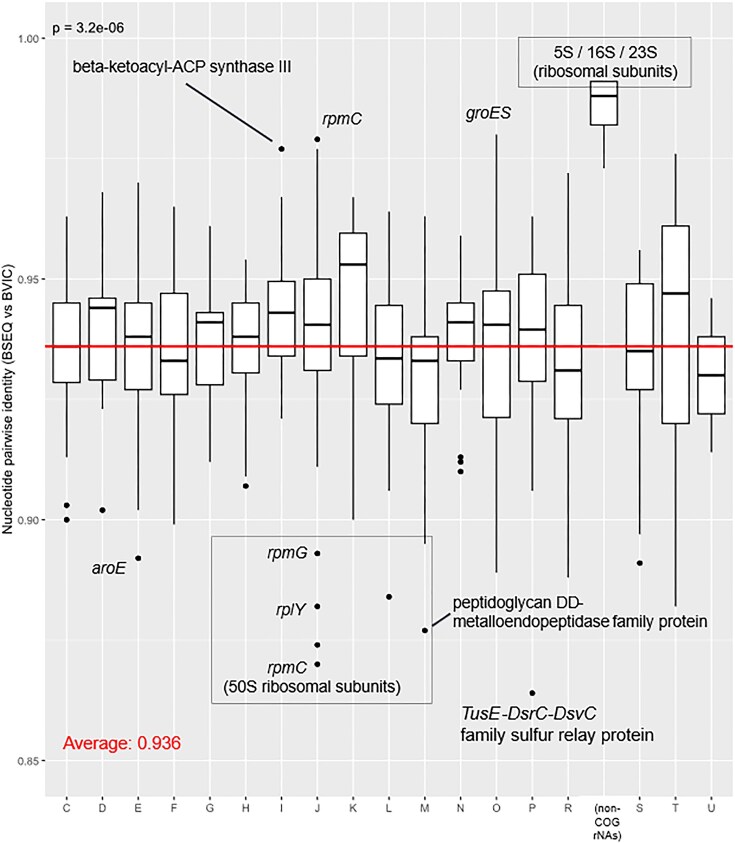 Figure 3
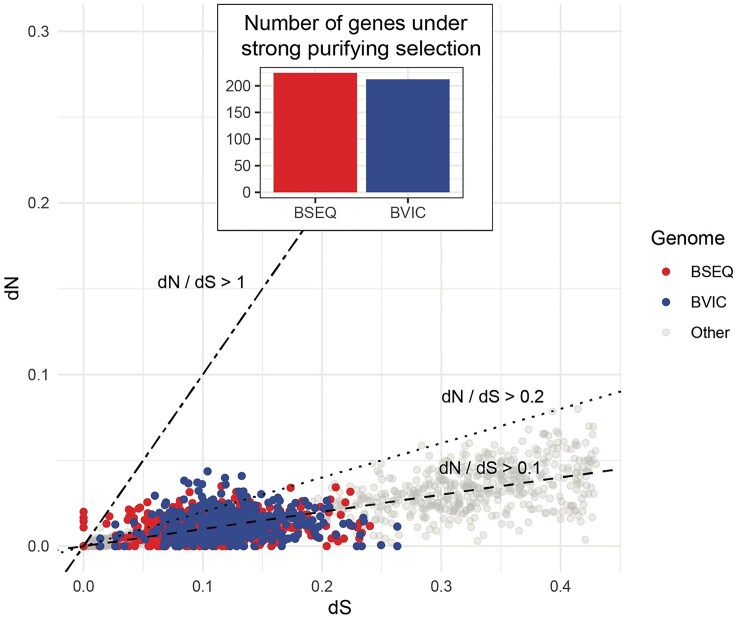 Figure 4
Peer Reviews
No public reviews on file for this paper yet. If you reviewed it on a platform where reviews are public (OpenReview, ICLR, NeurIPS, ICML), you can paste yours below so the community can read it here.
Videos
No videos yet. Explain this paper in a talk, walkthrough, or lecture? Add one.
Taxonomy
TopicsInsect symbiosis and bacterial influences · Insect and Arachnid Ecology and Behavior · Genomics and Phylogenetic Studies