Novel LncRNA Gm44763 Regulates Morphine-Induced Reward Memory via MiR-298-5p-Mediated eIF4E Translation Control
Feifei Gao, Xixi Yang, Zhuojin Yang, Dongyu Yu, Bao Zhang, Yihan Wang, Zhen Yao, Jie Chen, Qi Liao, Lanjiang Li, Beilin Hou, Danmei Wang, Yuxiang Zhang, Chunxia Yan

TL;DR
This study identifies a new lncRNA, Gm44763, that regulates morphine-induced reward memory by controlling the translation of eIF4E through miR-298-5p.
Contribution
The paper introduces a novel regulatory axis involving Gm44763, miR-298-5p, and eIF4E in morphine-induced reward memory.
Findings
Gm44763 functions as a miR-298-5p sponge to regulate eIF4E translation in morphine-induced reward memory.
miR-298-5p bidirectionally modulates reward memory and reverses Gm44763 effects.
eIF4E contributes to morphine-induced memory regulation through interaction with eIF4G.
Abstract
Drug-associated reward memory underlies both the development and relapse of addiction, yet its molecular basis remains poorly understood. Here, transcriptomic profiling and functional validation identified a novel long non-coding RNA (lncRNA), Gm44763, as a critical regulator of morphine-induced reward memory specifically in neurons of the medial prefrontal cortex (mPFC). Behavioral and molecular analyses demonstrated that Gm44763 functions as a sponge for miR-298-5p, thereby relieving the repression of the downstream target gene, eukaryotic translation initiation factor 4E (eIF4E), and modulating both the acquisition and retrieval of reward memory. Golgi staining and fiber photometry further revealed that Gm44763 normalized morphine-induced alterations in synaptic structure and neuronal excitability. miR-298-5p bidirectionally regulated morphine-induced reward memory and reversed both…
Genes, proteins, chemicals, diseases, species, mutations and cell lines named across the full text — each resolved to its canonical identifier and authoritative record.
Click any figure to enlarge with its caption.
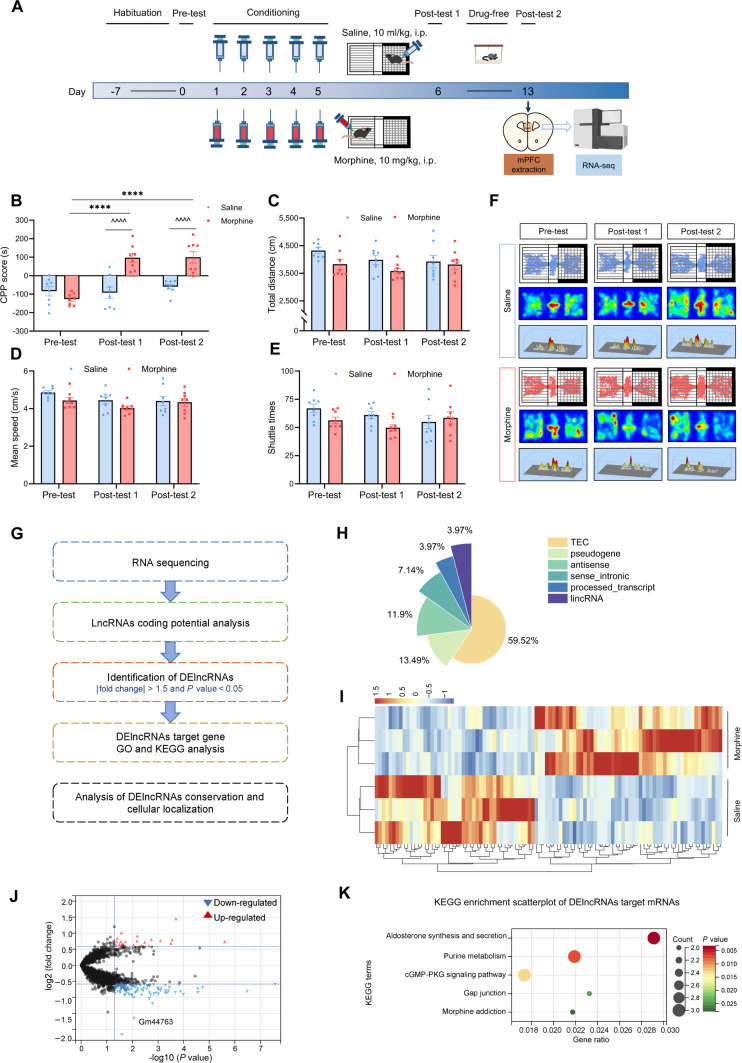 Figure 1
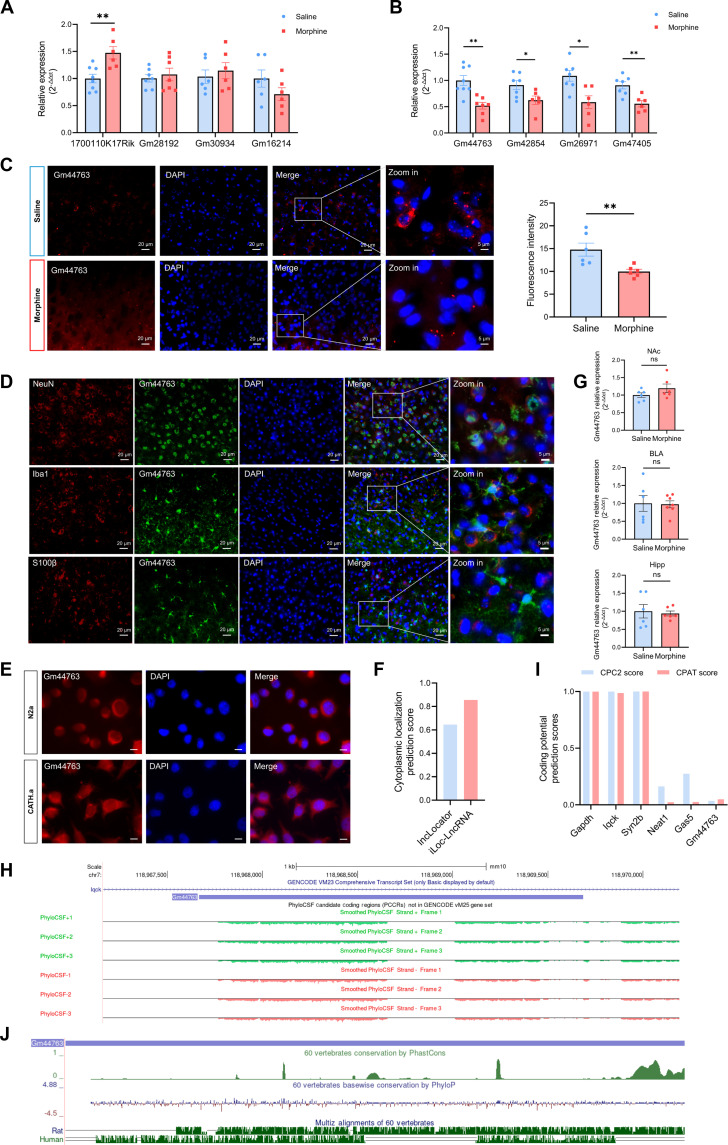 Figure 2
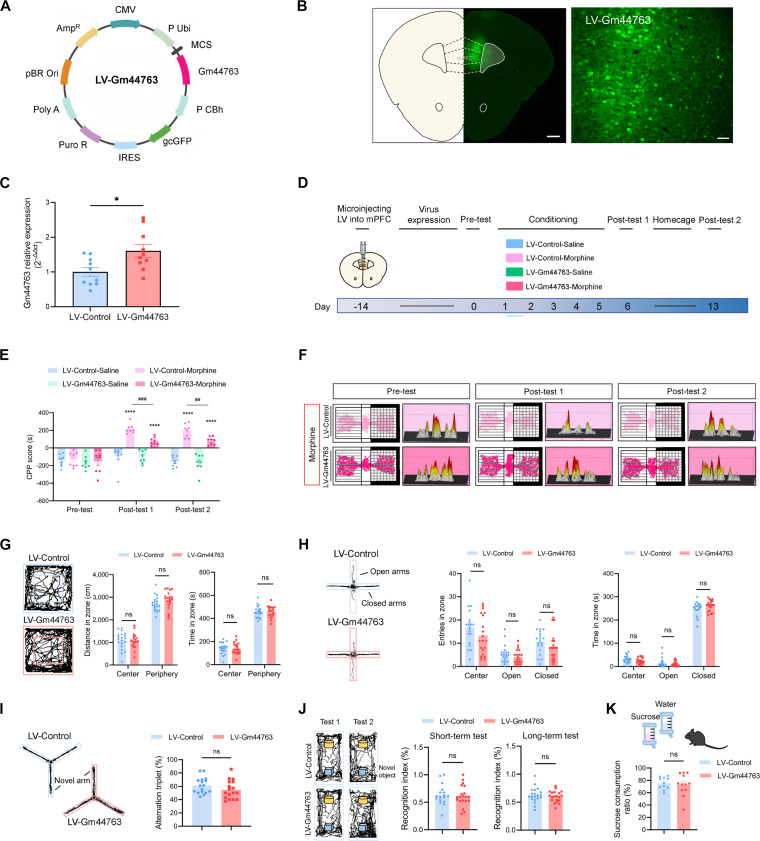 Figure 3
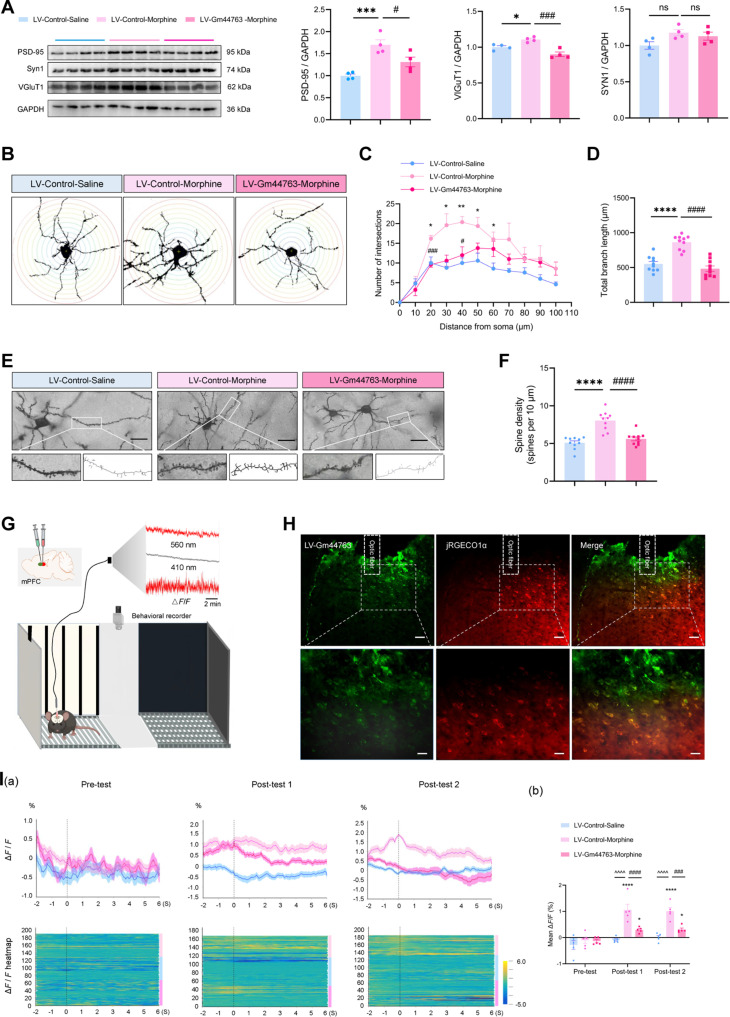 Figure 4
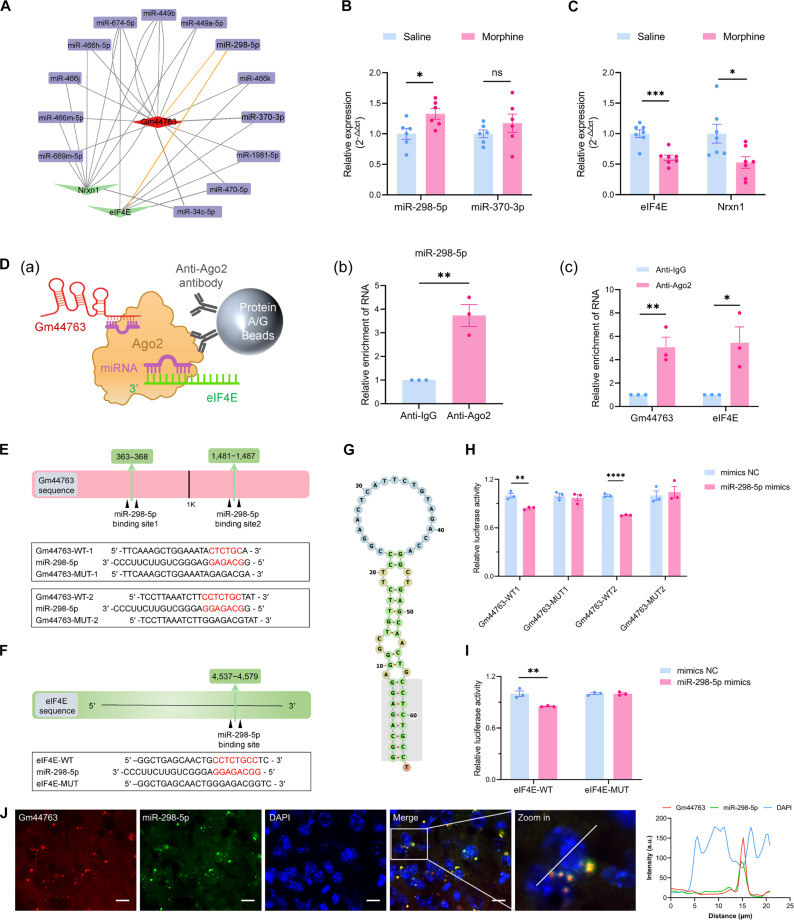 Figure 5
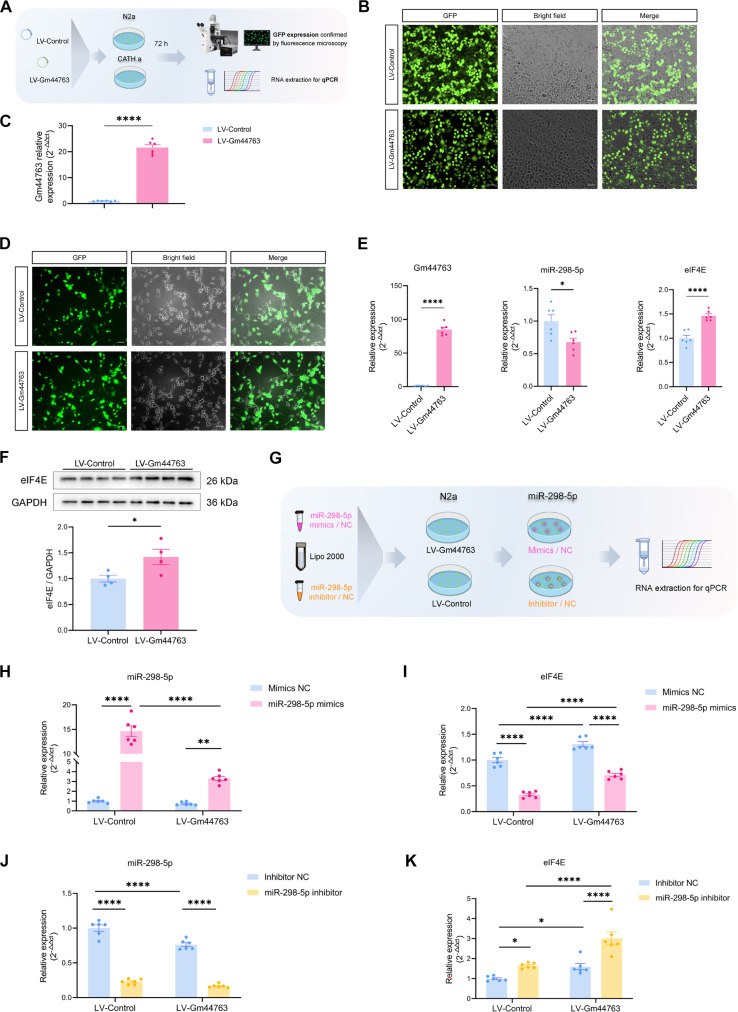 Figure 6
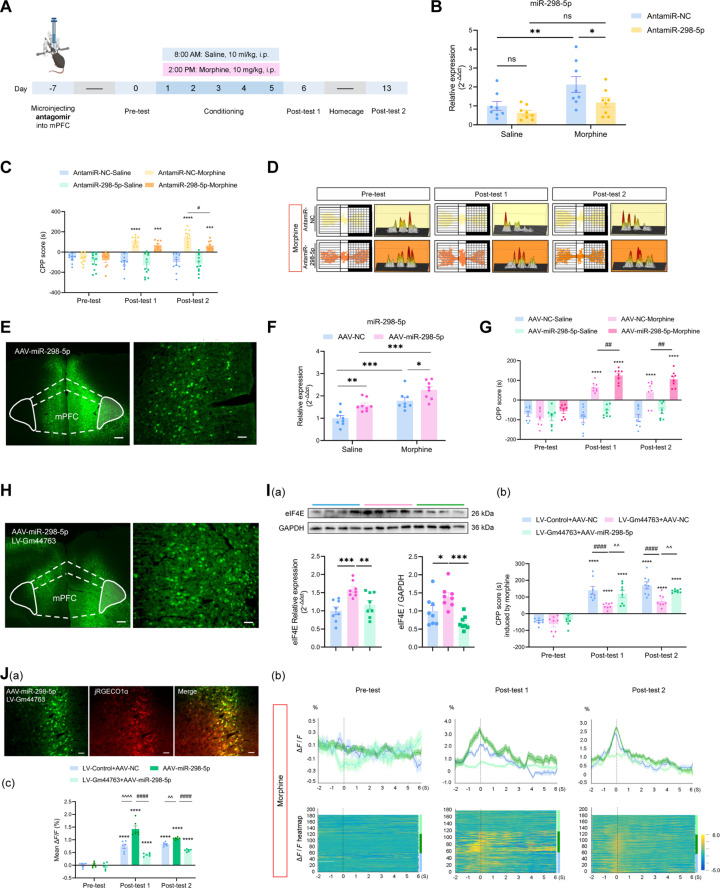 Figure 7
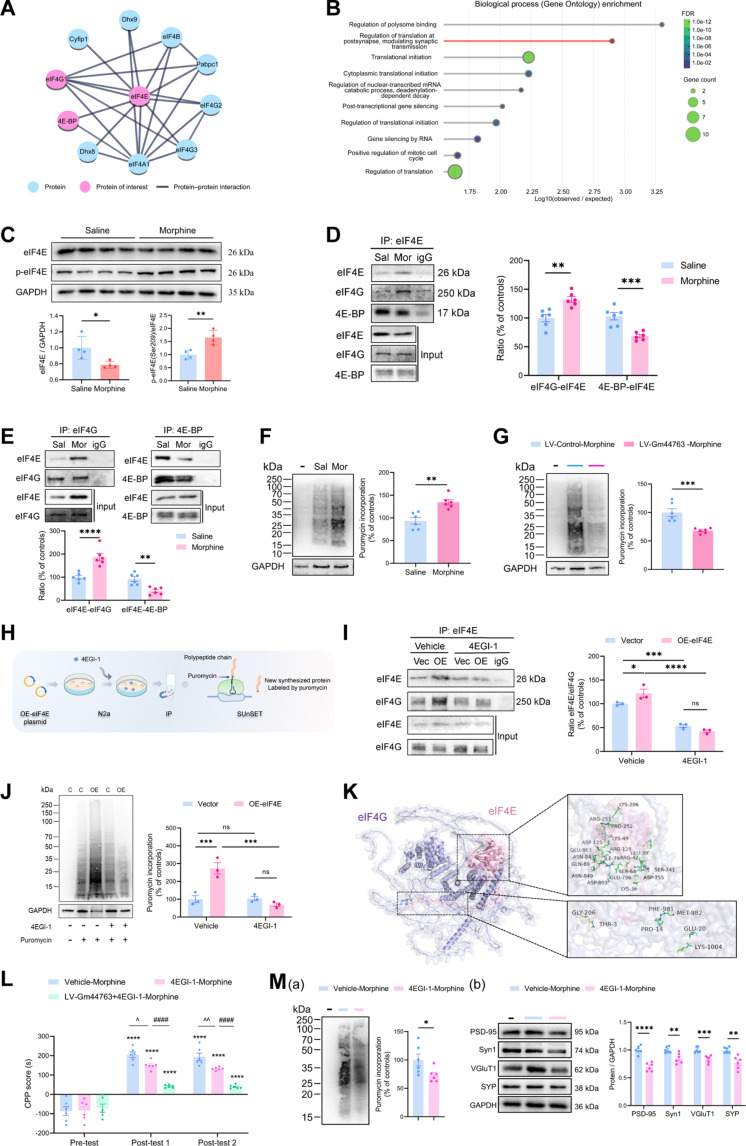 Figure 8
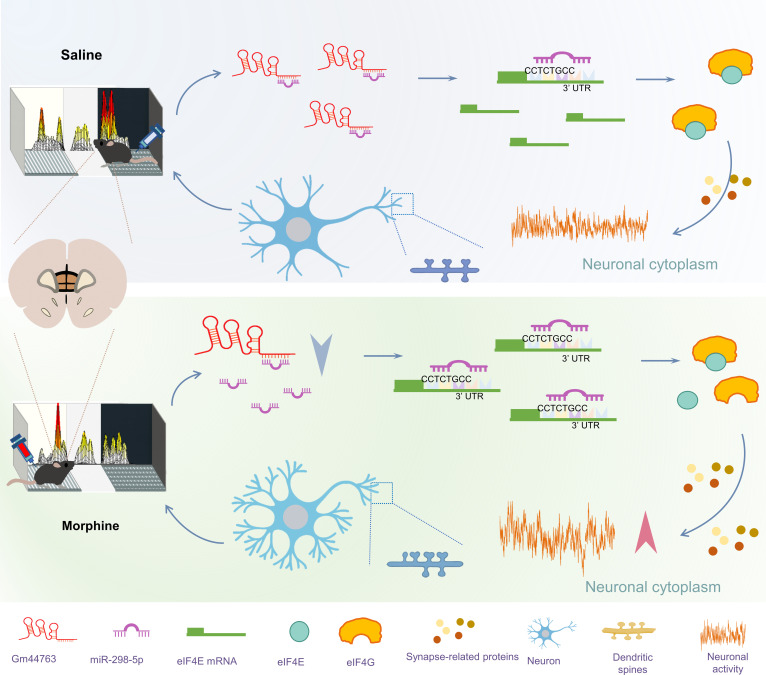 Figure 9
Peer Reviews
No public reviews on file for this paper yet. If you reviewed it on a platform where reviews are public (OpenReview, ICLR, NeurIPS, ICML), you can paste yours below so the community can read it here.
Videos
No videos yet. Explain this paper in a talk, walkthrough, or lecture? Add one.
Taxonomy
TopicsCancer-related molecular mechanisms research · PI3K/AKT/mTOR signaling in cancer · MicroRNA in disease regulation