Direct RNA sequencing identified solute carrier family 2 member 1 to improve neurological outcome prediction after cardiac arrest
Victoria Stopa, Miron Sopic, Lu Zhang, Andrew Lumley, Pascal Stammet, Claudia Schrag, Ondrej Smid, Christian Hassager, Jesper Kjaergaard, Tommaso Pellis, Janneke Horn, Michael Kuiper, Jan Hovdenes, Christian Rylander, Matt P. Wise, Niklas Nielsen, Yvan Devaux

TL;DR
This study found that the SLC2A1 gene, involved in glucose transport, is a potential blood biomarker for predicting neurological outcomes after cardiac arrest.
Contribution
The study identifies SLC2A1 as a novel biomarker for predicting neurological outcomes after cardiac arrest using RNA sequencing.
Findings
SLC2A1 gene expression is significantly upregulated in patients with severe neurological impairment or death after cardiac arrest.
SLC2A1 is an independent predictor of neurological sequelae or death, adding predictive value to clinical models.
The findings were validated in both monocenter and multicenter patient cohorts.
Abstract
Cardiac arrest (CA) is a major cause of mortality and morbidity. Accurate prediction of neurological outcome and survival remains challenging. In this context, our study aimed to explore novel molecular biomarkers that could provide additional insights into the pathophysiology of brain injury after CA and potentially distinguish patients with no brain injury (CPC 1) from those with any degree of neurological damage from moderate injury up to death (CPC 2–5), and complement existing prognostic tools. Whole blood samples collected 48 h after return of spontaneous circulation were analyzed by RNA sequencing in a subgroup of 50 CA patients from the monocenter North Pole cohort, and by quantitative PCR in 233 patients from the same cohort as well as in 511 patients from the multicenter TTM trial. The association of gene expression changes with 6-month neurological outcome (assessed by the…
Genes, proteins, chemicals, diseases, species, mutations and cell lines named across the full text — each resolved to its canonical identifier and authoritative record.
Click any figure to enlarge with its caption.
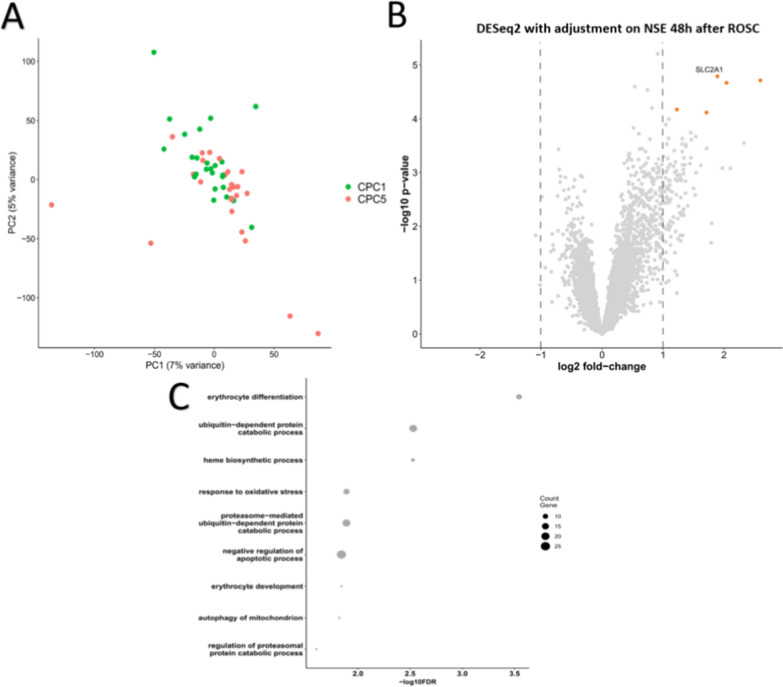 Figure 1
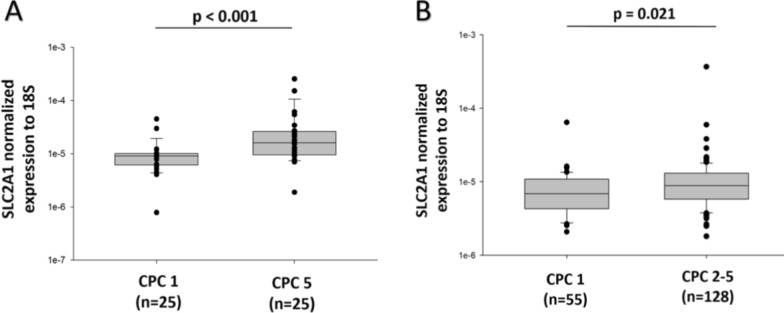 Figure 2
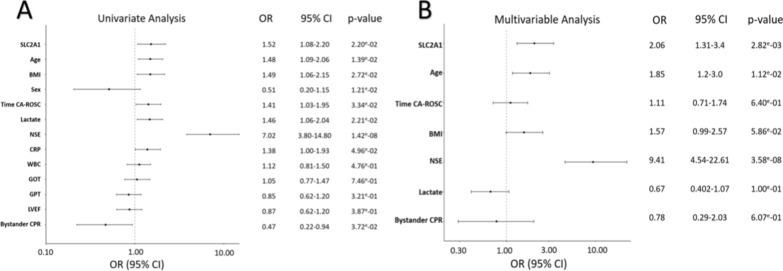 Figure 3
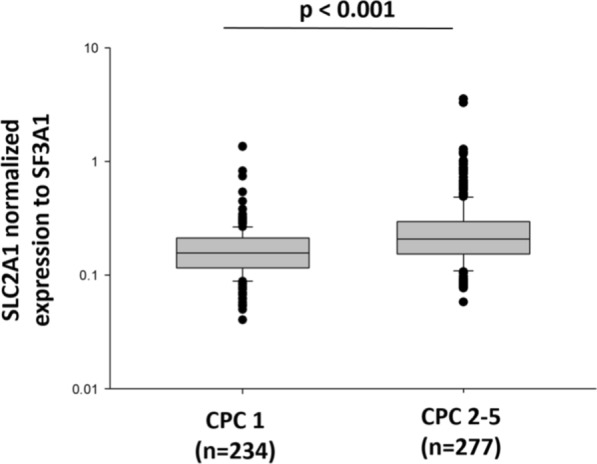 Figure 4
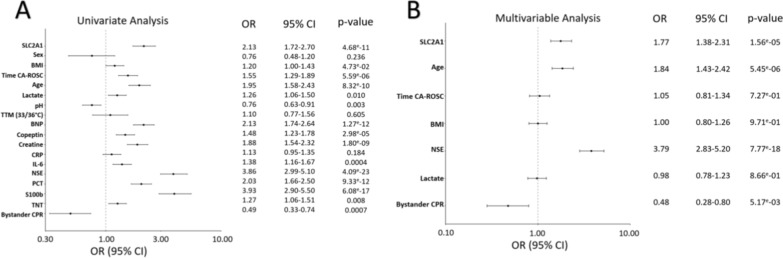 Figure 5
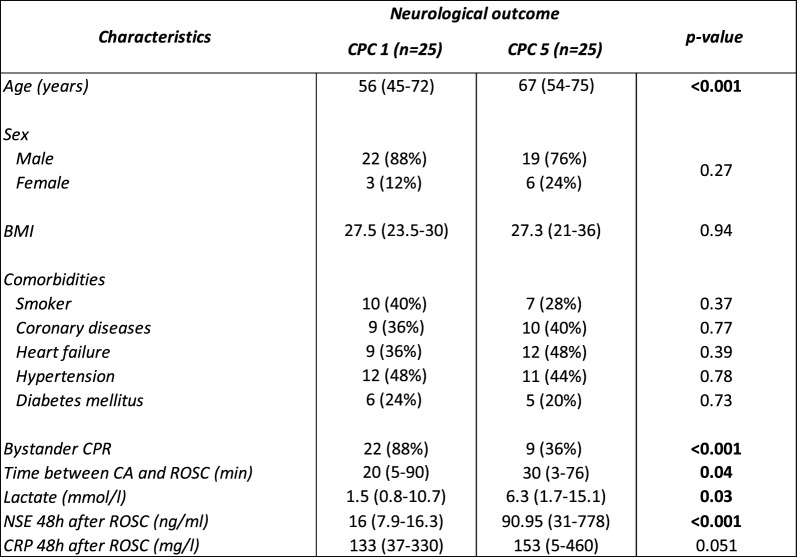 Figure 6
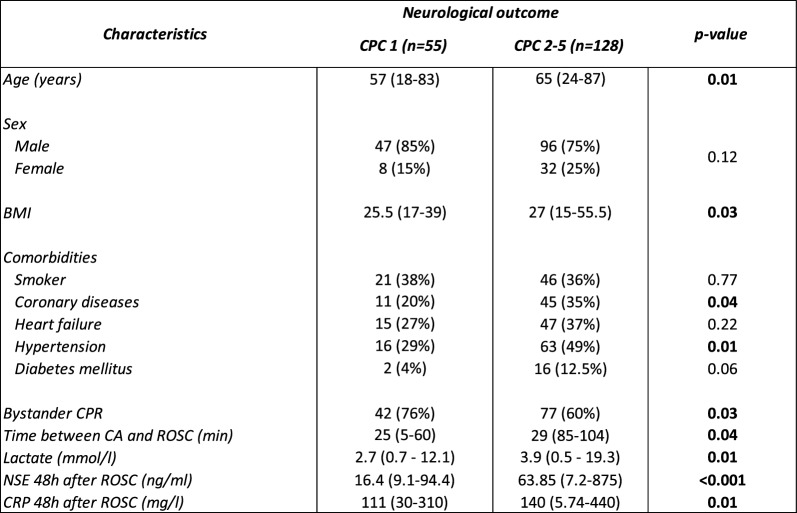 Figure 7
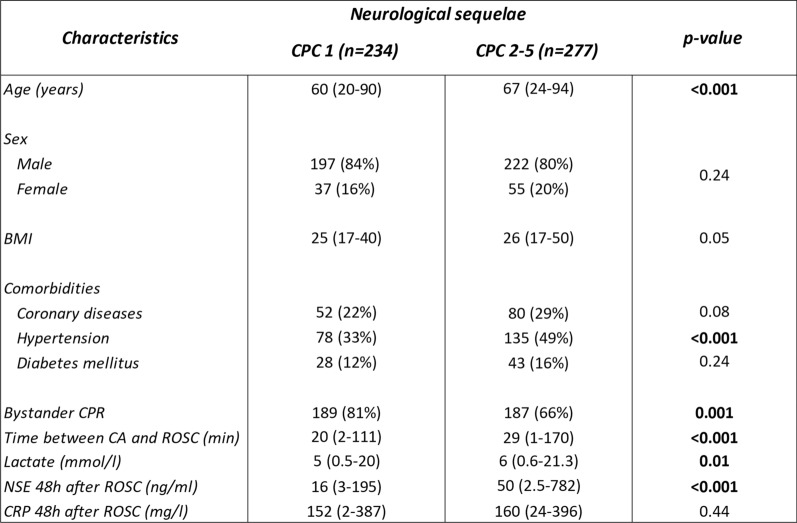 Figure 8
Peer Reviews
No public reviews on file for this paper yet. If you reviewed it on a platform where reviews are public (OpenReview, ICLR, NeurIPS, ICML), you can paste yours below so the community can read it here.
Videos
No videos yet. Explain this paper in a talk, walkthrough, or lecture? Add one.
Taxonomy
TopicsCardiac Arrest and Resuscitation · Hyperglycemia and glycemic control in critically ill and hospitalized patients · S100 Proteins and Annexins