Reducing the low-prevalence effect with probe trials
Mark W. Becker, Andrew Rodriguez, Derrek T. Montalvo, Chad Peltier

TL;DR
This paper shows that using probe trials with feedback can reduce the tendency to miss rare targets in visual search tasks.
Contribution
The study introduces probe trials as a novel method to mitigate the low-prevalence effect in visual search.
Findings
Probe trials reduced the low-prevalence effect in a T-among-Ls task.
Probe benefits scaled with the frequency of matching targets in dual-target searches.
Probes altered top-down guidance without affecting inspection counts or decision criteria.
Abstract
As targets become rare in visual search tasks, the likelihood of missing them increases—a phenomenon known as the low-prevalence effect (LPE). This has important implications for real-world searches, but reducing the LPE has proven challenging. In Experiment 1, we used a low-prevalence T-among-Ls task and found that distributing “probe” trials—trials with known targets and post-response feedback—reduced the LPE. In Experiment 2, participants searched for two low-prevalence targets (T and O among Ls and Qs), and we varied how often each appeared in probe trials. The probe benefit scaled with the frequency of the matching target, suggesting limited generalizability to non-probed targets. Experiment 3 used eye tracking to examine whether probes affected quitting thresholds, decision criteria, or guidance. Results showed that probes biased top-down guidance toward features of frequently…
Genes, proteins, chemicals, diseases, species, mutations and cell lines named across the full text — each resolved to its canonical identifier and authoritative record.
Click any figure to enlarge with its caption.
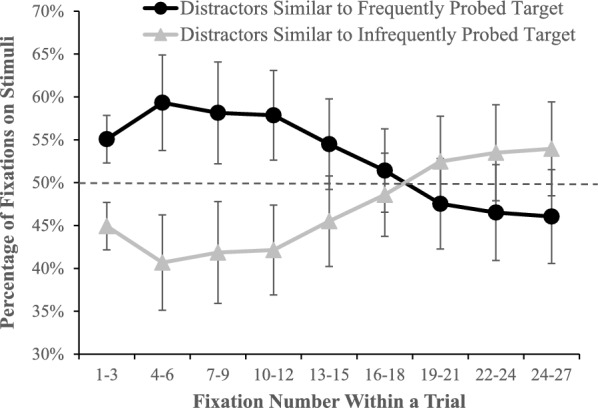 Figure 10
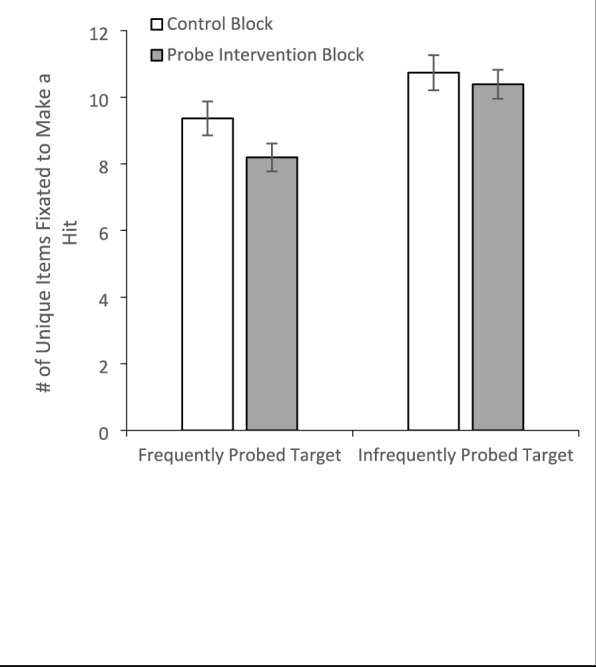 Figure 11
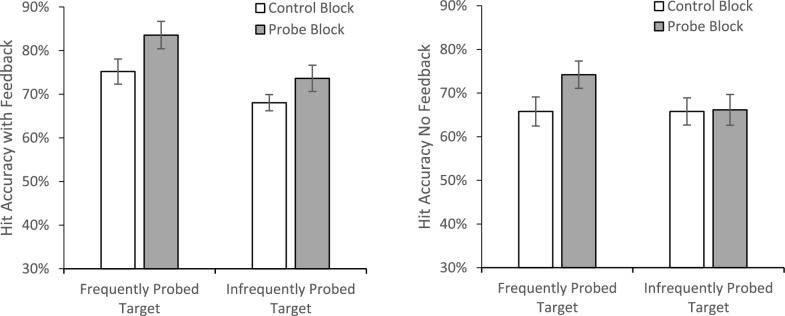 Figure 12
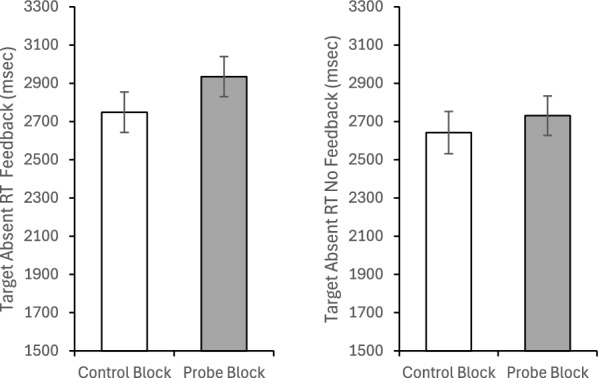 Figure 13
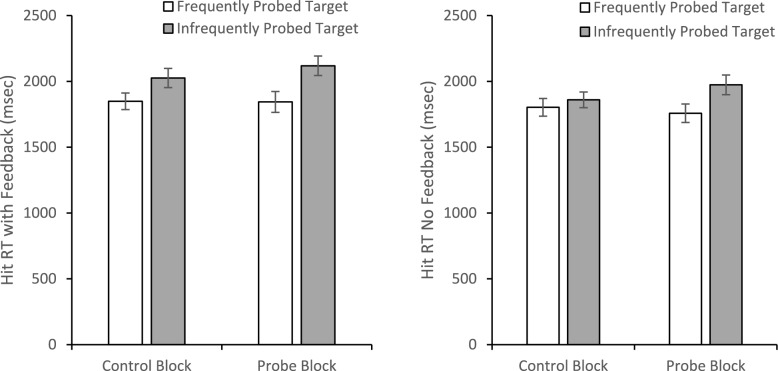 Figure 14
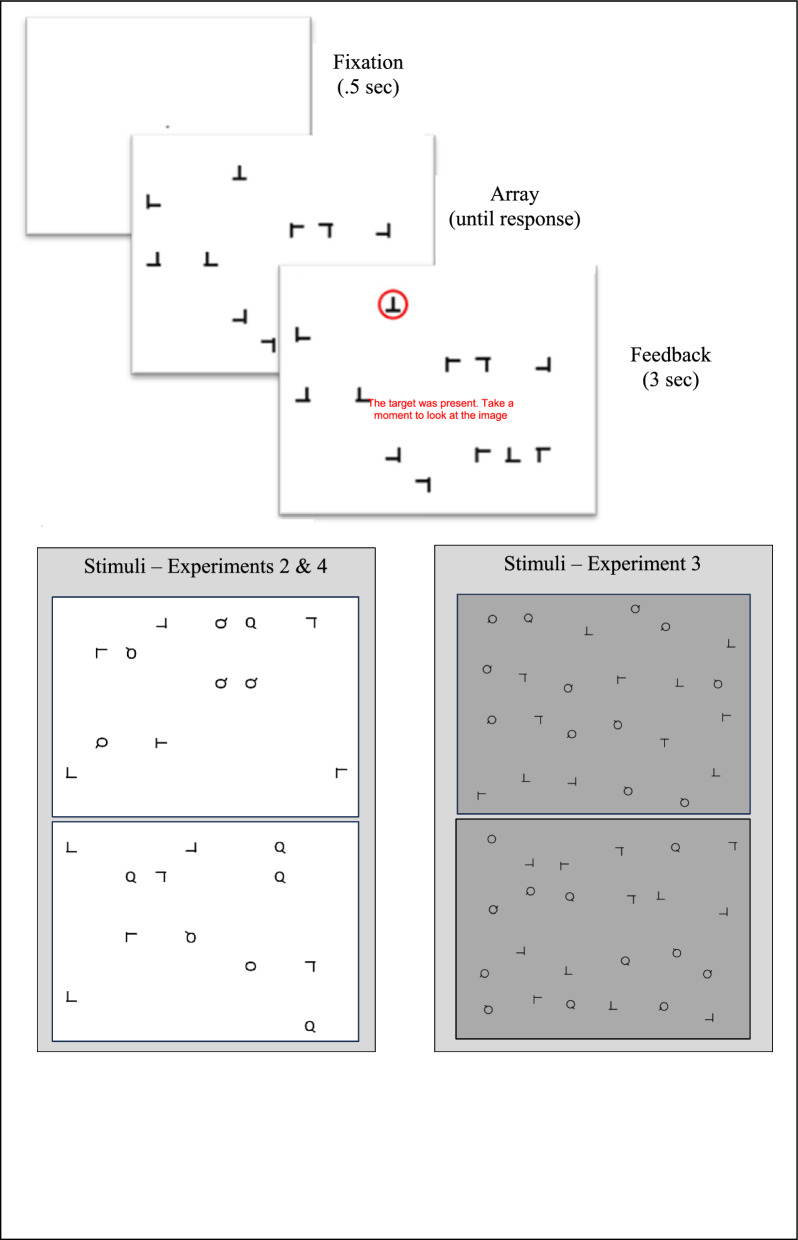 Figure 1
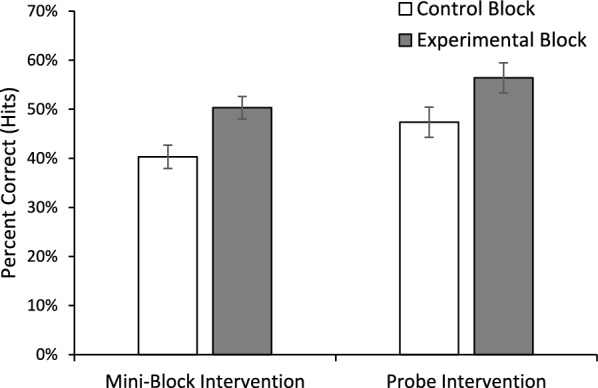 Figure 2
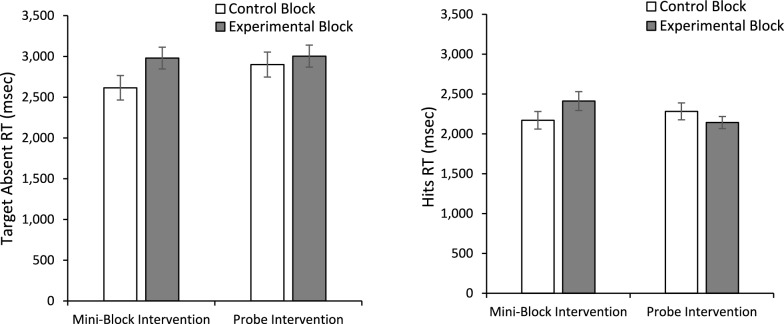 Figure 3
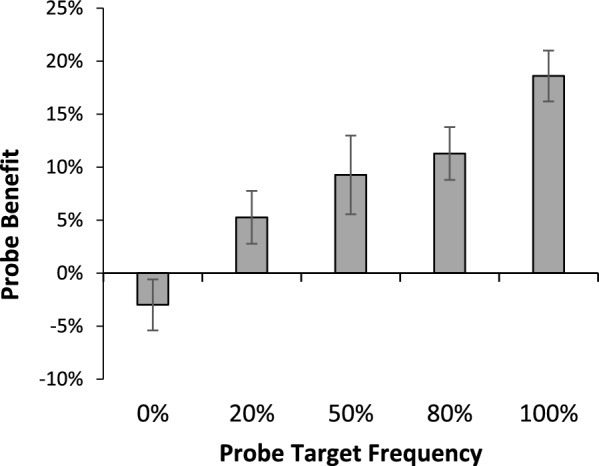 Figure 4
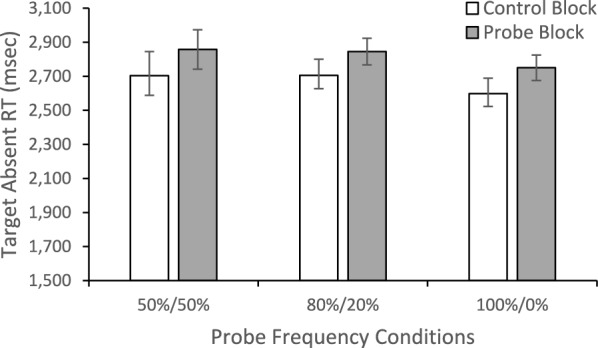 Figure 5
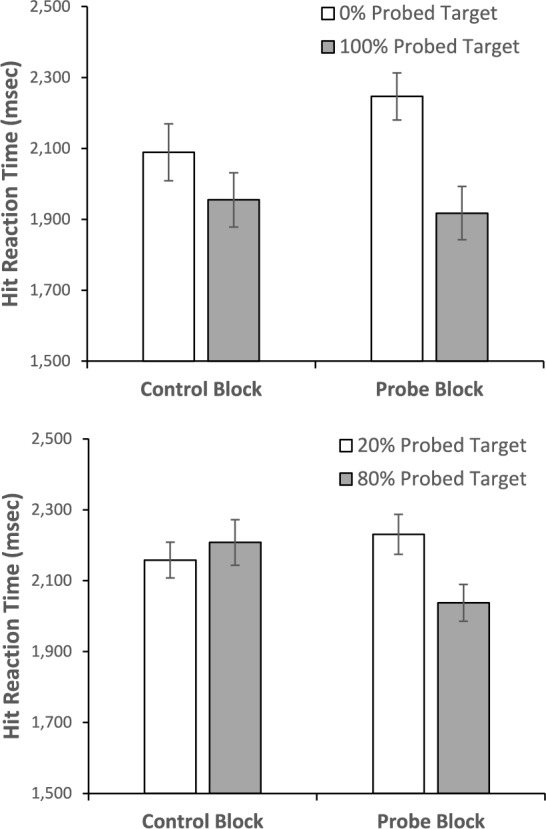 Figure 6
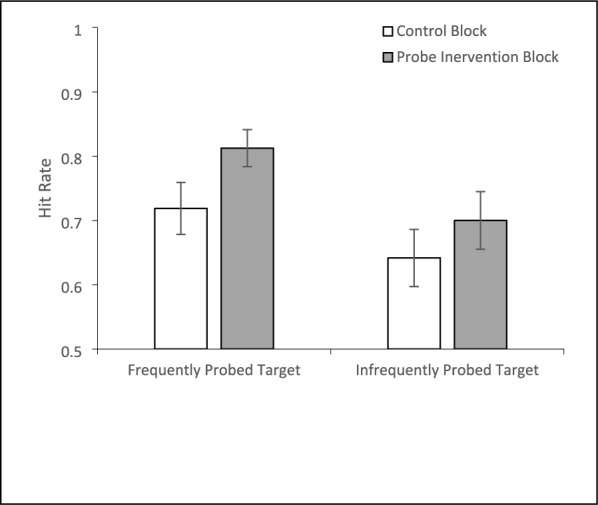 Figure 7
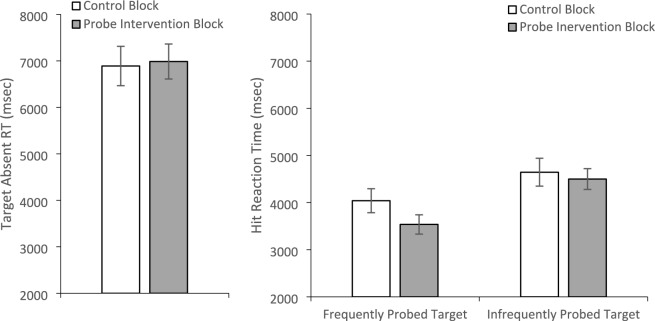 Figure 8
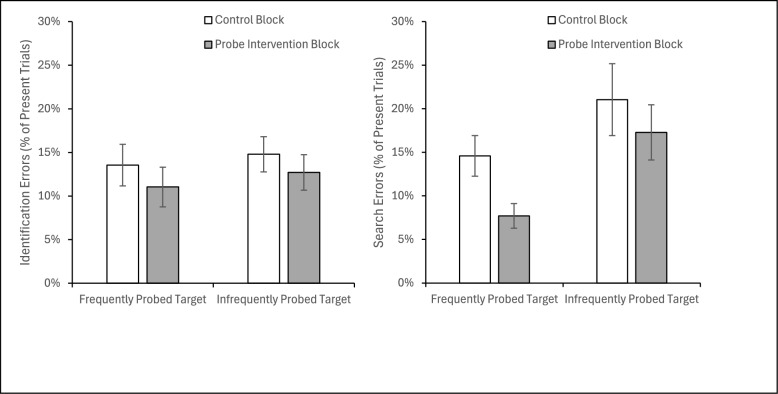 Figure 9
Peer Reviews
No public reviews on file for this paper yet. If you reviewed it on a platform where reviews are public (OpenReview, ICLR, NeurIPS, ICML), you can paste yours below so the community can read it here.
Videos
No videos yet. Explain this paper in a talk, walkthrough, or lecture? Add one.
Taxonomy
TopicsNeural and Behavioral Psychology Studies · Visual Attention and Saliency Detection · Radiology practices and education