Dexmedetomidine Mitigates Sevoflurane-Induced Neurodevelopmental Effects in Paediatric Anaesthesia: A Meta-Analysis and Preclinical Study
Hsuan-Chih Lao, Chia-Wei Huang, Ssu-Han Wang, Yen-Lin Su, Chien-Hui Chang, Cheng-Yen Liao, Jen-Chieh Wu, Ying-Chun Lin, Jin-Wu Tsai

TL;DR
Dexmedetomidine reduces the harmful effects of sevoflurane on developing brains in children, both in clinical trials and animal studies.
Contribution
This study combines clinical meta-analysis and preclinical experiments to show that Dex mitigates Sevo-induced neurodevelopmental damage.
Findings
Dex significantly reduces emergence agitation in children when combined with Sevo.
Neonatal Sevo exposure reduces dendritic spine density and impairs somatosensory function.
Dex pretreatment ameliorates Sevo-induced neuronal migration delays and functional deficits.
Abstract
Sevoflurane (Sevo) anaesthesia in children is linked to an increased incidence of postoperative emergence agitation (EA) and potential neurotoxicity in developing brains. However, the specific risks of subanaesthetic foetal or neonatal exposure to Sevo remain unclear. This study evaluates the safety and efficacy of combining dexmedetomidine (Dex) with Sevo to manage EA in paediatric anaesthesia. A systematic review and meta-analysis of randomized controlled clinical trials involving children under 8 years old revealed that Dex significantly reduces EA incidence when administered via intravenous, perineural, and intranasal routes. Using in utero electroporation, we found that pregnant mice exposed to 2.5% Sevo at embryonic days 14.5 and 15.5 exhibited transient neuronal migration deficits, with 25% of neurons delayed in deeper cortical layers. However, these neurons migrated to the…
Genes, proteins, chemicals, diseases, species, mutations and cell lines named across the full text — each resolved to its canonical identifier and authoritative record.
Click any figure to enlarge with its caption.
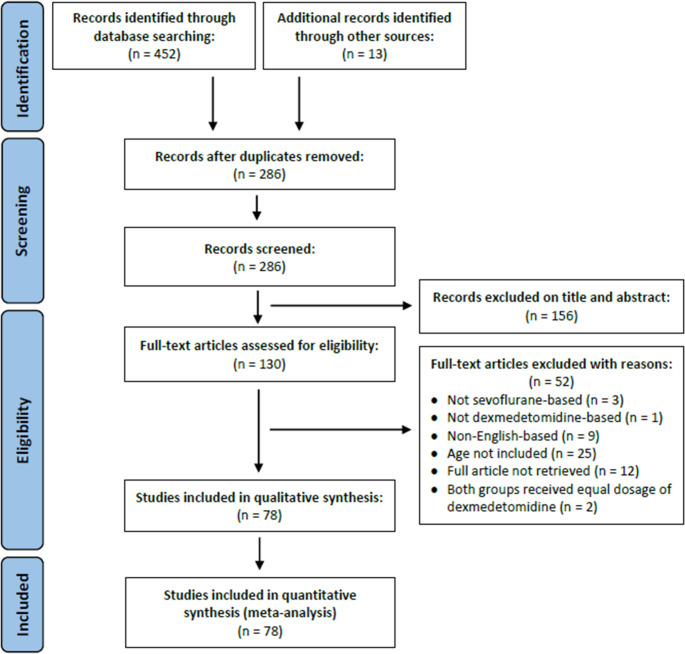 Figure 1
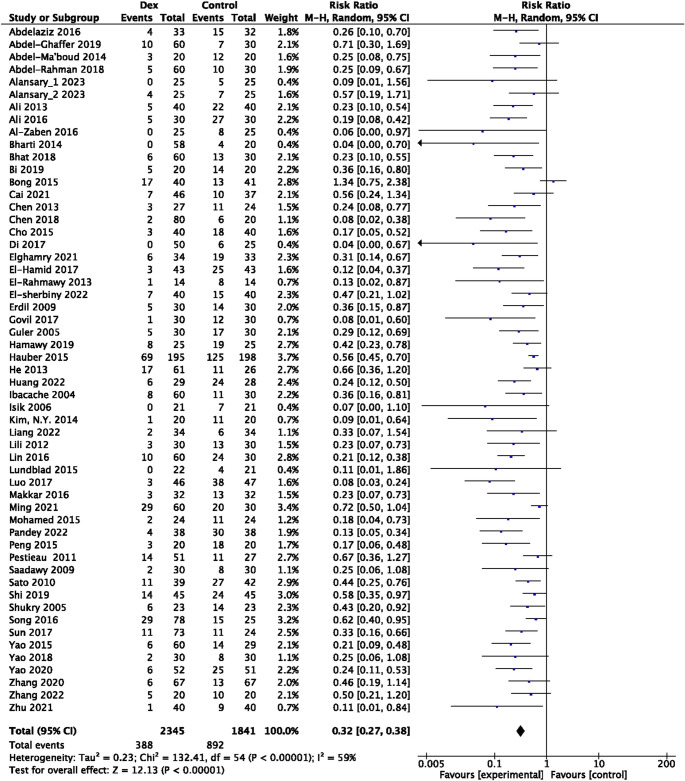 Figure 2
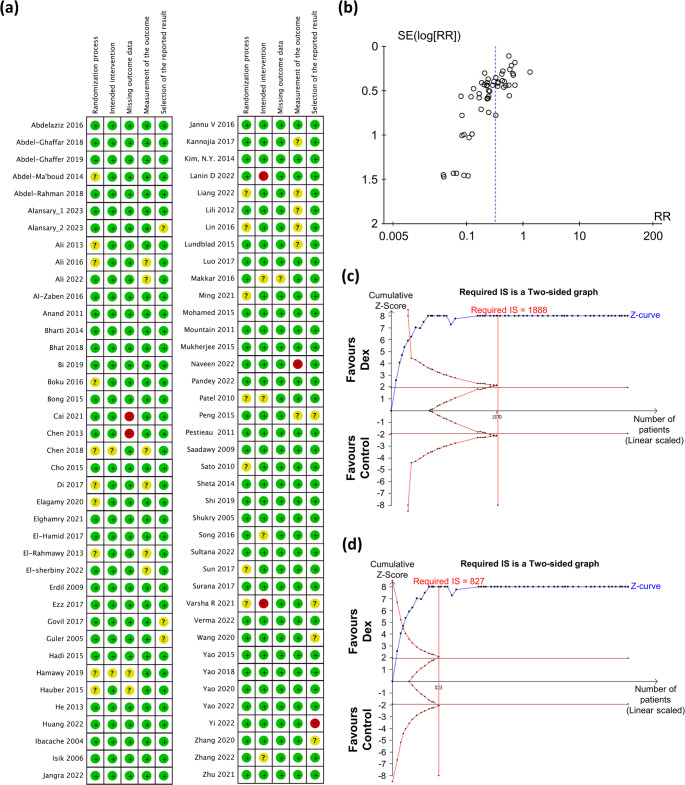 Figure 3
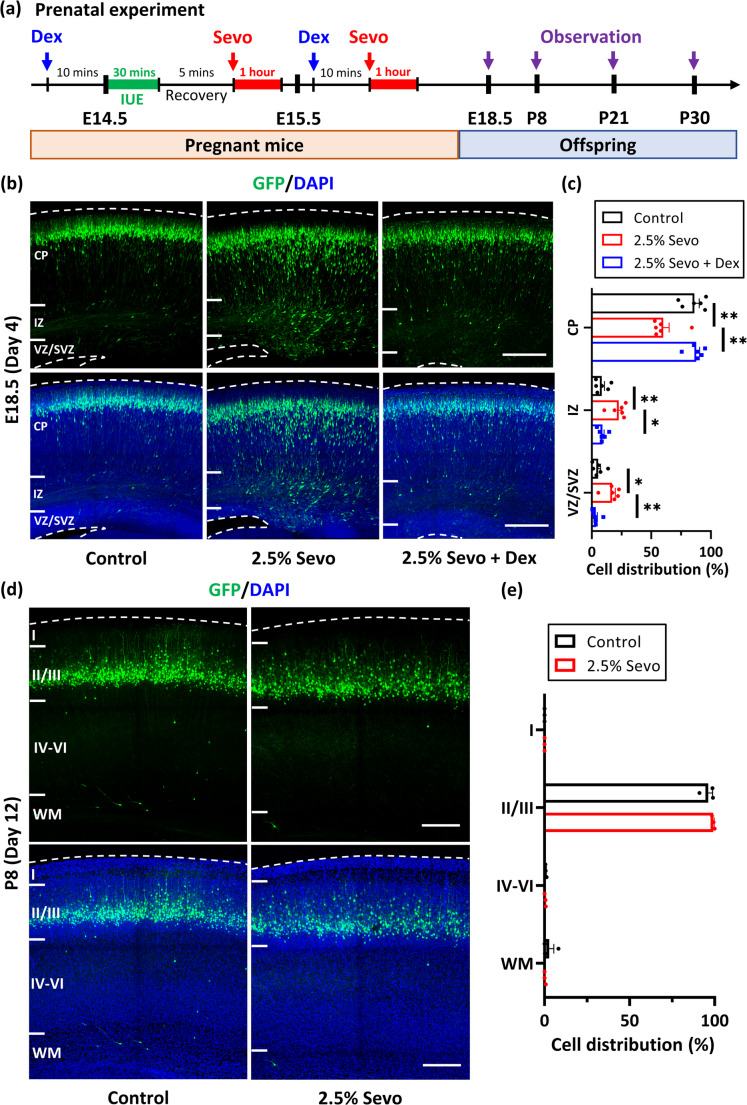 Figure 4
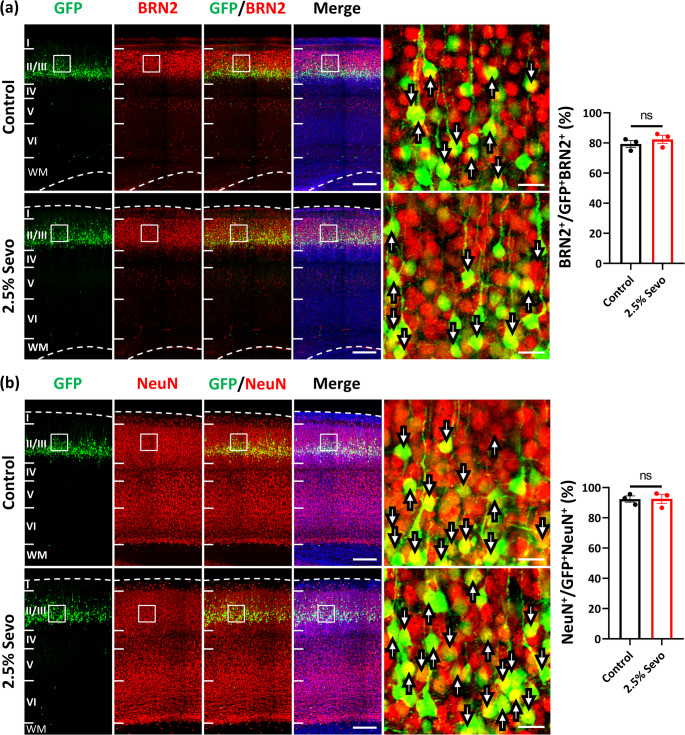 Figure 5
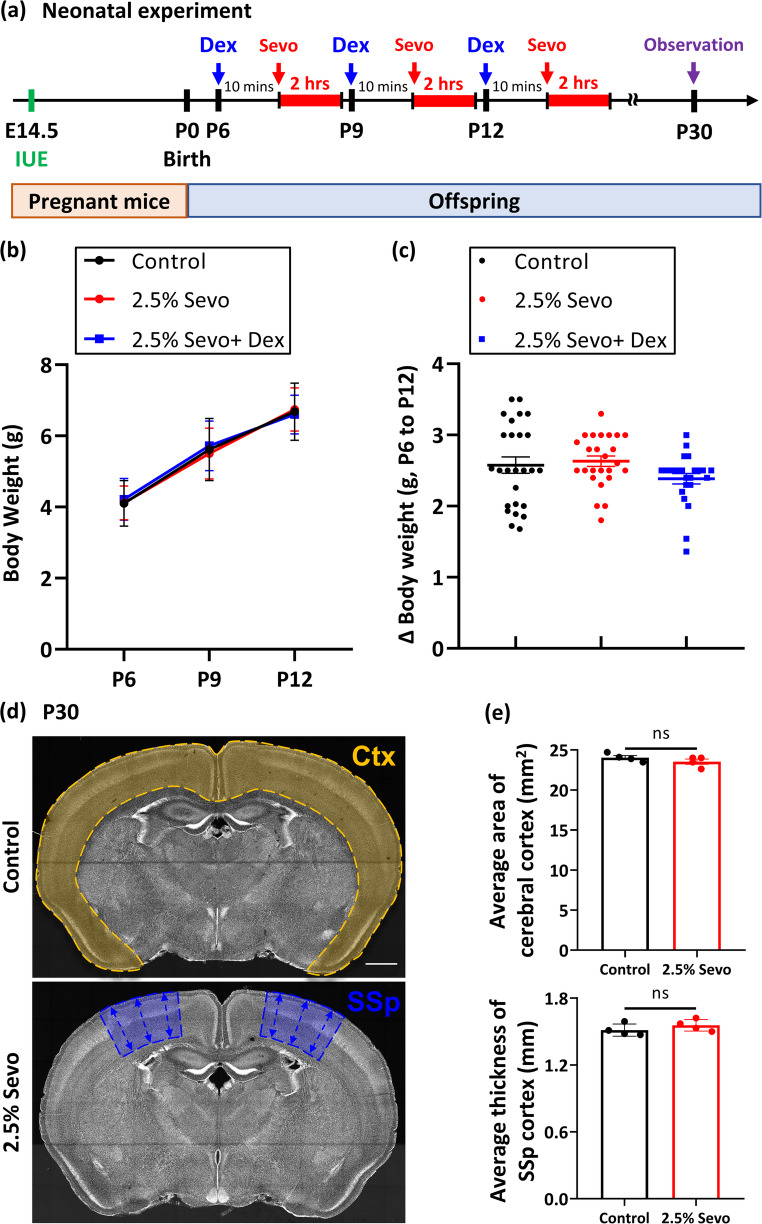 Figure 6
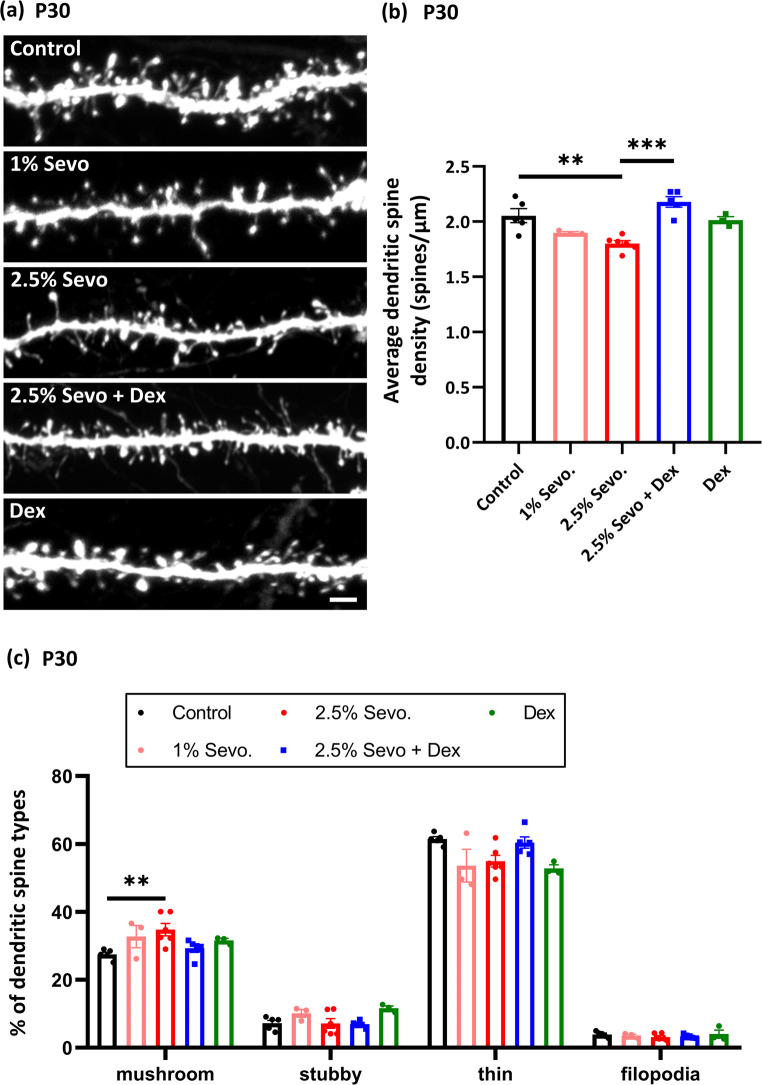 Figure 7
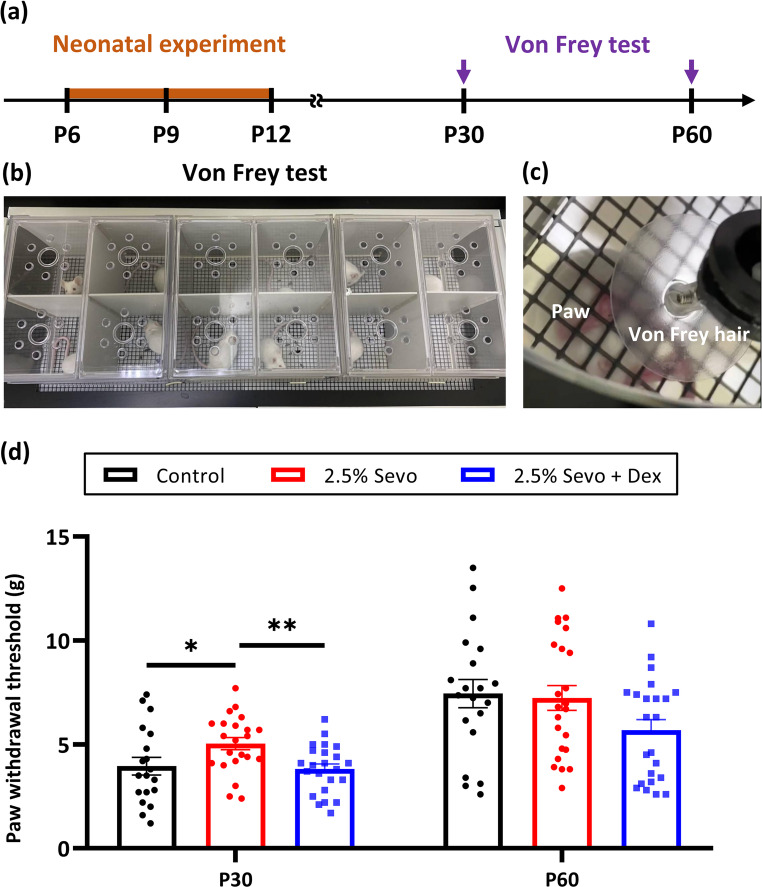 Figure 8
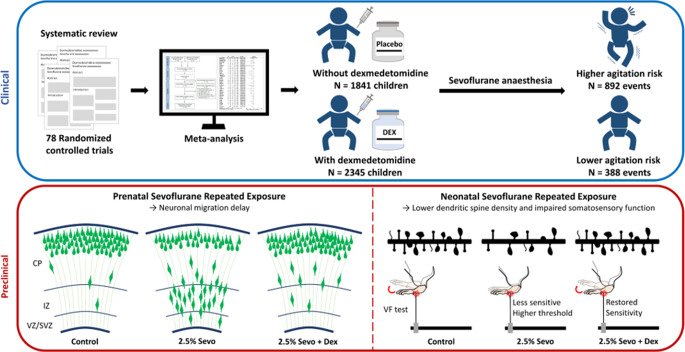 Figure 9
Peer Reviews
No public reviews on file for this paper yet. If you reviewed it on a platform where reviews are public (OpenReview, ICLR, NeurIPS, ICML), you can paste yours below so the community can read it here.
Videos
No videos yet. Explain this paper in a talk, walkthrough, or lecture? Add one.
Taxonomy
TopicsAnesthesia and Neurotoxicity Research · Anesthesia and Sedative Agents · Intensive Care Unit Cognitive Disorders