Modelling the effects of human SUR1 R1420H variation on insulin secretory function using isogenic iPSC-derived pancreatic islets
Anup K. Nair, Katiya Barkho, Koushik Ponnanna Cheranda, Michael Traurig, Jeffrey R. Sutherland, Divya Anup, Clifton Bogardus, Leslie J. Baier

TL;DR
A genetic variation in the SUR1 gene causes abnormal insulin secretion in lab-grown pancreatic islets, explaining increased diabetes risk and potential treatment options.
Contribution
A novel isogenic iPSC-derived platform was developed to study the effects of the SUR1 R1420H variant on insulin secretion and diabetes risk.
Findings
Homozygous SUR1 1420HH immature islets show hyperinsulinaemia and lose glucose responsiveness after maturation.
Heterozygous SUR1 1420RH islets have reduced glucose responsiveness and increased type 2 diabetes risk.
Dorzagliatin improves insulin secretion in 1420RH islets, suggesting a potential therapeutic strategy.
Abstract
An R1420H variation in sulfonylurea receptor 1 (SUR1), a subunit of the KATP channel, was previously identified in an Indigenous community in Arizona where a homozygous carrier (1420HH) had hyperinsulinaemic hypoglycaemia during infancy (HHI), suggestive of a KATP channel loss of function (LoF). Interestingly, heterozygous carriers of this variation (1420RH, occurring in 3% of the community), had a twofold increased risk of type 2 diabetes. We aimed to create an isogenic induced pluripotent stem cell (iPSC)-derived pancreatic islet (SC-islet)-based platform to test whether the R1420H variant results in KATP channel LoF, and to examine the distinct temporal effects of SUR1 1420HH and 1420RH KATP channel variations on insulin secretion from developing and mature SC-islets. Using CRISPR-Cas9, isogenic iPSCs with all three genotypes (SUR1 1420RR, 1420RH and 1420HH) were generated from two…
Genes, proteins, chemicals, diseases, species, mutations and cell lines named across the full text — each resolved to its canonical identifier and authoritative record.
Click any figure to enlarge with its caption.
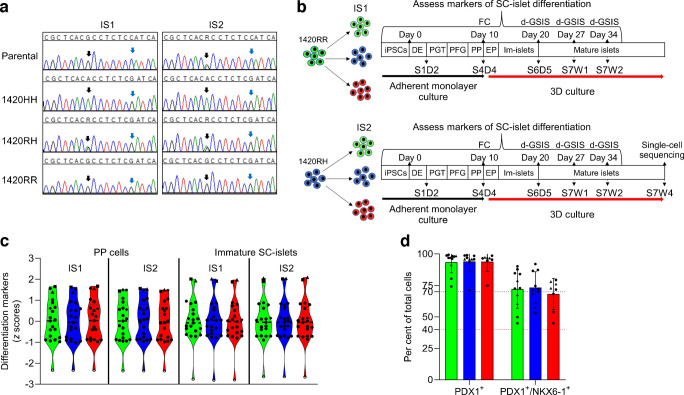 Figure 1
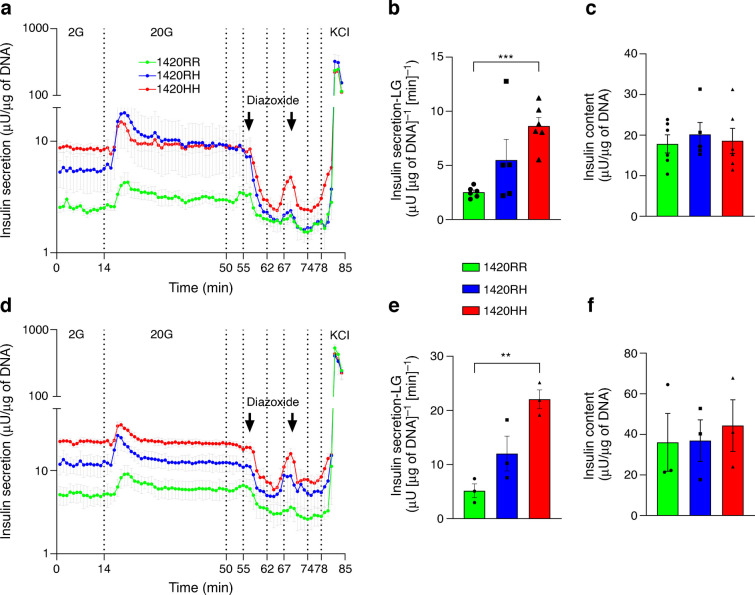 Figure 2
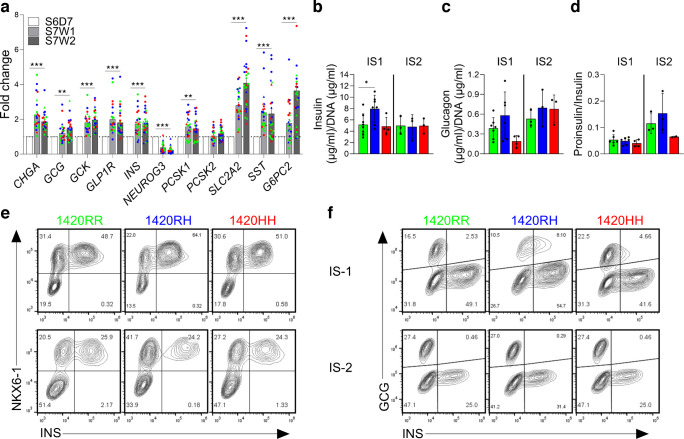 Figure 3
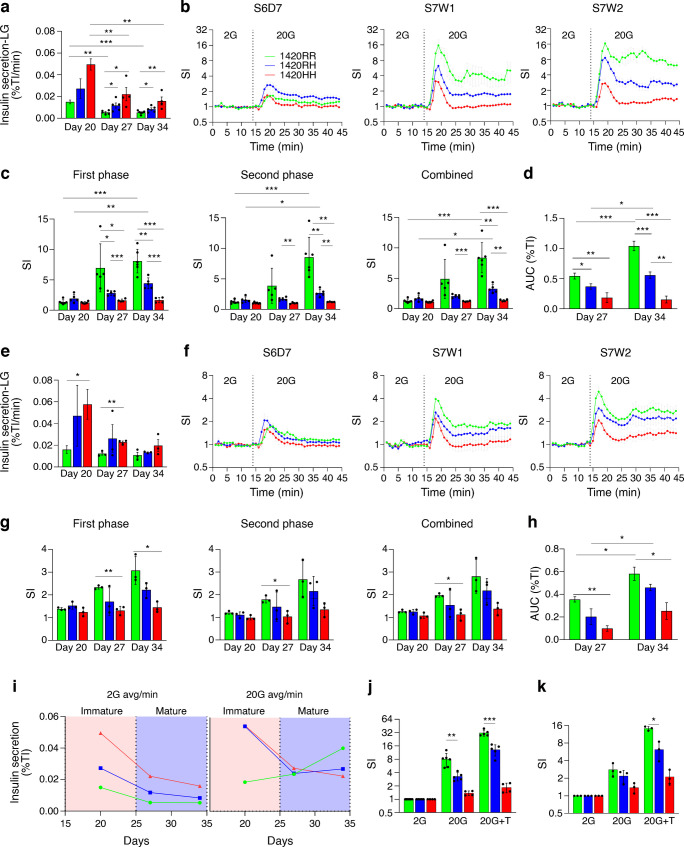 Figure 4
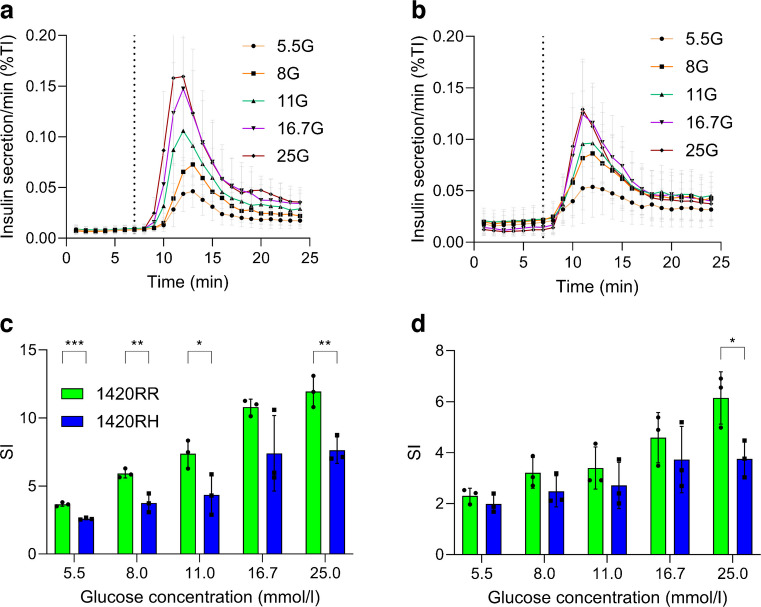 Figure 5
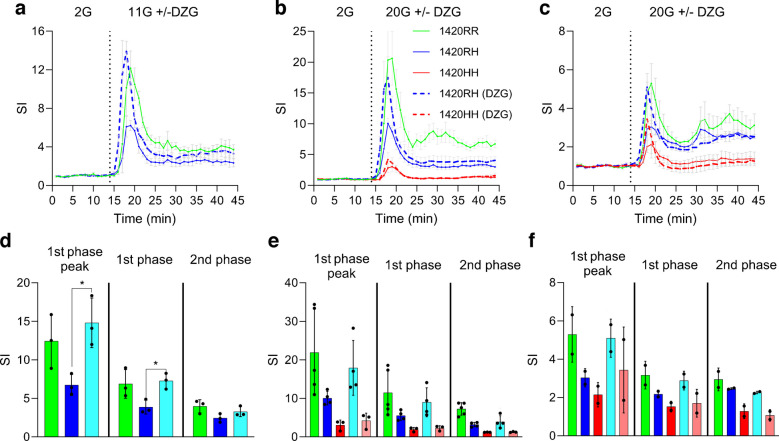 Figure 6
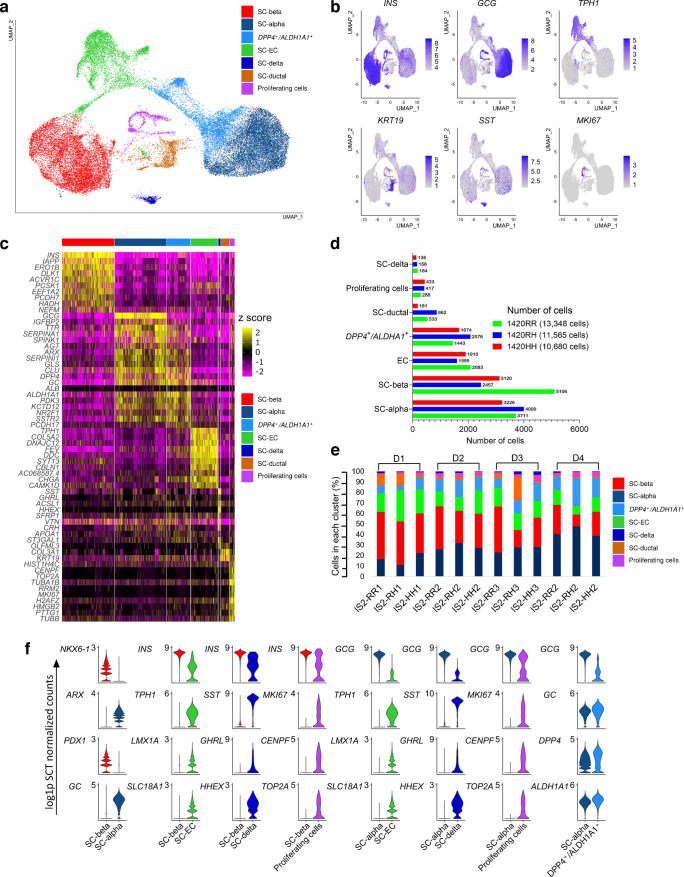 Figure 7
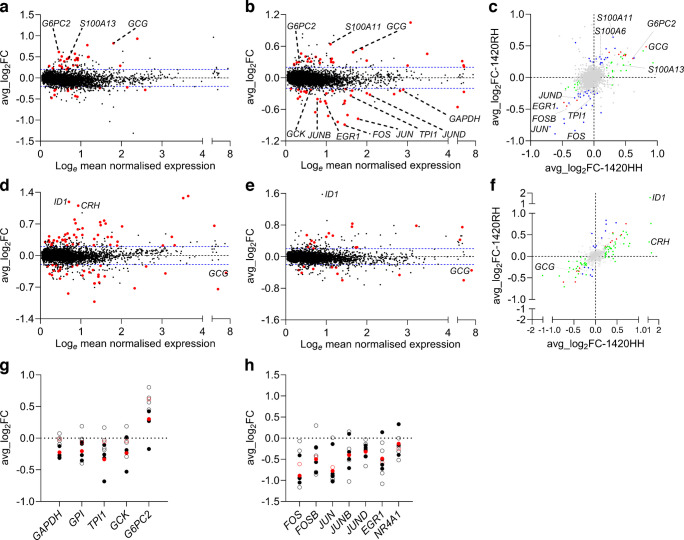 Figure 8
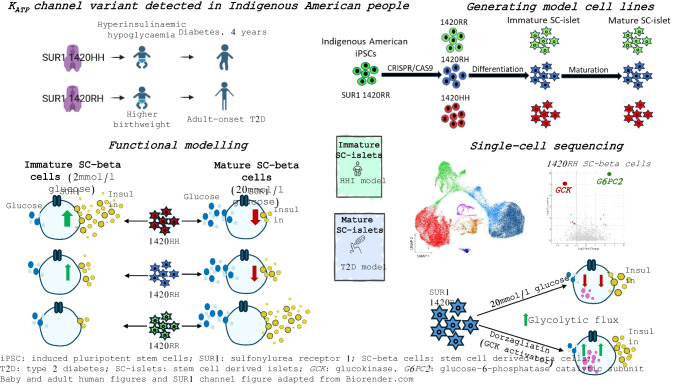 Figure 9
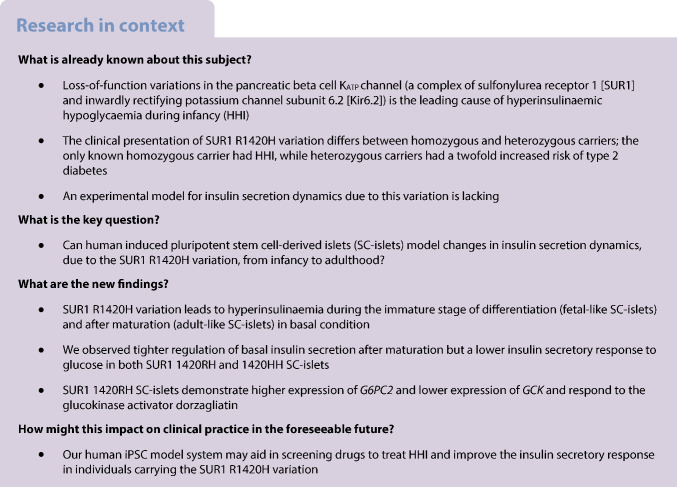 Figure 10
Peer Reviews
No public reviews on file for this paper yet. If you reviewed it on a platform where reviews are public (OpenReview, ICLR, NeurIPS, ICML), you can paste yours below so the community can read it here.
Videos
No videos yet. Explain this paper in a talk, walkthrough, or lecture? Add one.
Taxonomy
TopicsPancreatic function and diabetes · Sirtuins and Resveratrol in Medicine · Adipose Tissue and Metabolism