Heterogeneity in clinically diagnosed type 1 diabetes: characterising a unique cohort with maintained C-peptide secretion in Ghana
Wilfred Aniagyei, Osei Sarfo-Kantanka, Sumaya Mohayideen, Monika M. Vivekanandan, Ernest Adankwah, Shadrack O. Asibey, Agnes O. Boateng, Elisabeth Owusu, Joseph F. Arthur, Augustine Yeboah, Hubert S. Ahor, Dorcas O. Owusu, Maximilian Huttasch, Yanislava Karusheva, Volker Burkart

TL;DR
This study shows that many people in Ghana diagnosed with type 1 diabetes still have insulin production, challenging the typical understanding of the disease in this region.
Contribution
The study identifies a high prevalence of maintained C-peptide in clinically diagnosed type 1 diabetes in Ghana, suggesting atypical diabetes presentations.
Findings
Only 28.9% of clinically diagnosed type 1 diabetes patients had low C-peptide levels, indicating residual insulin production.
Mid and high C-peptide subgroups showed fewer autoantibodies and HLA risk haplotypes, resembling controls more closely.
Amino acid levels varied between diabetes subgroups and correlated with C-peptide levels.
Abstract
In sub-Saharan Africa, type 1 diabetes is typically diagnosed clinically, which can be challenging due to atypical diabetes presentations such as ketosis-prone type 2 diabetes or type 2 diabetes in the absence of overweight and obesity. C-peptide, a marker of residual insulin secretion capacity, is crucial for understanding these variations but understudied in the region. Here, we investigated whether C-peptide measurement and concomitant genetic, autoimmune and metabolic characterisation of individuals with clinically diagnosed type 1 diabetes confirm diabetes classification and highlight population-specific features. In this case–control study from Ghana, we recruited 266 individuals with clinically diagnosed and insulin-treated long-term type 1 diabetes and 266 healthy control individuals. We compared clinical features, HLA class II haplotypes, autoantibodies, and inflammatory and…
Genes, proteins, chemicals, diseases, species, mutations and cell lines named across the full text — each resolved to its canonical identifier and authoritative record.
Click any figure to enlarge with its caption.
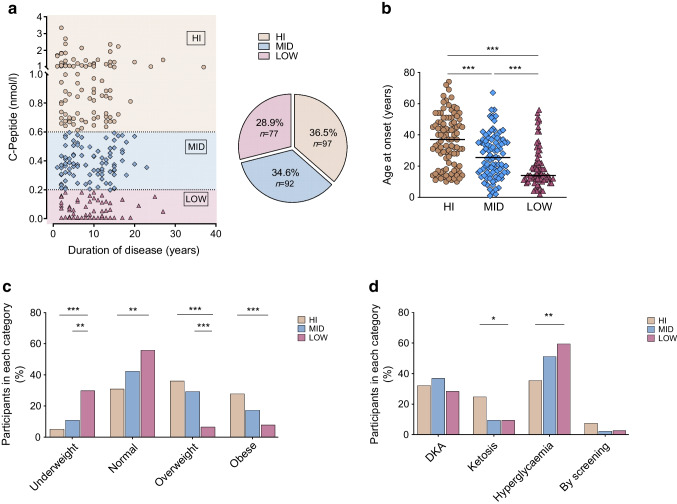 Figure 1
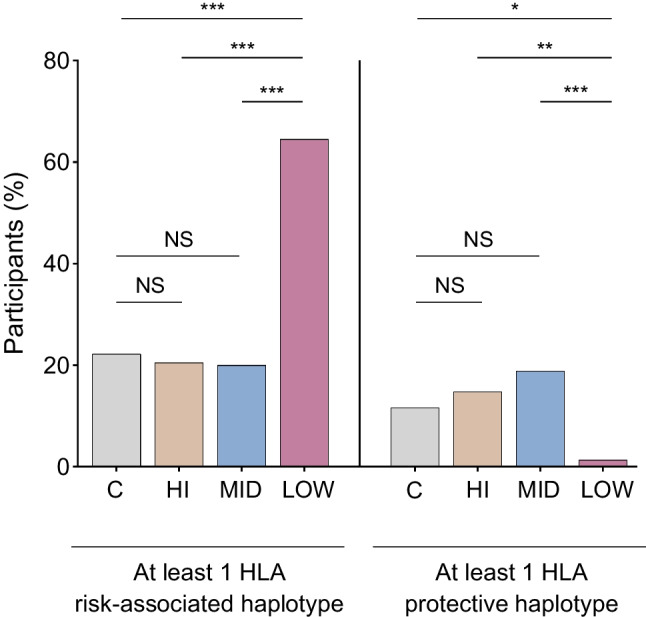 Figure 2
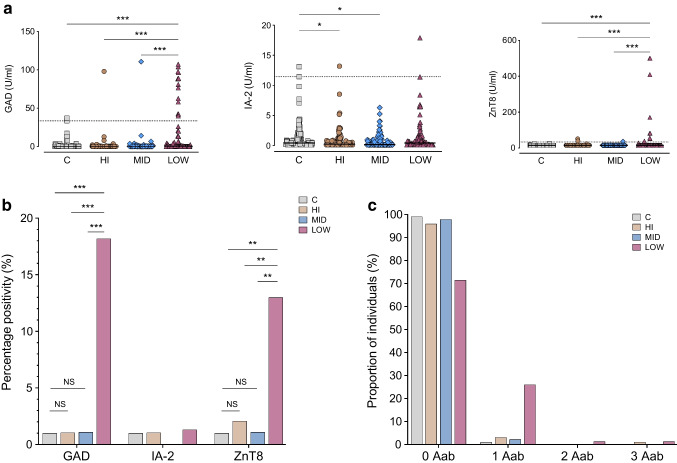 Figure 3
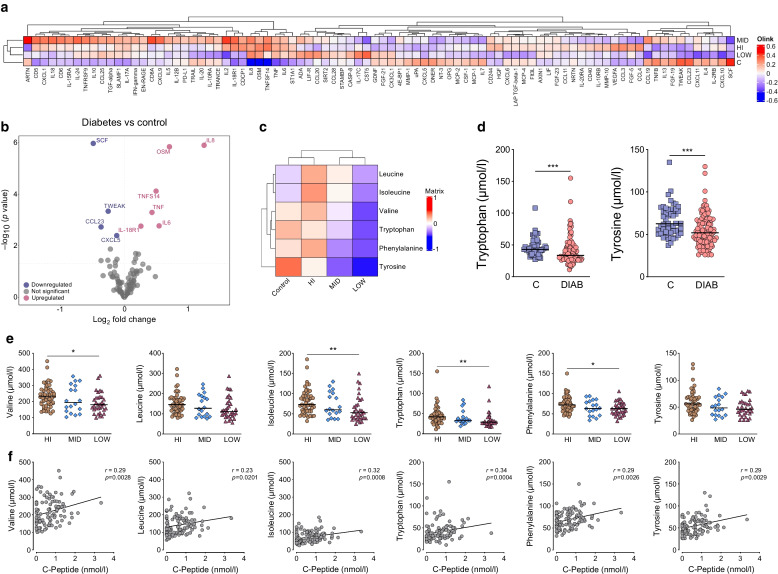 Figure 4
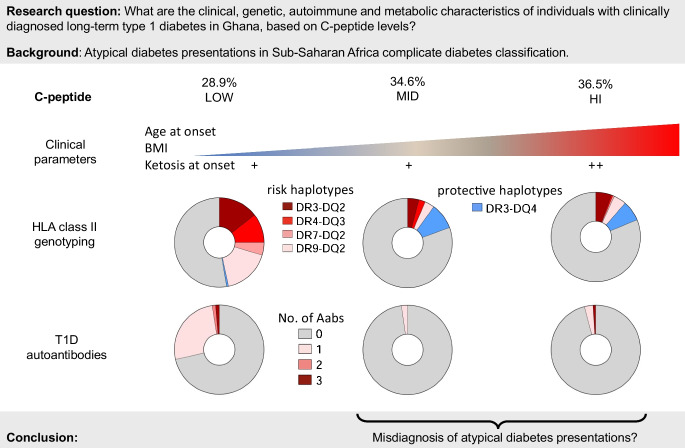 Figure 5
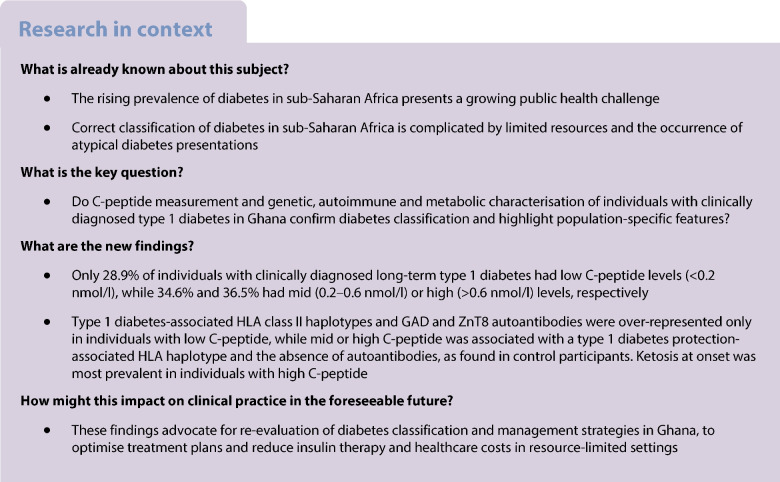 Figure 6
Peer Reviews
No public reviews on file for this paper yet. If you reviewed it on a platform where reviews are public (OpenReview, ICLR, NeurIPS, ICML), you can paste yours below so the community can read it here.
Videos
No videos yet. Explain this paper in a talk, walkthrough, or lecture? Add one.
Taxonomy
TopicsDiabetes and associated disorders · Diabetes Management and Research · Pancreatic function and diabetes