Task success in trained spiking neural network models coincides with emergence of cross-stimulus-modulated inhibition
Yuqing Zhu, Chadbourne M. B. Smith, Tarek Jabri, Mufeng Tang, Franz Scherr, Jason N. MacLean

TL;DR
This study shows that trained spiking neural networks develop a specific inhibitory pattern that helps them perform tasks, similar to how the brain works.
Contribution
The study reveals that push-pull inhibition emerges in trained spiking networks, crucial for task performance and resembling cortical dynamics.
Findings
Push-pull inhibition emerges in trained spiking networks, enabling task performance.
Disrupting spike timing impairs performance, showing the importance of precise coordination.
Enforcing Dale’s principle is necessary for the emergence of the inhibitory motif.
Abstract
The neocortex is composed of spiking neurons interconnected in a sparse, recurrent network. Spiking activity within these networks underlies the computations that transform sensory inputs into appropriate behavioral responses. In this study, we train recurrent spiking neural network (SNN) models constrained by neocortical connectivity statistics and investigate the architectural changes that enable task-relevant, spike-based computations. We employ a binary state change detection task—an experimental paradigm used in animal behavioral studies. Our SNNs consist of interconnected excitatory and inhibitory units with connection probabilities and strengths modeled after the mouse neocortex and maintained throughout training and evaluation. Following training, we find that SNNs selectively modulate firing rates based on the binary input state, and that excitatory and inhibitory connectivity…
Genes, proteins, chemicals, diseases, species, mutations and cell lines named across the full text — each resolved to its canonical identifier and authoritative record.
Click any figure to enlarge with its caption.
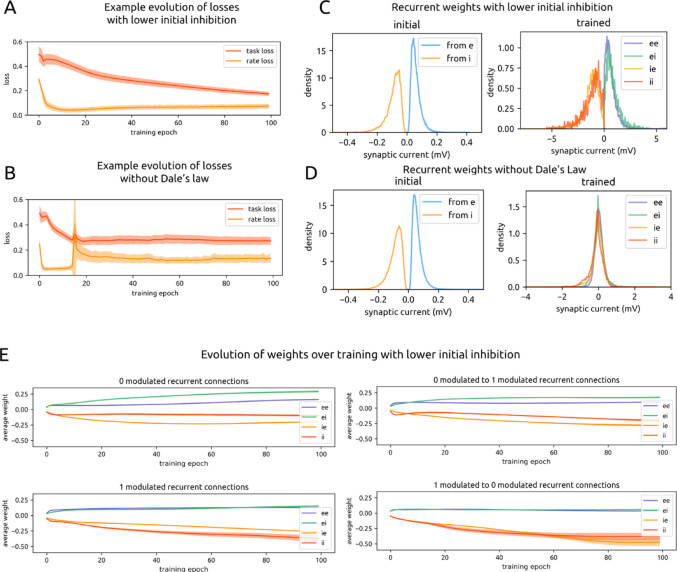 Figure 10
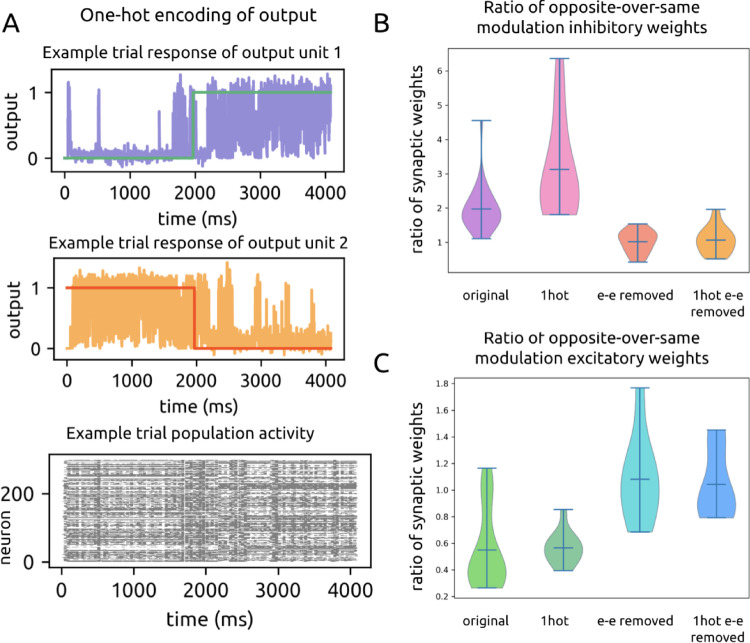 Figure 11
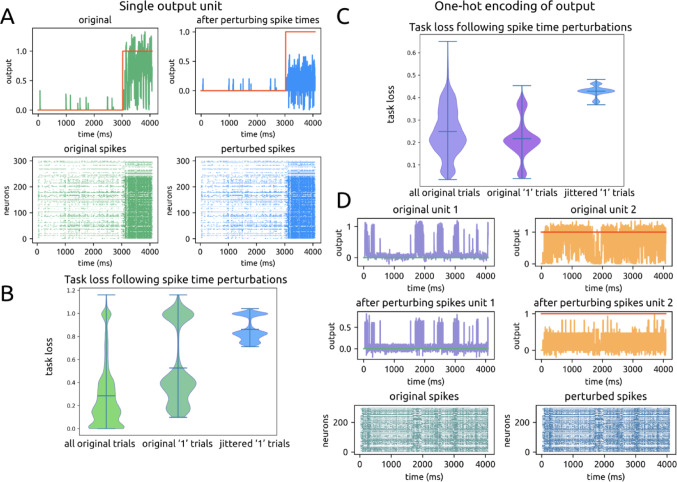 Figure 12
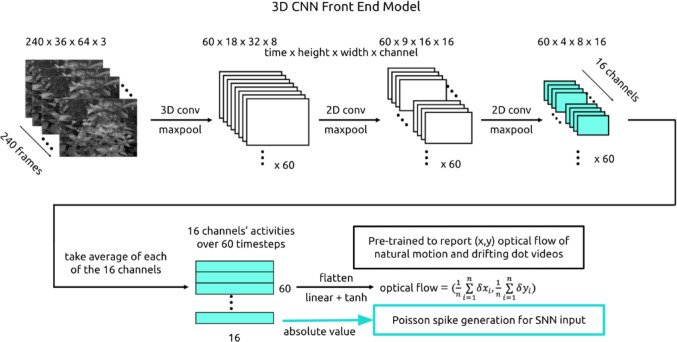 Figure 13
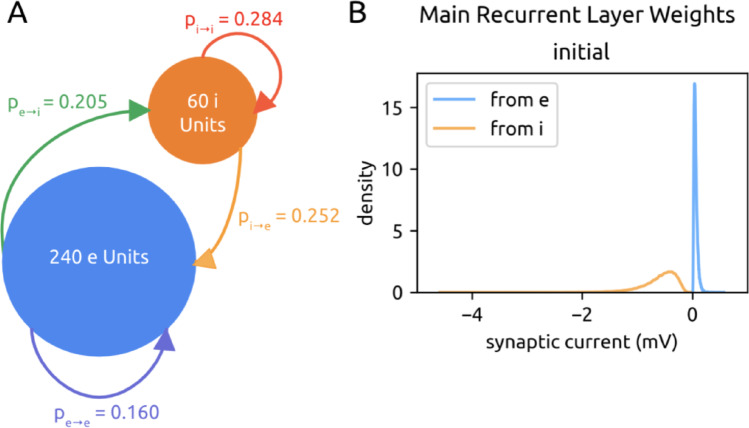 Figure 1
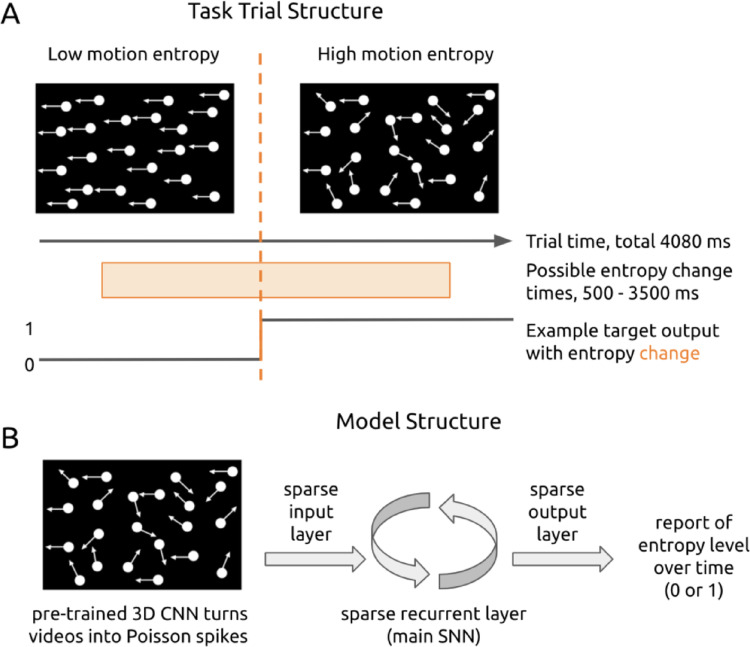 Figure 2
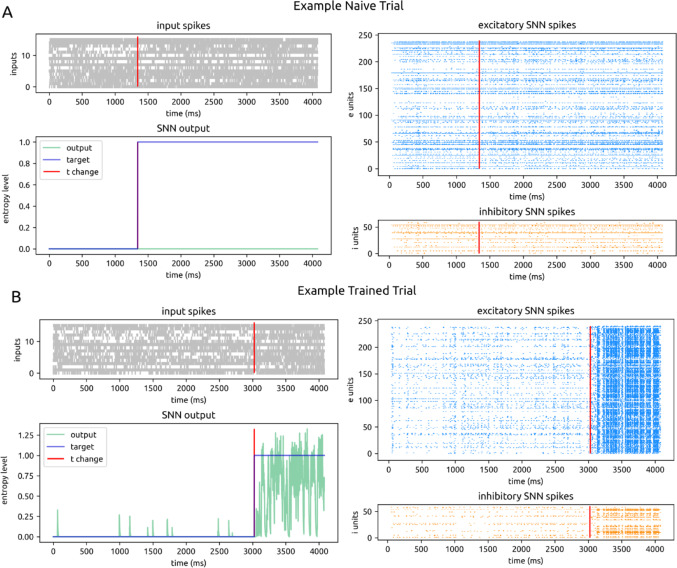 Figure 3
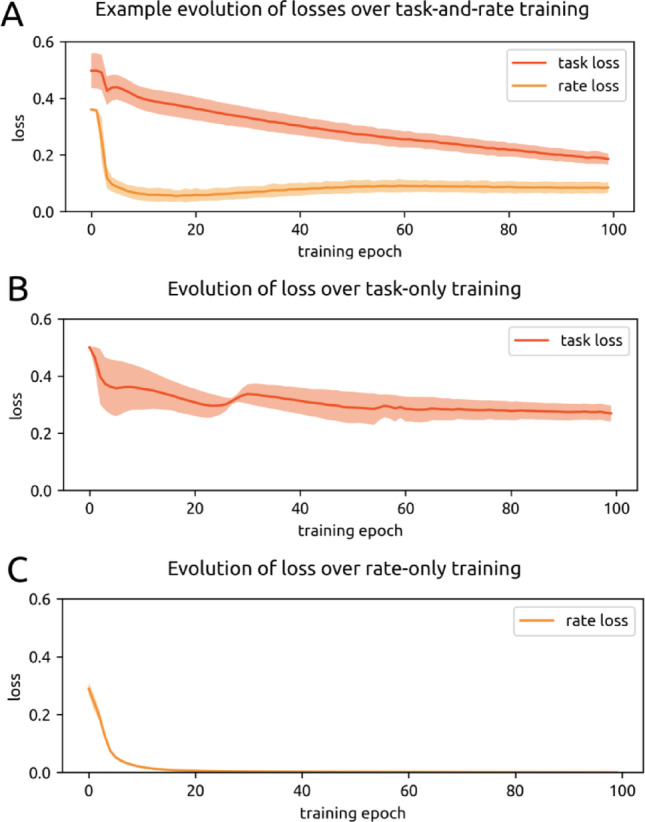 Figure 4
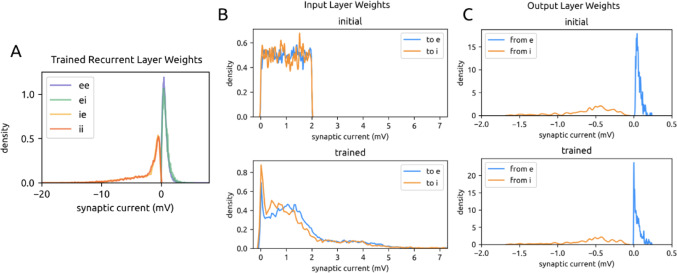 Figure 5
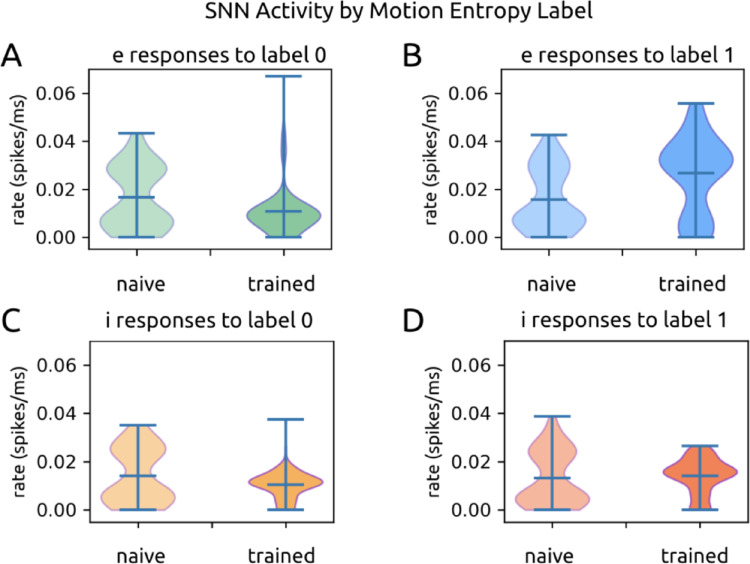 Figure 6
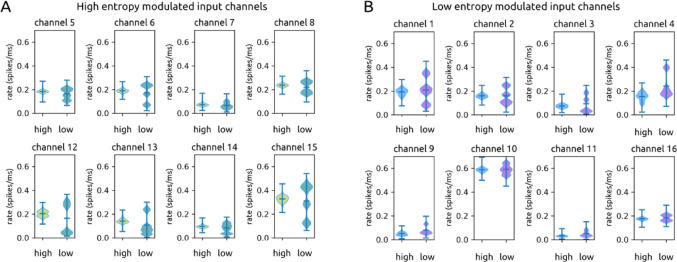 Figure 7
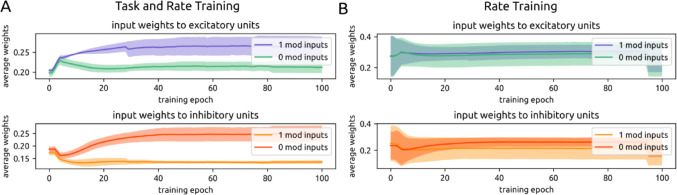 Figure 8
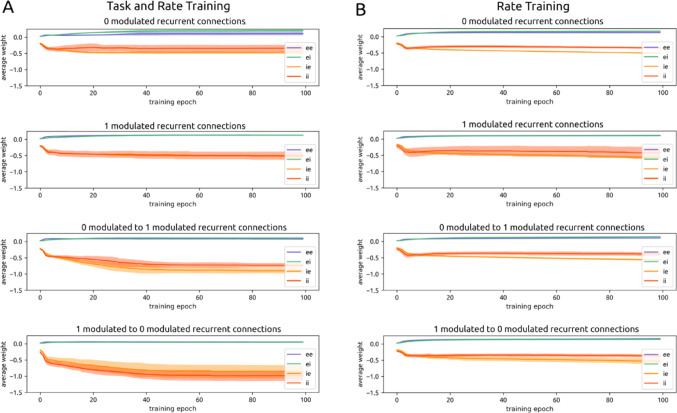 Figure 9
Peer Reviews
No public reviews on file for this paper yet. If you reviewed it on a platform where reviews are public (OpenReview, ICLR, NeurIPS, ICML), you can paste yours below so the community can read it here.
Videos
No videos yet. Explain this paper in a talk, walkthrough, or lecture? Add one.
Taxonomy
TopicsAdvanced Memory and Neural Computing · Neural dynamics and brain function · Neural Networks and Reservoir Computing